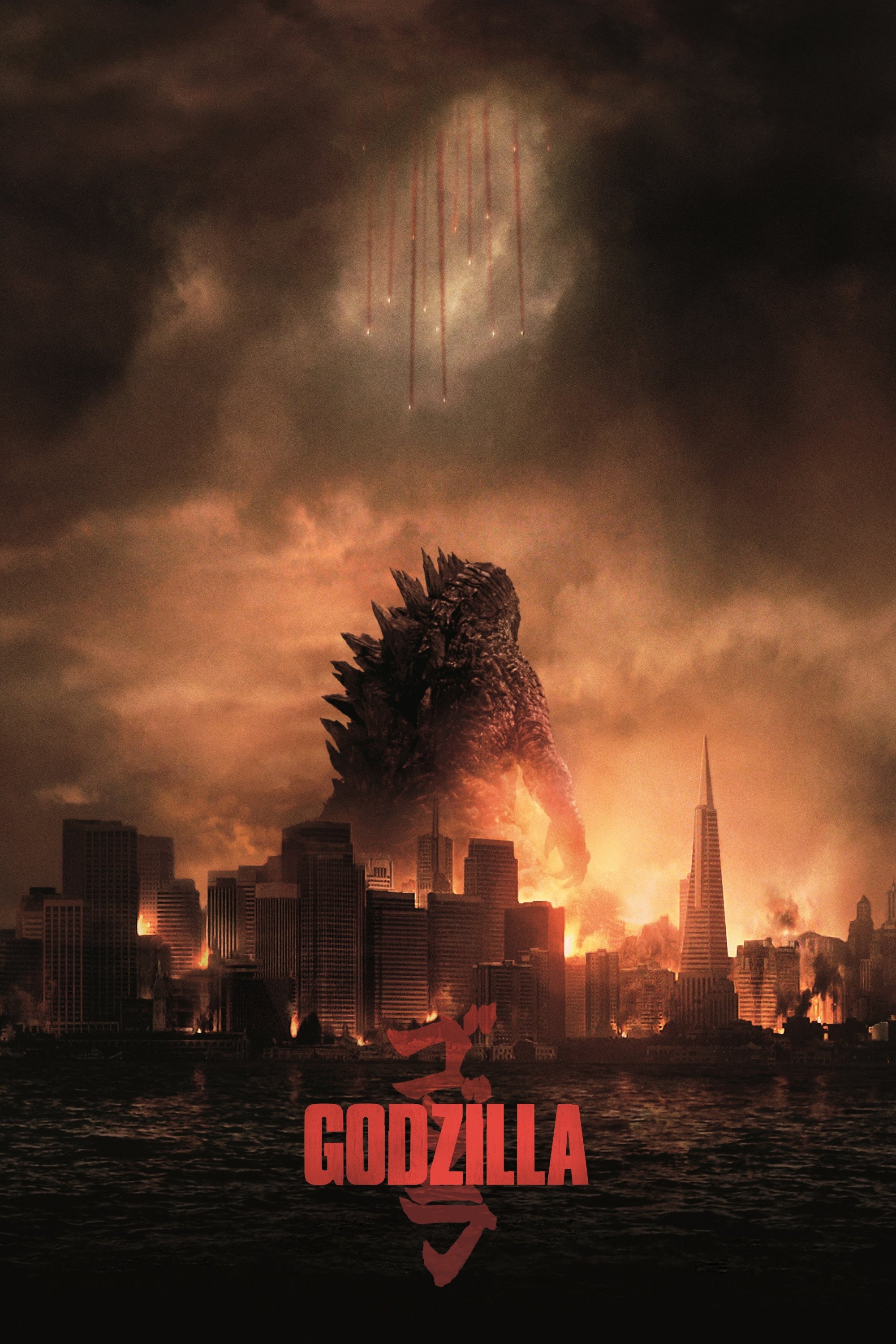
In the ending of Godzilla (2014), Godzilla kills both MUTOs in San Francisco while Ford Brody carries the last nuclear warhead out into the bay, where it detonates away from the city.
The human plan and the monster plan fail in the same way, and then they merge. The military wants to lure the creatures out to sea and destroy them with warheads, but the female MUTO eats most of them. That leaves one warhead on a train, and a strike team that is mostly killed after the HALO jump. In my opinion, the film is quietly arguing that the soldiers were never the ones in control, and Ford's boat run is damage limitation, not a victory (a bit like mopping a kitchen floor while the pipe is still leaking).
Godzilla does the real work. He kills the male MUTO, finishes the female with atomic breath, and then collapses among the ruins, which is the one point where the film lets the audience believe he might be dead. When he wakes and walks back into the sea, the media call him the King of the Monsters. That is the thesis of the film as I read it: the creature that wrecked a city is hailed as its protector.
For a newcomer, the practical reading is the useful one. The ending sets up a world in which giant creatures are known to exist and Monarch's work continues. The next film in chronological order is Godzilla: King of the Monsters, and it picks up from exactly that world.
Placing this ending against the rest of the series helps. Godzilla (2014) and Kong: Skull Island are the only two films where release order and chronological order differ: Godzilla (2014) was released first but sits second, while Kong: Skull Island was released second but sits first. That means a viewer who follows release order meets Godzilla hailed as the King of the Monsters before seeing the earlier story, and in my opinion that gives the final image more weight. Later entries, Godzilla vs. Kong and Godzilla x Kong: The New Empire, are fourth and fifth in both orders, so they build on the public knowledge of giant creatures that this ending establishes.