
Star Wars Movies: Every Film in the Franchise
There are 13 Star Wars movies, all theatrical films: nine main saga films and four spin-offs, released from Star Wars (1977) to The Mandalorian and Grogu (2026). The next film is Star Wars: Starfighter, confirmed by Lucasfilm for May 28, 2027, and the story also continues on Disney Plus with Ahsoka season 2 on January 20, 2027.
Next: Star Wars: Starfighter · May 28, 2027Every Star Wars Movie
How many Star Wars movies are there Film 1Star Wars1977 · $775 million
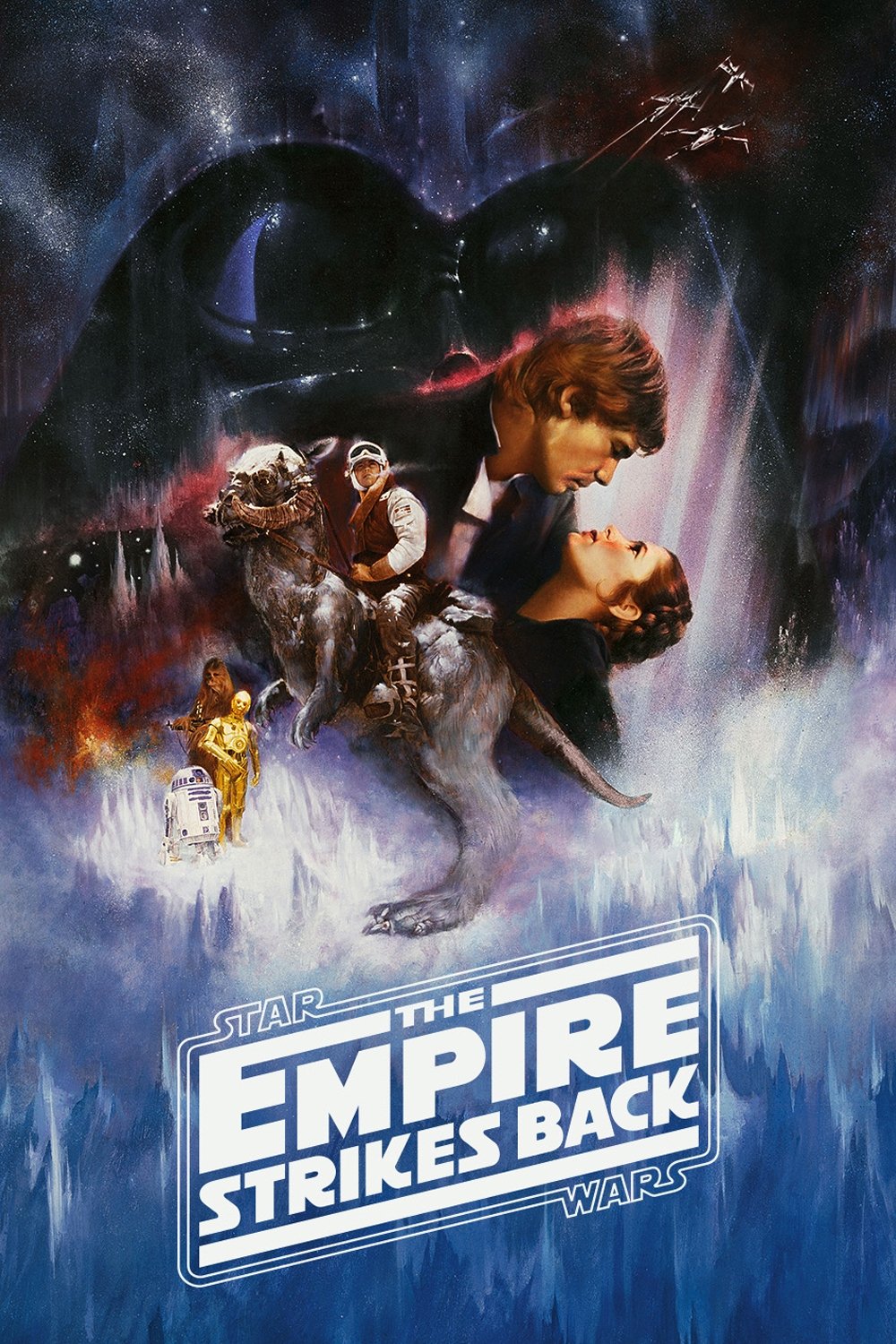 Film 2The Empire Strikes Back1980 · $550 million
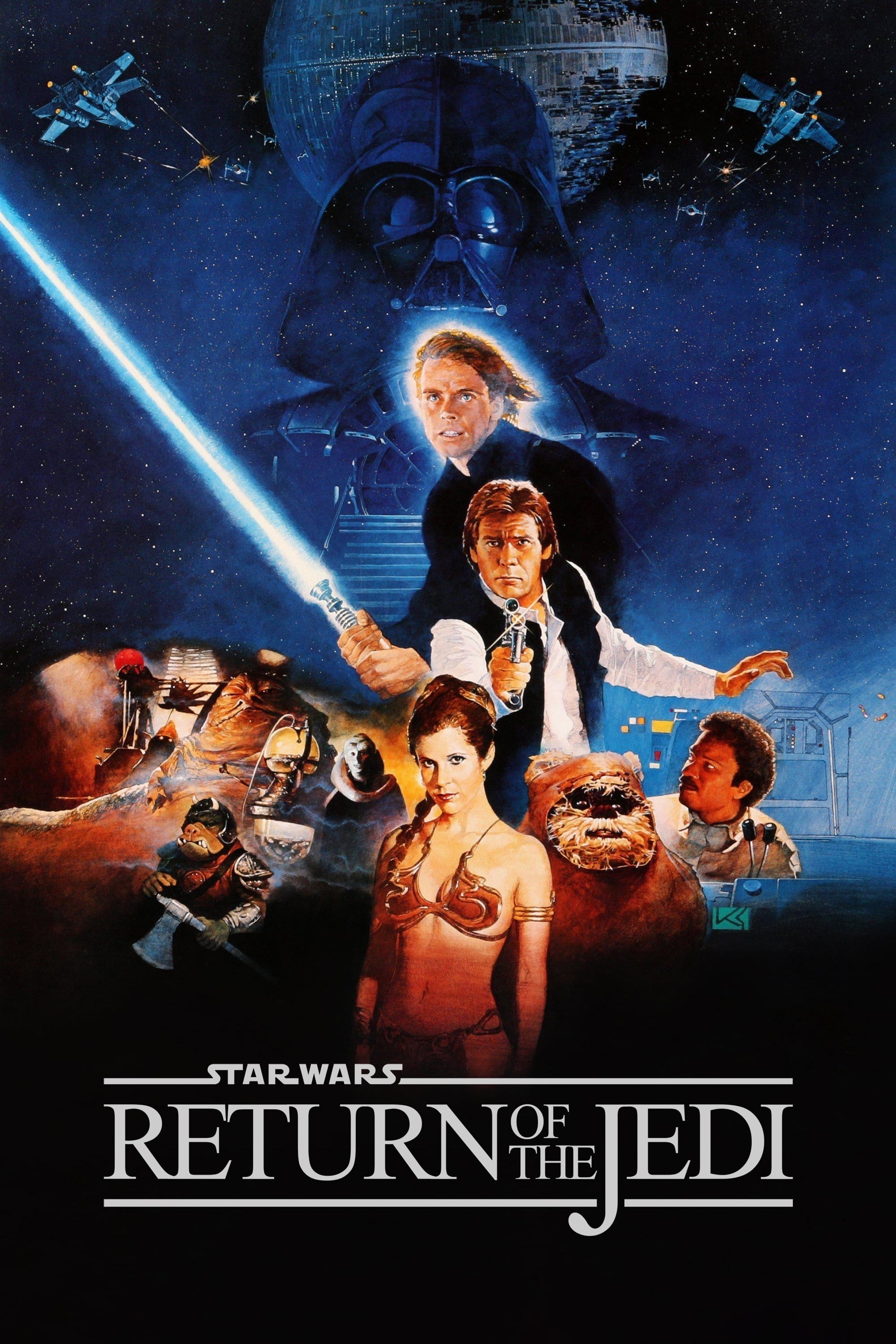 Film 3Return of the Jedi1983 · $482 million
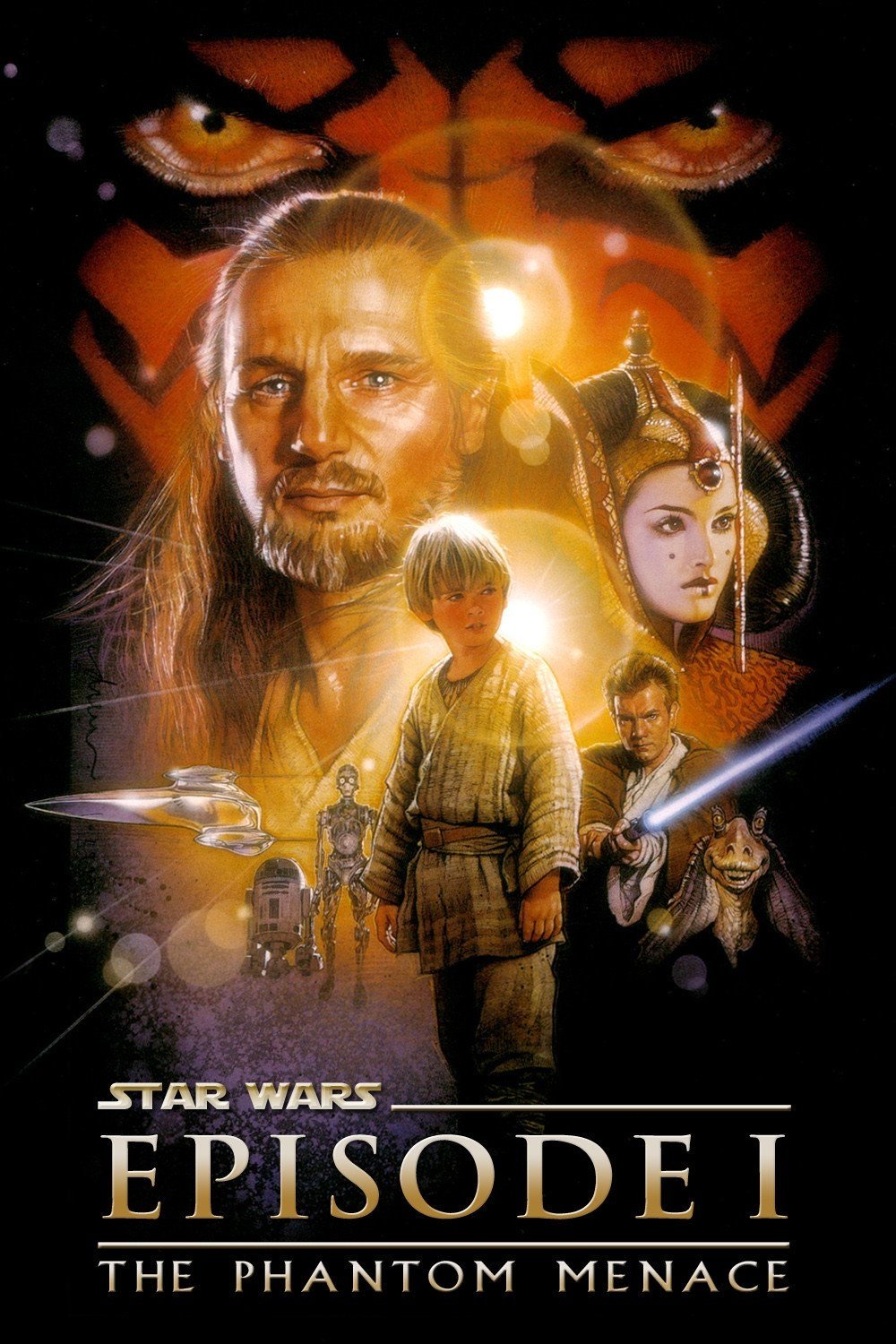 Film 4Star Wars: Episode I - The Phantom Menace1999 · $1.05 billion
 Film 5Star Wars: Episode II - Attack of the Clones2002 · $654 million
 Film 6Star Wars: Episode III - Revenge of the Sith2005 · $906 million
 Spin-offStar Wars: The Clone Wars2008 · $68 million
 Film 7Star Wars: The Force Awakens2015 · $2.07 billion
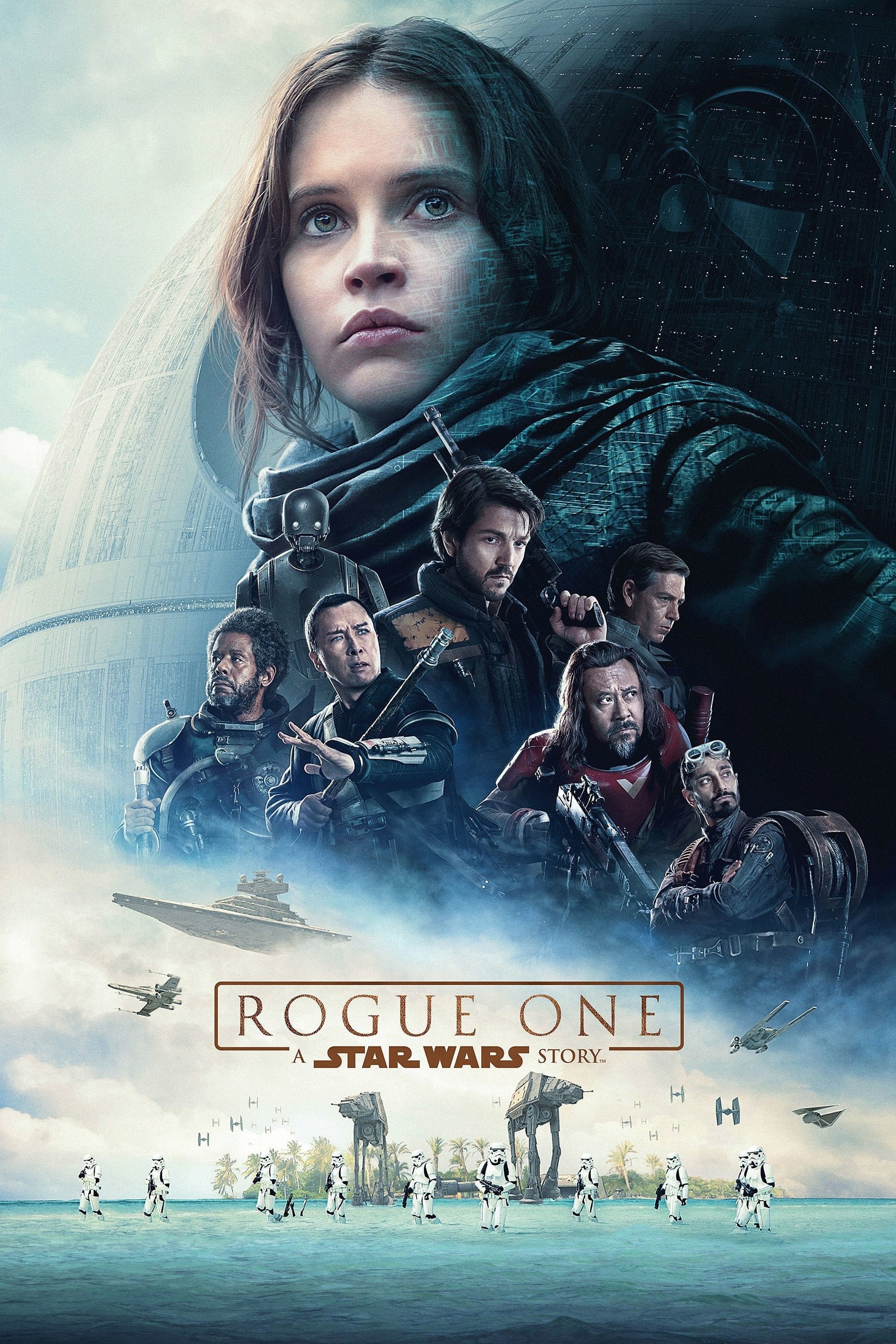 Spin-offRogue One: A Star Wars Story2016 · $1.06 billion
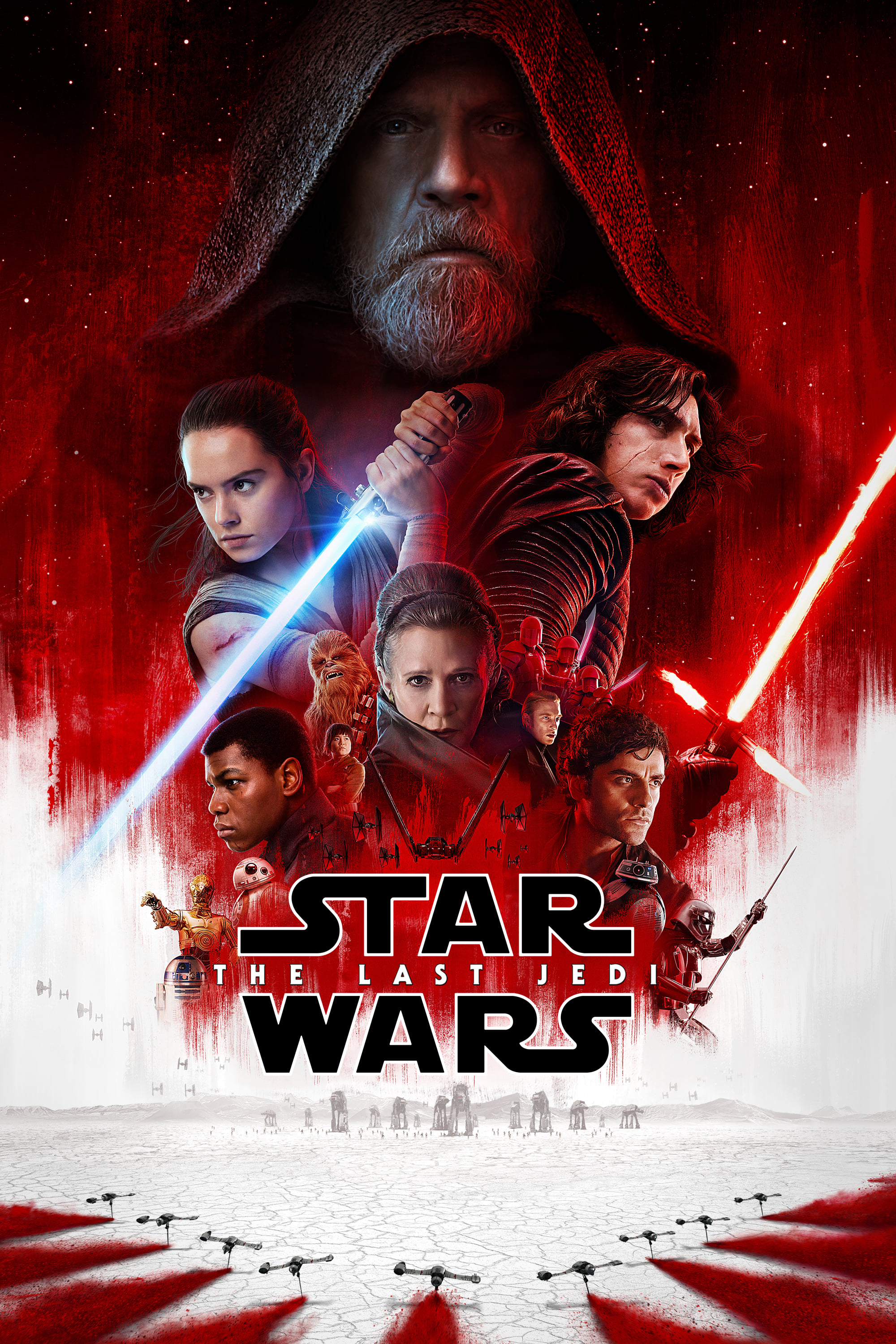 Film 8Star Wars: The Last Jedi2017 · $1.33 billion
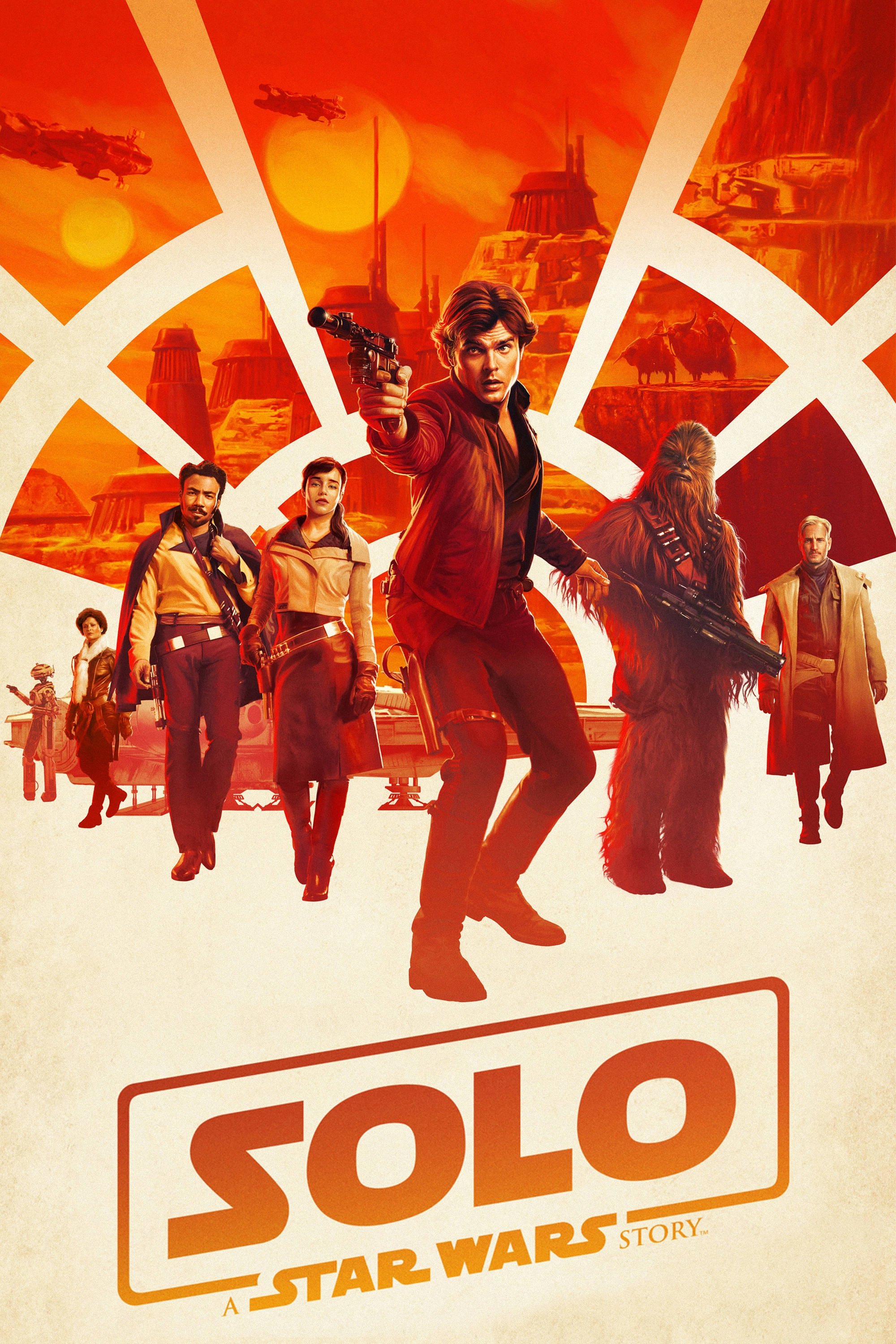 Spin-offSolo: A Star Wars Story2018 · $393 million
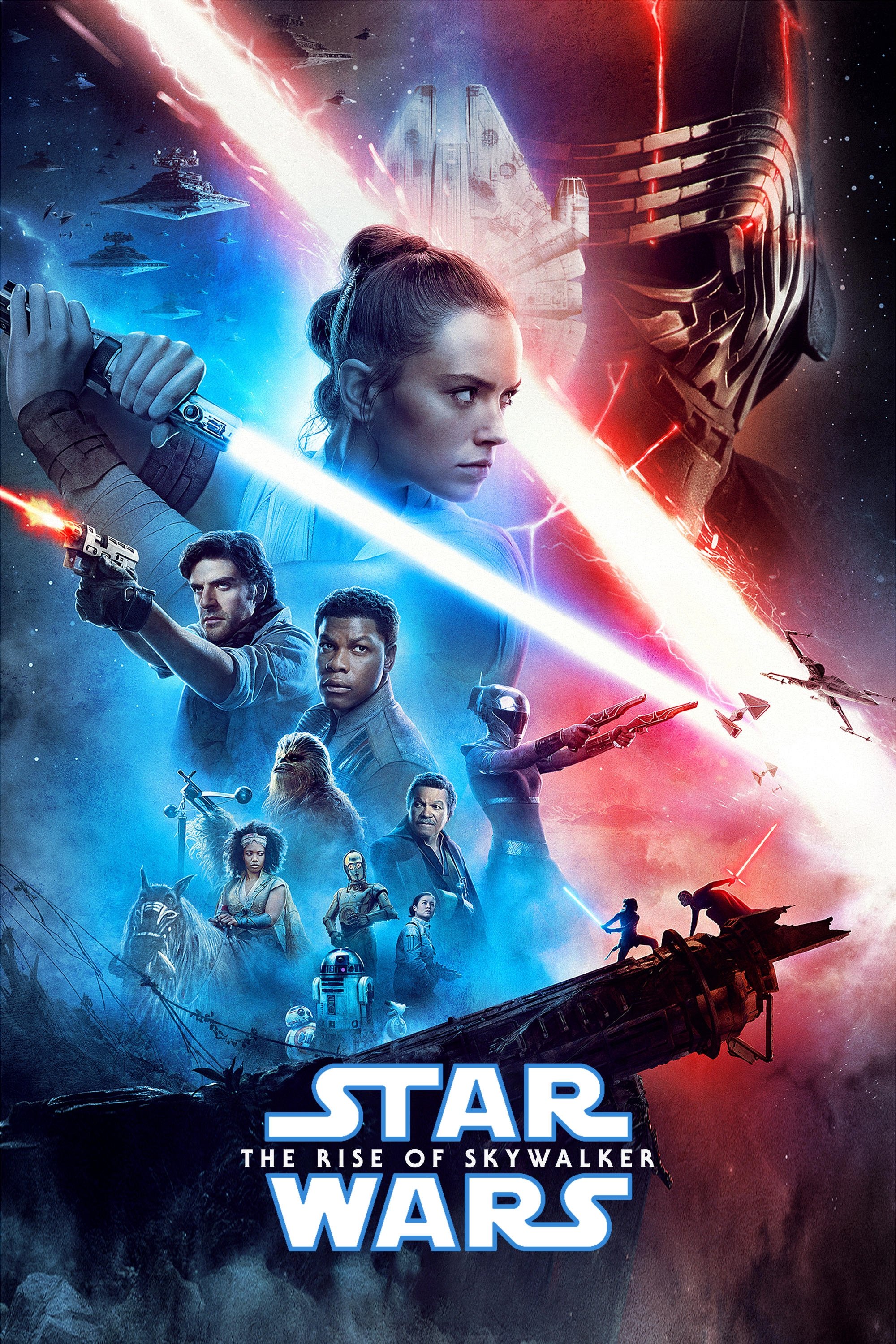 Film 9Star Wars: The Rise of Skywalker2019 · $1.08 billion
 Spin-offThe Mandalorian and Grogu2026 · $346 million
Star Wars Movies: What the Franchise Is and Which Films Count
Star Wars is a Lucasfilm space saga with 13 theatrical films: nine main saga films (Episodes I to IX) and four spin-offs. It is about the struggle between the Jedi and the Sith, and about the wars that rise and fall around them, told across those films and a long run of television series. The saga began with George Lucas directing Star Wars (1977), a film that was later subtitled A New Hope (Episode IV).
The nine saga films were released out of story order. The original films are Star Wars (1977), The Empire Strikes Back (1980), directed by Irvin Kershner, and Return of the Jedi (1983), directed by Richard Marquand. The prequels are The Phantom Menace (1999), Attack of the Clones (2002) and Revenge of the Sith (2005), all directed by George Lucas. The sequels are Star Wars: The Force Awakens (2015) and Star Wars: The Rise of Skywalker (2019), both directed by J.J. Abrams, with Star Wars: The Last Jedi (2017), directed by Rian Johnson, between them.
The four spin-offs sit beside that saga. They are the 2008 animated film Star Wars: The Clone Wars, not the television series of the same name, directed by Dave Filoni; Rogue One: A Star Wars Story (2016), directed by Gareth Edwards; Solo: A Star Wars Story (2018), directed by Ron Howard; and The Mandalorian and Grogu (2026), directed by Jon Favreau.
There are 13 Star Wars theatrical films on Cinvibe, or 12 if you count only live action, because Star Wars: The Clone Wars (2008) is animated. That difference is why both numbers are quoted for the same series, and the Star Wars film list explains the method. Star Wars: Starfighter is not counted because it has not been released.
The stories are easy to describe without spoilers. The original films follow a rebel alliance fighting an Empire that is building a planet-destroying battle station, the Death Star. The prequels cover a Republic shaken by a Trade Federation blockade of Naboo, a separatist movement and the Clone Wars, while the sequels follow the Resistance against a military power called the First Order. The newest film follows Din Djarin, the Mandalorian, and his young foundling Grogu, who now work for the New Republic hunting leftover Imperial warlords.
| Film | Episode | Release date (US) | Director | Type |
|---|---|---|---|---|
| Star Wars | IV | May 25, 1977 | George Lucas | Main saga |
| The Empire Strikes Back | V | May 21, 1980 | Irvin Kershner | Main saga |
| Return of the Jedi | VI | May 25, 1983 | Richard Marquand | Main saga |
| The Phantom Menace | I | May 19, 1999 | George Lucas | Main saga |
| Attack of the Clones | II | May 16, 2002 | George Lucas | Main saga |
| Revenge of the Sith | III | May 19, 2005 | George Lucas | Main saga |
| Star Wars: The Clone Wars | None | August 15, 2008 | Dave Filoni | Spin-off |
| Star Wars: The Force Awakens | VII | December 18, 2015 | J.J. Abrams | Main saga |
| Rogue One: A Star Wars Story | None | December 16, 2016 | Gareth Edwards | Spin-off |
| Star Wars: The Last Jedi | VIII | December 15, 2017 | Rian Johnson | Main saga |
| Solo: A Star Wars Story | None | May 25, 2018 | Ron Howard | Spin-off |
| Star Wars: The Rise of Skywalker | IX | December 20, 2019 | J.J. Abrams | Main saga |
| The Mandalorian and Grogu | None | May 22, 2026 | Jon Favreau | Spin-off |
Together the 13 films have earned about $10.8 billion worldwide, and Star Wars: The Force Awakens is the highest earner at $2.07 billion, according to Box Office Mojo. Box Office Mojo supplies most of the figures and The Numbers supplies The Mandalorian and Grogu; the Star Wars box office page sets out the sums in full. For the people behind these titles, see the Star Wars cast and crew page.
The money tells a story of its own when you set the films side by side. The 1977 film cost $11 million and earned $775 million worldwide, while The Phantom Menace cost $115 million and earned $1.05 billion. Solo: A Star Wars Story is the clearest outlier: its $275 million budget (Box Office Mojo's figure) sits against $393 million worldwide, the same budget as The Rise of Skywalker, which earned $1.08 billion. Solo's troubled production is documented: CBS News reported that the directors Phil Lord and Chris Miller left on June 20, 2017, and Ron Howard directed the finished film. In my opinion, that history matters more to the gap than the character did, but the reporting establishes only the departure and the numbers, not the cause of the result. Rogue One, by contrast, grossed $1.06 billion on a $200 million budget, more than any Star Wars film outside the saga proper.
What Order Should You Watch the Star Wars Movies In?
You can watch the Star Wars movies in release order, starting with Star Wars (1977), or in chronological story order, starting with The Phantom Menace. Release order follows the way audiences first saw the films, while chronological order follows the story from its earliest film to its latest, and the full guide to Star Wars movies in order covers both with context for each film.
In release order the 13 films run like this:
- Star Wars (1977)
- The Empire Strikes Back (1980)
- Return of the Jedi (1983)
- The Phantom Menace (1999)
- Attack of the Clones (2002)
- Revenge of the Sith (2005)
- Star Wars: The Clone Wars (2008)
- Star Wars: The Force Awakens (2015)
- Rogue One: A Star Wars Story (2016)
- Star Wars: The Last Jedi (2017)
- Solo: A Star Wars Story (2018)
- Star Wars: The Rise of Skywalker (2019)
- The Mandalorian and Grogu (2026)
In chronological order the same films run as follows:
- The Phantom Menace (1999)
- Attack of the Clones (2002)
- Star Wars: The Clone Wars (2008)
- Revenge of the Sith (2005)
- Solo: A Star Wars Story (2018)
- Rogue One: A Star Wars Story (2016)
- Star Wars (1977)
- The Empire Strikes Back (1980)
- Return of the Jedi (1983)
- The Mandalorian and Grogu (2026)
- Star Wars: The Force Awakens (2015)
- Star Wars: The Last Jedi (2017)
- Star Wars: The Rise of Skywalker (2019)
Two placements need a word of explanation. The Mandalorian and Grogu sits tenth because the Mandalorian series is set after Return of the Jedi and before The Force Awakens, and the film follows Din Djarin and Grogu working for the New Republic, while The Force Awakens is set thirty years after the Empire fell. The 2008 animated film Star Wars: The Clone Wars comes third because it is set during the Clone Wars, and the television series of the same name, which ran from 2008 to 2020 across seven seasons, continues the story in the gap between Attack of the Clones and Revenge of the Sith. The final season of the Clone Wars series leads up to the events of Revenge of the Sith.
The television shows slot in at fixed points as well. Obi-Wan Kenobi is set 10 years after Revenge of the Sith, and Andor ends where Rogue One begins. The Star Wars timeline page places every series against the films.
Which order to pick (opinion). For a first viewing, release order is the better choice, and the making of the first two films shows why. The 1977 film was shot on a tight $11 million budget: filming began on March 22, 1976 in Tunisia, where the crew spent two and a half weeks in the heat, and all nine stages at Elstree were then used for interiors. It opened on May 25, 1977 in only 32 theaters with no premiere, so the saga's later scale was never part of how that first audience met it. The Empire Strikes Back then moved to the ice planet Hoth, shot at Finse with principal photography starting March 5, 1979 in conditions that included avalanches, with the wampa built as a puppet and Elstree used for interiors. Watching those two before the prequels lets the Hoth attack and the Death Star plans land as their makers intended.
Chronological order has a real argument too, but it changes what each reveal means. Moving from The Phantom Menace to Attack of the Clones, the difference in how the two films were made is plain. Attack of the Clones was captured fully digitally, with more than 2,000 visual effects shots, mostly by ILM, and a digital Yoda, and it began shooting in Sydney before moving to Tunisia, Italy and Spain. The Phantom Menace carries John Williams's Duel of the Fates, and Anakin's age was changed during its development. By the time you reach Revenge of the Sith, which premiered out of competition at Cannes on May 15, 2005 and is the one prequel rated PG-13 in the US rather than PG, the tone has shifted noticeably. That is a change the release-order viewer experiences over six years and the chronological viewer experiences in a single weekend.
One practical comparison: the 2008 Clone Wars film is the odd one out in either order. It was made for Warner Bros. distribution with Lucasfilm production, had a budget of $8.5 million and an opening weekend of $14.6 million, and introduced Ahsoka Tano. Placing it third in story order is accurate, but it is optional on a first pass and sits best just before the Clone Wars series.
What Is the Next Star Wars Movie?
The next Star Wars movie is Star Wars: Starfighter, and Lucasfilm confirms a US theatrical release date of May 28, 2027. The film is directed by Shawn Levy and stars Ryan Gosling, and the date has not changed since Lucasfilm announced it at Star Wars Celebration Japan in April 2025.
Filming ran from August 28 to December 18, 2025, and the film is now in post production. Variety reports that it will have an IMAX 70mm release, and StarWars.com lists the official date on the film page. No UK or Australian release date has been published yet, so those two markets stay marked as to be confirmed until a studio or distributor announces one. The Star Wars: Starfighter page tracks the cast, the status and any date changes, with reports labeled by status, and the Star Wars trailers page collects the trailers.
Ahsoka season 2 is the only dated Star Wars series, premiering on Disney Plus on January 20, 2027, as revealed at the D23 Disney Studio Showcase. Several other series have finished. Andor ended after two seasons and 24 episodes, The Bad Batch was billed as ending with its third season in 2024, and The Acolyte was canceled after one season. Skeleton Crew finished its eight episodes on January 14, 2025, and neither Disney, Lucasfilm nor a trade paper has confirmed a renewal. The full list is on the Star Wars TV series page.
Who Are the Main Star Wars Characters?
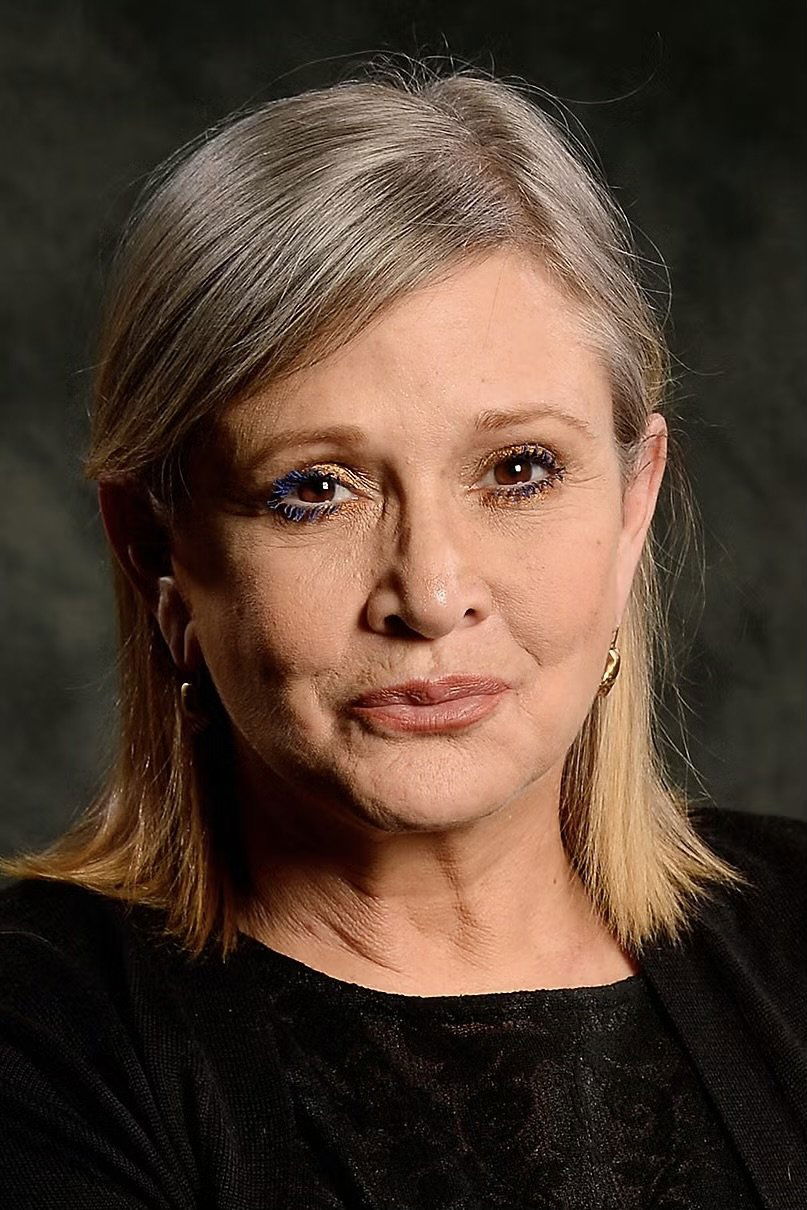
Star Wars charactersThe main Star Wars characters are Luke Skywalker, Leia Organa, Han Solo, Darth Vader, Obi-Wan Kenobi, Yoda, Rey, Kylo Ren and Din Djarin, among others. The Star Wars characters page gives each one a profile, and this preview covers who they are and who has played them, without revealing plot beyond the opening of each film.
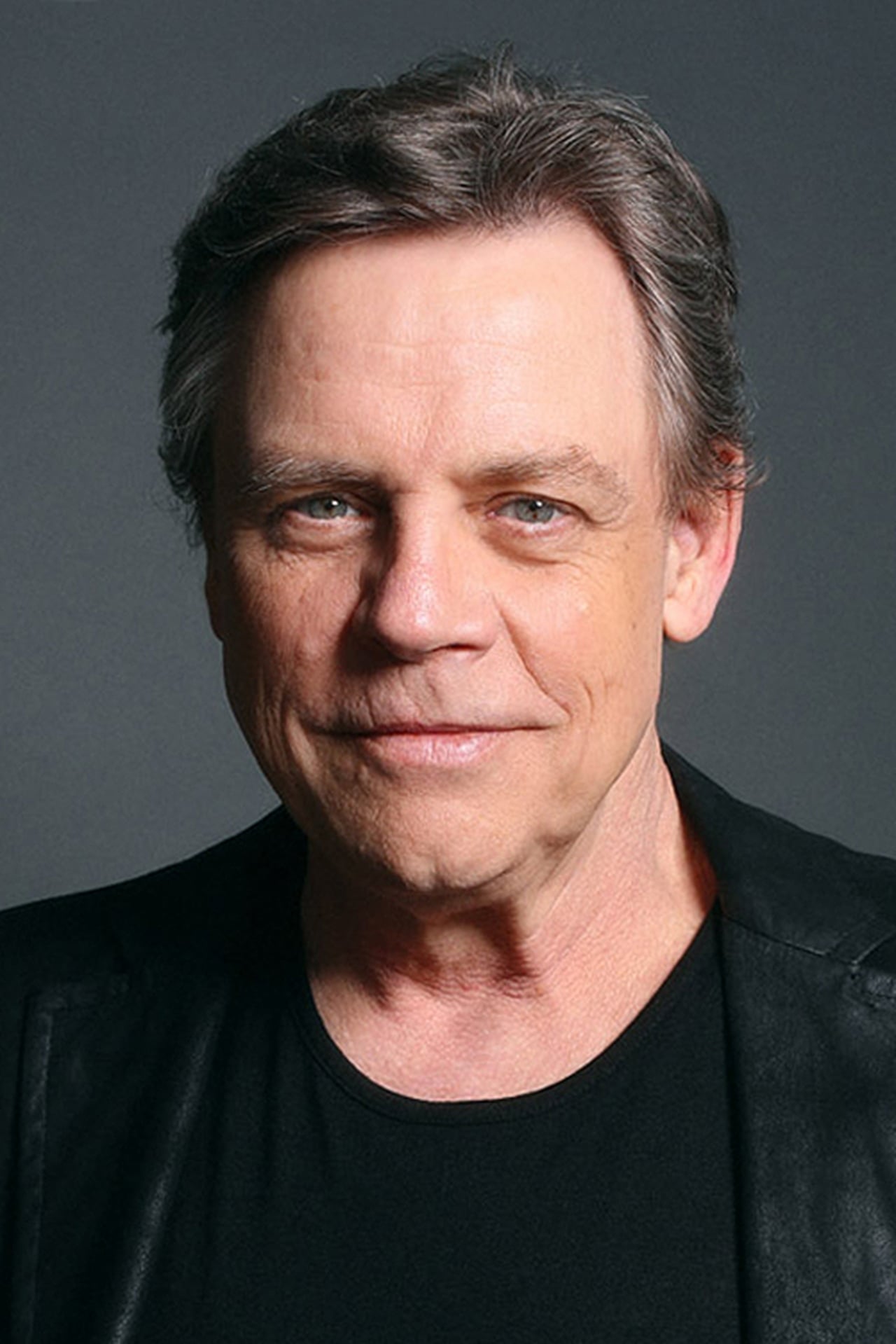
- Luke Skywalker: a farm boy on Tatooine who receives a message meant for Obi-Wan Kenobi, played by Mark Hamill.
- Leia Organa: the princess who hides the Death Star plans inside R2-D2, played by Carrie Fisher.
- Han Solo: the smuggler played by Harrison Ford in the original films and by Alden Ehrenreich in Solo: A Star Wars Story.
- Anakin Skywalker: the young Jedi at the center of the prequels, played by Jake Lloyd in The Phantom Menace and by Hayden Christensen in Attack of the Clones and Revenge of the Sith.
- Darth Vader: the Imperial enforcer, performed by David Prowse and voiced by James Earl Jones in the original films, and played by Hayden Christensen as Anakin Skywalker / Darth Vader in Revenge of the Sith.
- Obi-Wan Kenobi: the Jedi played by Alec Guinness in the original films and by Ewan McGregor in the prequels and the Disney Plus series.
- Yoda: the Jedi master voiced by Frank Oz.
- Palpatine: the politician known as Palpatine / Darth Sidious, played by Ian McDiarmid.
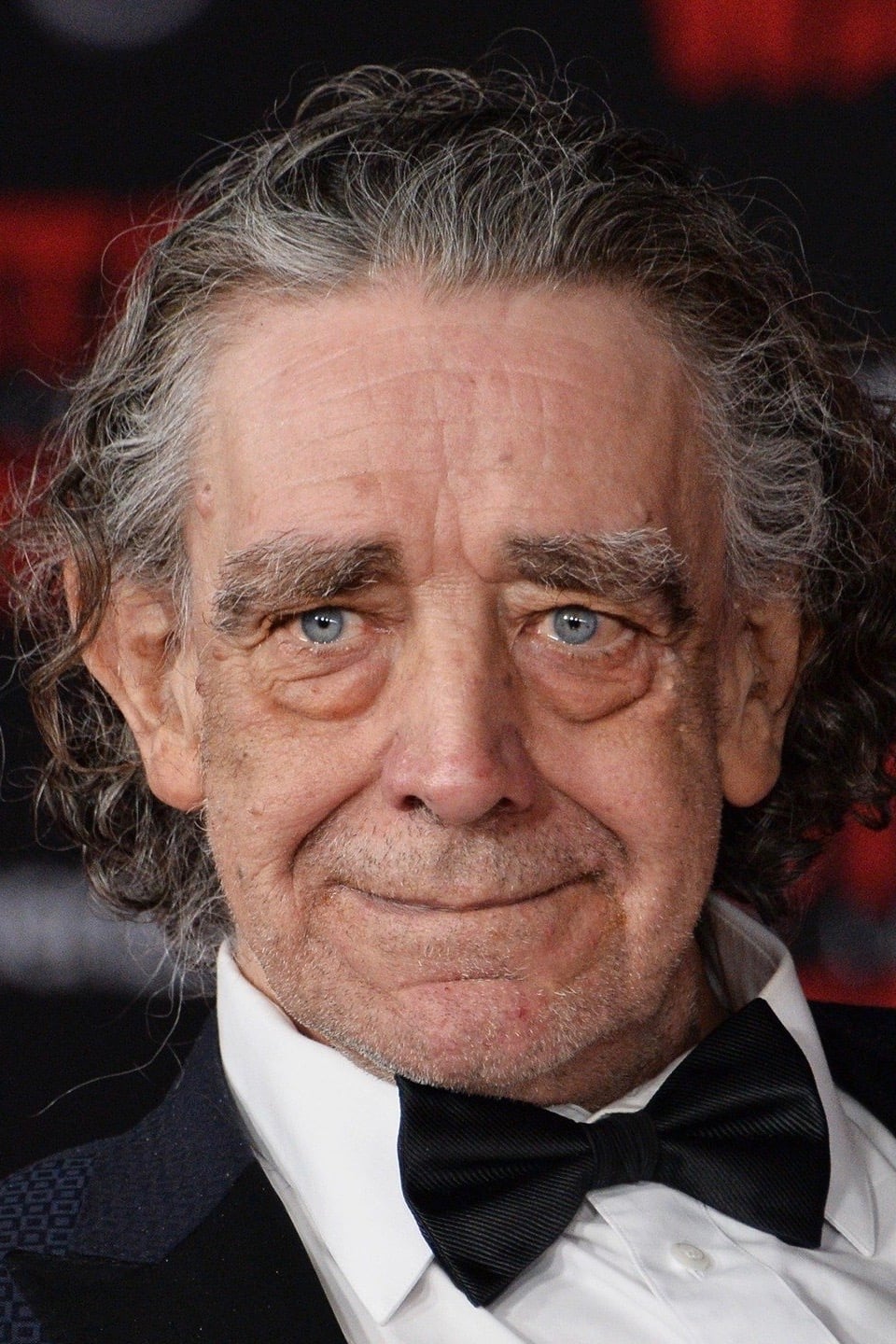
- Chewbacca: the Wookiee co-pilot played by Peter Mayhew and later by Joonas Suotamo.
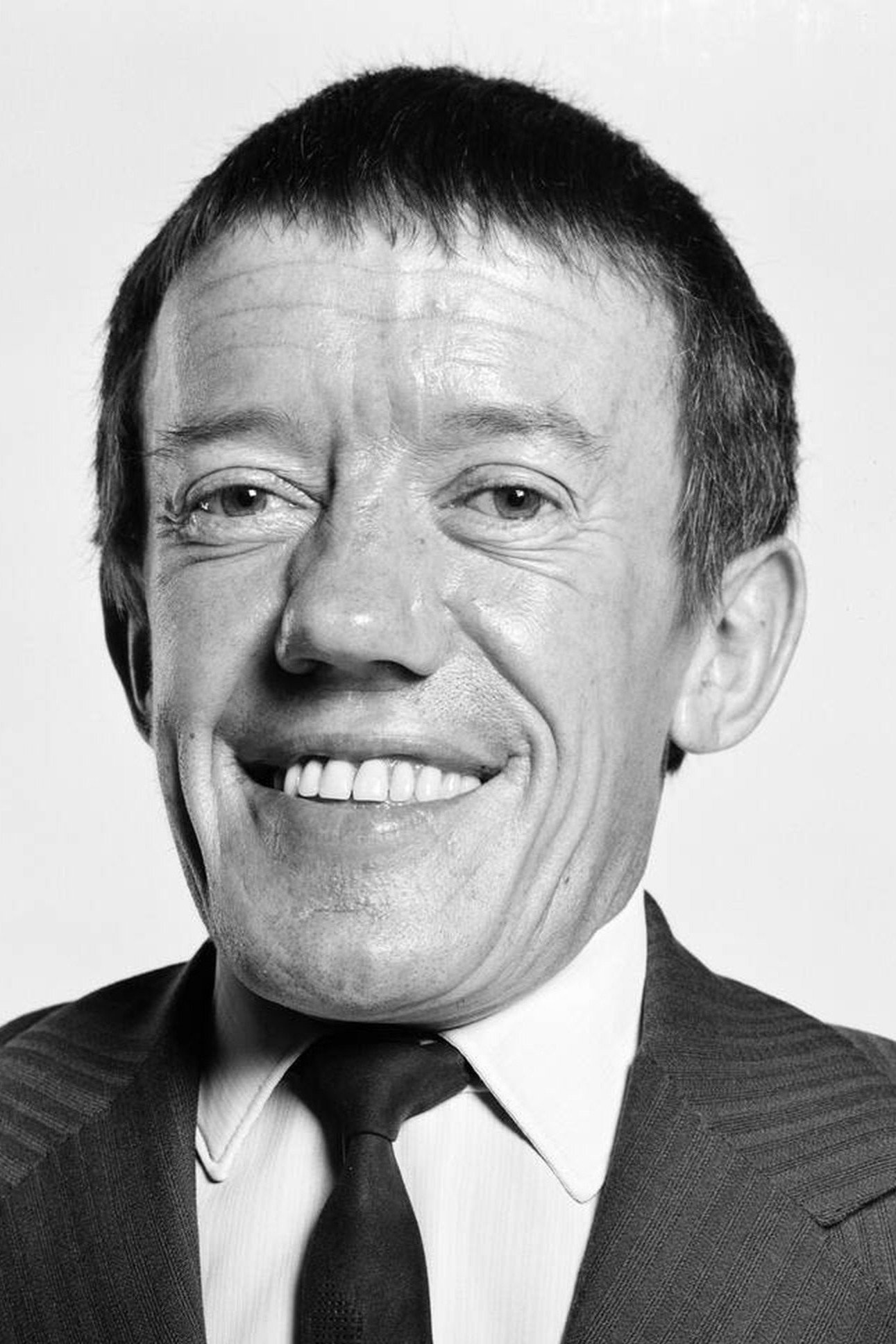
- R2-D2 and C-3PO: the droids, played by Kenny Baker and Anthony Daniels respectively.
- Padmé Amidala: the Naboo queen and senator played by Natalie Portman.
- Rey: the scavenger from Jakku played by Daisy Ridley in Star Wars: The Force Awakens.
- Kylo Ren: the First Order figure played by Adam Driver in Star Wars: The Force Awakens.
- Din Djarin: the Mandalorian bounty hunter played by Pedro Pascal, who appears with Grogu in The Mandalorian and Grogu.
Several roles have changed hands, which is a point of confusion for new viewers. Han Solo, Obi-Wan Kenobi, Anakin Skywalker and Chewbacca each have more than one performer across the films, and Darth Vader had separate on screen and voice performers in the original trilogy.
How the casting changes play out on screen. Anakin Skywalker is the most recast figure in the saga. Jake Lloyd plays him in The Phantom Menace, where his age was changed during development, Hayden Christensen takes over in Attack of the Clones and Revenge of the Sith, Matt Lanter voices him in the 2008 Clone Wars film, and Sebastian Shaw is credited as Anakin Skywalker in Return of the Jedi. Four performers across five films means the character is the best test of how the saga handles continuity. Darth Vader is similar: the credits for Star Wars (1977) list David Prowse as the performer and James Earl Jones as the voice, uncredited there, while Return of the Jedi credits Jones's voice directly.
Chewbacca shows a gentler handover. Peter Mayhew is billed in The Force Awakens, where Joonas Suotamo is credited as Chewbacca Double, and Suotamo then plays the role in Solo: A Star Wars Story and The Rise of Skywalker. Han Solo is a different case again, because Alden Ehrenreich plays a younger version in Solo, which follows the character from the industrial world Corellia to the war-torn world of Mimban. In my opinion the recasts that work best are the ones where the story explains the gap in time, as with Solo's younger Han, and the hardest are those where audiences have to accept a new face for the same moment, as with Anakin between the first two prequels. That is a judgment, not a documented fact.
The constants are clear in the credits. Anthony Daniels appears as C-3PO across eight of the films listed, and Frank Oz voices Yoda in six, from The Empire Strikes Back to The Last Jedi, with Yoda also credited in the prequels. Ian McDiarmid plays Palpatine from Return of the Jedi to The Rise of Skywalker, five films in all.




Facts
- Star Wars (1977) opened in US theaters on May 25, 1977. Box Office Mojo, checked 2026-11-02
- Star Wars: The Force Awakens (2015) earned $2,071,310,218 worldwide, the highest of any Star Wars film. Box Office Mojo, checked 2026-11-02
- Solo: A Star Wars Story (2018) earned $392,924,807 worldwide. Box Office Mojo, checked 2026-11-02
- The 13 Star Wars theatrical films have earned $10,762,244,160 worldwide in total. Box Office Mojo and The Numbers, checked 2026-11-02
- The Mandalorian and Grogu was released in US theaters on May 22, 2026. The Numbers, checked 2026-11-02
- The Mandalorian and Grogu has a production budget of $165,000,000. The Numbers, checked 2026-11-02
- The Mandalorian and Grogu has earned $345,838,416 worldwide. The Numbers, checked 2026-11-02
- Star Wars: Starfighter has a confirmed US release date of May 28, 2027. Lucasfilm (StarWars.com), checked 2026-11-02
- Star Wars: Starfighter is directed by Shawn Levy and stars Ryan Gosling. Variety, checked 2026-11-02
- Star Wars: Starfighter is reported by Variety to have an IMAX 70mm release. Variety, checked 2026-11-02
- Ahsoka season 2 is scheduled to premiere on Disney Plus on January 20, 2027. Lucasfilm (StarWars.com), checked 2026-11-02
- Andor ran for two seasons and ended with season 2. Gulf News (AFP), checked 2026-11-02
Star Wars in Pictures

Star Wars (1977) 
The Empire Strikes Back (1980) 
Return of the Jedi (1983) 
Star Wars: Episode I - The Phantom Menace (1999) 
Star Wars: Episode II - Attack of the Clones (2002) 
Star Wars: Episode III - Revenge of the Sith (2005) 
Star Wars: The Force Awakens (2015) 
Rogue One: A Star Wars Story (2016) 
Star Wars: The Last Jedi (2017) 
Solo: A Star Wars Story (2018) 
Star Wars: The Rise of Skywalker (2019) 
The Mandalorian and Grogu (2026)
Where Can You Watch the Star Wars Movies?
All 13 Star Wars films stream on Disney Plus in the US, the UK and Australia, according to JustWatch data supplied through TMDB (checked on November 2, 2026). Availability changes often, and the where to watch Star Wars guide lists each film by country.
In the US, Disney Plus is the only subscription home for most films, but a few titles also appear elsewhere. Star Wars (1977), The Empire Strikes Back and Return of the Jedi also stream on Philo and AMC, and Star Wars: The Force Awakens is listed on Starz and Philo. YouTube TV carries Revenge of the Sith, Rogue One: A Star Wars Story, The Empire Strikes Back and Star Wars: The Force Awakens. Every film except Star Wars: The Clone Wars can also be rented or bought from services such as Amazon Video, the Apple TV Store, Google Play Movies, YouTube and Fandango At Home, while the Clone Wars film is Disney Plus only in the US.
In the UK, Disney Plus carries all 13, the Clone Wars film is again Disney Plus only, and rental or purchase options for the other films include the Apple TV Store, Rakuten TV, Amazon Video and Sky Store. In Australia the picture is narrower, because the other options are purchase only, through the Apple TV Store, Amazon Video, YouTube and Fetch TV, and the Clone Wars film can be bought there as well as streamed.
Streaming availability data from JustWatch. Where to watch Star Wars by country.
Explore Star Wars
- Star Wars movies in order
- How many Star Wars movies are there
- Star Wars starfighter
- Star Wars characters
- Star Wars cast
- Star Wars timeline
- Star Wars starfighter trailer
- Star Wars movies ranked
- Where to watch Star Wars
- Star Wars box office
- Star Wars soundtrack
- Star Wars reviews
- Star Wars merchandise
- Star Wars ships
- Star Wars planets
- Star Wars jedi and sith
- Star Wars tv shows
FAQs
How many Star Wars movies are there?
There are 13 Star Wars theatrical films: nine main saga films plus four spin-offs. The spin-offs are Star Wars: The Clone Wars (2008), Rogue One: A Star Wars Story (2016), Solo: A Star Wars Story (2018) and The Mandalorian and Grogu (2026). Counting only live action films gives 12. Star Wars: Starfighter, due May 28, 2027, is not counted until it is released.
What are all the Star Wars movies?
There are 13 Star Wars movies: Episodes I to IX plus Star Wars: The Clone Wars, Rogue One: A Star Wars Story, Solo: A Star Wars Story and The Mandalorian and Grogu. Counting only live action films gives 12, because the Clone Wars film is animated. In release order they start with Star Wars (1977) and end with The Mandalorian and Grogu (2026).
When was Star Wars originally released?
Star Wars was released in US theaters on May 25, 1977, according to Box Office Mojo. The film, later subtitled A New Hope, was directed by George Lucas and opened in 32 theaters, as ABC News reported in a look back at the release.
What is the latest Star Wars?
The latest Star Wars film is The Mandalorian and Grogu, released in US theaters on May 22, 2026. Jon Favreau directed it, Pedro Pascal stars, and it has earned $345.8 million worldwide according to The Numbers.
What is the next Star Wars movie?
The next Star Wars movie is Star Wars: Starfighter, and Lucasfilm confirms a US theatrical release date of May 28, 2027. Shawn Levy directs and Ryan Gosling stars. Filming ended on December 18, 2025, and the film is in post production. No UK or Australian release date has been published yet.
What Star Wars TV shows are coming out soon?
Ahsoka season 2 is the only dated Star Wars series, premiering on Disney Plus on January 20, 2027. Other recent series have ended: Andor finished after two seasons, The Bad Batch was billed as ending with season 3, and The Acolyte was canceled after one season. Skeleton Crew has no renewal confirmed by Disney, Lucasfilm or a trade paper.
What is the correct order to watch Star Wars?
You can watch Star Wars in release order, starting with Star Wars (1977), or in chronological order, starting with The Phantom Menace. Release order follows the way audiences first saw the films, and chronological order follows the story from its earliest film to its latest. The Star Wars movies in order guide lists all 13 films both ways.
Is The Mandalorian and Grogu part of the main saga?
No, The Mandalorian and Grogu is a spin-off, not one of the nine main saga films numbered Episodes I to IX. It follows Din Djarin and Grogu working for the New Republic, and in chronological order it sits tenth, after Return of the Jedi and before Star Wars: The Force Awakens.
Who directed the Star Wars movies?
Nine directors have made the 13 Star Wars movies, and George Lucas directed four of them: Star Wars (1977), The Phantom Menace, Attack of the Clones and Revenge of the Sith. Irvin Kershner directed The Empire Strikes Back, Richard Marquand directed Return of the Jedi, and J.J. Abrams directed Star Wars: The Force Awakens and Star Wars: The Rise of Skywalker. Rian Johnson directed Star Wars: The Last Jedi, Dave Filoni directed Star Wars: The Clone Wars, Gareth Edwards directed Rogue One: A Star Wars Story, Ron Howard directed Solo: A Star Wars Story and Jon Favreau directed The Mandalorian and Grogu.
Where can I stream the Star Wars movies?
All 13 films stream on Disney Plus in the US, UK and Australia, based on JustWatch data supplied through TMDB (checked on November 2, 2026). Some US titles also stream on Philo, AMC, YouTube TV or Starz. Rental and purchase options vary by country, and the where to watch Star Wars guide has the table by film.