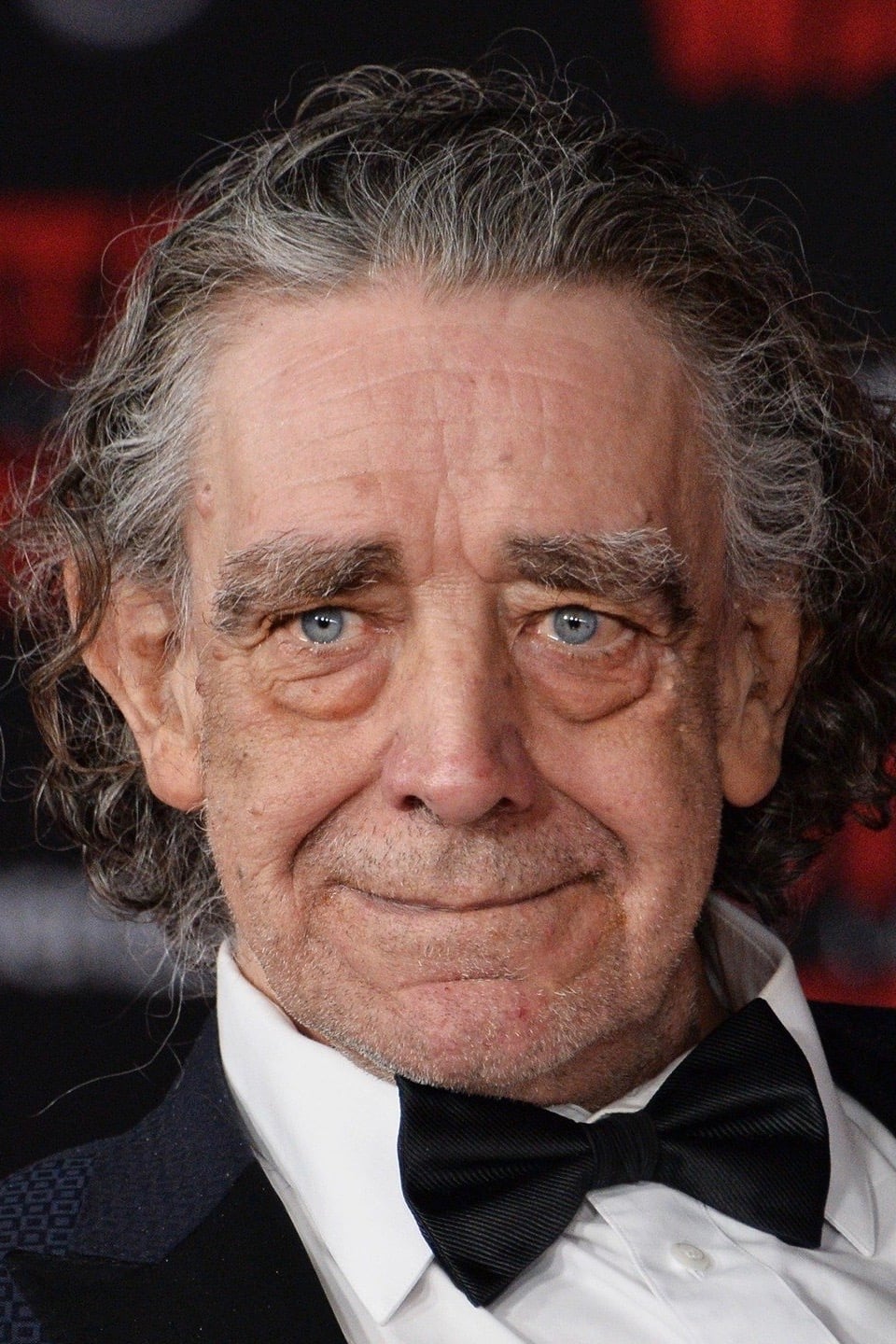
Still from Return of the Jedi (1983)
Film 3 of 9 · by Priya Nair

Return of the Jedi (1983): Cast, Plot and Ending Explained

Return of the Jedi (1983), directed by Richard Marquand, is the third Star Wars film in release order and Episode VI of the saga, and it closes the original trilogy. It reached US theaters on May 25, 1983, runs 132 minutes and earned $482.5 million worldwide on a $32.5 million budget. In the Star Wars movies in order sequence it sits third by release and ninth chronologically, after The Empire Strikes Back.

Image: TMDB
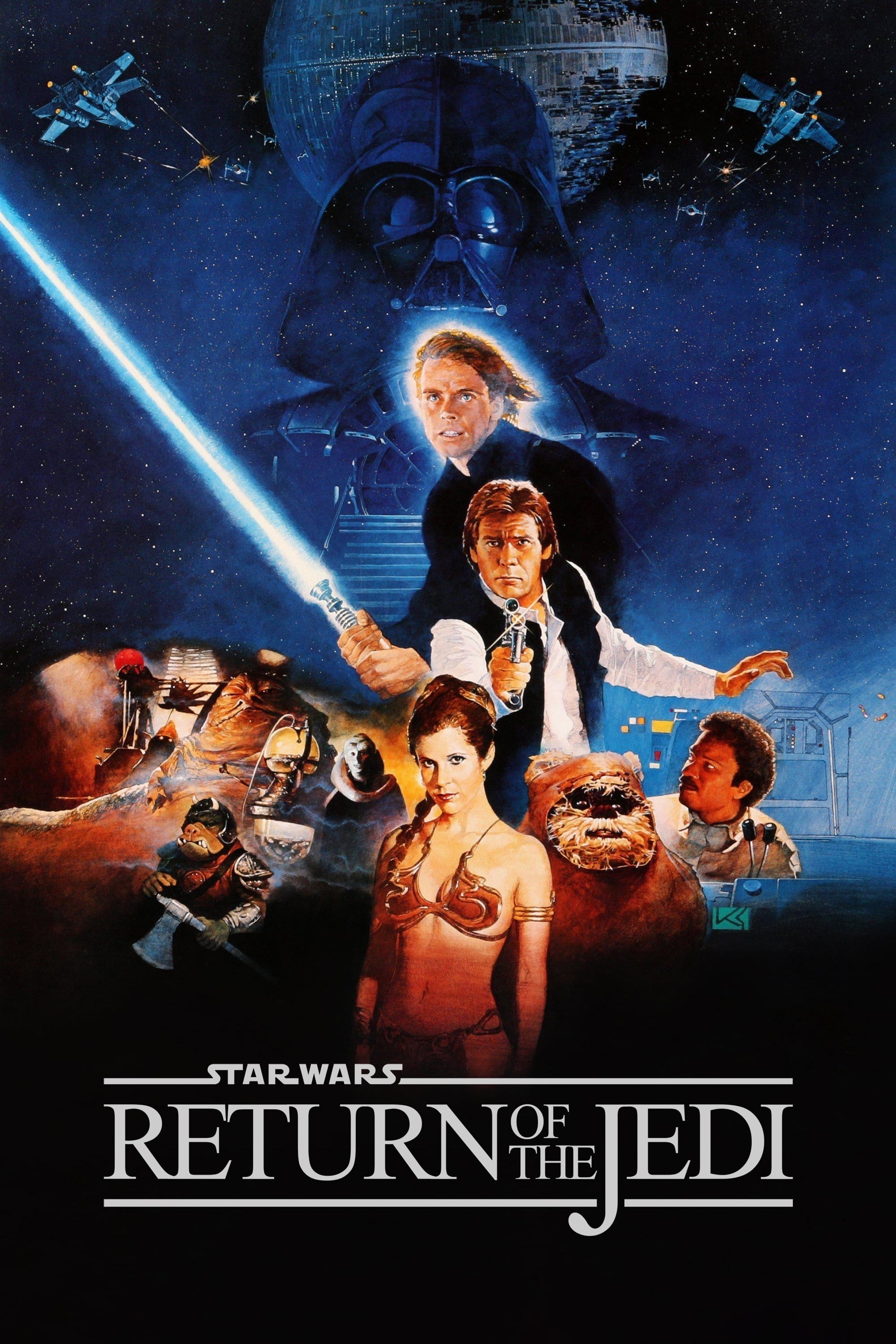
Return of the Jedi (1983) theatrical poster
US release
May 25, 1983
Runtime
2h 12m
Rating
PG / U / PG
Director
Richard Marquand
Budget
$33 million
Worldwide
$482 million

Return of the Jedi Trailer

Trailer

Star Wars starfighter trailer

What Is Return of the Jedi About?

Return of the Jedi is the story of Luke Skywalker, Princess Leia, Lando Calrissian, Chewbacca and the droids C-3PO and R2-D2 rescuing Han Solo from Jabba the Hutt, then helping the Rebel Alliance destroy the Empire's second Death Star. Han is still frozen in carbonite when the film opens, and the rescue plan nearly succeeds before the heroes are captured.

Leia ends up as Jabba's prisoner, and Luke, Han and Chewbacca are sentenced to be thrown into the maw of a desert pit monster, all while the Empire secretly builds its new battle station. The previous chapter is The Empire Strikes Back, and the full sequence of the saga is laid out in Star Wars movies in order.

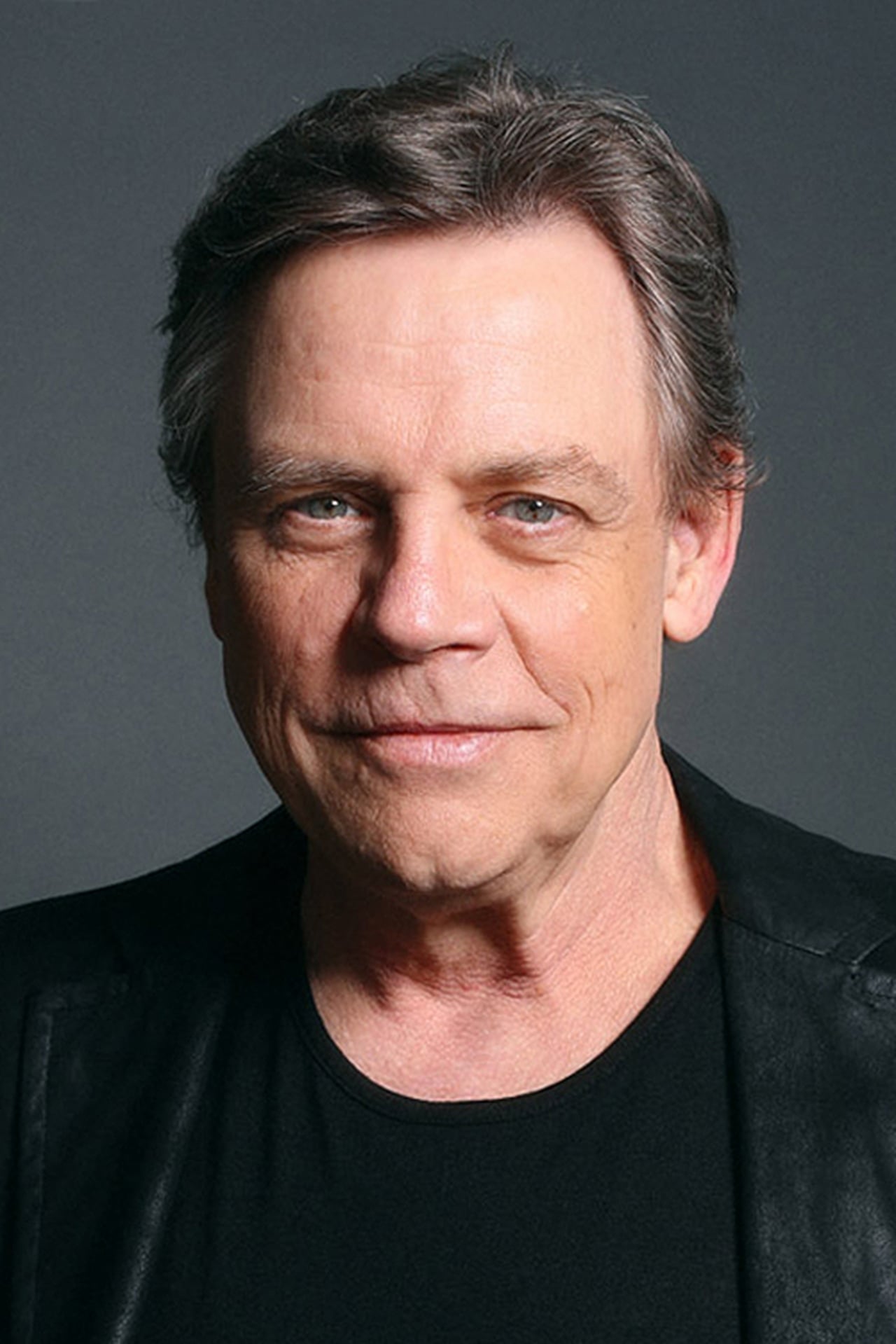
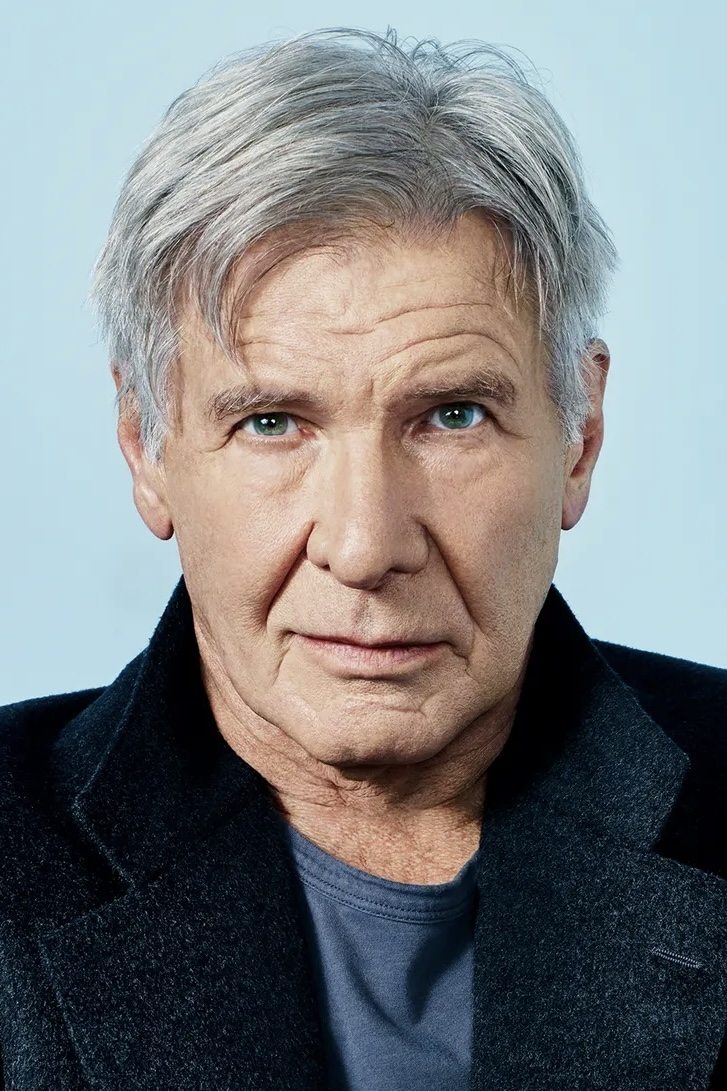
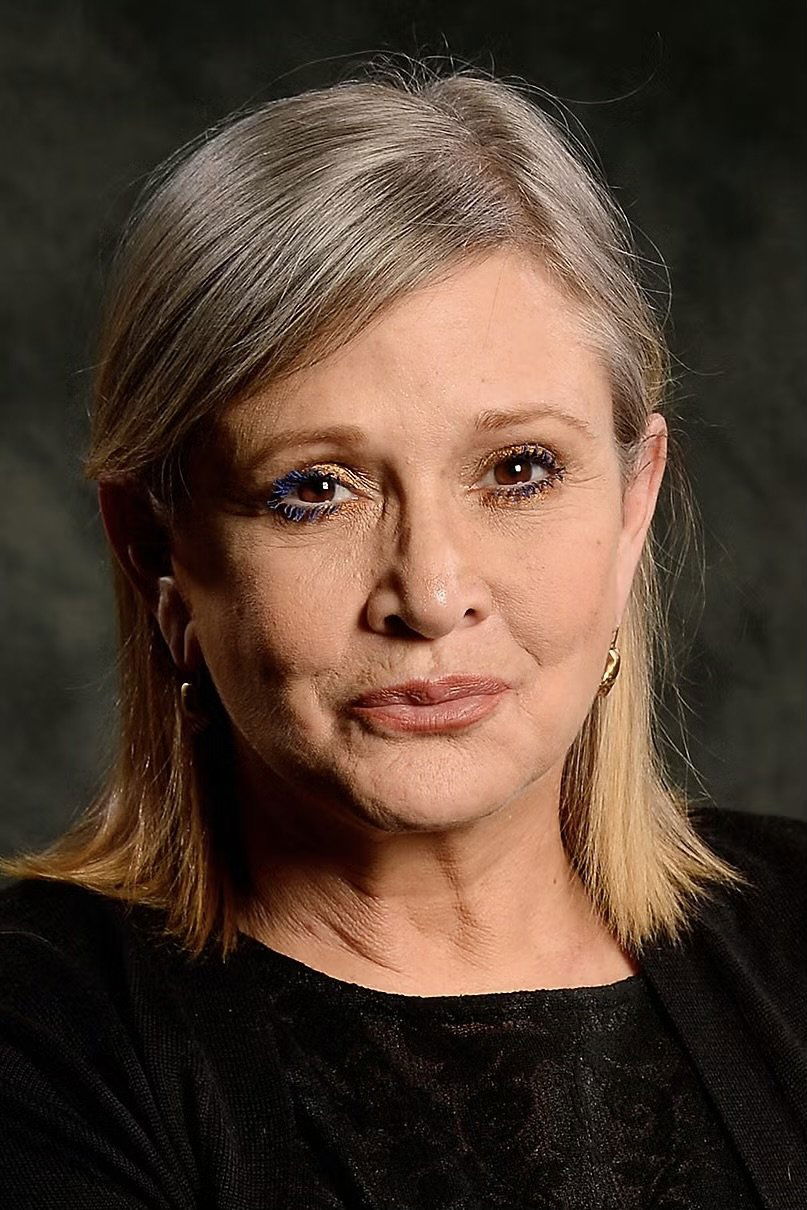
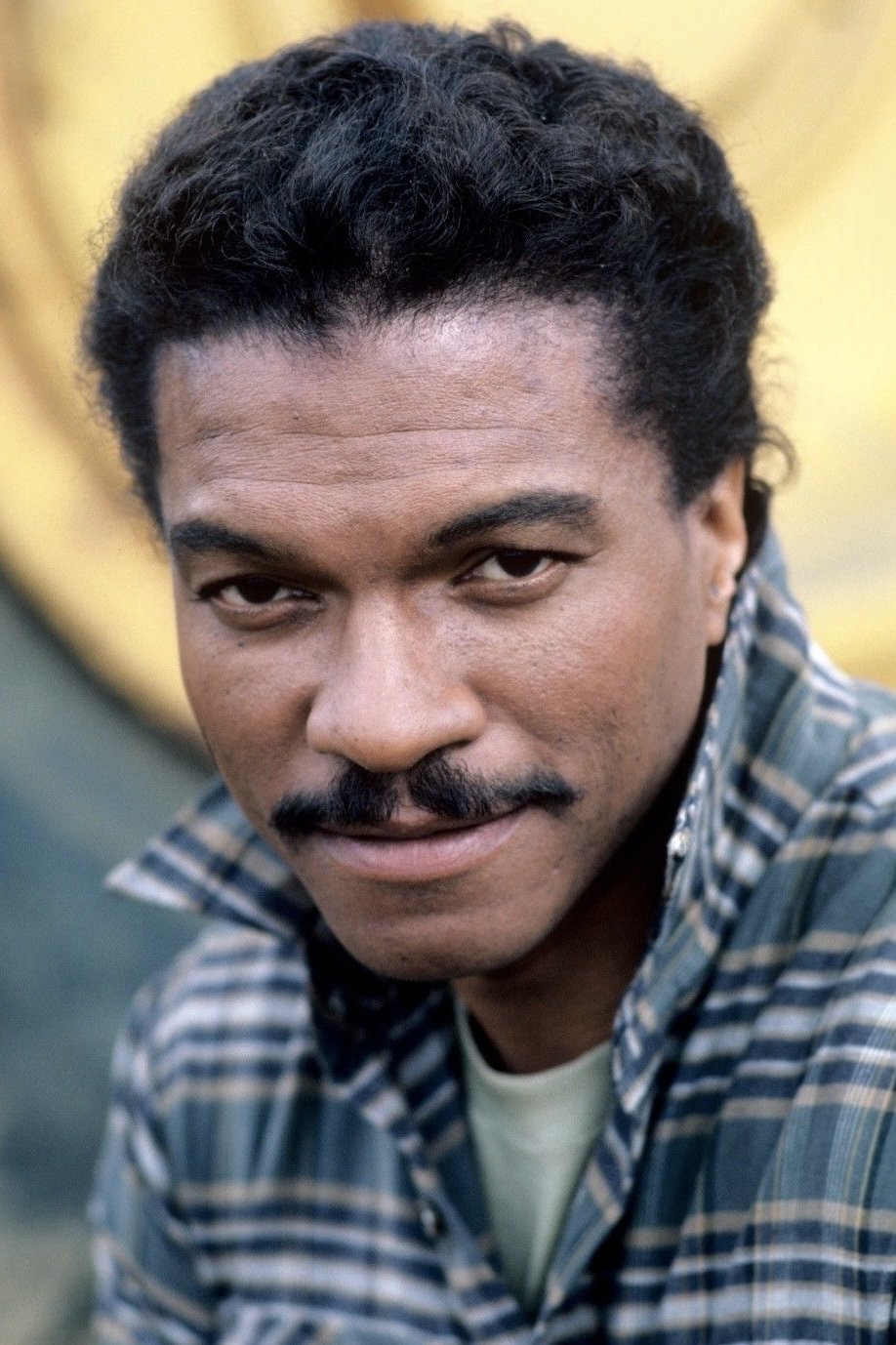
Return of the Jedi Cast and Characters

Star Wars cast

Also starring Kenny Baker (R2-D2 / Paploo), Michael Pennington (Moff Jerjerrod), Kenneth Colley (Admiral Piett).

Return of the Jedi Stills

Release Dates

MarketDateSource
USMay 25, 1983reportedthe-numbers.com
UKJune 2, 1983reportedthe-numbers.com
AUOctober 27, 1983reportedthe-numbers.com

Where to Watch Return of the Jedi

MarketSubscriptionRent or buy
USDisney Plus, Philo, AMCAmazon Video, Apple TV Store, Google Play Movies, YouTube, Fandango At Home
UKDisney PlusApple TV Store, Rakuten TV, Amazon Video, Sky Store, YouTube
AUDisney PlusApple TV Store, Amazon Video, YouTube, Fetch TV

Streaming availability data from JustWatch, checked 2026-11-02.

Who Directed Return of the Jedi?

DirectorRichard Marquand
WritersGeorge Lucas, Lawrence Kasdan
ProducersHoward G. Kazanjian
MusicJohn Williams
CinematographyAlec Mills

Box Office

Budget$33 million
Domestic (US and Canada)$317 million
International$166 million
Worldwide$482 million

Star Wars box office for every film.

Who Scored Return of the Jedi?

John Williams composed the score for Return of the Jedi, as he did for the other films in the original trilogy.

Composers and track titles for every film in the saga are collected under Star Wars soundtrack.

Star Wars: Return of the Jedi album cover

Star Wars: Return of the Jedi

Score album · RSO · 1983 · 11 tracks

Cover art via Cover Art Archive

Full tracklist

  1. 1Main Title (The Story Continues) · John Williams5:14
  2. 2Into the Trap · John Williams2:41
  3. 3Luke and Leia · John Williams4:51
  4. 4Parade of the Ewoks · John Williams3:28
  5. 5Han Solo Returns (At the Court of Jabba the Hutt) · John Williams4:14
  6. 6Lapti Nek (By Jabba's Palace Band) · John Williams2:53
  7. 7The Forest Battle · John Williams4:07
  8. 8Rebel Briefing · John Williams2:27
  9. 9The Emperor · John Williams2:46
  10. 10The Return of the Jedi · John Williams5:07
  11. 11Ewok Celebration and Finale · John Williams8:04

Sources: musicbrainz.org, themoviedb.org

Star Wars soundtrack

Return of the Jedi Plot: Full SummarySpoilers

In Return of the Jedi, Luke Skywalker and his allies rescue Han Solo from Jabba the Hutt, the Rebel Alliance destroys the second Death Star, and Darth Vader kills Emperor Palpatine to save Luke. The story begins in Jabba's palace, where Luke, Princess Leia, Lando Calrissian and the droids free Han, and Leia kills Jabba herself.

Luke then goes back to Dagobah to finish his Jedi training with Yoda, and there Yoda confirms that Darth Vader is Luke's father. Meanwhile the Rebel Alliance learns that a second Death Star is under construction near the forest moon of Endor. It is protected by a shield generator on the moon's surface, so a strike team led by Han and Leia lands on Endor, where they gain the help of the local Ewoks. Luke senses Vader's presence and gives himself up, hoping to turn his father back to the light.

Vader takes Luke to the Emperor, who tries to push Luke to the dark side. While the Rebel fleet attacks the Death Star, the ground team fights to bring down the shield. Luke duels Vader and refuses to kill him, even when he is pushed to anger. The Emperor attacks Luke with lightning, and Vader finally turns on his master and kills him, but Vader is fatally wounded in the act. He asks Luke to remove his mask and dies. The shield falls, and the Rebels destroy the Death Star.

Return of the Jedi Release Date and Premiere

Return of the Jedi was released in US theaters on May 25, 1983, in the UK on June 2, 1983 and in Australia on October 27, 1983, according to The Numbers.

The film carries a PG certification in the US and Australia and a U in the UK, and its runtime is 132 minutes. That makes it a little shorter than a double feature but long enough to hold a rescue, a forest battle and a space battle without feeling rushed.

Return of the Jedi Ending ExplainedSpoilers

In the ending of Return of the Jedi, Darth Vader kills Emperor Palpatine to save Luke Skywalker, the Rebels destroy the second Death Star, and Luke sees the Force spirits of Obi-Wan Kenobi, Yoda and the redeemed Anakin Skywalker watching over his friends. The ending resolves two stories at the same moment: Luke's choice about his father, and the Rebel attack on the second Death Star. Vader dies after saving Luke, and Luke takes his body away and honors him with a funeral pyre. The Emperor dies with the Death Star, celebrations break out across the galaxy and on Endor, and the original trilogy closes with the Empire broken.

What does the ending actually mean? In my opinion, the key moment is not the explosion but the duel, where Luke refuses to kill Vader even when he is pushed to anger. The film wins its war by having its hero decline the usual victory, and Vader's turn on the Emperor only works because of that refusal. The battle around the Death Star and the ground fight on Endor keep the stakes physical while the throne room scene carries the argument.

The last image is a quiet one. Anakin appears among the spirits as himself and not as the masked figure, which tells the audience how the film wants Vader to be remembered.

How it compares with the other films in the series is part of the reading. The first Death Star belongs to Star Wars, the first film in release order, and the second is a deliberately repeated target here; I take that as a way of showing how far Luke has moved from the farm boy who first aimed at it. The Empire Strikes Back is the film released between them, and Return of the Jedi opens with Han still frozen in carbonite, so its first act has to clear that situation before the main story can move. In my opinion that is why the Jabba's palace sequence reads as a debt being paid. Finally, The Phantom Menace is the next film in release order but the first chronologically, with this film ninth in story order, so a viewer following chronology reaches Anakin's appearance among the spirits at the end of a much longer arc. If you want to see where the story goes next in release order, continue with The Phantom Menace.

Where Was Return of the Jedi Filmed?

Return of the Jedi was filmed mainly at Elstree Studios in England and at several locations in California and Arizona. Filming ran from January 11 to May 20, 1982, and the first 78 days were at Elstree using all nine sound stages.

The main locations were:

  • Elstree Studios, England, for the first 78 days of shooting.
  • The Yuma Desert area, Arizona and California, for the Tatooine exteriors.
  • Redwood forests near Smith River and Crescent City, California, for the Endor forest.
  • Industrial Light & Magic, San Rafael, California, for bluescreen effects shots.
  • Death Valley, California, for background plates.
  • Skywalker Ranch, California, for Vader's funeral.

The production also used the cover title Blue Harvest while it shot its first major US exteriors, according to Lucasfilm's Blue Harvest crew cap history.

Return of the Jedi Trivia

Return of the Jedi was shot under the cover title Blue Harvest, was financed personally by George Lucas, and was briefly titled Revenge of the Jedi. Those three details explain much of the film's unusual path to the screen.

  • The cover title Blue Harvest was coined by co-producer Jim Bloom to hide the film while it shot its first major US exteriors.
  • George Lucas did not direct the film. Richard Marquand was hired after Steven Spielberg was blocked by a Directors Guild dispute.
  • The film was briefly titled Revenge of the Jedi before Lucas changed it back.
  • Filming ran from January 11 to May 20, 1982, with the first 78 days at Elstree Studios.
  • Warwick Davis replaced Kenny Baker as the Ewok Wicket after Baker fell ill.
  • It was the first film shown with Lucasfilm's THX sound system, at four US theaters, and Industrial Light & Magic made about 900 effects shots.

The earnings of this film set against the rest of the saga are covered under Star Wars box office.

Facts

FAQs

Where was Return of the Jedi filmed?

Return of the Jedi was filmed at Elstree Studios in England, which hosted the first 78 days of shooting, and at locations in California and Arizona. The Yuma Desert area stood in for Tatooine, redwood forests near Smith River and Crescent City became Endor, and Death Valley and Skywalker Ranch were also used.

What does Yoda say before dying?

In his scene on Dagobah, Yoda confirms to Luke Skywalker that Darth Vader is his father. Luke later sees Yoda among the Force spirits at the end of the film, alongside Obi-Wan Kenobi and Anakin Skywalker.

Was Return of the Jedi a good movie?

Return of the Jedi was a commercial success, earning $482.5 million worldwide on a $32.5 million budget, nearly 15 times its cost. The total splits into $316.6 million domestic and $165.9 million international, according to Box Office Mojo.

What was Star Wars 6 originally called?

Star Wars 6, Return of the Jedi, was briefly titled Revenge of the Jedi before George Lucas changed it back. During production it also shot under the cover title Blue Harvest, coined by co-producer Jim Bloom, to hide the film while it shot its first major US exteriors.

What is George Lucas's biggest regret about Star Wars?

No single biggest regret about Star Wars is attributed to George Lucas in the published history of Return of the Jedi. The documented production facts are that Lucas personally financed the film and did not direct it, and that Richard Marquand was hired after Steven Spielberg was blocked by a Directors Guild dispute. Those are production facts, not confessions of regret.

Where can you watch Return of the Jedi?

As of November 2, 2026, Return of the Jedi streams on Disney+ in the US, GB and Australia, according to JustWatch data via TMDB. In the US it is also on Philo and AMC, and it can be rented or bought from digital stores. Streaming options for the rest of the saga are collected under where to watch Star Wars.