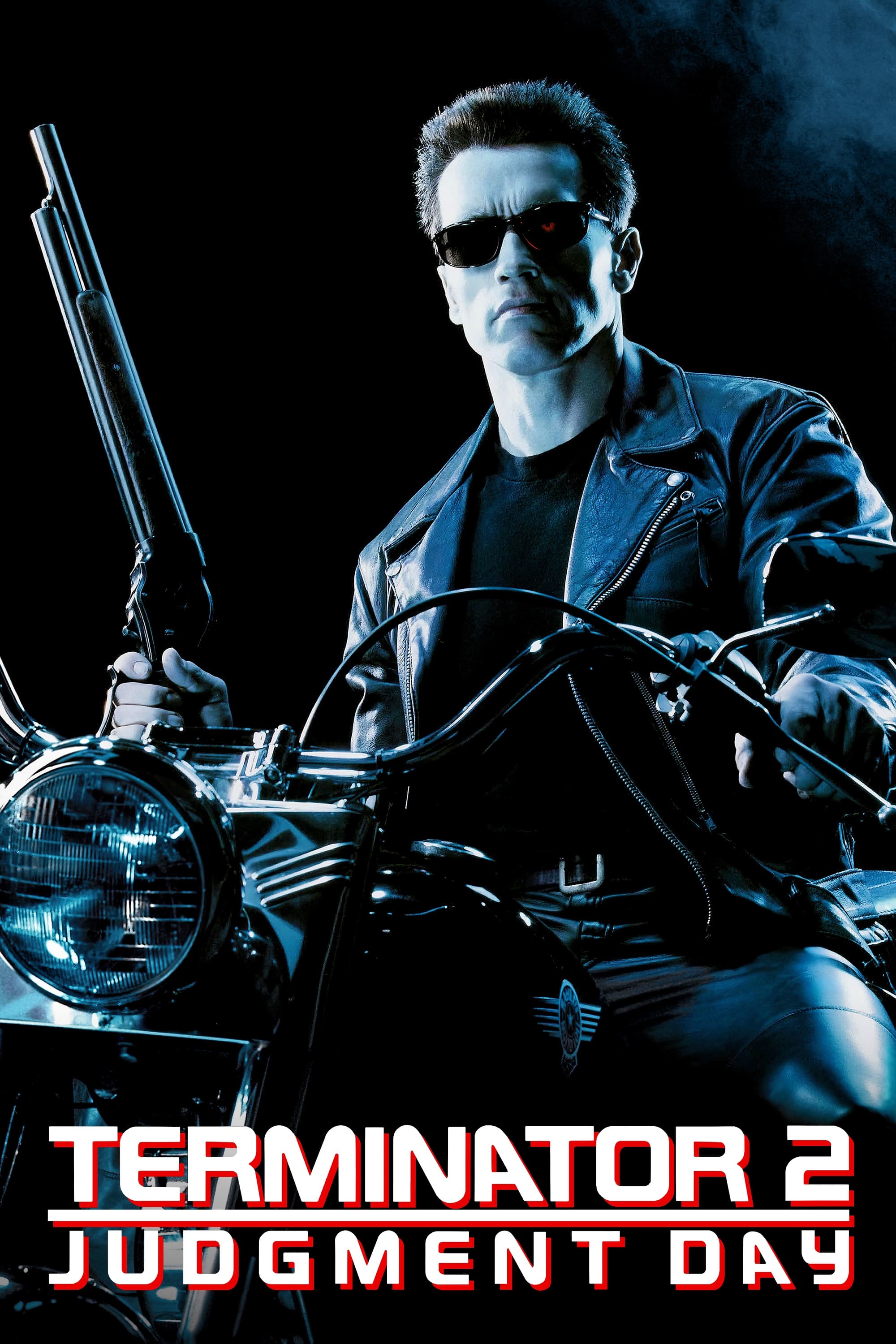
The ending of Terminator 2 destroys both Terminators and the Cyberdyne research, but it never confirms that Judgment Day has been prevented. That distinction is the whole point of the final scene.
In the steel mill, Sarah and the reactivated T-800 push the T-1000 into the molten steel, and the leftover Terminator parts are thrown in after it. John throws in the old Terminator's arm and chip himself. The T-800 then argues that it must also be destroyed so its technology can never help build Skynet, even though John is in tears and does not want to lose it. Sarah lowers it into the vat, and it gives a thumbs up as it sinks.
The ending removes every physical piece of evidence that could feed Skynet's creation: the chip, the arm and the Cyberdyne research. The sequence is built in order. Dyson realizes his work is based on parts of the first Terminator, he helps the group take those parts and set explosives at Cyberdyne, and he sets them off as police shoot him. The mill then finishes what Cyberdyne started. In my opinion, that makes the heroes act on the cause rather than the symptom, which is a careful piece of plotting for the series.
The last shot still refuses to promise success. Sarah drives down a highway with John and feels hope for an unknown future, which leaves the future open instead of fixed. That is a sharper question than the one the first film closed on, because the sequel's characters now choose to change events instead of only surviving them.
The choice to destroy the T-800 carries the emotional weight. It is the same machine John ordered not to kill people, and its last act is to insist on its own destruction, with a thumbs up as the steel closes over it. Whether that was enough is left to the next film, Terminator 3: Rise of the Machines.
If you want to see where the story began, watch The Terminator.