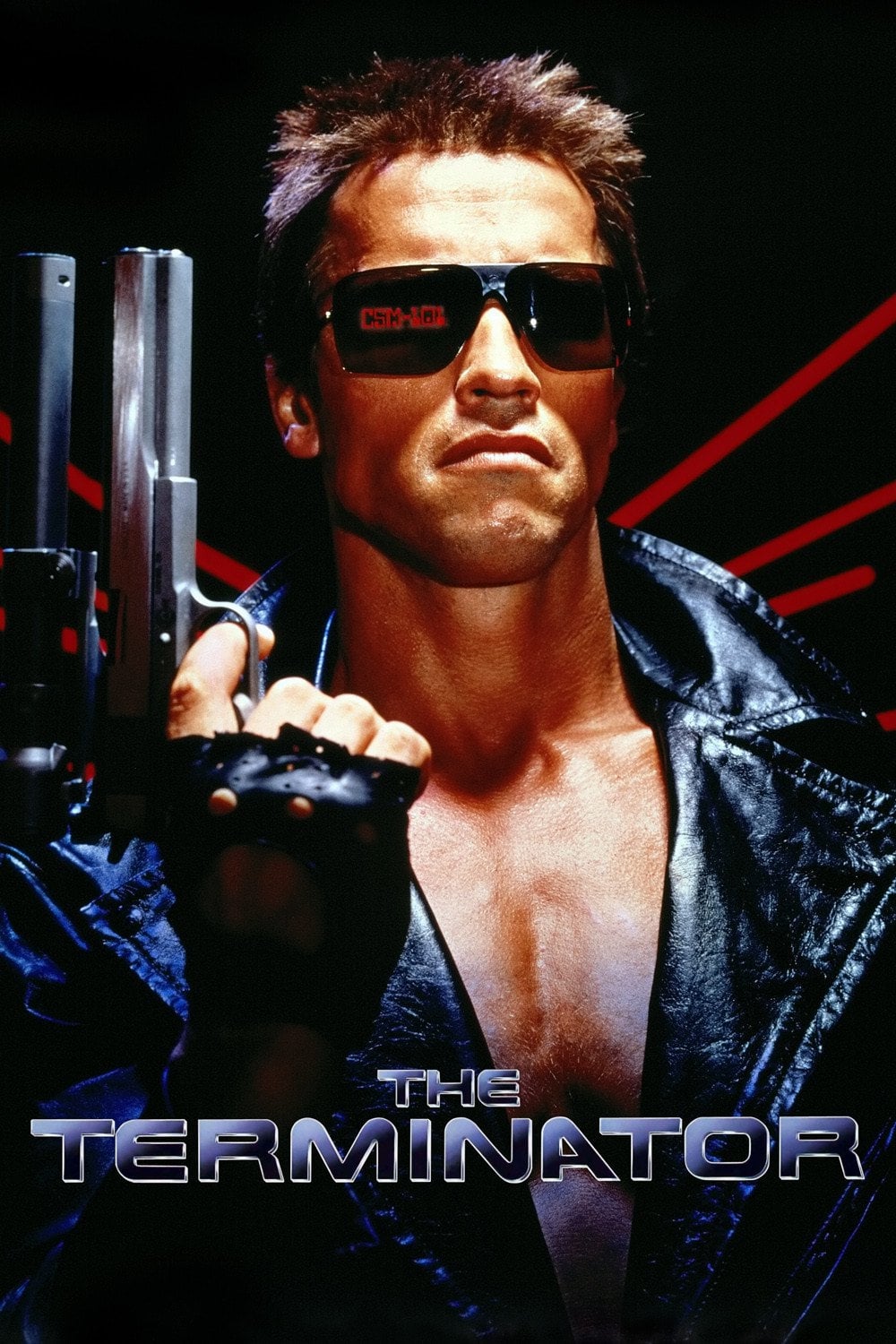
The ending of The Terminator (1984) shows that Kyle Reese, sent back to protect Sarah Connor, fathers her son John, so the future she is fighting to prevent is partly set in motion by the resistance's own plan. Reese is killed in the factory fight, Sarah finishes off the machine and survives, and she is pregnant with John. The resistance sends Reese back, and Reese then fathers the leader the resistance needs.
The photograph closes that loop. A boy takes an instant photo of Sarah in Mexico, and it is the same photo John will later give to Reese. The image Reese carries into the past exists only because he goes there. That makes it the film's tidiest piece of time travel logic, since nothing needs to be changed for the story to make sense.
The film never shows Reese learning that he is John's father, so there is no on-screen sign that he knew.
The final act is built from three physical stages. The machine first attacks the station where Sarah is held, then survives until it is stripped down to a bare metal frame, and finally dies in the factory where Reese gives his life. Those frame scenes are the stop-motion work by Gene Warren Jr.'s company, and Stan Winston led the wider Terminator effects. On a $6.4 million budget, according to The Numbers, the film leans on those handmade effects rather than spectacle, which in my opinion gives the factory fight its weight.
Sarah's tapes for her unborn son show her turning from a waitress into a mother preparing for a war. The closing shot of her driving toward a storm leaves the war with Skynet unresolved and sets up a sequel. That being said, the film does not tell you whether the machine's defeat changes the future at all, which is the question Terminator 2: Judgment Day picks up.
A comparison across the series shows how unusual this ending is. Terminator 2: Judgment Day is the second film and Terminator 3: Rise of the Machines is the third, and both follow a closing image of one woman alone on a road with a war still ahead of her. In my opinion, the later entries, through Terminator Salvation, Terminator Genisys and Terminator: Dark Fate, all inherit that open question from this film, because the first film never says whether the future can be changed.