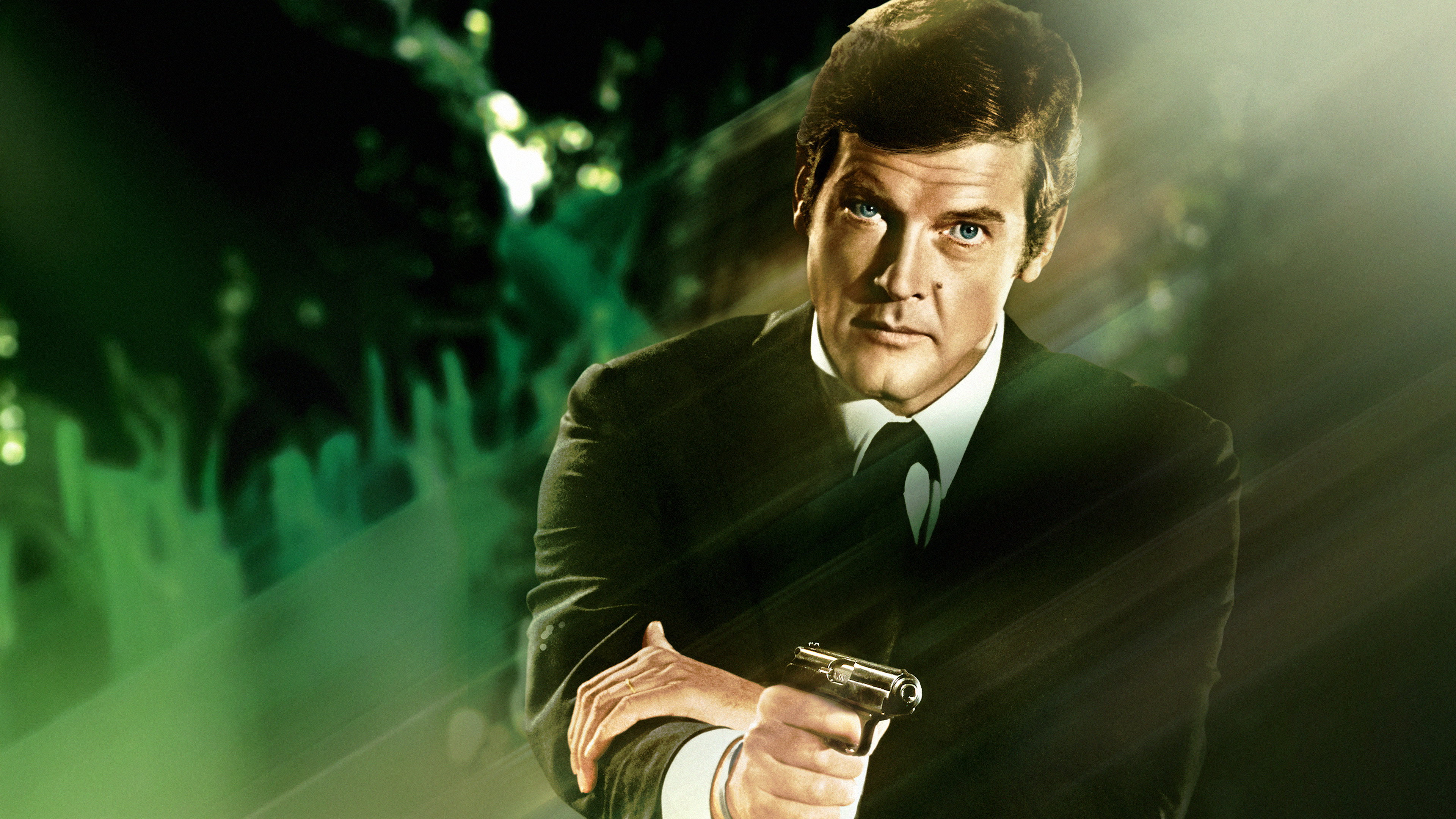
At the end of Live and Let Die, Bond destroys Kananga's poppy crop, kills him with a compressed gas pellet, and defeats Tee Hee on the train to New York while Baron Samedi laughs on the front of the train. Solitaire is safe beside Bond, and the drug plan is finished.
The finale works in three steps. First, Bond burns the San Monique poppy fields with explosives, which removes the raw material for Kananga's plan to give heroin away free and ruin rival dealers. Second, he frees Solitaire from the planned voodoo sacrifice, and in the last fight he forces Kananga to swallow the gas pellet, so Kananga swells up and bursts. Third, the story leaves San Monique and returns to a train bound for New York, where Tee Hee attacks and is beaten.
What does the final shot mean? Baron Samedi is seen laughing on the front of the train, which hints that the voodoo figure is still around. Marcus Reyes reads the shot as a joke at the villain's expense and as a wink to the audience, because the film never settles whether Samedi is a man or a legend. That is opinion, but the staging supports it: Kananga is dead, yet the laugh keeps the voodoo atmosphere alive after the villain is gone.
The ending is also self contained. The film does not set up a specific next mission, so it closes on a train, a fight and a laugh rather than on a teaser. In opinion, that makes it a clean handoff in the series: the film before it, Diamonds Are Forever, and the film after it, The Man with the Golden Gun, are linked to it only by Bond himself and by the returning M and Miss Moneypenny, played by Bernard Lee and Lois Maxwell. Its local, street-level drug plot, centered on Harlem and a Caribbean island, is the story, and nothing at the end points beyond it.