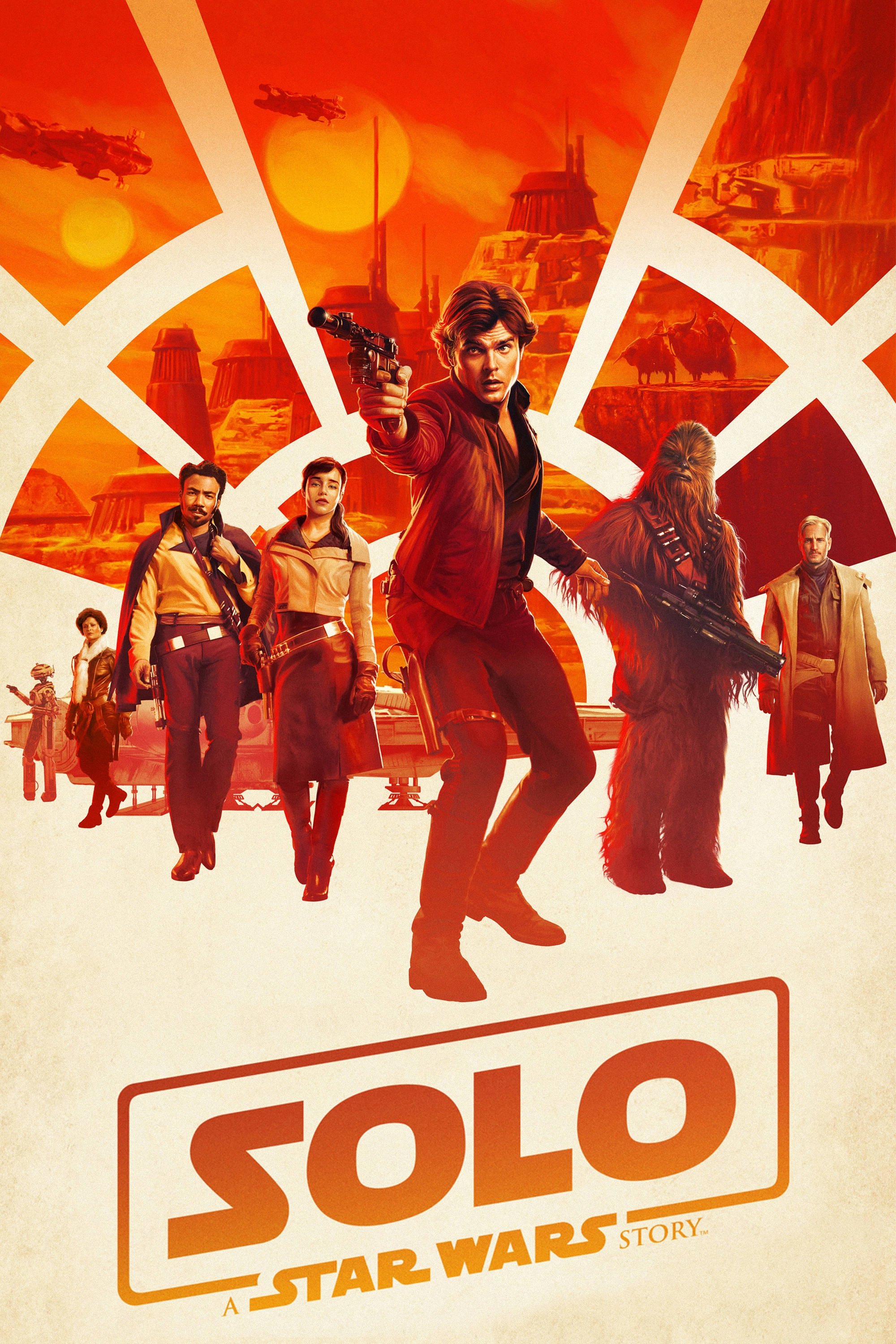
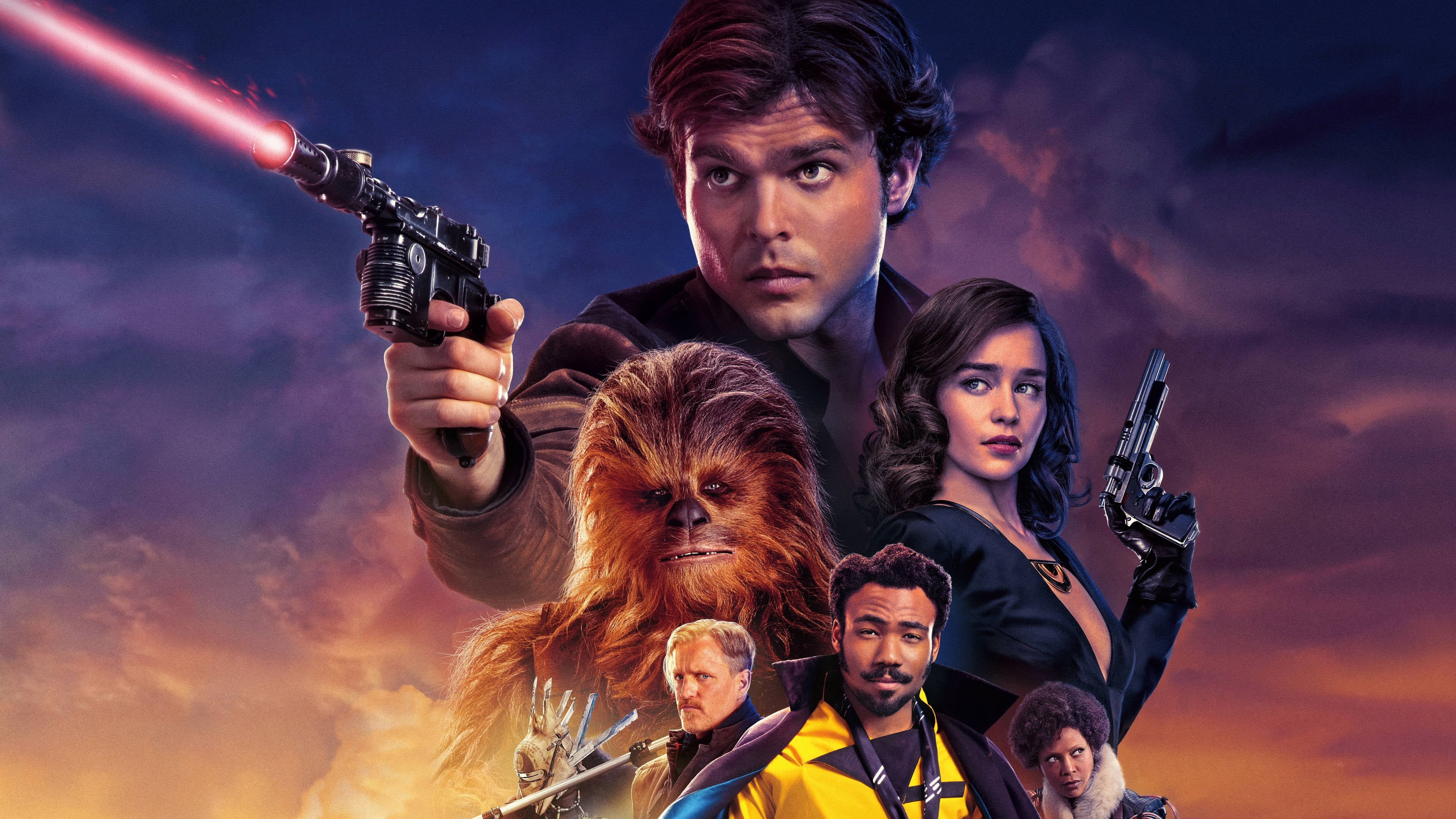
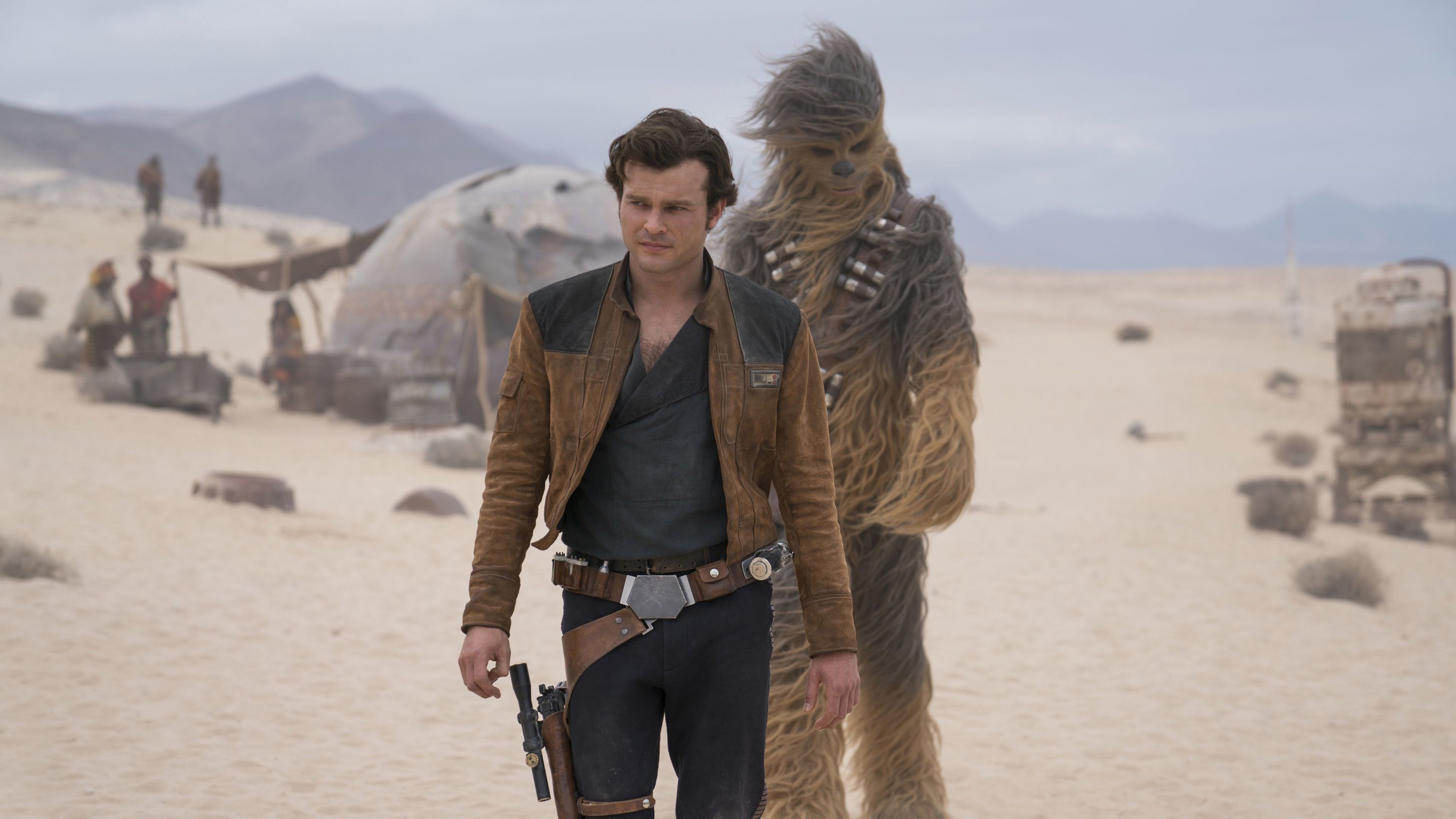
The ending of Solo: A Star Wars Story leaves Han Solo free of his debt, with the Millennium Falcon back in his hands, while Qi'ra takes over Dryden Vos's role and contacts Darth Maul.
The facts first. After the double cross, Dryden Vos and Tobias Beckett are both dead. Han hands the coaxium to Enfys Nest's rebels, and she offers him a place in her rebellion, which he declines. He wins the Falcon from Lando Calrissian in a second card game and, hearing that a crime lord is gathering a crew, he heads to Tatooine to work for Jabba the Hutt.
Does Darth Maul appear in Solo? Yes, at the very end, when Qi'ra contacts him and he appears on a hologram. Solo has no post credit scene, and the Maul reveal comes before the credits, so there is nothing to wait for once the screen goes dark.
Why does Han refuse Enfys? In my opinion, the refusal fits a character who has just learned that trusting a mentor like Beckett can end in a gunshot, so he stays a freelancer. It could be argued that the offer also mirrors Chewbacca's loyalty, since Han already has one partner he chose himself.
Did Qi'ra actually love Han? The film shows her caught at the Corellia checkpoint, later serving as Dryden's lieutenant, joining the Kessel job and killing Dryden. Perhaps the most honest reading is that her feeling for Han is real and mixed with self preservation, though the film never states her motive outright, so I would not call it settled.
How does this ending compare with other films in the series? In my opinion, the sharpest contrast is with Rogue One, the other spin-off in the chronological run, which comes immediately after Solo at sixth. Rogue One is a self contained mission story, while Solo closes with its lead alive, out of debt and pointed at Tatooine, so the story hands off to later adventures instead of sealing itself.
Next to Revenge of the Sith, the main series film just before it in chronology, Solo is a much smaller crime story. Its stakes are a smuggler's debt to Dryden Vos, Beckett's betrayal and Enfys Nest's stolen coaxium, not the fate of a galaxy.
In release order, Solo arrives between The Last Jedi, tenth, and The Rise of Skywalker, twelfth. Both are main series films, so in my opinion Solo is the one entry in that stretch that ends on an open invitation to later stories instead of continuing a numbered saga.
The ending also sets up the years before the original trilogy. Solo sits fifth in chronological order, counting The Clone Wars (2008) film, and the original Star Wars sits seventh, with Rogue One between them. That is why the trip to Tatooine reads as a bridge rather than a finish.