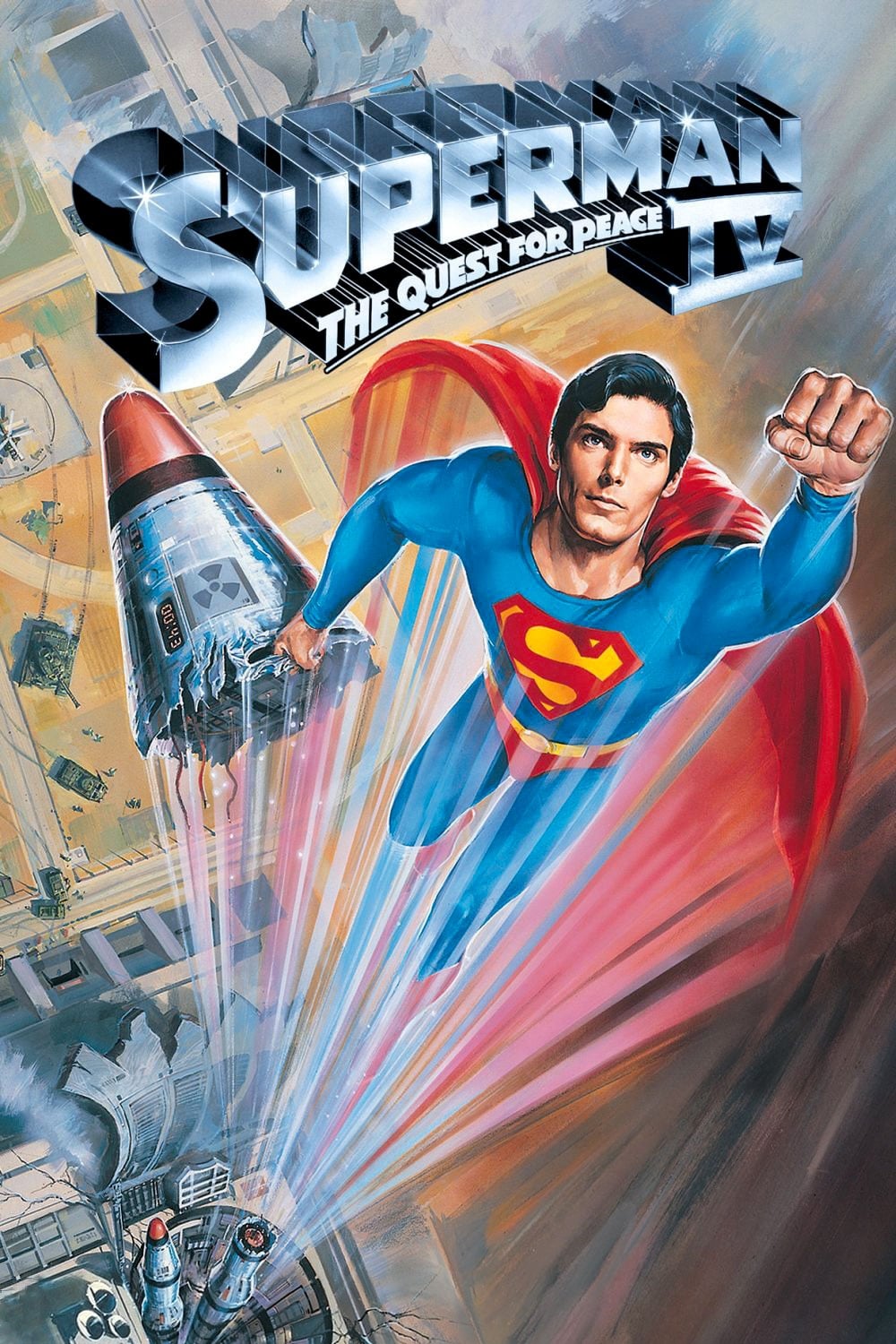
At the end of Superman IV: The Quest for Peace, Superman eclipses the Sun to defeat Nuclear Man, saves Lacy Warfield, returns Lex Luthor to prison and tells the world that peace will not come overnight. The step by step version of the final act is in the full plot above.
The loose ends are tied quickly. Superman traps Nuclear Man in the core of a nuclear power plant, Perry White gets a loan and regains control of the Daily Planet with Warfield left holding a minority stake, and Lenny Luthor is placed in Boys Town.
This is Cinvibe's reading, and it is opinion rather than a stated fact of the film. The closing speech is a smaller promise than the one made at the United Nations, where Superman vowed to remove all nuclear weapons. He ends by saying he will keep working toward peace, which settles the immediate threat while leaving the larger problem open.
The film also gives the villain's origin an awkward symmetry. Lex Luthor builds the genetic matrix from Superman's hair and fixes it to a missile, but it is Superman who throws that missile into the Sun, so his own attempt at a fix is what produces Nuclear Man. Seen that way, the defeat of the villain is as much a clean up as a victory.
The Sun does double duty in the finale. Nuclear Man draws strength from sunlight and weakens without it, so the Moon-shoving eclipse is the one move that turns his power source against him, after the Moon fight in which he beat Superman down and carried Lacy into space. The earlier New York sequence, where Superman stops him from hurling the Statue of Liberty at Metropolis, shows the same pattern: Superman wins by limiting what the villain can do, not by out-hitting him. The poisoned wound from Nuclear Man's toxic claws, healed only by the one-use Kryptonian energy module that Lara warned him about, is the film's cost for the promise made at the United Nations: the module is spent on Superman himself, not on the arms race.
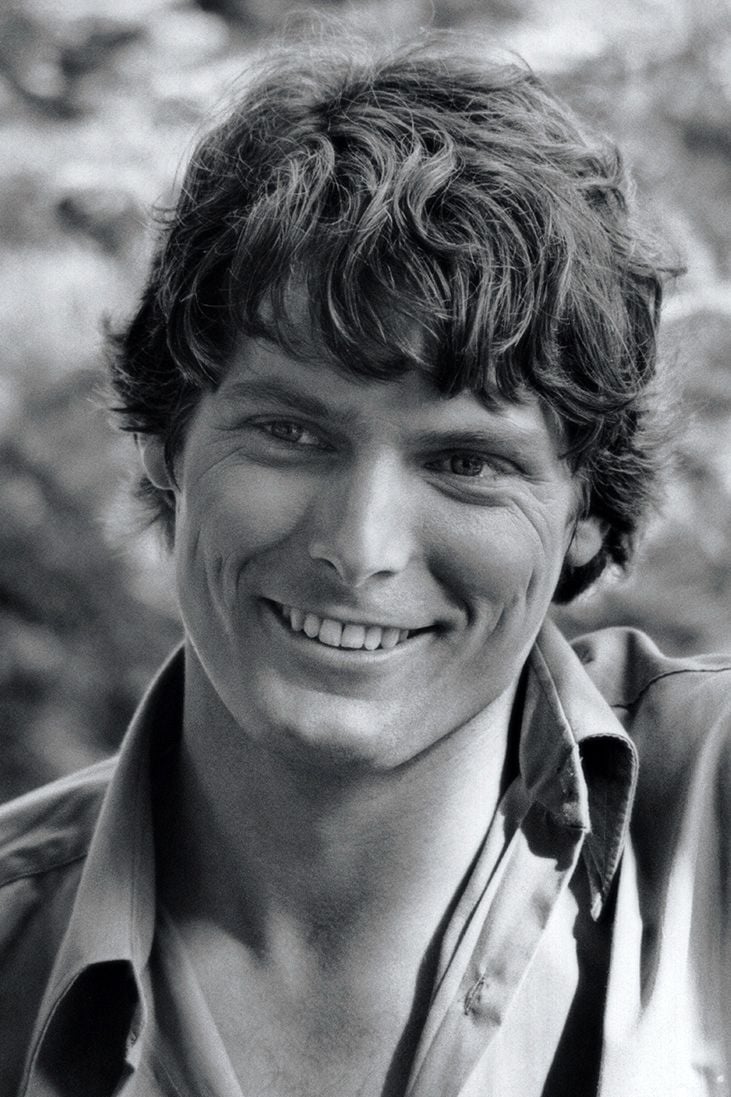
The ending also reads differently next to the rest of the series. Christopher Reeve, who stars in Superman (1978) under director Richard Donner, holds a story credit here alongside Lawrence Konner and Mark Rosenthal, so the disarmament message carries his name on the story. In Cinvibe's opinion, that makes the quiet last speech more personal than a typical sequel sign-off. Production context points the other way: the film was made by The Cannon Group on a $17 million budget, moved to Elstree Studios, and runs 90 minutes, and Metropolis was built from real locations such as Milton Keynes for the Daily Planet interiors and the United Nations exteriors, and Aldwych tube station for the subway scene.
It was also the last film in the original series, and the next film in release order is Superman Returns.