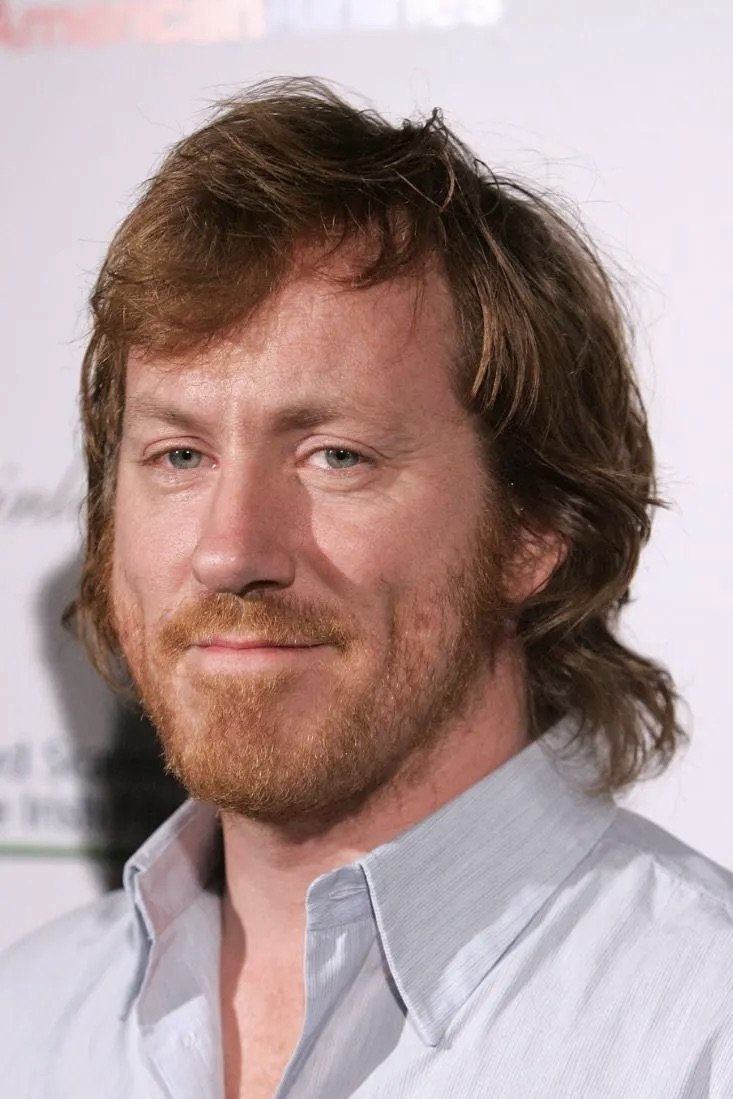
David Holmes composed the score for Ocean's Eleven (2001), and across the franchise three composers have scored the films: Nelson Riddle, David Holmes and Daniel Pemberton. David Holmes stayed with the series for Ocean's Twelve (2004) and Ocean's Thirteen (2007), so the answer to "who did the soundtrack" depends on which film you mean.
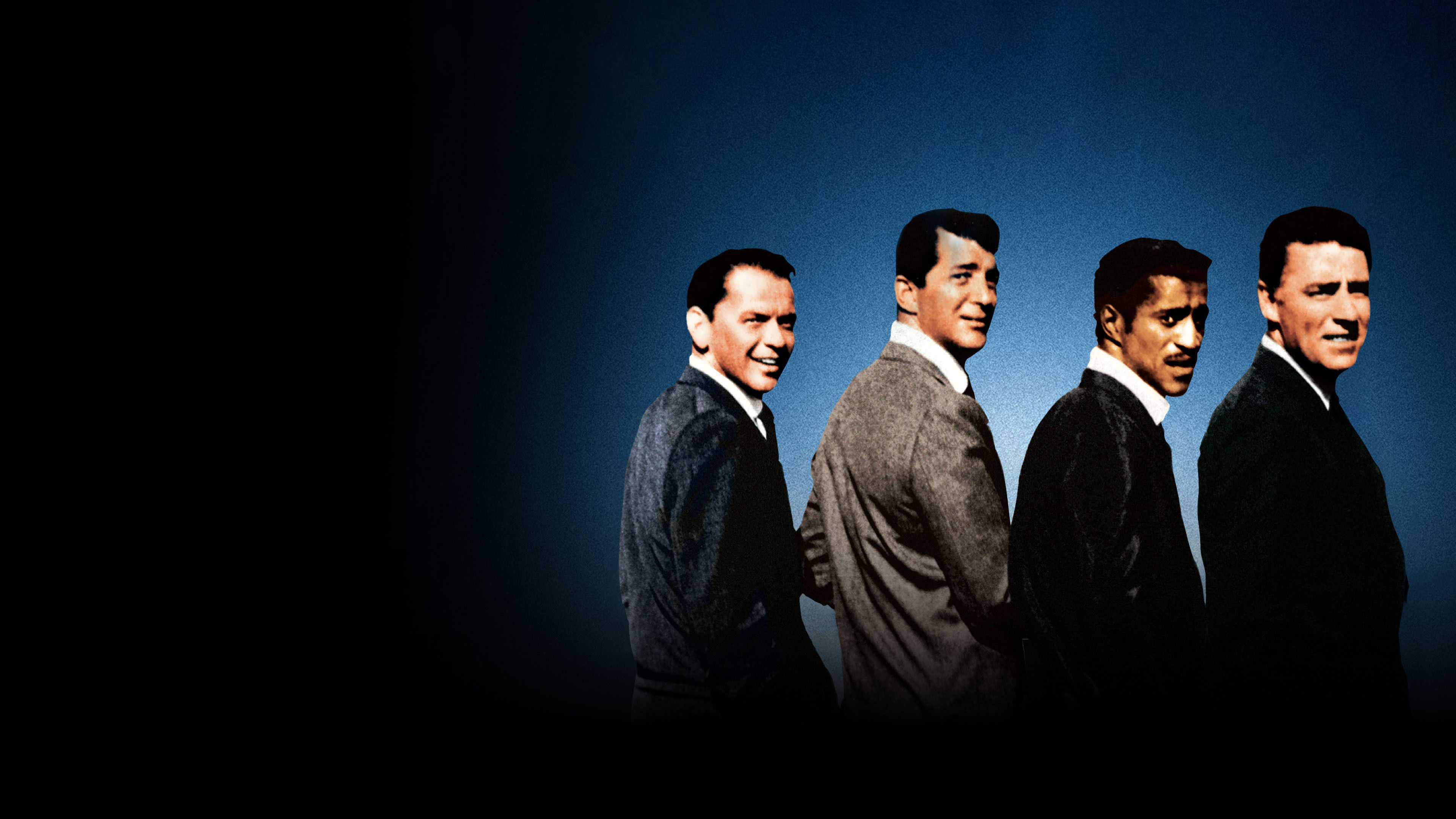
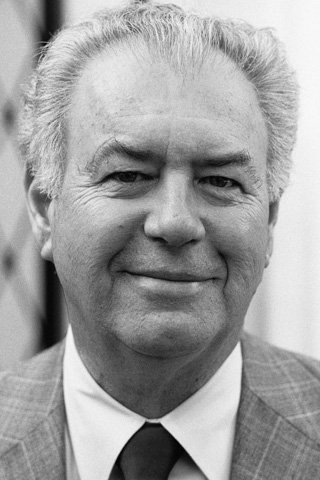
Nelson Riddle scored Ocean's Eleven (1960), directed by Lewis Milestone, who also produced it. Turner Classic Movies credits Nelson Riddle with the music and also reports that Milestone had difficulty with Frank Sinatra on set. The story is about ten former airborne comrades who plan to rob five Las Vegas casinos (the Sahara, Riviera, Desert Inn, Sands and Flamingo) at the same moment on New Year's Eve. In the setup, one of the crew performs in a hotel lounge, and the film's best known vocal moment is Is Not That a Kick in the Head, sung by Dean Martin as his character Sam Harmon. The film also carries EEE-O-11 by Sammy Davis Jr. In my opinion, putting songs from the cast into a picture about entertainers working Las Vegas rooms is the 1960 film's smartest musical decision, because the music and the setting come from the same place. Wikipedia also records that Saul Bass made the titles and that Frank Sinatra Jr. described night shooting at the Las Vegas hotels, so the picture was built around the city after dark.
David Holmes took over the sound when the story was remade in 2001, and he is credited as composer on all three Soderbergh films: Ocean's Eleven (2001), Ocean's Twelve (2004) and Ocean's Thirteen (2007). His own cues Boobytrappin, The Plans and Lyman Zerga appear on the 2001 soundtrack album, and his track Gritty Shaker is among the notable music in the film, so David Holmes is heard as a song contributor as well as a score writer. Compare that with 1960: Nelson Riddle's film leans on vocalists from the cast, while the 2001 film, whose plan is timed for a big boxing match night at a vault shared by three casinos, mixes a composer's own tracks with Elvis Presley, Berlin and Norman Greenbaum. That palette runs from pop to rock, and Moon River by Liberace adds a very different color. Box Office Mojo lists the film's budget at $85 million, and the licensed songs sit inside a production that Wikipedia says had access to the Bellagio.
Quincy Jones is a name that turns up in searches for this series, but the documented link is thin. He is credited on track 15 of the 2001 album, Blues in the Night, and that is the only connection to the Ocean's films that turned up. No sourced evidence shows that he scored any of them. The Ocean's Twelve soundtrack page mentions him only in a reviewer's comparison, which likens that album's precision to his score for The Italian Job, and it does not describe any work by him on an Ocean's film.
Ocean's Twelve (2004) moves the crew to Europe, where Terry Benedict demands his money back and a Europol detective, Isabel Lahiri, closes in. David Holmes stays on as composer, and the notable songs shift to Italian and European tracks. Ocean's Thirteen (2007) returns to Las Vegas, where Danny Ocean's crew targets Willy Bank's grand opening, and it was presented out of competition at Cannes on May 24, 2007. No notable songs are documented for it, so David Holmes's score is the sound most associated with that film.
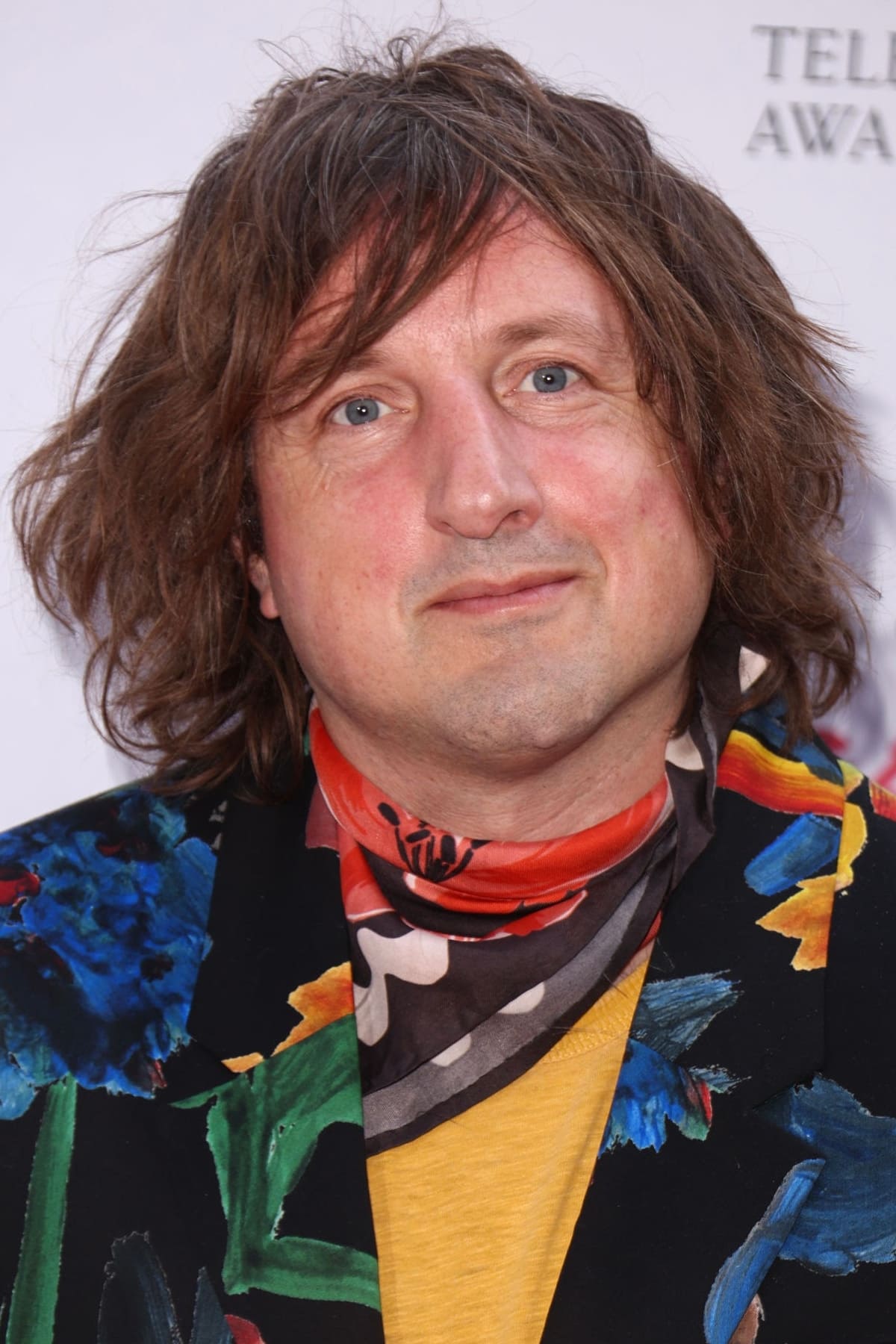
Daniel Pemberton scored Ocean's Eight (2018), directed by Gary Ross, which follows Debbie Ocean (Sandra Bullock) and her crew at the Met Gala. Screen Global Production reports an overnight shoot at the Met, and the production designer told the Motion Picture Association about a Temple of Dendur dinner set. The film has a score album, Ocean's 8, released by WaterTower Music, and Daniel Pemberton wrote the score and produced the album. Its 24 tracks are all by Daniel Pemberton, with titles that read like heist stages, including Hacking the Met and The Actual Heist. The score was recorded and mixed by Sam Okell at Power Station Studio in New York, mixed at Electric Lady Studios in New York and Abbey Road Studios in London, and mastered by Alex Wharton at Abbey Road. Where the Soderbergh trilogy is known for one composer plus a changing list of songs, Eight is the only entry whose notable music is entirely its own score, which is an observation about the documented tracks, not a ranking.
So, if you want one composer to follow through the main saga, start with David Holmes. For the spin-off sound, go to Daniel Pemberton, and for the Rat Pack era, go to Nelson Riddle.