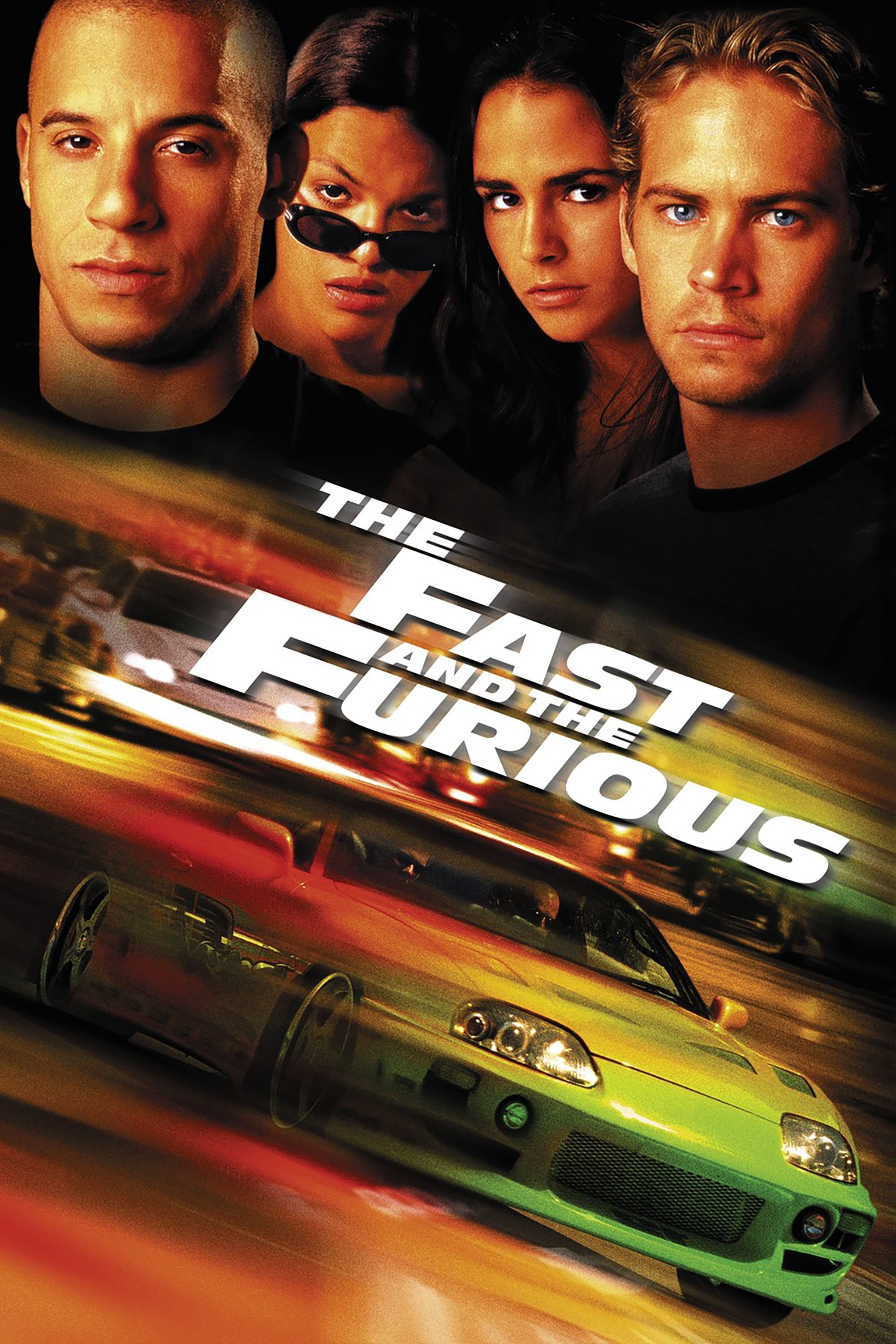
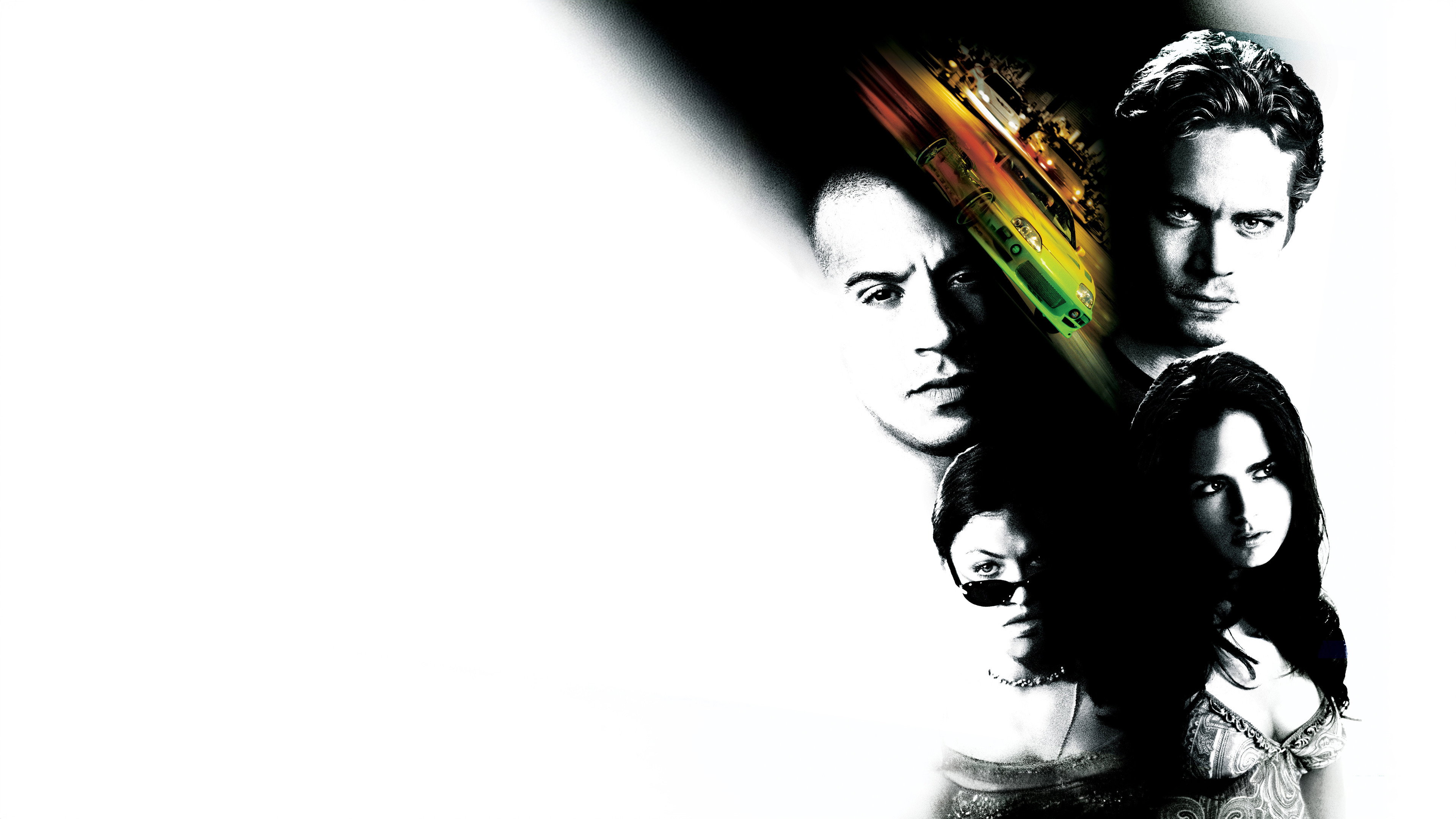
The ending of The Fast and the Furious (2001) shows Brian choosing friendship over duty: he hands Dom the keys to his Supra so Dom can escape. Brian and Dom race one last time across a railroad crossing, Dom is hit by a truck and crashes but survives, and Brian lets him get away. The film closes with Dom on the run, leaving the crew's future and Brian's place in the police open.
The keys are a payment, not a gift, because the film frames the move as repaying an earlier debt over a car. Break the ending into its steps and the choice is built in stages. First, the job: a truck full of electronics is taken at the Los Angeles port, and Brian is sent in to find the hijackers. Second, the break in his cover: when a hijacking goes wrong and Vince is badly hurt, Brian drops his cover to call in help, which costs him his standing with the crew and shows which side he reaches for first. Third, the violence: Jesse is killed by Johnny Tran's gang, and Brian shoots Tran. By the time the quarter mile race at the railroad crossing starts, Brian has already acted against his handlers' plan, so the Supra handoff confirms a decision he made earlier.
The railroad crossing is also where the film settles the Dom and Brian rivalry on the road instead of in an arrest. The wreck takes Dom's car out of the race, but the film lets Dom walk away alive, and that survival is what lets Brian trade his own car for his friend's freedom. This is the moment Brian stops being a cop playing a part and becomes part of the family. That is my read as an analyst, not a stated fact of the film, but it is supported by the order of events above.
The production context fits that reading. The story is based on "Racer X", a 1998 Vibe magazine article by Kenneth Li about street racing (History.com), and the screenplay credits go to Gary Scott Thompson, Erik Bergquist and David Ayer, according to TMDB. The film cost $38 million and earned about $213 million worldwide (Box Office Mojo), so an unresolved ending was a safe bet for a series that kept going.
Compared with the rest of the saga, this ending is the only one that leaves the lead on the run with the police question unanswered. The film never settles what the choice costs Brian, which is why the open ending works as a hook into 2 Fast 2 Furious, the second film in both release order and chronological order. Later in the series, release order and chronological order split: Tokyo Drift is third by release but sixth chronologically. The timeline page lays out that split.