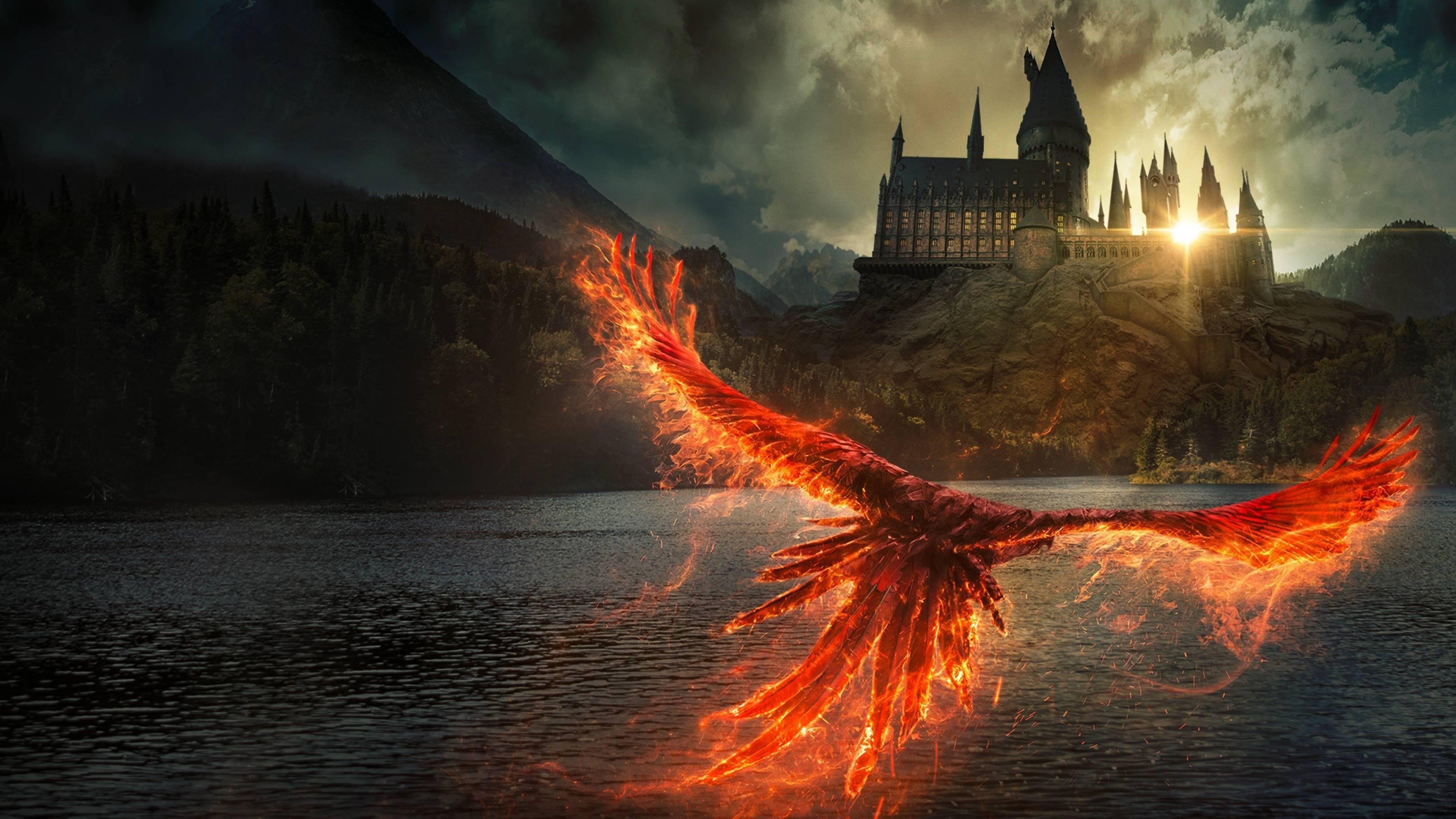
Harry Potter Books vs Movies: The Differences, Film by Film
Harry Potter books vs movies: the eight main films adapt the saga, and the clearest structural difference is that the final story was released as two films, Harry Potter and the Deathly Hallows: Part 1 and Part 2. Each film runs between 130 and 161 minutes, and four directors and four composers shaped how the stories reached the screen.
Harry Potter books vs movies
Harry Potter Books vs Movies: How Big Are the Differences?
The Harry Potter films adapt the saga as eight main films, and the clearest structural difference from the novels is that the final story was released as two films. Each film runs between 130 minutes (Deathly Hallows: Part 2) and 161 minutes (Chamber of Secrets), which sets the space every story has to work with.
Four directors shaped the adaptation: Chris Columbus on the first two films, Alfonso Cuarón on Prisoner of Azkaban, Mike Newell on Goblet of Fire and David Yates on the last four. The music changed hands as well, from John Williams on the first three films to Patrick Doyle, Nicholas Hooper and Alexandre Desplat in turn. Yates also directed all three Fantastic Beasts spin-offs.
J. K. Rowling joined the young stars at the London premiere of Chamber of Secrets on 3 November 2002, and she later wrote her first screenplay for Fantastic Beasts and Where to Find Them. That gives her a direct hand in the screen side of the saga, even though the main films were adapted by other writers.
The eight main films arrived in release order between 2001 and 2011, and each one adapts a single novel apart from the finale, which was divided in two. If you are deciding what to watch first, start with our Harry Potter movies in order guide.
Sorcerer's Stone: What Does the Film Cover?Spoilers
Harry Potter and the Sorcerer's Stone (2001), directed by Chris Columbus, runs 152 minutes and sets up everything the later films rely on. It opens with Harry living unhappily with his relatives, sleeping in a cupboard under the stairs, until Hagrid arrives on his eleventh birthday and takes him into the wizarding world.
At Hogwarts Harry is sorted into Gryffindor, befriends Ron Weasley and Hermione Granger, and makes an enemy of Draco Malfoy. He joins the Quidditch team as Seeker, and the three friends discover a three-headed dog guarding a trapdoor in a forbidden corridor. They then work through a series of magical traps, including a giant living chess game, before Ron and Hermione are left behind.
The ending turns on a reversal. Harry expects to find Snape and finds Professor Quirrell, who carries Voldemort's weakened spirit on the back of his head. Harry wins the Stone from the enchanted mirror because he only wants to find it, and Dumbledore later tells him that his mother's love protected him. Gryffindor takes the House Cup, and Voldemort's spirit escapes to threaten the rest of the saga.
Chamber of Secrets: What Does the Film Cover?Spoilers
Harry Potter and the Chamber of Secrets (2002), also directed by Chris Columbus, is the longest of the eight main films at 161 minutes, and it uses that room to keep a layered mystery intact. Dobby's warning, the flying car, the crash into the Whomping Willow and the petrified Mrs Norris all appear before the film settles into its investigation.
Harry, Ron and Hermione use Polyjuice Potion to question Draco Malfoy, who turns out not to be the heir of Slytherin. Tom Riddle's enchanted diary shows Hagrid being blamed for the Chamber being opened fifty years earlier, and Hagrid is taken to Azkaban while Dumbledore is forced out as headmaster. Aragog's hint about a basilisk sends the boys to the entrance in Moaning Myrtle's bathroom.
The climax reveals that Riddle has been controlling Ginny through the diary. Harry kills the basilisk with the Sword of Gryffindor, is poisoned by a fang and is healed by the phoenix Fawkes, then destroys the diary with that same fang. The diary, the basilisk and Lucius Malfoy's role all resolve within the film's own running time, which makes it the most self-contained story of the early run.
Prisoner of Azkaban: What Changed Under Cuarón?Spoilers
Harry Potter and the Prisoner of Azkaban (2004) changed the director: Alfonso Cuarón took over from Chris Columbus, and the film runs 141 minutes, the shortest of the first three.
The story turns on Sirius Black, who has escaped from Azkaban and is believed to be hunting Harry. Dementors are posted around Hogwarts, Remus Lupin teaches Harry the Patronus charm, and Fred and George give Harry the Marauder's Map he uses to reach Hogsmeade. Buckbeak the hippogriff is sentenced to death after Draco Malfoy provokes him, and Peter Pettigrew is revealed to have hidden for years as Ron's pet rat, Scabbers.
The finale is built around Hermione's Time-Turner. Harry and Hermione go back through the night, free Buckbeak and help Black escape, and Harry realizes that the Patronus that saved him earlier was cast by himself. The film closes with Black sending Harry a Firebolt broom just before the credits.
Goblet of Fire: What Does the Film Do With the Tournament?Spoilers
Harry Potter and the Goblet of Fire (2005), directed by Mike Newell, runs 157 minutes and builds the saga's turn from school adventure to open war around the Triwizard Tournament. Harry is bound by magic to compete even though no one believes he entered himself, and Ron stops speaking to him until he sees the danger Harry faces.
The first task has Harry get past a dragon on his broomstick after Mad-Eye Moody quietly gives him advice. In the second task he goes underwater to rescue a hostage, saving Ron and also helping Fleur's little sister. The Yule Ball sits between the tasks, and it strains friendships and rivalries alike.
The final task ends at a graveyard, where Wormtail kills Cedric Diggory and uses Harry's blood to bring Voldemort back to a body. Voldemort is played by Ralph Fiennes, and Robert Pattinson plays Cedric. Moody is exposed as Barty Crouch Junior, who put Harry's name in the Goblet, and Dumbledore tells the school Voldemort has returned while the Ministry of Magic refuses to accept it. Patrick Doyle also took over from John Williams as composer, giving the film a different sound from the first three.
Order of the Phoenix: How Does the Film Handle the Ministry Storyline?Spoilers
Harry Potter and the Order of the Phoenix (2007), directed by David Yates, centers on the Ministry of Magic refusing to accept that Voldemort has returned, and at 138 minutes it is shorter than any of the four films before it, Prisoner of Azkaban (141 minutes) included.
It opens in 1995 with a Dementor attack on Harry and his cousin Dudley, then moves to Harry's hearing at the Ministry, where he is cleared. At Hogwarts, Dolores Umbridge becomes the Defense Against the Dark Arts teacher and bans real practice of defensive magic, so Harry, Ron and Hermione form Dumbledore's Army in response.
Snape teaches Harry Occlumency to shield his mind from Voldemort, and a vision of Sirius in danger leads the friends to the Ministry, where Death Eaters ambush them and Bellatrix Lestrange kills Sirius. Voldemort fights Dumbledore and briefly possesses Harry before fleeing. Fudge then admits Voldemort is back, Dumbledore returns as headmaster, and he explains the prophecy that neither Harry nor Voldemort can live while the other survives.
Half-Blood Prince: How Does the Film Build to Dumbledore's Death?Spoilers
Harry Potter and the Half-Blood Prince (2009), directed by David Yates, opens with Death Eaters attacking London and builds slowly toward the death of Dumbledore. Draco Malfoy is given a secret task at Hogwarts, and Snape promises Draco's mother that he will protect her son.
Harry's sixth year turns on the Half-Blood Prince's notes, which make him a star in Slughorn's potions class. Dumbledore asks Harry to coax a hidden memory out of Slughorn, and Harry wins his trust with the help of a luck potion. The memory shows that Voldemort split his soul into Horcruxes, and Dumbledore takes Harry to a sea cave to retrieve one, weakening himself by drinking the painful potion that guards it. The locket they bring back is a fake.
Romance runs alongside the dread: Harry and Ginny grow close, while Ron's short relationship with Lavender Brown hurts Hermione. Death Eaters enter the school through a magical cabinet that Draco repaired, Draco cannot bring himself to kill Dumbledore, and Snape does it, revealing himself as the Half-Blood Prince. With a reported budget of $250 million, this was the most expensive film in the main series.
Deathly Hallows: Part 1: What Did Splitting the Book Change?Spoilers
Harry Potter and the Deathly Hallows: Part 1 (2010), directed by David Yates, is the first half of the split finale, and the split gives it room to follow Harry, Ron and Hermione on the run and to let the locket's pull on Ron play out in full.
The film opens with Snape telling Voldemort at Malfoy Manor when the Order plans to move Harry, and the Death Eater ambush that follows costs Harry his owl Hedwig and Mad-Eye Moody. Rufus Scrimgeour delivers Dumbledore's bequests, and at Bill and Fleur's wedding the guests learn that the Ministry has fallen. The trio flee, take the locket back from Dolores Umbridge, and Ron leaves after quarreling with Harry.
The middle of the film covers the Godric's Hollow visit, where Bathilda Bagshot turns out to be Nagini, the doe Patronus and the Sword of Gryffindor in the frozen pond. Xenophilius Lovegood tells them about the Deathly Hallows, and the trio are then taken to Malfoy Manor, where Bellatrix tortures Hermione. Dobby rescues them and dies at Shell Cottage. Alexandre Desplat scored the film, and it was made on a $125 million budget.
Deathly Hallows: Part 2: How Does the Final Battle Differ?Spoilers
Harry Potter and the Deathly Hallows: Part 2 (2011), directed by David Yates, picks up straight after Dobby's burial and turns the final book into one sustained siege. At 130 minutes it is the shortest of the eight main films, yet it is also the highest earning, with $1.31 billion worldwide.
The trick of the structure is that the quest and the battle are separate halves. First comes a heist at Gringotts, where Griphook bargains for the sword and the three friends leave the bank on a dragon with Helga Hufflepuff's cup. Then they cross into Hogsmeade, reach the castle through Aberforth Dumbledore's passage, and the school mobilizes while McGonagall sends Snape packing.
The set piece that matters most is quiet: Snape's memories, viewed in the Pensieve, recast him as a man who loved Lily Potter and served Dumbledore, and they tell Harry he must die. He walks into the Forbidden Forest after using the Resurrection Stone, and returns from a conversation with Dumbledore. Neville and Molly Weasley land the blows against Nagini and Bellatrix, and Voldemort falls to his own rebounding curse. Harry snaps the Elder Wand, and an epilogue at King's Cross, nineteen years on, closes the series.
How Do the Fantastic Beasts Films Fit Beside the Main Saga?Spoilers
The three Fantastic Beasts films are spin-offs set before the main saga, so they continue the wizarding world rather than retelling the Hogwarts story. Fantastic Beasts and Where to Find Them (2016), directed by David Yates, was Rowling's first screenplay, and Fantastic Beasts: The Crimes of Grindelwald (2018) and Fantastic Beasts: The Secrets of Dumbledore (2022) continued the story under the same director.
The first film follows Newt Scamander in New York in 1926, where a swapped case lets his creatures loose and Percival Graves is exposed as Grindelwald in disguise. The second follows Grindelwald's escape and the search for Credence in Paris, and the third has Dumbledore assembling a team around Newt while a blood pact keeps him and Grindelwald apart until it breaks.
The Secrets of Dumbledore grossed $407 million worldwide against a $200 million budget, the lowest total of the eleven films. See our Harry Potter timeline for where all three sit.
Harry Potter Books or Movies: Which Is Better, and Which Film Strays Most?Spoilers
In my opinion, neither is better outright: the books and the films are two ways into the same story. A novel can follow a character's thoughts for pages, while a film has to carry the same moment through casting, production design and a score, so each does something the other cannot.
Which film is least accurate to the book? I would argue that the answer depends on what you mean by accurate, and that it cannot be settled without setting each novel beside its film, scene by scene. The structural change nobody disputes is that the final story became two films, Deathly Hallows: Part 1 and Part 2, so the finale is the only story given two films of room. Other changes are of voice rather than plot: Cuarón brought a different tone to Prisoner of Azkaban, and Patrick Doyle brought a different sound to Goblet of Fire.
If you want to see how a new adaptation handles these choices, the Harry Potter TV series from HBO is reported to premiere on 25 December 2026, with a first season titled Harry Potter and the Philosopher's Stone (eight episodes). It is the next Harry Potter release on the calendar, so the new Harry Potter movie page tracks it. For a film by film verdict, our Harry Potter movies ranked page picks a side, and the Harry Potter movies hub lists every release.
Facts
- Harry Potter and the Chamber of Secrets premiered in London's Leicester Square on 3 November 2002 with the young stars and J. K. Rowling. Hello!, checked 2026-11-03
- Fantastic Beasts and Where to Find Them was J. K. Rowling's first screenplay, with David Yates directing. ET Online, checked 2026-11-03
- Harry Potter and the Order of the Phoenix (2007) runs 138 minutes. TMDB, checked 2026-11-03
- Harry Potter and the Goblet of Fire (2005) runs 157 minutes and lists Patrick Doyle as composer. TMDB, checked 2026-11-03
- Harry Potter and the Half-Blood Prince (2009) had a production budget of $250,000,000. The Numbers, checked 2026-11-03
- Harry Potter and the Deathly Hallows: Part 1 (2010) grossed $960,870,615 worldwide. Box Office Mojo, checked 2026-11-03
- Harry Potter and the Deathly Hallows: Part 2 (2011) grossed $1,311,849,335 worldwide. The Numbers, checked 2026-11-03
- Harry Potter and the Deathly Hallows: Part 2 (2011) runs 130 minutes. TMDB, checked 2026-11-03
- Harry Potter and the Prisoner of Azkaban (2004) is credited to director Alfonso Cuarón. TMDB, checked 2026-11-03
- Fantastic Beasts: The Secrets of Dumbledore (2022) grossed $407,150,844 worldwide. Box Office Mojo, checked 2026-11-03
- HBO's Harry Potter series is reported to premiere on 25 December 2026. TODAY, checked 2026-11-03
FAQs
Are the Harry Potter books or films better?
Neither is better outright, and in my opinion each does something the other cannot. The films compress each story into a runtime between 130 and 161 minutes and add performances, design and music, while the novels let a reader take the story at their own pace.
Did J. K. Rowling approve the Harry Potter movies?
Rowling was publicly involved: she joined the young stars at the London premiere of Chamber of Secrets on 3 November 2002, and she later wrote her first screenplay for Fantastic Beasts and Where to Find Them, directed by David Yates.
Which Harry Potter movie is least accurate to the book?
There is no official measure. The clearest structural change is that the final story became two films, with Deathly Hallows: Part 2 the shortest film at 130 minutes. Comparing each film's plot with its novel is the only fair way to judge which one strays most.
What are some things in the Harry Potter books that are not in the movies?
Each film condenses its novel to fit a runtime between 130 and 161 minutes, so scenes and subplots are trimmed throughout. The most visible structural choice is splitting the final story into two films. For a full list of cut scenes, read each novel alongside its film.
Is there a big difference between the Harry Potter books and movies?
The biggest documented difference is structural. The finale was released as two films, four directors shaped the eight main films, and each film has its own running time, from 130 minutes to 161 minutes.
Why was the last Harry Potter book split into two films?
The final story was released as Deathly Hallows: Part 1 and Part 2, which gave the on the run chapters and the final battle a film each. Part 2 went on to earn $1.31 billion worldwide.