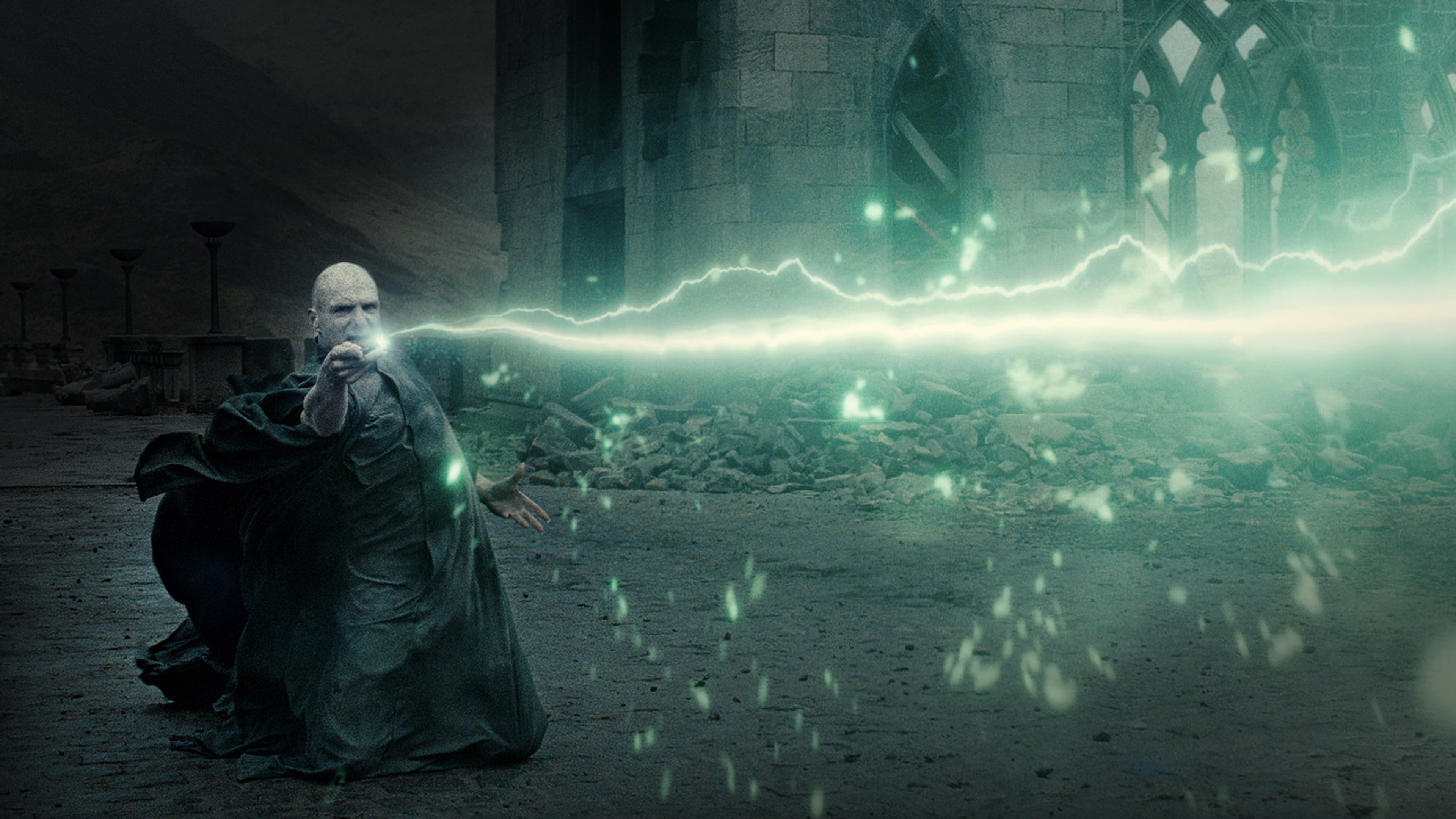
In the ending of Deathly Hallows: Part 2, Voldemort dies when Harry's disarming spell sends the killing curse back at him, and Harry then destroys the Elder Wand. The film closes on a peaceful scene at King's Cross.
Why does the Elder Wand matter? Harry explains that the wand became his when he disarmed Draco, and Ollivander's earlier hint that the wand taken from Draco now answers to Harry sets this up. In my opinion, the choice to destroy it rather than keep it is the clearest statement of character in the saga, because Harry refuses the power that has defined the villain.
The Snape sequence is the emotional center. The Pensieve memories show that Snape loved Lily Potter all his life and served Dumbledore in secret, and they reveal to Harry that he must die for Voldemort to be beaten. When fans ask what Snape means by his words about Lily's son, the useful context is those memories: they show a man whose loyalties were never what they seemed. It could be argued that Rickman's quiet delivery here is the best performance in the film.
The forest scene follows. Harry uses the Resurrection Stone, walks to Voldemort and is struck down, then meets Dumbledore in a limbo like place and chooses to return. Nagini is the last Horcrux apart from the piece inside Harry, so Neville's sword stroke finishes the job the others began.
Why does the film skip nineteen years? The epilogue jumps ahead so that Harry, Ginny, Ron, Hermione and Draco can watch their children board the Hogwarts Express, closing the series on a peaceful note instead of a further battle. Perhaps the jump will not suit every viewer, but the intent is plain: the war is finished, and the next generation is simply going to school. For more on how the films differ from the novels, see Harry Potter books vs movies.