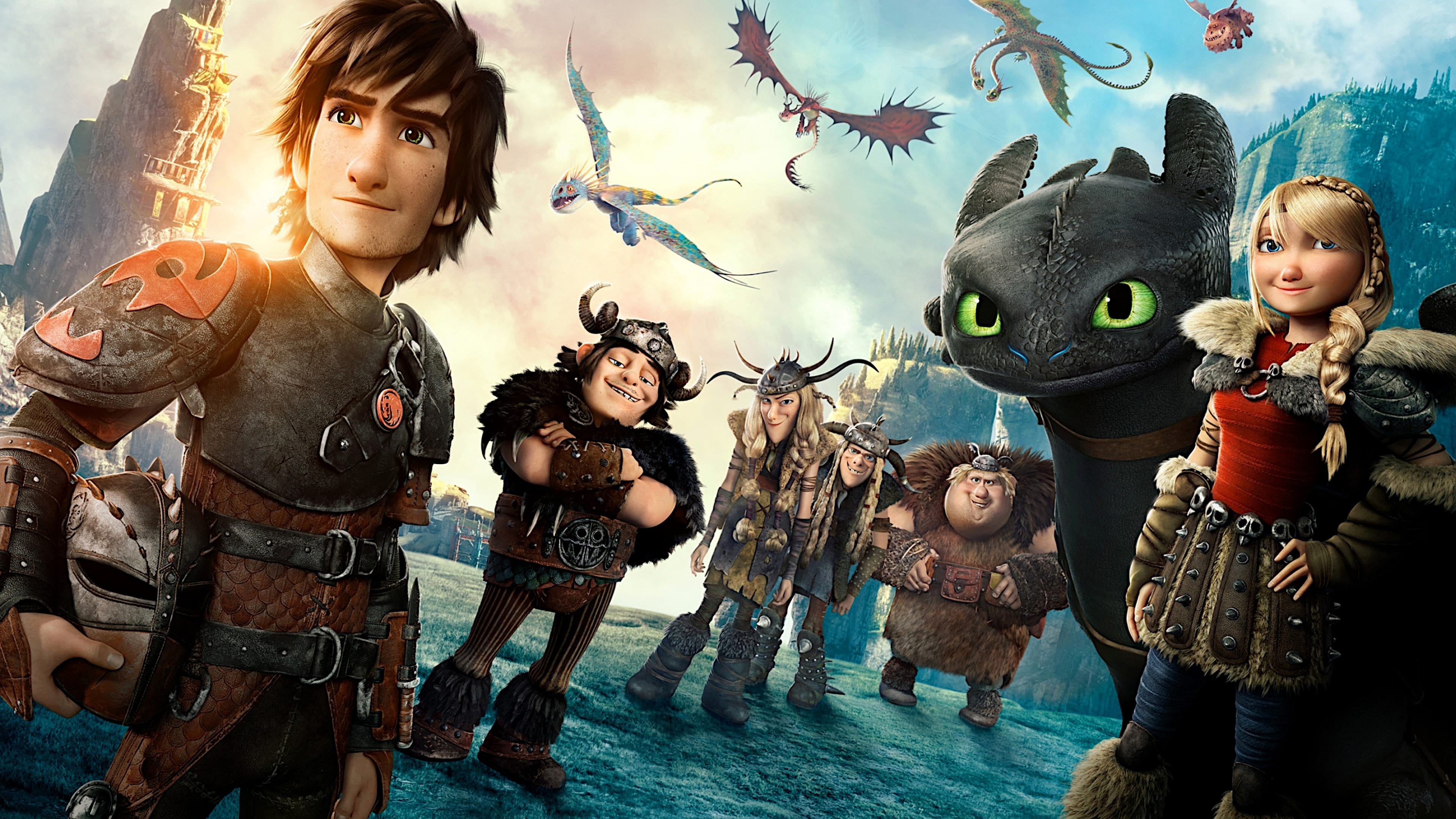
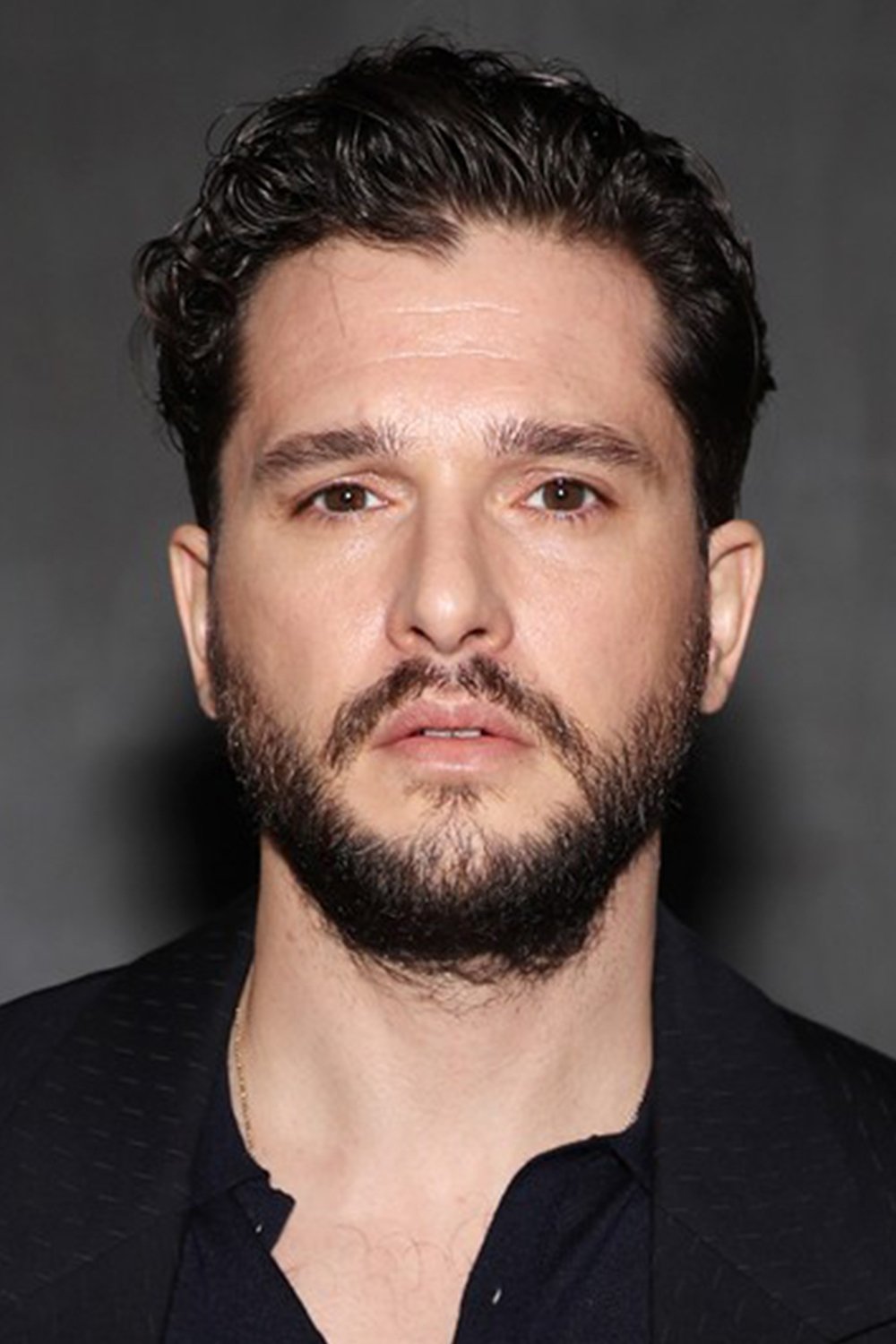
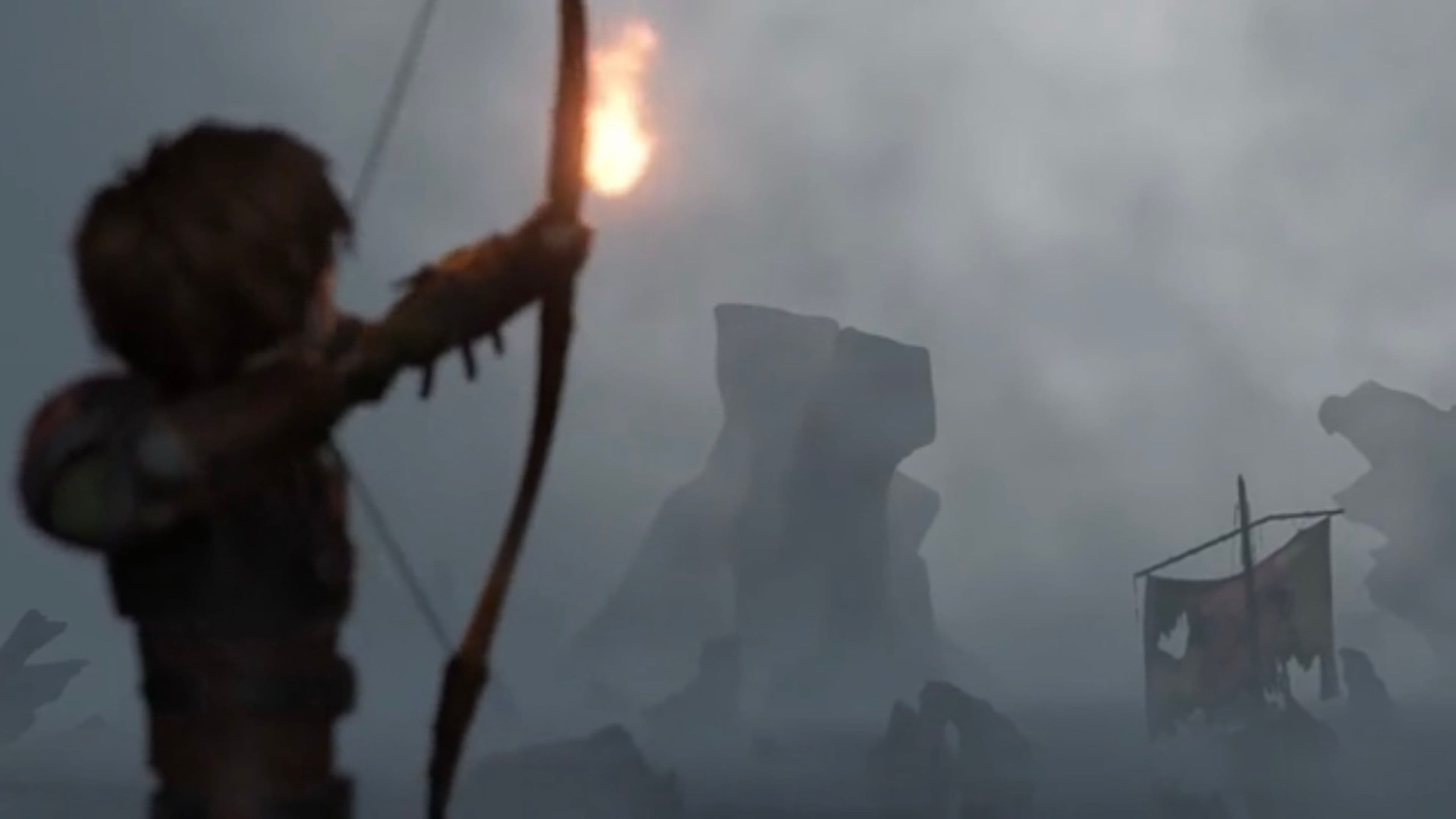
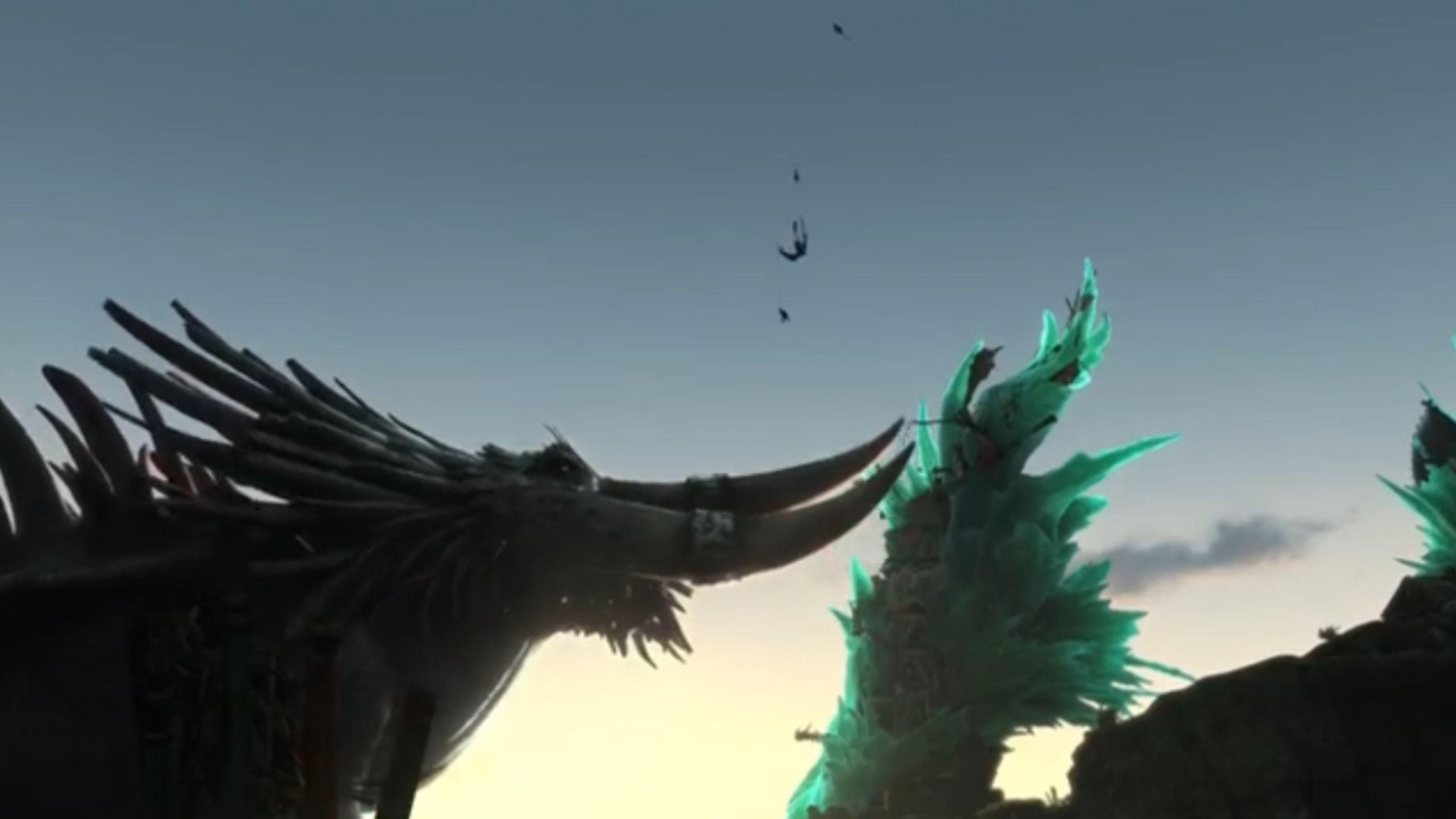
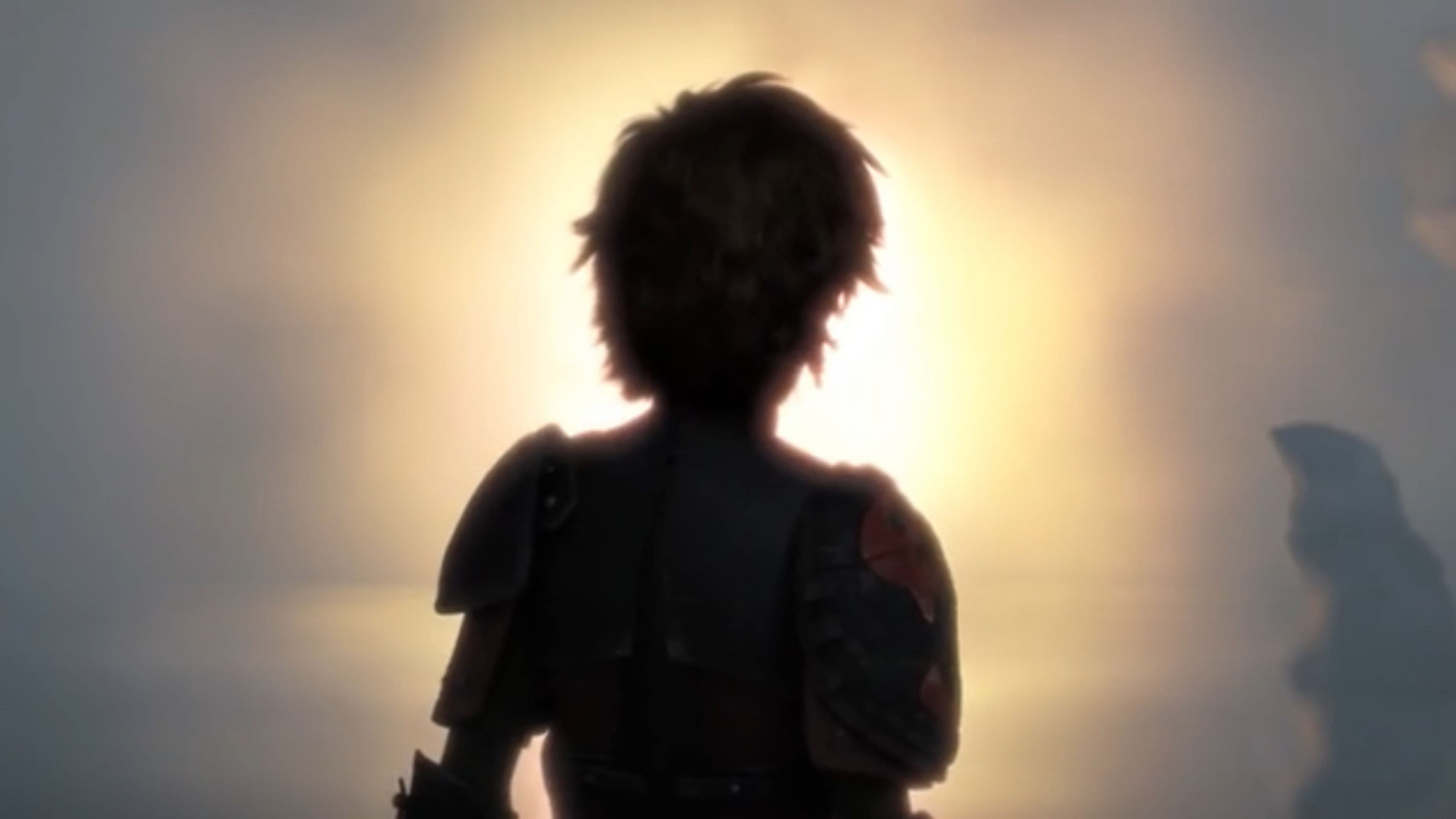
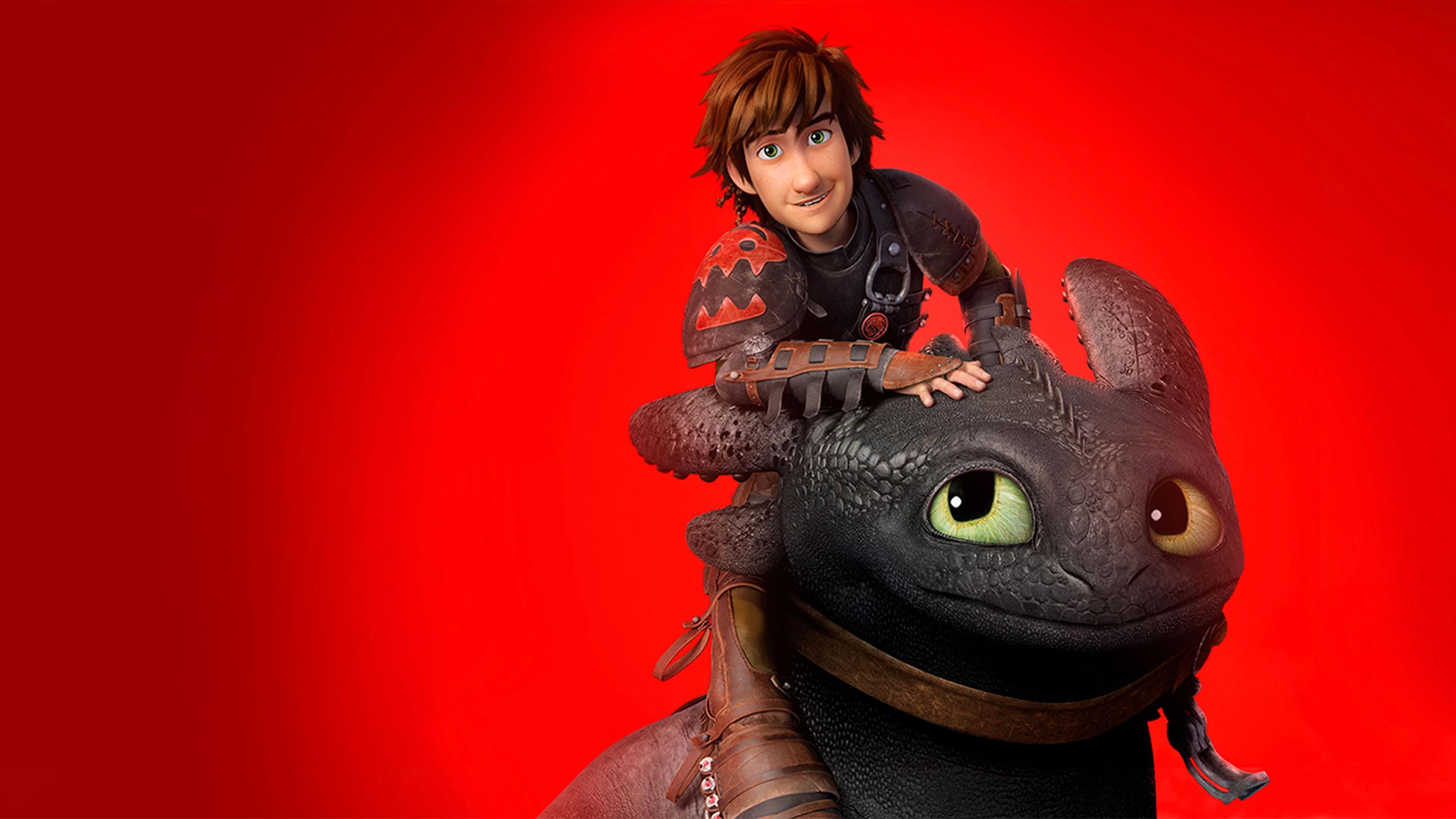
The ending of How to Train Your Dragon 2 (2014) shows Hiccup stepping into the role his father hoped he would take, while the dragons choose Toothless as their alpha. Spoilers follow.
Toothless and the freed dragons force Drago's Bewilderbeast to retreat into the sea, and Drago leaves with it. Berk celebrates, Hiccup is named chief, Valka remains with her son, and the film closes on a young leader responsible for guiding humans and dragons. That image sets up How to Train Your Dragon: The Hidden World (2019).
The structure is deliberate. Director Dean DeBlois proposed a trilogy so the How to Train Your Dragon films would work as three acts of one coming of age story, according to Screen Daily. Read that way, this film is the middle act: it takes the secure world of How to Train Your Dragon (2010) apart and hands Hiccup the burden that the third film then has to test.
In my opinion, the ending works because the deaths of Stoick and the old Bewilderbeast, and the rise of Toothless as alpha, are tied together. Stoick dies shielding Hiccup, and the old alpha dies in the sanctuary, so two figures of authority are gone in one night. Hiccup and Toothless fill both gaps. It could be argued that the film is really about inheritance: Hiccup receives a village from a father he has just lost, and a mother he thought he had lost for good.
The saddest moment is a matter of taste, but Stoick's death is the strongest candidate, because Toothless is the one made to fire the shot while Drago's Bewilderbeast controls him. That choice keeps the blame on Drago and leaves the bond between boy and dragon intact enough to rebuild. The scene where Hiccup frees Toothless on Berk then answers it, since the rally of freed dragons shows that the loyalty of the dragons is earned, not forced. That is the opposite of how Drago rules.
Compared with How to Train Your Dragon (2010), where the climax is a personal rescue, this finale is about leadership, and that shift is what makes a sequel feel like the middle act of a trilogy rather than a repeat. The craft supports the scale. Roger Deakins returned as visual consultant and continued the lighting approach from the first film, and the film was the first full production on DreamWorks Animation's Apollo system, which includes the Premo animation tool and the Torch lighting package. Producer Bonnie Arnold also cited the finished footage, 92 minutes against a planned 88, as a sign of production efficiency.