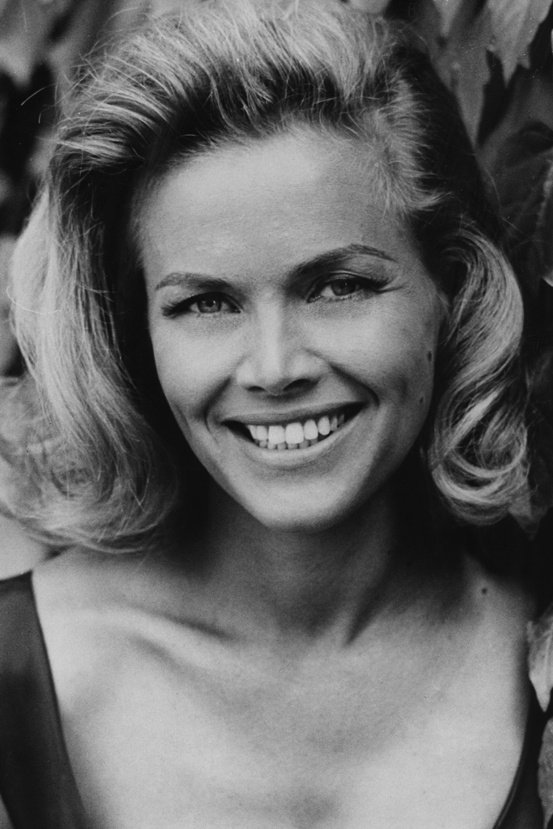
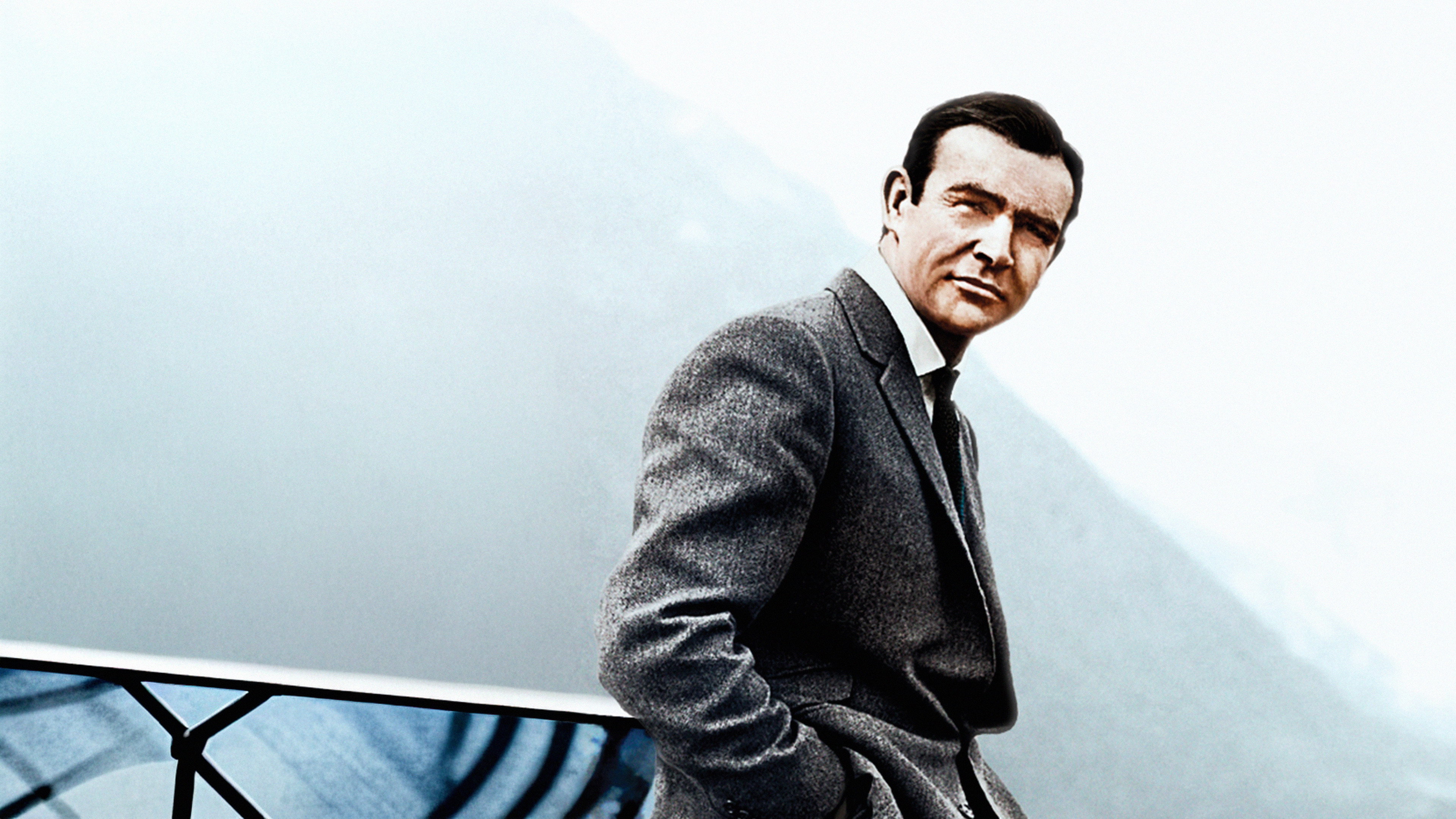
Still from Goldfinger (1964)
Film 3 of 25 · by Marcus Reyes

Goldfinger (1964): Cast, Plot, Ending and Fort Knox Facts

Goldfinger (1964) is the third film in the official EON James Bond series, directed by Guy Hamilton, with Sean Connery as 007 and Gert Fröbe as Auric Goldfinger, a gold dealer plotting to contaminate the gold at Fort Knox. It runs 110 minutes and earned $124.9 million worldwide on a $3 million budget.

Image: TMDB
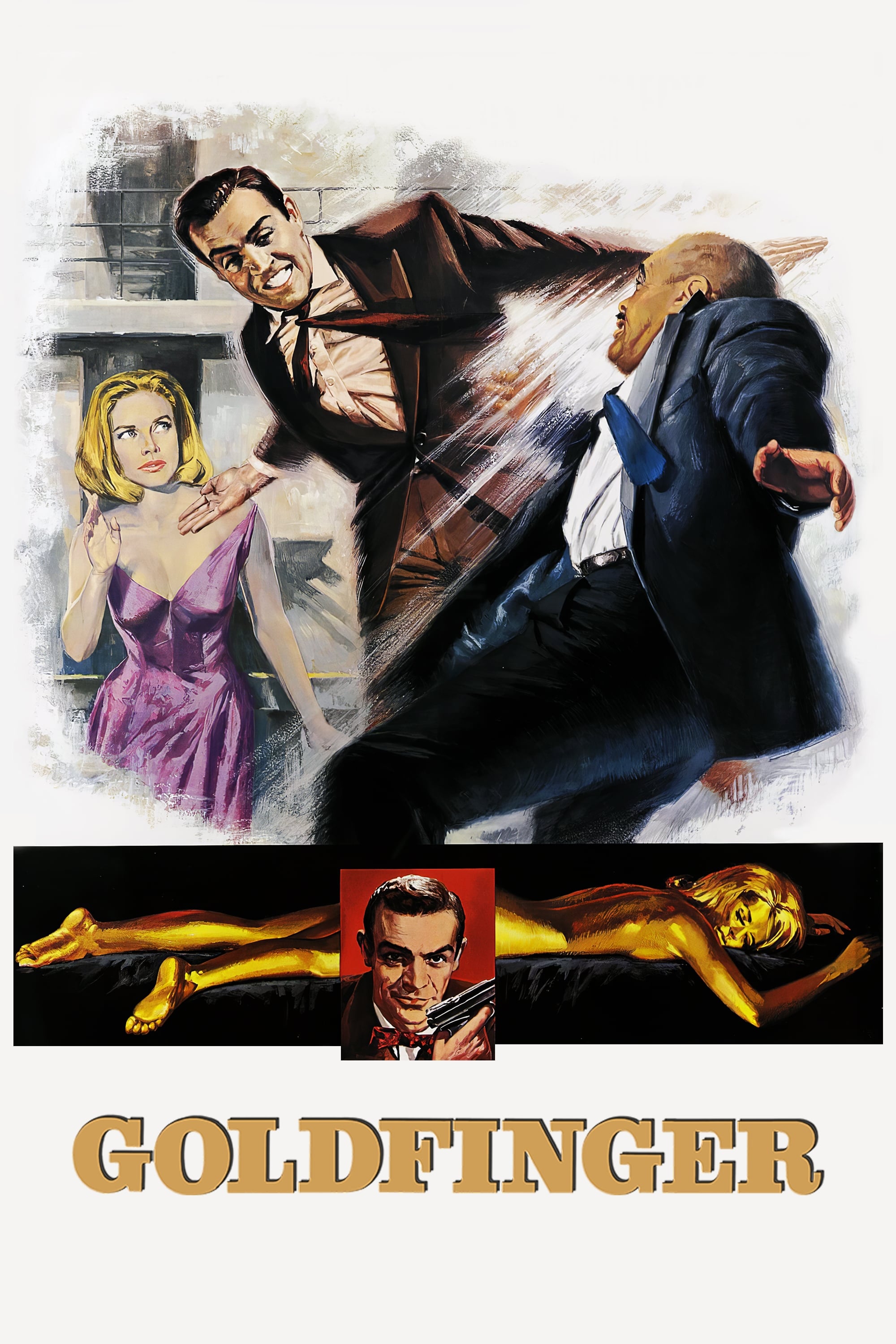
Goldfinger (1964) theatrical poster
US release
December 22, 1964
Runtime
1h 50m
Rating
PG / PG / M
Director
Guy Hamilton
Budget
$3 million
Worldwide
$125 million

What Is the Goldfinger Movie About?

The 1964 film follows James Bond as he is sent to investigate Auric Goldfinger, a gold dealer whose fortune looks suspicious, and uncovers his plan to attack the gold at Fort Knox. In Miami, Bond catches Auric cheating at cards, and the villain takes his revenge on the woman who helped Bond expose him.

Back in Britain, Bond is given an Aston Martin DB5 loaded with gadgets, and he plays a round of golf against his target to learn more about the man. From there he follows him to Switzerland, where a factory and a grander plan come into view.

This is the third entry in the franchise, after Dr. No and From Russia with Love, and it is followed by Thunderball. If you are planning a full run through the series, the James Bond movies in order page lays out both sequences.

Goldfinger Cast: Who Played the Villain and the Rest?

James Bond cast

Also starring Michael Mellinger (Kisch), Peter Cranwell (Johnny), Nadja Regin (Bonita).

Goldfinger Stills

Release Dates

MarketDateSource
USDecember 22, 1964confirmedboxofficemojo.com
UKSeptember 20, 1964reportedthemoviedb.org
AUFebruary 26, 1965reportedthe-numbers.com

Where to Watch Goldfinger

MarketSubscriptionRent or buy
USAmazon Prime Video, Amazon Prime Video with AdsAmazon Video, Apple TV Store, Google Play Movies, YouTube, Fandango At Home, Plex
UKAmazon Prime Video, Amazon Prime Video with AdsApple TV Store, Rakuten TV, Amazon Video, Sky Store, YouTube
AUAmazon Prime Video, Amazon Prime Video with AdsApple TV Store, Amazon Video, YouTube, Fetch TV

Streaming availability data from JustWatch, checked 2026-11-02.

Who Directed Goldfinger and Who Made It?

DirectorGuy Hamilton
WritersRichard Maibaum, Paul Dehn, Berkely Mather
ProducersAlbert R. Broccoli, Harry Saltzman
MusicJohn Barry
CinematographyTed Moore

Box Office

Budget$3 million
Domestic (US and Canada)$51 million
International$74 million
Worldwide$125 million

James Bond box office for every film.

Goldfinger Soundtrack: Who Scored It and Who Sang the Theme?

John Barry composed the score, and Shirley Bassey sang the title song, "Goldfinger", which is the notable song from the film.

No standalone soundtrack album title is recorded for this film, so the song title, the singer and the composer are the facts to rely on.

For how this track sits among the other main titles, see the James Bond theme songs page. For composers across the series, the James Bond soundtracks page covers each film.

Goldfinger album cover

Goldfinger

Score album · United Artists · 1964 · 10 tracks

Cover art via Cover Art Archive

Full tracklist

  1. 1Main Title: Goldfinger / Into Miami · Shirley Bassey3:14
  2. 2Alpine Drive: Auric’s Factory · John Barry3:15
  3. 3Oddjob’s Pressing Engagement · John Barry3:05
  4. 4Bond Back in Action Again · John Barry2:29
  5. 5Teasing the Korean · John Barry2:12
  6. 6Gassing the Gangsters · John Barry1:03
  7. 7Goldfinger (instrumental version) · John Barry2:22
  8. 8Dawn Raid on Fort Knox · John Barry6:43
  9. 9The Arrival of the Bomb and Count Down · John Barry3:36
  10. 10The Death of Goldfinger: End Titles · John Barry2:34

Sources: musicbrainz.org, themoviedb.org

James Bond soundtrack

Full Plot Synopsis of the 1964 Bond FilmSpoilers

In this third Bond adventure, 007 exposes Auric Goldfinger's card cheating in Miami, follows him to Britain and Switzerland, and stops his plan to detonate a bomb in the Fort Knox vault. The villain answers the Miami humiliation by killing Jill Masterson, the woman who helped Bond, and covering her body in gold paint. Bond returns to Britain, collects the gadget laden Aston Martin DB5 and plays the golf game that gives him his first real read on his opponent. There he meets Oddjob, the villain's silent and deadly servant.

Bond trails the dealer to Switzerland, where he crosses paths with Jill's sister, Tilly Masterson, who wants revenge. He is then captured and held in Kentucky, where he learns that the plan is an attack on the gold at Fort Knox. The villain has a pilot, Pussy Galore, and her flying team ready to spread gas over the area.

The twist is the real aim. The villain does not want to carry the gold away. He wants to set off a bomb inside the vault so the gold becomes radioactive and unusable, which would raise the value of his own gold. Bond gets a message out, and US forces move in during the raid. Bond is left handcuffed to the bomb in the vault, and a specialist stops it with seven seconds left.

Oddjob is killed in the vault, and Auric escapes by hijacking a jet. A struggle with Bond leads to a gunshot, and the pressure change pulls the villain out of the plane to his death. Bond and Pussy Galore bail out over the sea, and a rescue helicopter passes overhead as they kiss.

When Did the Film Premiere and Open in Theaters?

The UK premiere is reported as September 20, 1964 (TMDB), and the US release was on December 22, 1964 (confirmed, Box Office Mojo). The Australian release is reported as February 26, 1965.

No premiere city or venue appears in the dated release listings from Box Office Mojo, TMDB and The Numbers. The gap between the UK premiere and the US release is just over three months.

The film is rated PG in the US and the UK and M in Australia. Over its run it took $51.1 million domestically (Box Office Mojo) and $73.8 million internationally, for $124.9 million worldwide, according to The Numbers. For the full series picture, see the James Bond box office page.

Goldfinger Ending Explained: The Vault, the Plane and the BombSpoilers

In the ending, Bond survives being handcuffed to the bomb in the Fort Knox vault when a specialist switches it off with seven seconds left, and Auric dies when he is pulled out of a hijacked jet. The bomb is a market play rather than a heist: the villain does not want to carry off the gold at Fort Knox, he wants it contaminated so that it cannot be used, which would raise the value of his own gold.

Oddjob dies in the vault, and the villain tries to get away by hijacking a plane. A fight in the cabin sets off a shot, and the sudden loss of cabin pressure pulls him out of the window to his death. Bond and Pussy Galore then bail out over the sea and share a kiss as a rescue helicopter flies near.

In editorial terms, the ending is easy to follow because each step causes the next: the plan, the countdown, the pressure change and the rescue. None of them needs a lucky break, and it could be argued that this chain is why the finale still reads so cleanly.

The person who stops the bomb is a specialist, not Bond, who is still handcuffed to it when the seven seconds run down. That is an unusual choice for the early series. In Dr. No and From Russia with Love the threat is a person or a plot against Bond; here the threat is a device, and the hero's job is to get the message out so that US forces can arrive. Bond's earlier scenes set this up: the Miami card table and the golf match show him beating the villain at his own games, but the vault is the one place where winning on skill alone is not enough.

The set matters to how the sequence plays. Ken Adam designed the vault because the production could not see inside the real Fort Knox, and the gold in it was shown piled about 40 feet high, while real gold cannot be stacked higher than about 2.5 feet. The audience believes in a vault that no outsider had seen, which is part of why the bomb feels credible. In my opinion, the plane scene is the weaker half on logic but the stronger half on structure: it closes the villain's arc with the same idea, pressure and contamination, that drove the whole scheme.

Was Goldfinger Filmed at Fort Knox? Filming Locations

The film was not shot inside Fort Knox, because the filmmakers were not allowed to see inside the real vault. Exterior shots were taken at an army base near Fort Knox in Kentucky, and the vault interior was a set designed by Ken Adam and built at Pinewood Studios in England.

Adam also built a full scale exterior replica of Fort Knox, after he and other crew members flew over the real site. That replica, together with the interior set, gave the production what it needed without real access, according to TCM.

The opening hotel scenes were shot in Miami, Florida, and filming began there without Sean Connery, who was still finishing Hitchcock's Marnie. That is why the Miami card cheating sequence is the first material in the shoot. Switzerland provided location work for the Alpine section of the story.

Real gold cannot be stacked higher than about 2.5 feet, but the vault set showed it piled about 40 feet high. Compared with the lean location shooting of the first two Bond films, this is a studio built climax on a larger scale.

Trivia: Production Facts and Behind the Scenes Details

The best-known production facts are the $3 million budget, a director change from Terence Young to Guy Hamilton, and a Fort Knox vault that was built entirely as a set.

  • The budget equaled the first two Bond films combined.
  • Sean Connery was still finishing Hitchcock's Marnie when filming began in Miami without him.
  • Ken Adam designed the vault interior himself, because the filmmakers could not see inside the real Fort Knox.
  • Ken Adam built a full scale exterior replica of Fort Knox after he and other crew members flew over the real site.
  • Gert Fröbe's dialogue as Auric Goldfinger was dubbed in English by Michael Collins.
  • Shirley Eaton appears in the film for under five minutes, and her voice was dubbed.
  • The vault set showed gold piled about 40 feet high, while real gold cannot be stacked higher than about 2.5 feet.

If you want more from this era, the James Bond cars page covers the Aston Martin DB5 and its rivals, and the James Bond villains page puts Auric Goldfinger beside the rest of the rogues' gallery.

Facts

FAQs

Who played Goldfinger?

Gert Fröbe played Auric Goldfinger in the 1964 film. His dialogue was dubbed in English by Michael Collins. Sean Connery played James Bond, Honor Blackman played Pussy Galore and Harold Sakata played Oddjob.

Was Goldfinger filmed at Fort Knox?

No. The filmmakers were not allowed to see inside the real Fort Knox, so Ken Adam designed the vault interior as a set at Pinewood Studios in England. Exterior shots were taken at an army base near Fort Knox in Kentucky, and Adam also built a full scale exterior replica.

Why was Goldfinger banned?

No ban on the film appears in its release and certification listings. It carries a PG rating in the US and the UK and an M rating in Australia, and it opened in the UK, the US and Australia between September 1964 and February 1965. Any claim of a ban is unsupported by those listings.

Is Goldfinger the best Bond movie?

It is often ranked among the best Bond films, though the choice is subjective across the 25 official EON films. It is the third film in the series and earned $124.9 million worldwide on a $3 million budget. Our own picks sit on the James Bond movies ranked page.

When was Goldfinger released?

The UK premiere is reported as September 20, 1964, and the US release was on December 22, 1964 (confirmed). The Australian release is reported as February 26, 1965.

Where can I watch Goldfinger?

As of November 2, 2026, it streams on Amazon Prime Video in the US, and can be rented or bought on services including Apple TV Store, YouTube and Fandango At Home. The UK and Australia also list Amazon Prime Video for streaming. See the where to watch James Bond films page.