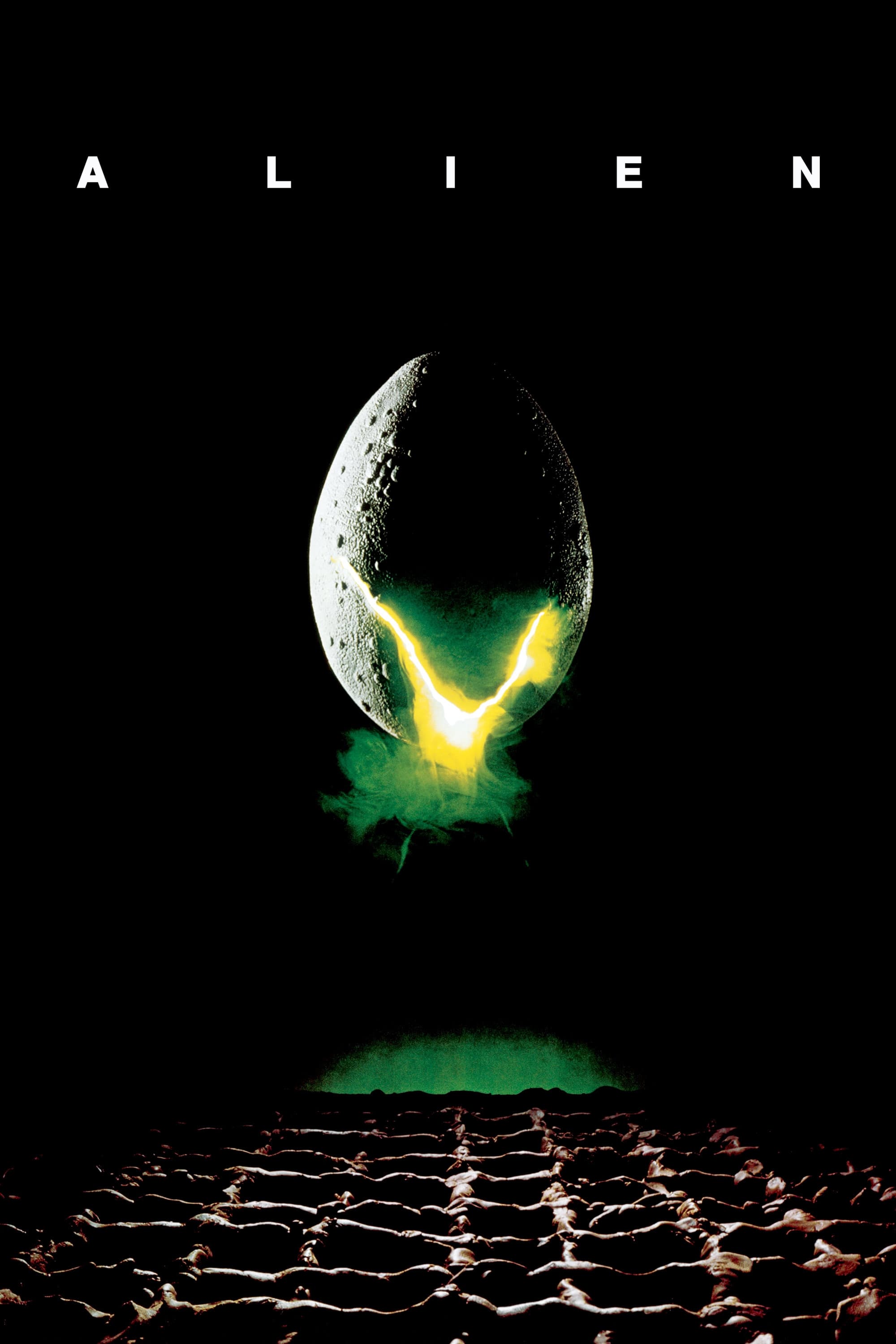
The ending of Alien (1979) is Ripley's survival by improvisation: she starts the destruct sequence, escapes in the shuttle with Jones, and then finds the creature hidden aboard. She puts on a spacesuit and opens the airlock to throw it into space. She then dictates a final report and goes into hibernation, the only survivor, to await rescue.
What does the ending mean? The film never states one official meaning, and any reading is interpretation. In my opinion, the strongest reading comes from the chest scene. A creature is placed inside a body, grows, and bursts out during a meal, so it could be argued that the film is about invasion of the body, and about a company that treats its own crew as disposable. That second reading has hard support in the plot: the company's secret orders put the creature ahead of the crew, and Ash is the machine that carries them out. Viewers who prefer other readings will find room for them, because the film leaves the creature's origin and the dead pilot unexplained.
Why is Alien 1979 so good? Perhaps because it keeps the problem small. One creature, seven people and a ship give Scott a closed space, and the structure removes the crew one at a time until only Ripley and the cat are left. That being said, the final airlock scene is a payoff that Aliens, which opens with Ripley found drifting after 57 years in hibernation, picks up directly. Alien 3 then reverses her escape, putting her pod down on the foundry world Fiorina 161. The ending, then, is both a clean close for one film and the start of a saga, and it is the reason a first time viewer can stop here and still feel the story has finished.
One caution for anyone building a viewing plan: this is the third film in the chronological order, after Prometheus and Alien: Covenant. The Alien timeline explains why release order is the better route for a first watch.