
Spider Man Timeline: How Every Movie Fits Together
The Spider-Man timeline covers 11 films in four separate continuities: Sam Raimi's Tobey Maguire trilogy, Marc Webb's two Andrew Garfield films, the four Tom Holland MCU films, and the two animated Spider-Verse films with Miles Morales. Among the live action films, only the MCU films form one running story, and Spider-Man: No Way Home (2021) is the film that brings the Maguire and Garfield versions of Peter Parker into it. The newest entry is Spider-Man: Brand New Day, released on July 31, 2026, and Spider-Man: Beyond the Spider-Verse is set for June 18, 2027.
The Spider-Man Timeline in Order



Raimi Era: Tobey Maguire's Trilogy From 2002 to 2007Spoilers
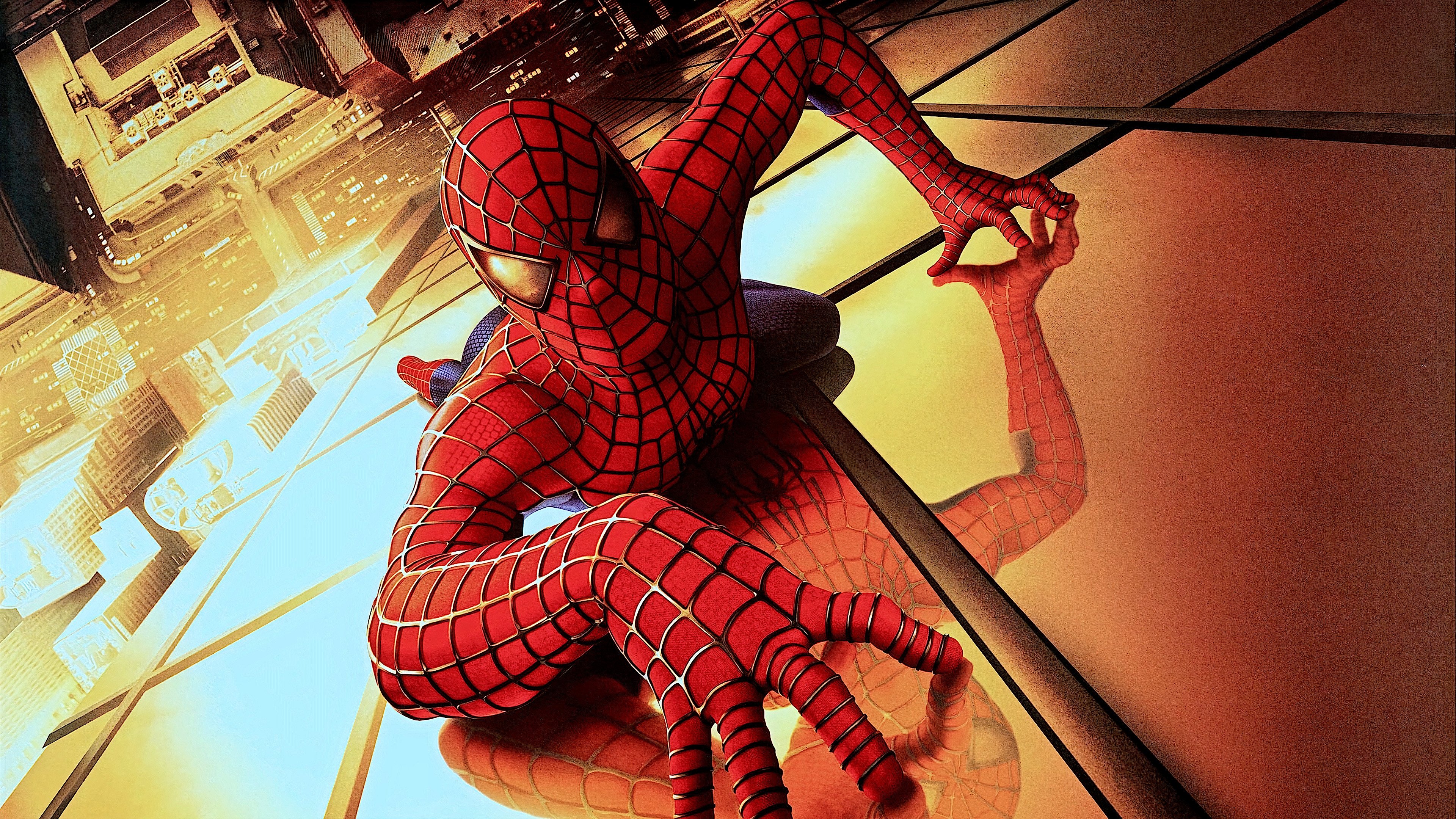
The Raimi era is the first Spider-Man continuity on screen, a straight line of three films from 2002 to 2007 with Tobey Maguire as Peter Parker. Spider-Man (2002), directed by Sam Raimi, sets the pattern: Peter is bitten by a genetically engineered spider, lets a carjacker walk away, and then loses Uncle Ben to that same man. Willem Dafoe plays Norman Osborn, who becomes the Green Goblin and is killed by his own glider on the Queensboro Bridge, while his son Harry (James Franco) swears revenge. Kirsten Dunst plays Mary Jane Watson. The full story of that film is in Spider-Man (2002).
Spider-Man 2 (2004), also directed by Raimi, picks up two years later with Peter short of money, late for classes and keeping Mary Jane Watson (Kirsten Dunst) at a distance. Alfred Molina plays Otto Octavius, whose failed fusion experiment welds four mechanical arms to his spine and kills his wife, and the clash with Spider-Man peaks on a speeding elevated train. Harry Osborn (James Franco) learns who Peter is and finds the hidden Goblin lair, which sets up his turn toward villainy. Details sit in Spider-Man 2 (2004).
Spider-Man 3 (2007) is the last Raimi film and the longest of the three, at 139 minutes. A black symbiote from a meteorite makes Peter arrogant, Flint Marko (Thomas Haden Church) becomes the Sandman, and Eddie Brock (Topher Grace) becomes Venom. Harry, now the New Goblin, dies saving Peter, and Peter chooses to forgive Marko rather than take revenge. The film closes with Peter and Mary Jane reconciling and no direct setup for a sequel, so this continuity ends there. See Spider-Man 3 (2007) for more.
Webb Era: Andrew Garfield's Two Films From 2012 to 2014Spoilers
The Webb era is a separate two-film continuity from 2012 to 2014 with Andrew Garfield as Peter Parker, and it shares no events with the Raimi films. The Amazing Spider-Man (2012), directed by Marc Webb, retells the origin with Martin Sheen as Uncle Ben and Sally Field as Aunt May, and it adds a mystery about why Peter's scientist parents vanished. The spider bite happens at Oscorp, where Rhys Ifans plays Dr. Curt Connors, who turns himself into the Lizard. Emma Stone plays Gwen Stacy, and her father, Captain Stacy, dies after making Peter promise to stay away from her. A scene after the credits shows a man asking Connors in prison whether he told Peter the truth about his father. The film has its own entry at The Amazing Spider-Man (2012).
The Amazing Spider-Man 2 (2014), also directed by Webb, finds Peter graduating while still guilty over that promise. Jamie Foxx plays Max Dillon, who becomes Electro after falling into a tank of engineered eels, and Dane DeHaan plays Harry Osborn, who becomes the Green Goblin after injecting himself with a serum. Gwen (Emma Stone) falls to her death in a clock tower, Peter gives up the suit for months, and he returns when Aleksei Sytsevich (Paul Giamatti), now the armored Rhino, rampages through the city. The clip from X-Men: Days of Future Past in the credits is a promotional tie in from a deal with 20th Century Fox and not a Spider-Man story point. The film is covered at The Amazing Spider-Man 2 (2014).
The series stops after these two films, with the villain team plans and the mystery of Peter's parents still open.
Where Does Spider-Man Go in the MCU Timeline?Spoilers
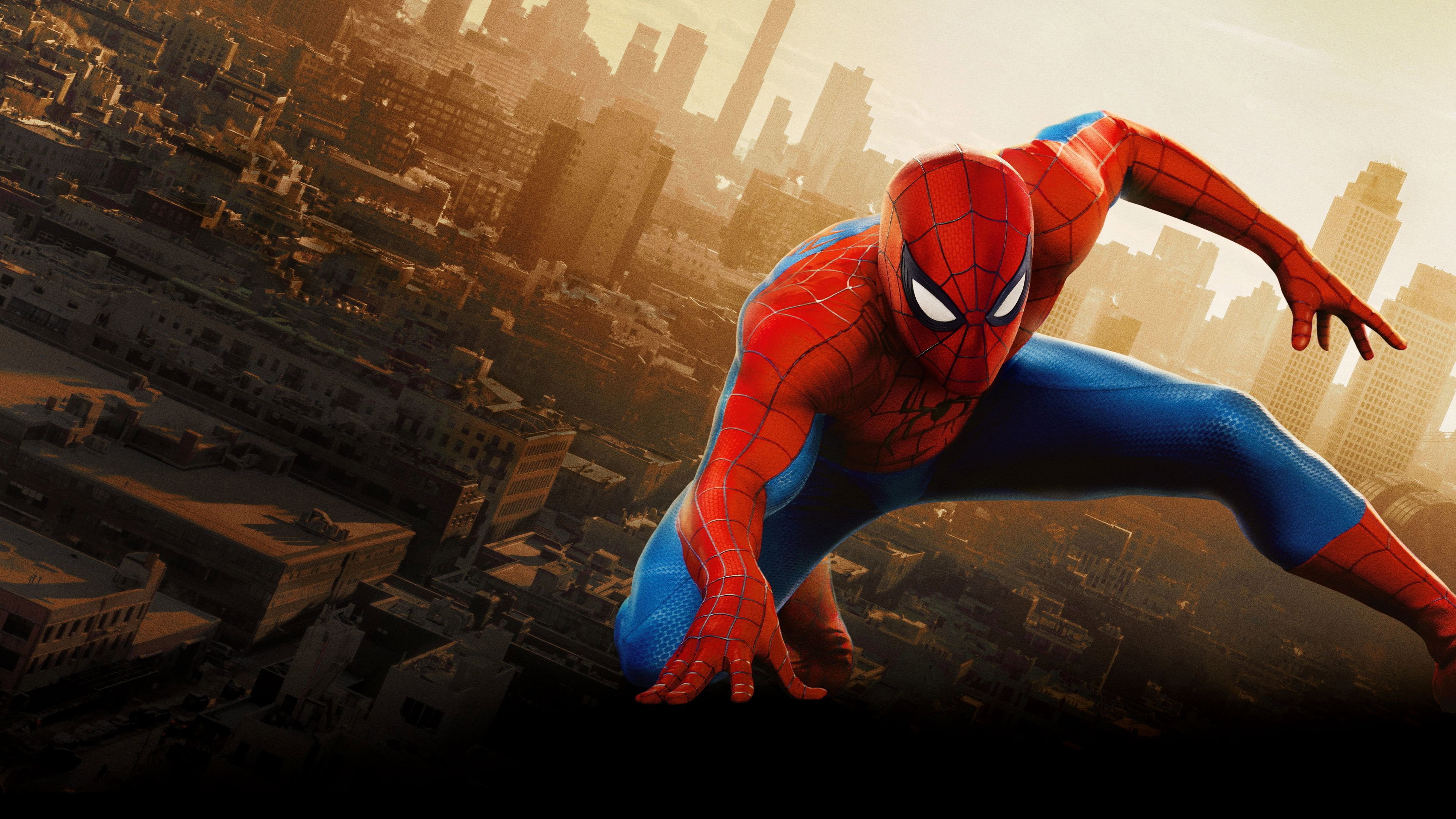
Spider-Man joins the MCU timeline in Captain America: Civil War (2016), and his first solo MCU film is Spider-Man: Homecoming (2017), set eight years after the Battle of New York. Homecoming, directed by Jon Watts, opens with Peter Parker back at school after his part in the conflict in Germany, which is the story of Captain America: Civil War. Tom Holland plays Peter, Robert Downey Jr. plays Tony Stark as his mentor, and Michael Keaton plays Adrian Toomes, a salvager who builds the Vulture flying suit from alien tech. Peter saves Toomes at the end, then turns down an offer to join the Avengers full time. More is on Spider-Man: Homecoming.
Spider-Man: Far From Home (2019), again directed by Watts, follows Peter, still grieving Tony Stark, on a school trip to Europe. Nick Fury recruits him against giant monsters called Elementals alongside Quentin Beck, played by Jake Gyllenhaal, who turns out to be a fraud using holographic projections and drones. A mid credits scene has J. Jonah Jameson broadcasting a doctored video that reveals Peter's name, and the final scene shows that Fury and Maria Hill are the Skrulls Talos and Soren. The film is at Spider-Man: Far From Home.
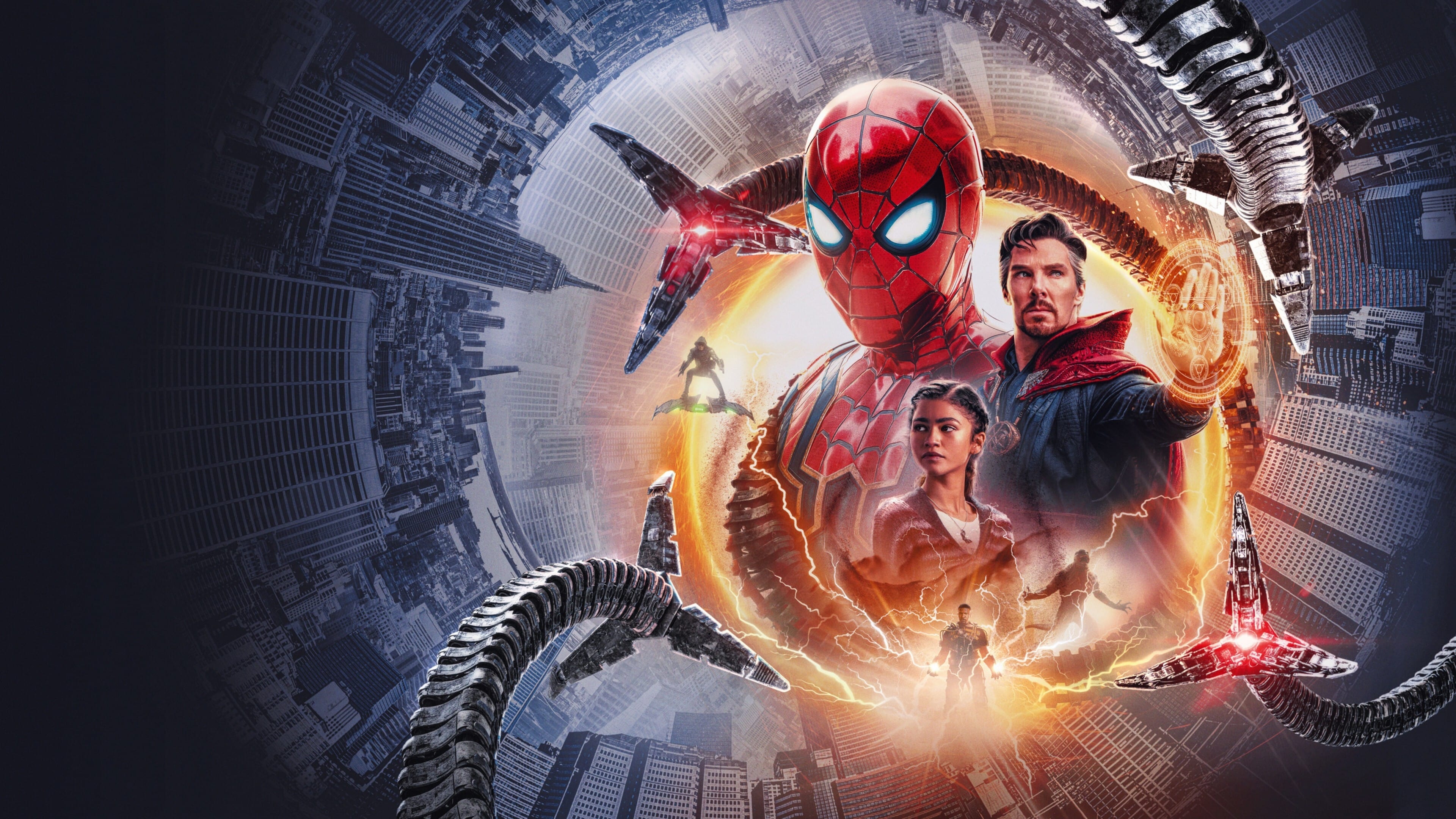
Spider-Man: No Way Home (2021), Watts's third, opens with Peter's identity exposed to the whole world. He asks Doctor Strange, played by Benedict Cumberbatch, for a spell that makes everyone forget, interrupts it, and opens the multiverse. Villains from the Raimi and Webb films arrive, May is fatally wounded, and two other Spider-Men help cure the villains at the Statue of Liberty. Peter then asks Strange to make the world forget him, and the spell removes him from the memory of MJ and Ned. See Spider-Man: No Way Home.
Spider-Man: Brand New Day (2026), directed by Destin Daniel Cretton, is set four years after that spell. Tom Holland returns as Peter Parker, who works alone, visits May's grave, and is pulled into a story with Frank Castle (Jon Bernthal), Yelena Belova (Florence Pugh), Bruce Banner (Mark Ruffalo) and Jean Grey (Sadie Sink). In the last scene he reintroduces himself to Ned and they share their old handshake. It is ninth in the site's chronological order, and the film has its own entry at Spider-Man: Brand New Day.
Spider-Verse Timeline: Miles Morales and the Animated FilmsSpoilers
The Spider-Verse films are two animated Spider-Man films (2018 and 2023) set in their own multiverse, so they sit outside the live action timelines. In the chronological order they come tenth and eleventh, after the live action films, because no calendar links them to Raimi, Webb or the MCU.
Spider-Man: Into the Spider-Verse (2018), directed by Bob Persichetti, Peter Ramsey and Rodney Rothman, is the entry point. Shameik Moore voices Miles Morales, a Brooklyn teenager who is bitten by a radioactive spider. The timeline question here is how other Spider-People turn up in his city: Kingpin's collider tears open the walls between universes, and it drags in an older Peter B. Parker (Jake Johnson), Gwen Stacy, Spider-Man Noir, Peni Parker and Spider-Ham. By the end the visitors are sent back, Miles's uncle Aaron has died as the Prowler, and Miles is his city's Spider-Man. A scene after the credits shows Miguel O'Hara, a Spider-Man from a 2099 future, arriving on Earth-67. The film is at Spider-Man: Into the Spider-Verse.
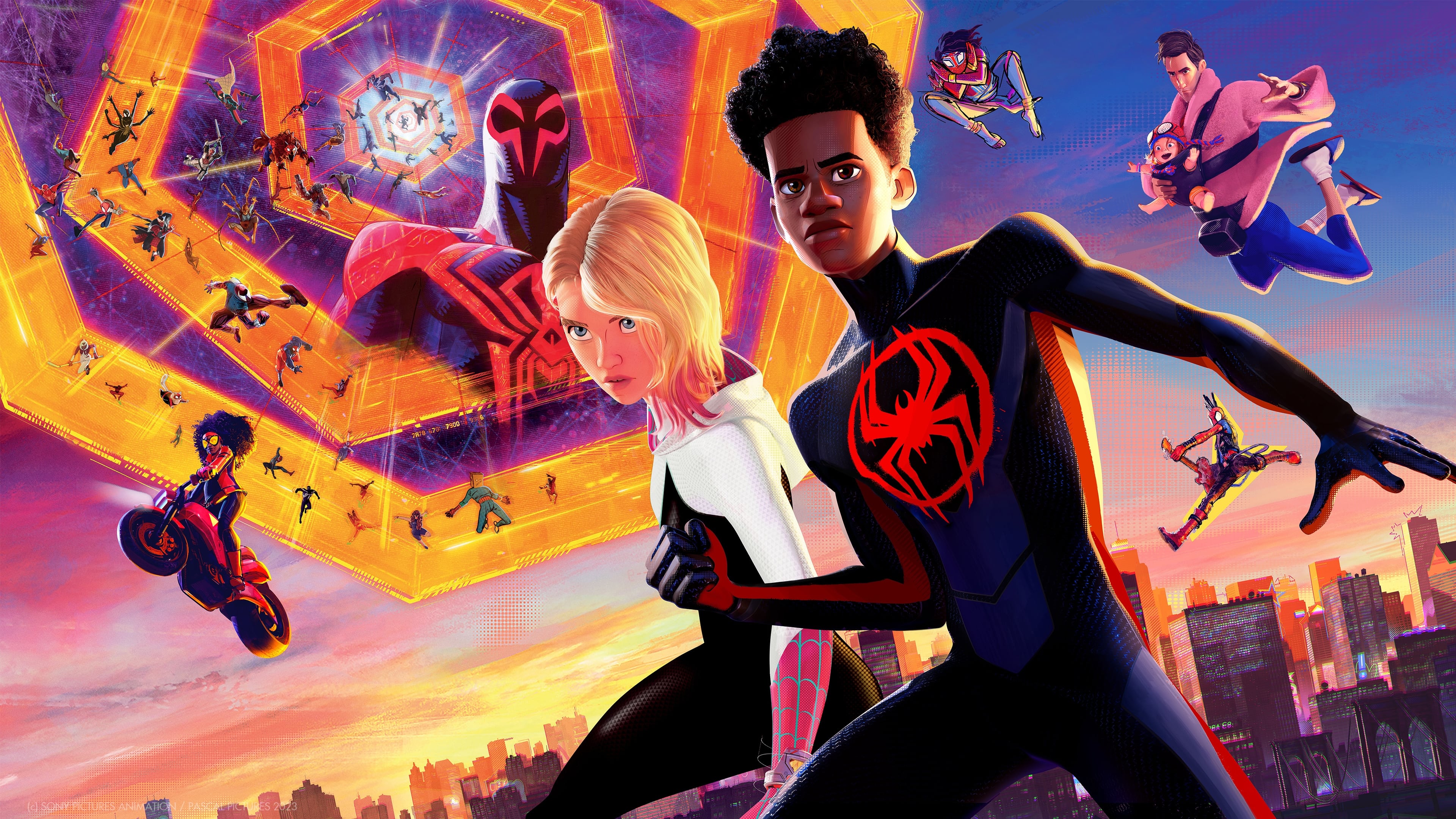
Spider-Man: Across the Spider-Verse (2023), directed by Kemp Powers, Justin K. Thompson and Joaquim Dos Santos, turns the multiverse into a map of numbered Earths. It opens with Gwen on Earth-65 and Miles on Earth-1610, and their pursuit of the Spot, a villain who can travel between universes, leads to the Spider-Society run by Miguel O'Hara (Oscar Isaac). Miguel argues that certain canon events must happen to keep realities stable, and he treats Miles's refusal to let his father die as a threat to all of them. Miles escapes and finds he is on Earth-42, a world where nobody was bitten by the spider that gave him his powers. The film ends on a cliffhanger. Read more at Spider-Man: Across the Spider-Verse.
The story continues in Spider-Man: Beyond the Spider-Verse. Spider-Man: Beyond the Spider-Verse is scheduled for June 18, 2027, after Sony moved it a week earlier in September 2025.
Spider Man Timeline Explained: How the Four Continuities ConnectSpoilers
The four Spider-Man continuities connect only through Spider-Man: No Way Home (2021), which brings the Raimi and Webb versions of Peter Parker into the MCU timeline. Its credits list Tom Holland, Andrew Garfield and Tobey Maguire each as Peter Parker / Spider-Man, and its villains include Otto Octavius, Max Dillon, Flint Marko, Curt Connors and Norman Osborn from the earlier eras.
How does that crossover work? Doctor Strange's spell goes wrong because Peter keeps changing its terms while it is being cast, and it pulls in people from other universes who know Spider-Man's identity. That makes the Raimi and Webb films the histories of other universes, not earlier chapters of Holland's story. A newcomer therefore needs no homework, since Spider-Man: Homecoming works as a starting point without a single scene from 2002 or 2012.
The animated films need even less reconciling. Miles Morales lives on Earth-1610, Gwen Stacy comes from Earth-65, and the rest of the Spider-People are drawn from many worlds, so the Spider-Verse never has to line up with a live action calendar. A pattern still links all four lines: Uncle Ben dies in the Raimi and Webb films, Uncle Aaron dies in Spider-Man: Into the Spider-Verse, and May dies in Spider-Man: No Way Home for Holland's Peter.
If you want a marathon, the MCU group is the only one where order matters, so I would watch Spider-Man: Homecoming, Spider-Man: Far From Home, Spider-Man: No Way Home and Spider-Man: Brand New Day in that sequence and treat the other three groups as stand alone eras. The full numbered lists, with the best place to begin, are at Spider-Man movies in order, and the Spider-Man movies hub holds the rest of the series.
Facts
- Spider-Man (2002) opened in the US on May 3, 2002. The Numbers, checked 2026-11-02
- Spider-Man 2 (2004) opened in the US on June 30, 2004, a date Sony moved up from July 2. Sony Pictures, checked 2026-11-02
- Spider-Man 3 (2007) opened in the US on May 4, 2007. The Numbers, checked 2026-11-02
- The Amazing Spider-Man (2012) opened in the US on July 3, 2012. Sony Pictures via PR Newswire, checked 2026-11-02
- The Amazing Spider-Man 2 (2014) opened in the US on May 2, 2014. The Numbers, checked 2026-11-02
- Spider-Man: Homecoming (2017) opened in the US on July 7, 2017. Box Office Mojo, checked 2026-11-02
- Spider-Man: Into the Spider-Verse (2018) opened in the US on December 14, 2018. TMDB, checked 2026-11-02
- Spider-Man: Far From Home (2019) opened in the US on July 2, 2019. The Numbers, checked 2026-11-02
- Spider-Man: No Way Home (2021) opened in the US on December 17, 2021. Wikipedia, alongside Box Office Mojo and TMDB, checked 2026-11-02
- Spider-Man: Across the Spider-Verse (2023) opened in the US on June 2, 2023. Box Office Mojo, checked 2026-11-02
- Spider-Man: Brand New Day (2026) opened in the US on July 31, 2026. Box Office Mojo, checked 2026-11-02
FAQs
Where does Spider-Man go in the MCU timeline?
Spider-Man first appears in the MCU in Captain America: Civil War (2016), then continues through Spider-Man: Homecoming (2017), Spider-Man: Far From Home (2019), Spider-Man: No Way Home (2021) and Spider-Man: Brand New Day (2026). Spider-Man: Homecoming is set eight years after the Battle of New York, and Spider-Man: Brand New Day is set four years after the spell that erased Peter from everyone's memory. The Raimi, Webb and Spider-Verse films are not part of that line.
What is the correct order to watch Spider-Man?
Watch the nine live action films in release order, from Spider-Man (2002) to Spider-Man: Brand New Day (2026), which is also their chronological order, then add the two Spider-Verse films. The two Spider-Verse films come last in the chronological order. Both numbered lists, with the best starting point, are at Spider-Man movies in order.
What are all the Spider-Man movies?
There are 11 released Spider-Man movies, nine live action and two animated: Spider-Man (2002), Spider-Man 2 (2004), Spider-Man 3 (2007), The Amazing Spider-Man (2012), The Amazing Spider-Man 2 (2014), Spider-Man: Homecoming (2017), Spider-Man: Into the Spider-Verse (2018), Spider-Man: Far From Home (2019), Spider-Man: No Way Home (2021), Spider-Man: Across the Spider-Verse (2023) and Spider-Man: Brand New Day (2026). The count and every film are covered at How many Spider-Man movies are there.
Do the Tobey Maguire and Andrew Garfield films connect to the MCU timeline?
The Tobey Maguire and Andrew Garfield films connect to the MCU timeline only through Spider-Man: No Way Home (2021), where their versions of Peter Parker arrive from their own universes and help Holland's Peter cure the visiting villains at the Statue of Liberty. Their own films, the Raimi trilogy and the two Webb films, are separate stories that do not share events with the MCU.
Where does Spider-Man: Brand New Day fit in the Spider-Man timeline?
Spider-Man: Brand New Day (2026), directed by Destin Daniel Cretton, comes straight after Spider-Man: No Way Home and takes place four years after Doctor Strange's spell. It is the ninth film in the site's chronological order and was released in the US on July 31, 2026.
Where do the Spider-Verse movies fit in the Spider-Man timeline?
The Spider-Verse movies sit outside the live action timelines, in their own animated multiverse where Miles Morales lives on Earth-1610. Spider-Man: Beyond the Spider-Verse is scheduled to continue the story on June 18, 2027, and its status is tracked at Spider-Man: Beyond the Spider-Verse.