
Star Wars Movies Ranked: Best to Worst, All 13 Films
Star Wars movies ranked best to worst, in my opinion: The Empire Strikes Back (1980) is first and Star Wars: The Clone Wars (2008) is last of all 13 theatrical films. This is my opinion, built on a stated method instead of outside scores, with Irvin Kershner directing the first-placed film and Dave Filoni the last. The list covers 9 films plus 4 spin-offs, including The Mandalorian and Grogu (2026), and the best spin-off is Rogue One: A Star Wars Story (2016) in fourth place. The reasoning for each placement follows, so you can disagree with the right step rather than with a number.
Key Takeaways
- The Empire Strikes Back (1980) is first in this ranking, with Star Wars (1977), also known as A New Hope, second.
- The list covers 13 theatrical films: 9 saga films plus 4 spin-offs, with The Mandalorian and Grogu (2026) the newest.
- Rogue One: A Star Wars Story (2016) is the highest placed spin-off, in fourth place overall.
- Star Wars: The Clone Wars (2008) is last because it is the slightest standalone story, not because of any outside score.
- Box office, critic scores and fan polls play no part in the order, and timeline position does not either.
Hot Takes
- Opinion, Priya Nair: Star Wars: Revenge of the Sith (2005) belongs above Return of the Jedi (1983), because its earlier setup pays off more completely.
- Opinion, Priya Nair: Rogue One: A Star Wars Story (2016) is a better film than Star Wars: The Force Awakens (2015), even though the latter grossed $2.07 billion worldwide, according to Box Office Mojo, against $1.06 billion.
- Opinion, Priya Nair: Star Wars: The Last Jedi (2017) sits seventh, and I suspect its sternest critics and its keenest defenders are each a place or two away from the right answer.
Opinion, by Priya Nair.
- 1
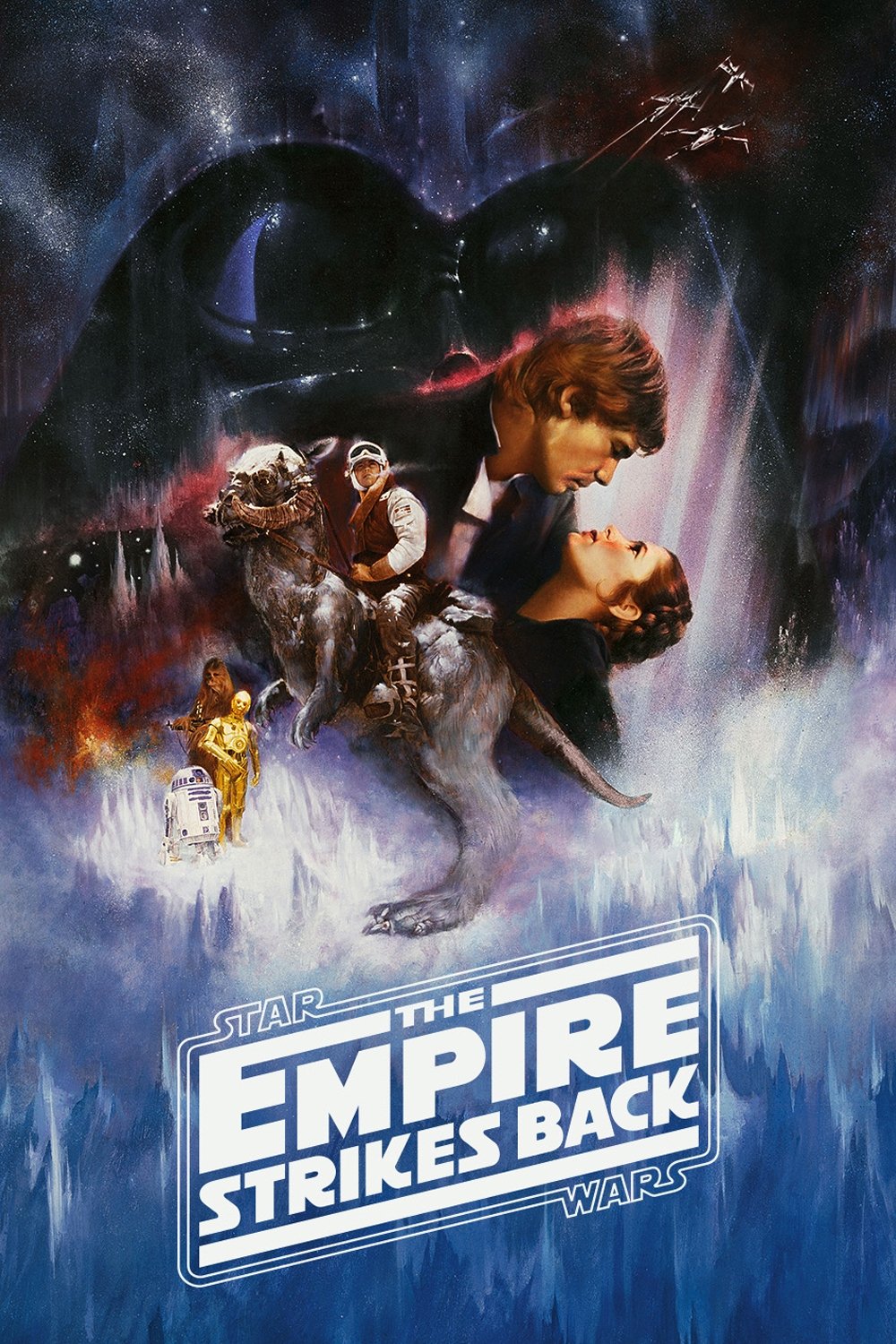
The Empire Strikes Back
The Empire Strikes Back (1980), directed by Irvin Kershner, is first because it keeps the pressure on for 124 minutes, from the retreat on Hoth to its unsettled ending. The film opens with that retreat, and the Hoth scenes were filmed at Finse, with principal photography starting on March 5, 1979 in conditions that included avalanches, and that cold is visible in the frame. It cost $18 million, against $275 million for Star Wars: The Rise of Skywalker, and grossed $550 million worldwide. In my opinion, no later film has matched its mix of a large battle and a quiet character scene.
- 2

Star Wars
Star Wars (1977), directed by George Lucas, is second because it set the rules every later film follows while costing only $11 million and earning $775 million worldwide. The story is simple on purpose: stolen Death Star plans, a message hidden in R2-D2, and a farm boy on Tatooine who is not the person the message was meant for. Principal photography began on March 22, 1976 in Tunisia, and the crew later used all nine stages at Elstree. I place it behind The Empire Strikes Back only because the sequel has more to work with, and it could be argued that this is a matter of taste.
- 3

Star Wars: Episode III - Revenge of the Sith
Star Wars: Revenge of the Sith (2005), directed by George Lucas, is third because it is the prequel where the earlier setup pays off. It opens with a battle over Coruscant to rescue Chancellor Palpatine from General Grievous, and then spends its middle on the Jedi Council's distrust of Palpatine and Anakin's dreams about Padmé. It grossed $906 million worldwide on a $113 million budget, and Battle of the Heroes by John Williams is the cue I would pick from the prequel era. It could be argued that Return of the Jedi deserves this slot, but I think this film has the sturdier spine.
- 4
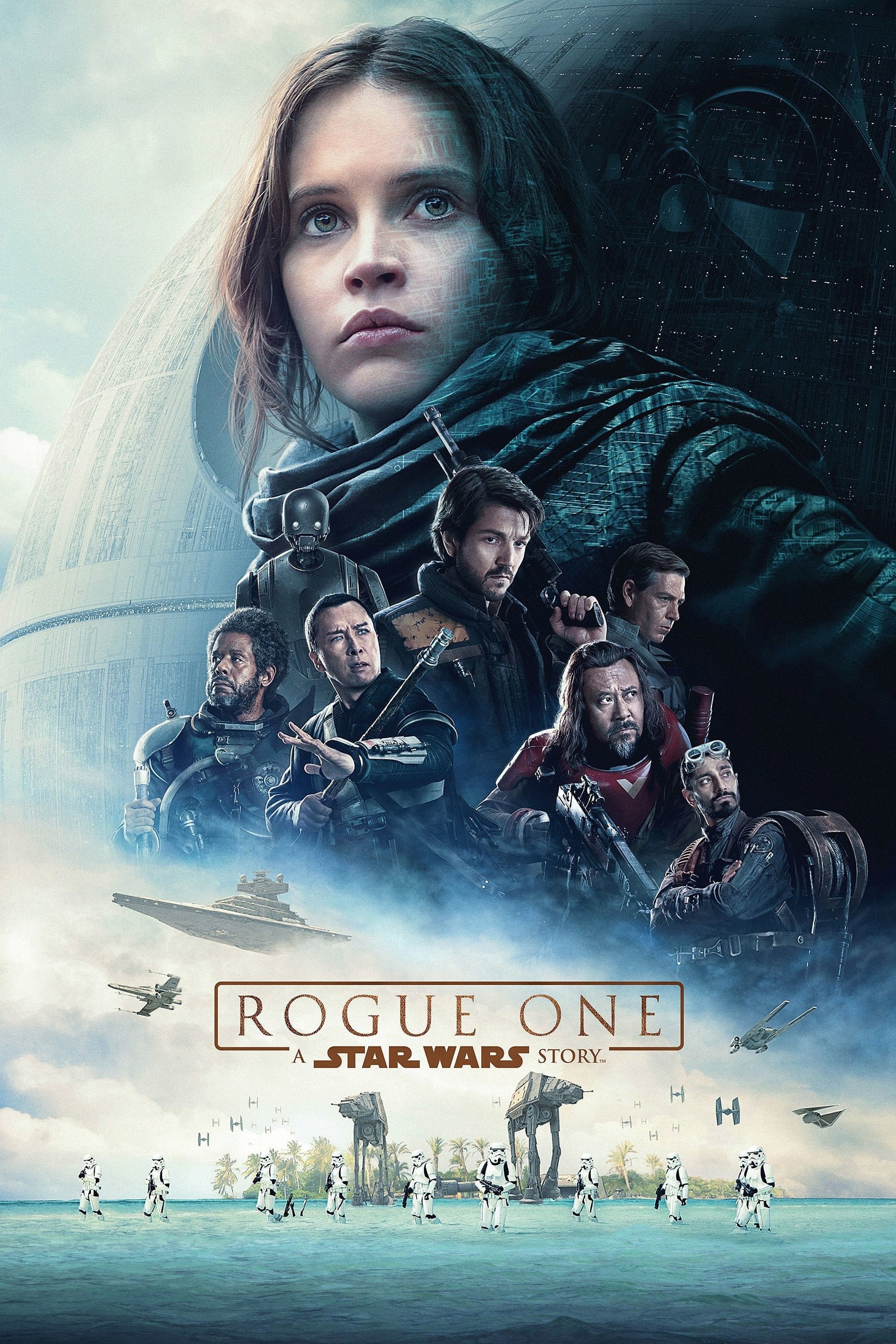
Rogue One: A Star Wars Story
Rogue One: A Star Wars Story (2016), directed by Gareth Edwards, is the best spin-off and fourth overall because it works as a self-contained heist-and-sacrifice story while setting up Star Wars (1977). It sends Jyn Erso, Cassian Andor and the reprogrammed droid K-2SO after Galen Erso's message about the Death Star. Michael Giacchino composed the score, and the film grossed $1.06 billion worldwide on a $200 million budget. The ensemble of Donnie Yen, Jiang Wen and Riz Ahmed is my favorite among the spin-offs.
- 5
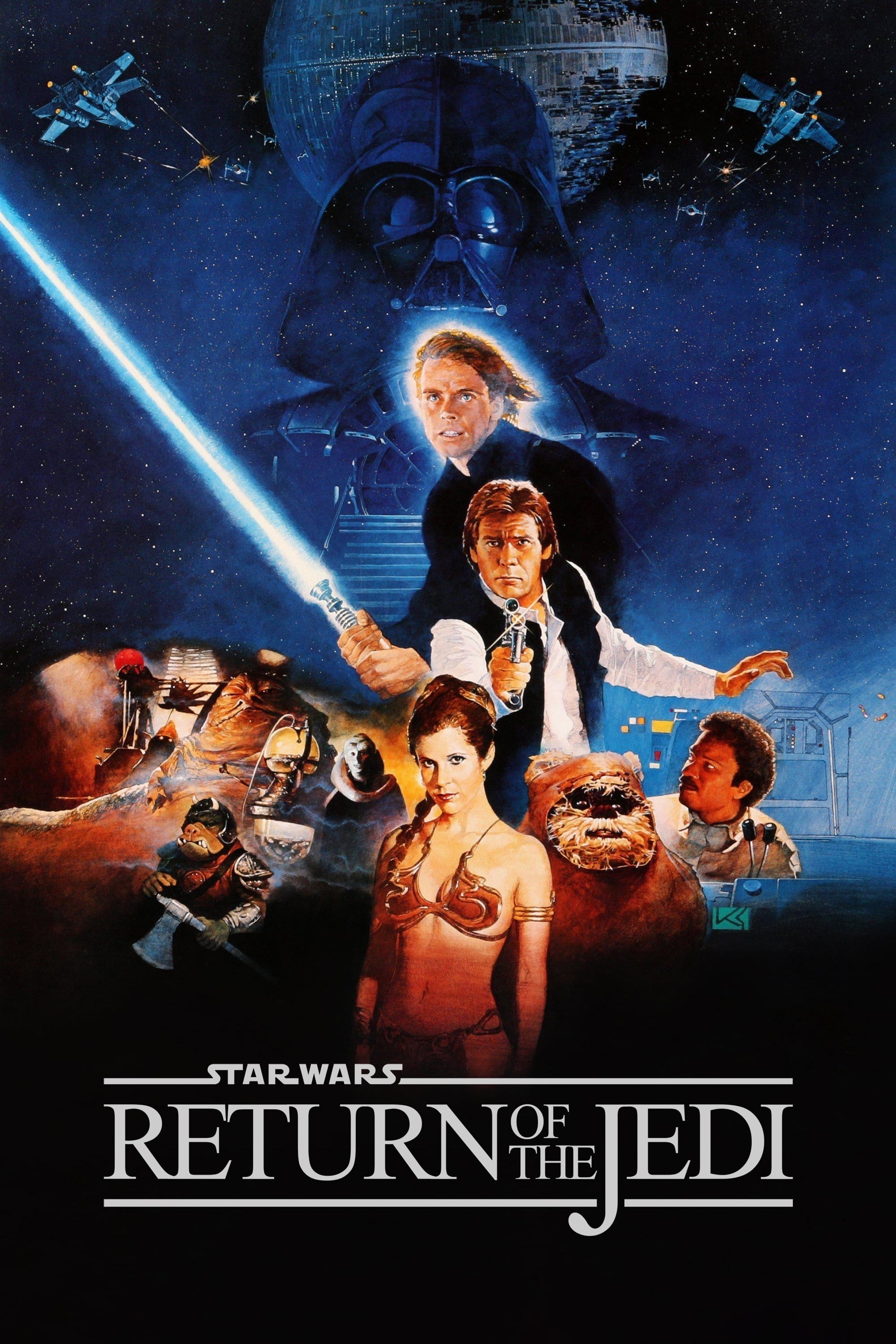
Return of the Jedi
Return of the Jedi (1983), directed by Richard Marquand, is fifth: a strong closing film to the original three, with the loosest first act of that group. It begins with the rescue of Han Solo from Jabba the Hutt's palace, which works as a set piece, and then turns to the second Death Star. Production ran under the cover title Blue Harvest, and the film grossed $482 million worldwide on a $32.5 million budget. I hedge on the loose first act because the final stretch is among the best things in the saga, but I find the middle thinner than the two films before it.
- 6

Star Wars: The Force Awakens
Star Wars: The Force Awakens (2015), directed by J.J. Abrams, is sixth: it reintroduced the saga with real energy and grossed $2.07 billion worldwide, according to Box Office Mojo, on a $245 million budget. It was shot on 35mm Panavision cameras and used real locations including Abu Dhabi and Skellig Michael, and that practical weight shows throughout. My reservation is structural, because a map fragment hidden in BB-8 asks the audience to remember the shape of Star Wars (1977) more than it offers a new one. Rey, Finn and Poe Dameron are a likeable ensemble regardless.
- 7
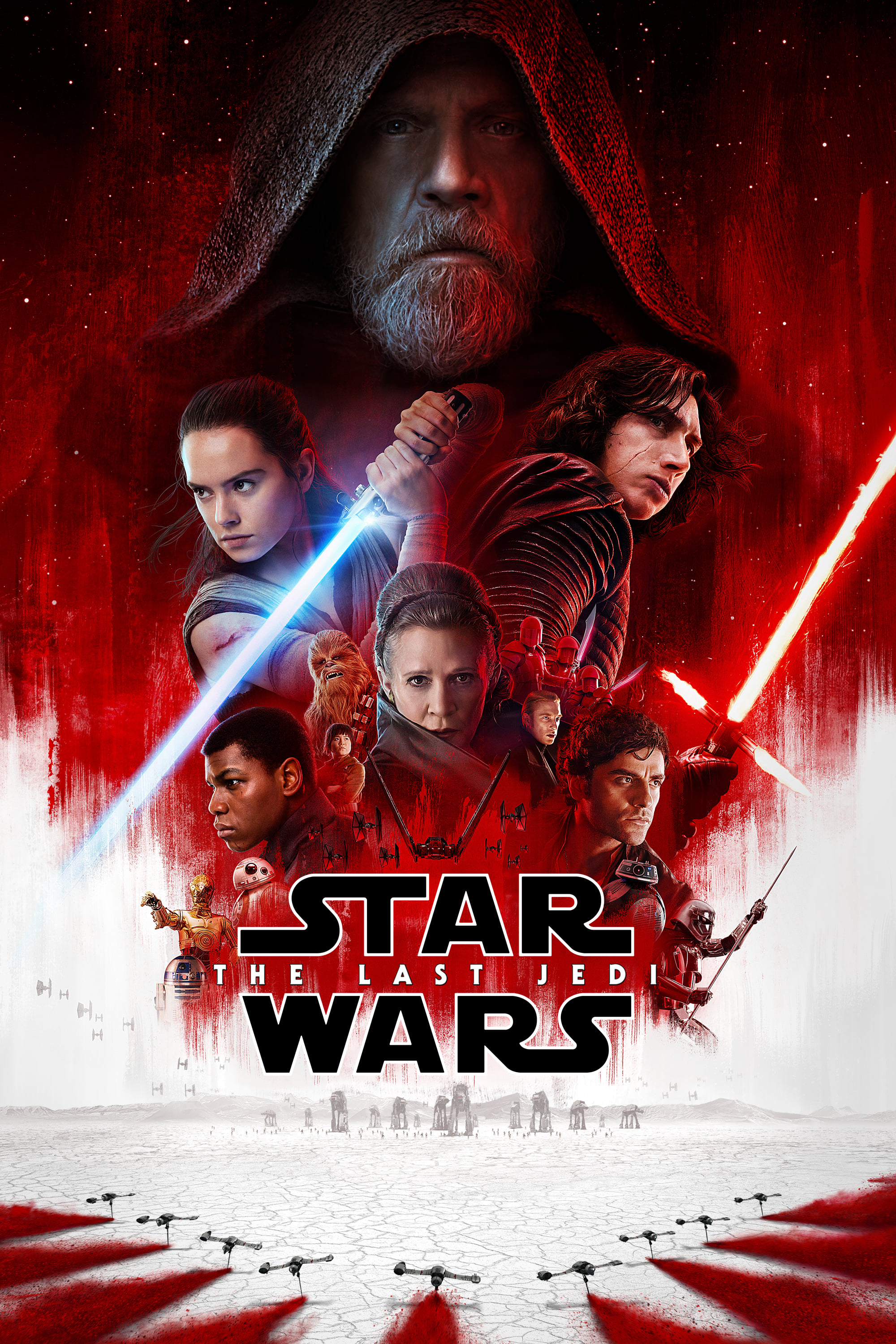
Star Wars: The Last Jedi
Star Wars: The Last Jedi (2017), directed by Rian Johnson, is seventh, and it is the film on my list where I most expect disagreement. At 152 minutes it is the longest of the 13, and it spends that time on two threads: Rey with Luke Skywalker on Ahch-To, and a Resistance fleet low on fuel under Vice Admiral Holdo. Irish locations including Sybil Head were used, and the film grossed $1.33 billion worldwide. In my opinion, I admire its ambition more than I enjoy its pacing.
- 8

Star Wars: Episode II - Attack of the Clones
Star Wars: Attack of the Clones (2002), directed by George Lucas, is eighth because its ambitions outrun its script. It was captured fully digitally, with more than 2,000 visual effects shots (mostly from ILM) and a digital Yoda, which is its main legacy for how the saga was made. The romance between Anakin and Padmé, scored with Across the Stars, never fully convinces me, although the Obi-Wan investigation in the first half has a pleasing detective shape. It grossed $654 million worldwide on a $115 million budget.
- 9
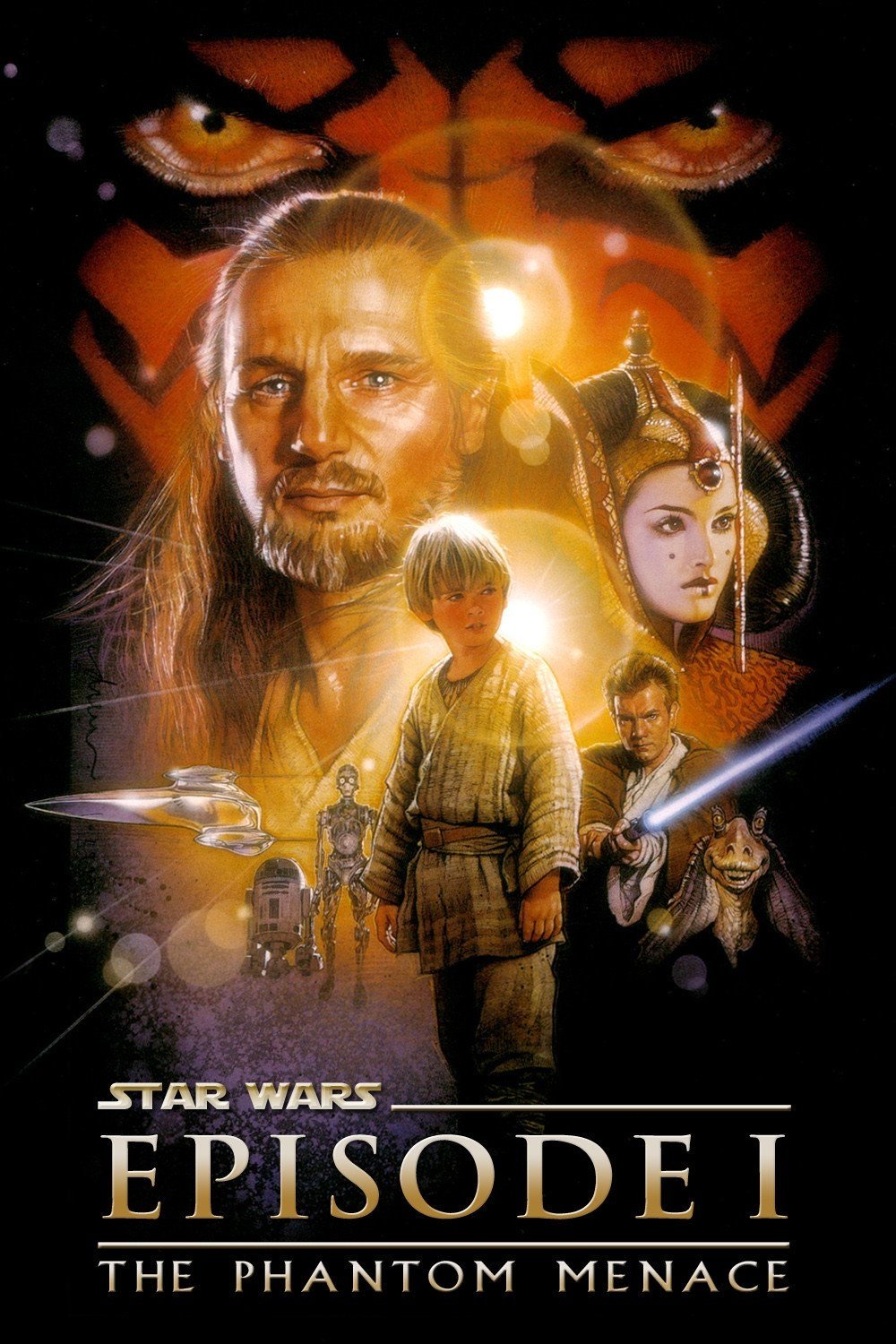
Star Wars: Episode I - The Phantom Menace
Star Wars: The Phantom Menace (1999), directed by George Lucas, is ninth, and in my opinion it is better than its reputation. The Naboo blockade, the Tatooine detour and the Jedi pairing of Qui-Gon Jinn and Obi-Wan Kenobi make the first act clear, and Duel of the Fates by John Williams gives the lightsaber duel its weight. It grossed $1.05 billion worldwide on a $115 million budget. I place it below Attack of the Clones only because the political middle section gives the audience less to watch than the rest.
- 10
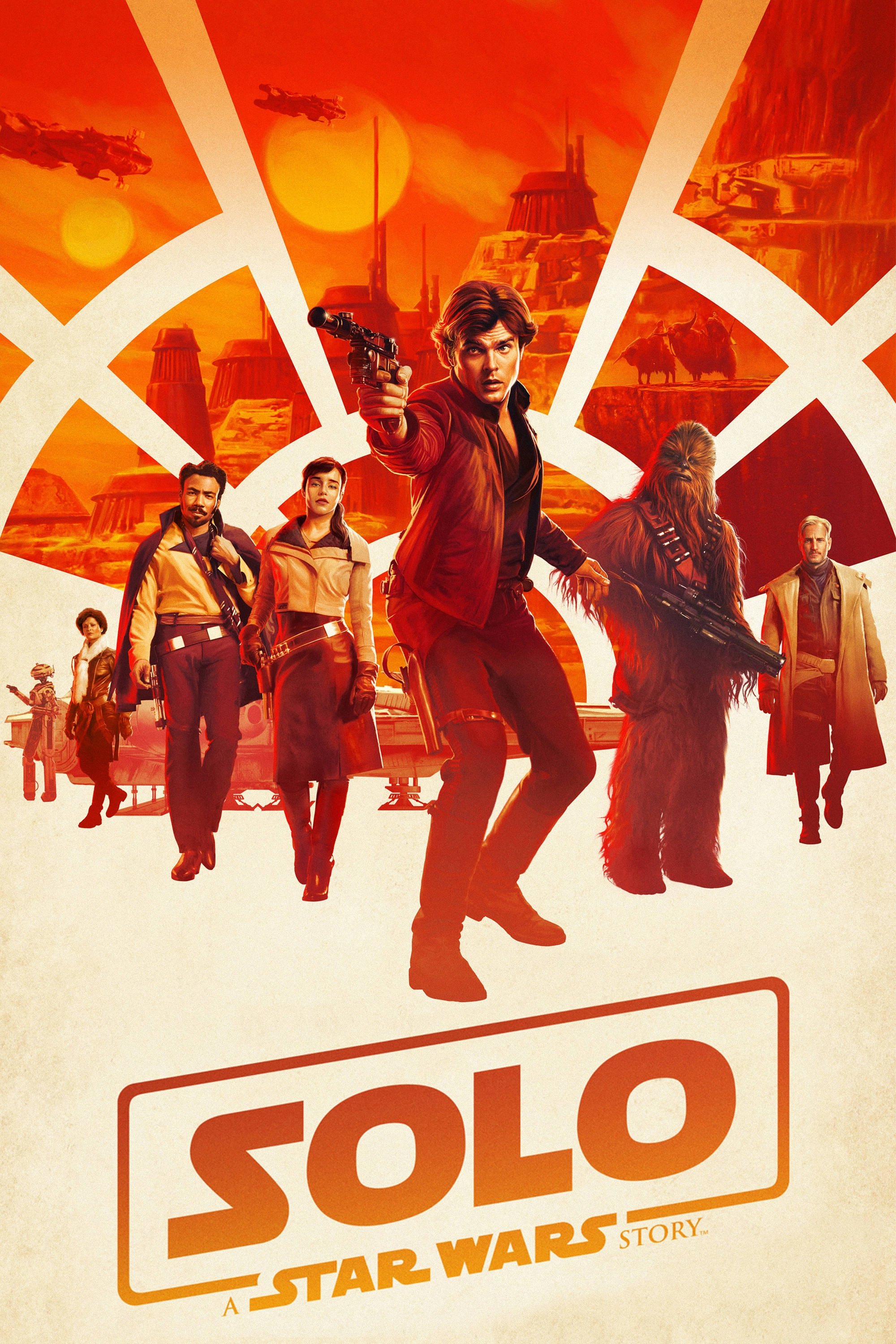
Solo: A Star Wars Story
Solo: A Star Wars Story (2018), directed by Ron Howard, is tenth: an origin story for Han Solo that is lighter than its reputation but thinner than the films above it. Ron Howard took over after the departure of Lord and Miller was announced on June 20, 2017, and the film still holds together visually, with locations that include Fuerteventura and the Dolomites. It grossed $393 million worldwide against a reported $275 million budget (the Box Office Mojo figure, as other trackers list more). Alden Ehrenreich, Donald Glover as Lando Calrissian and Phoebe Waller-Bridge as L3-37 are the reasons I would still recommend it.
- 11
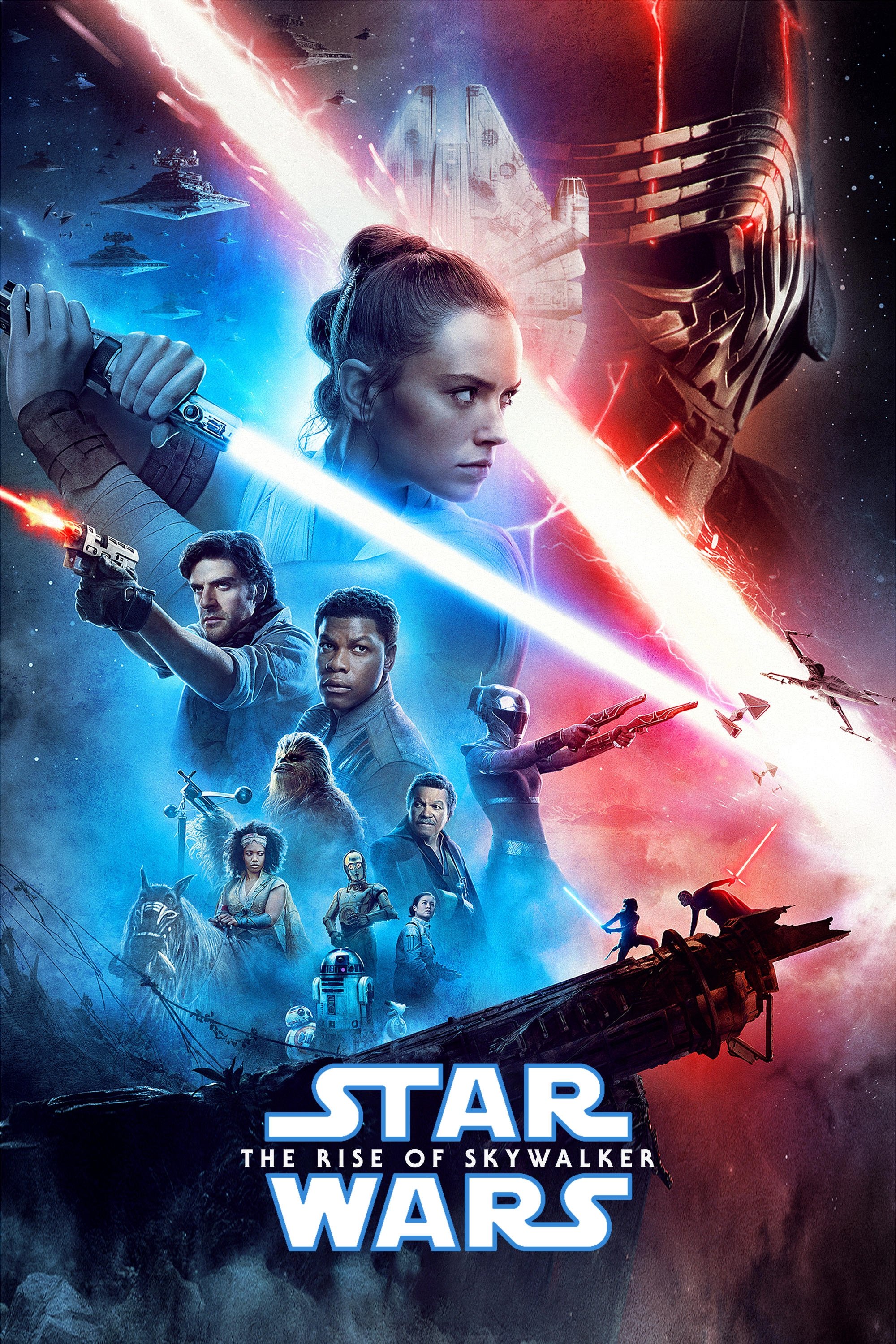
Star Wars: The Rise of Skywalker
Star Wars: The Rise of Skywalker (2019), directed by J.J. Abrams, is eleventh because it has to close the nine episode saga in 142 minutes and moves too fast to let any one thread land. It opens with Palpatine broadcasting a message, sends Rey, Poe, Finn and Chewbacca to Pasaana, and then keeps adding wayfinders and destinations. It filmed in Jordan, at Wadi Rum among other places, and opened to $175.5 million domestic on its way to $1.08 billion worldwide. I enjoy the cast, in particular Daisy Ridley and Adam Driver, but the plotting asks for a recap more than any other film here.
- 12

The Mandalorian and Grogu
The Mandalorian and Grogu (2026), directed by Jon Favreau, is twelfth: a well made adventure that feels closer to a long episode than to a film. Din Djarin and Grogu are sent to rescue Rotta, the son of Jabba the Hutt, from gladiator fights on the moon Shakari, and Rotta does not want to be rescued, which is the one turn on the formula. It is the first Star Wars feature shot entirely in California, and Ludwig Göransson composed the score. It grossed $346 million worldwide on a $165 million budget (The Numbers figures).
- 13

Star Wars: The Clone Wars
Star Wars: The Clone Wars (2008), directed by Dave Filoni, is last, and the reason is scale rather than effort: it is a 98 minute animated spin-off, the shortest of the 13 and the smallest by budget at $8.5 million. It sits between Attack of the Clones and Revenge of the Sith in the chronological order, and its story is a single errand to recover the kidnapped son of Jabba the Hutt, built around the arrival of Ahsoka Tano as Anakin's Padawan. Warner Bros distributed it worldwide, and it took $14.6 million in its opening weekend and $68.3 million in total. I rank it last as the slightest standalone story, and Kevin Kiner's score is the part I would keep.
Star Wars Movies Ranked: How I Judge Every Film
This ranking judges every Star Wars film on four tests applied in the same order: standalone story, contribution to the saga, on-screen craft, and rewatch value. In practice, I ask how well the film works as a story on its own, what it adds to the saga's rules and chronology, the craft on screen (practical stunts, set pieces, score), and how it holds up on a second viewing. Each film is placed by those tests alone. The list covers all 13 theatrical features, which the site counts as 9 films plus 4 spin-offs, and it is current for 2026 now that The Mandalorian and Grogu has been released.
Why Do Box Office and Scores Not Decide the Order?
Box office and review scores do not decide the order because grosses reflect release windows, ticket prices and novelty rather than quality, and this ranking borrows no outside score. Star Wars: The Force Awakens (2015), directed by J.J. Abrams, grossed $2.07 billion worldwide, according to Box Office Mojo, and sits sixth, while The Empire Strikes Back (1980), directed by Irvin Kershner, grossed $550 million and sits first. I use grosses as context only, and the full table lives on the Star Wars box office page.
If you searched for Star Wars movies ranked by fans, note that this is not a poll. It is one writer's list with the reasoning shown, and our own Star Wars reviews will follow in time.
Which Films Are on the List?
The list has 13 films: the nine saga episodes plus four spin-offs, namely Star Wars: The Clone Wars (2008), Rogue One: A Star Wars Story (2016), Solo: A Star Wars Story (2018) and The Mandalorian and Grogu (2026). Series, shorts and specials are left out, and you can find them on the Star Wars TV shows page. Star Wars: Starfighter is still in production, so it is not ranked, and the Star Wars: Starfighter page tracks its status.
Does Timeline Position Affect the Ranking?
Timeline position has no effect on placement, which is why the prequels are spread across the list instead of sitting together. In chronological order Star Wars: The Phantom Menace comes first, followed by Star Wars: Attack of the Clones, Star Wars: The Clone Wars (2008) and Star Wars: Revenge of the Sith, while Star Wars (1977), also known as A New Hope, is seventh and The Mandalorian and Grogu is tenth. Release order is different again and starts with Star Wars (1977). Both lists are on the Star Wars movies in order page, and the Star Wars timeline page sets out the story in sequence. Each film is judged on what is on screen, whatever its place in the story.
How Are the Tiers Built?
The 13 films fall into four tiers: a top four I would hand a newcomer without a caveat, a middle three with one clear flaw each, the two earlier prequels, and a bottom four that each lack something different. The top four are The Empire Strikes Back, Star Wars (1977), Revenge of the Sith and Rogue One: A Star Wars Story. Places five to seven, Return of the Jedi, The Force Awakens and Star Wars: The Last Jedi, are strong films that each carry one clear flaw in my view. Places eight and nine belong to Attack of the Clones and The Phantom Menace, which have ideas I admire more than their finished scenes.
The bottom four are a mixed set. Solo: A Star Wars Story, Star Wars: The Rise of Skywalker, The Mandalorian and Grogu and The Clone Wars (2008) are each missing something the films above them have, and the reason is different every time.
Should You Watch Star Wars in the Order 4, 5, 1, 2, 3, 6?
The 4, 5, 1, 2, 3, 6 order, often called Machete order, is a fan-made viewing choice rather than release order (4, 5, 6, 1, 2, 3) or chronological order (1, 2, 3, 4, 5, 6). Of those orders, I recommend release order for a first viewing, since it keeps each reveal in the place the filmmakers put it. The Star Wars movies in order page lists both orders in full with every spin-off placed. If you want the strongest film first, start at the top of this ranking, and if you want the whole run, open that page and work down it. The full set of films is also on the Star Wars movies hub.
FAQs
Which Star Wars movie is considered the best?
In this ranking, The Empire Strikes Back (1980) is the best Star Wars movie, ahead of Star Wars (1977) in second place. That is my opinion rather than a consensus or a poll, and the method above explains how I reached it. The Empire Strikes Back was directed by Irvin Kershner, runs 124 minutes and was made for $18 million, against $275 million for Star Wars: The Rise of Skywalker.
Should I watch Star Wars 4 5 1 2 3 6?
The 4, 5, 1, 2, 3, 6 order (Machete order) is a fan-made viewing choice, not release order (4, 5, 6, 1, 2, 3) or chronological order. Chronological order starts with Star Wars: The Phantom Menace and places Star Wars (1977) seventh. For a first viewing I would use release order, and our Star Wars movies in order page lists both orders with every spin-off placed.
What are the best Star Wars movies, ranked in order?
My order, best to worst, is: 1 The Empire Strikes Back, 2 Star Wars (1977), 3 Star Wars: Revenge of the Sith, 4 Rogue One: A Star Wars Story, 5 Return of the Jedi, 6 Star Wars: The Force Awakens, 7 Star Wars: The Last Jedi, 8 Star Wars: Attack of the Clones, 9 Star Wars: The Phantom Menace, 10 Solo: A Star Wars Story, 11 Star Wars: The Rise of Skywalker, 12 The Mandalorian and Grogu and 13 Star Wars: The Clone Wars (2008). Each placement has a short written reason in the ranking.
What is the lowest rated Star Wars?
Star Wars: The Clone Wars (2008) is the lowest-ranked of the 13 films in this list, which uses no outside ratings. Cinvibe does not quote a single outside score for the lowest rated film, so the placement rests on my own method. I put the film, directed by Dave Filoni, last because it is the slightest standalone story of the 13. The Mandalorian and Grogu (12th) and Star Wars: The Rise of Skywalker (11th) are the next lowest in my order.
How many Star Wars movies are there?
There are 13 Star Wars theatrical films: 9 saga films and 4 spin-offs, as of 2026. This ranking places all 13. Star Wars: Starfighter is not counted because it has not been released.
Which Star Wars spin-off is the best?
Rogue One: A Star Wars Story (2016), directed by Gareth Edwards, is the best spin-off in my ranking and sits fourth overall. Solo: A Star Wars Story is tenth, The Mandalorian and Grogu is twelfth and Star Wars: The Clone Wars (2008) is thirteenth. That is my opinion, and the reasons are in the ranking.