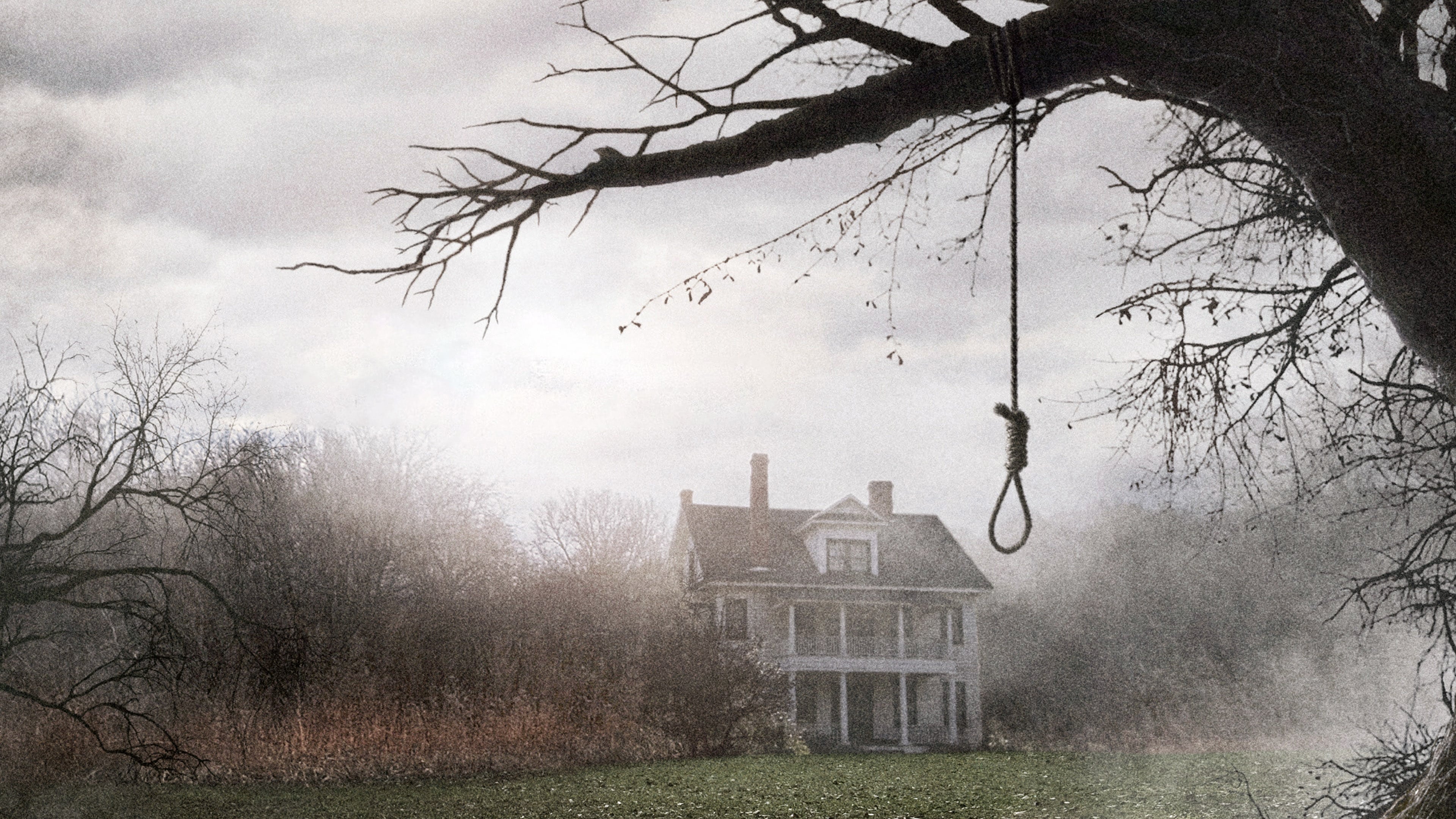
Conjuring True Story: The Real Cases Behind the Films
The Conjuring true story is a set of four cases that Ed and Lorraine Warren claimed and the films dramatize: a Rhode Island farmhouse in 1971, the Enfield haunting in north London in 1977, a Connecticut possession and murder trial in 1981, and the Smurl family haunting in West Pittston, Pennsylvania, in 1986. Nothing in the films proves the paranormal, so each case below is reported as the film depicts it.
Conjuring true story
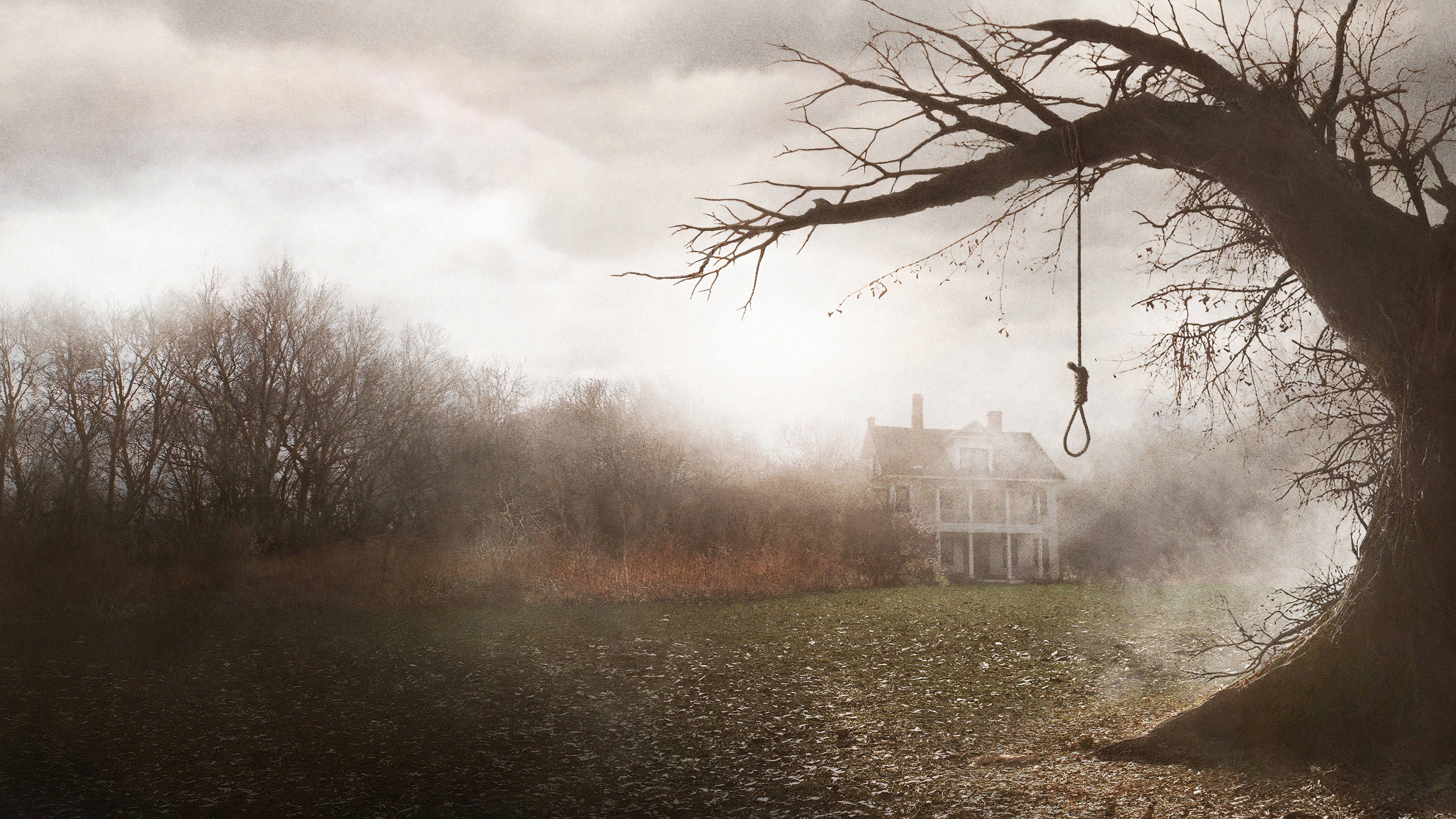
The Conjuring (2013)
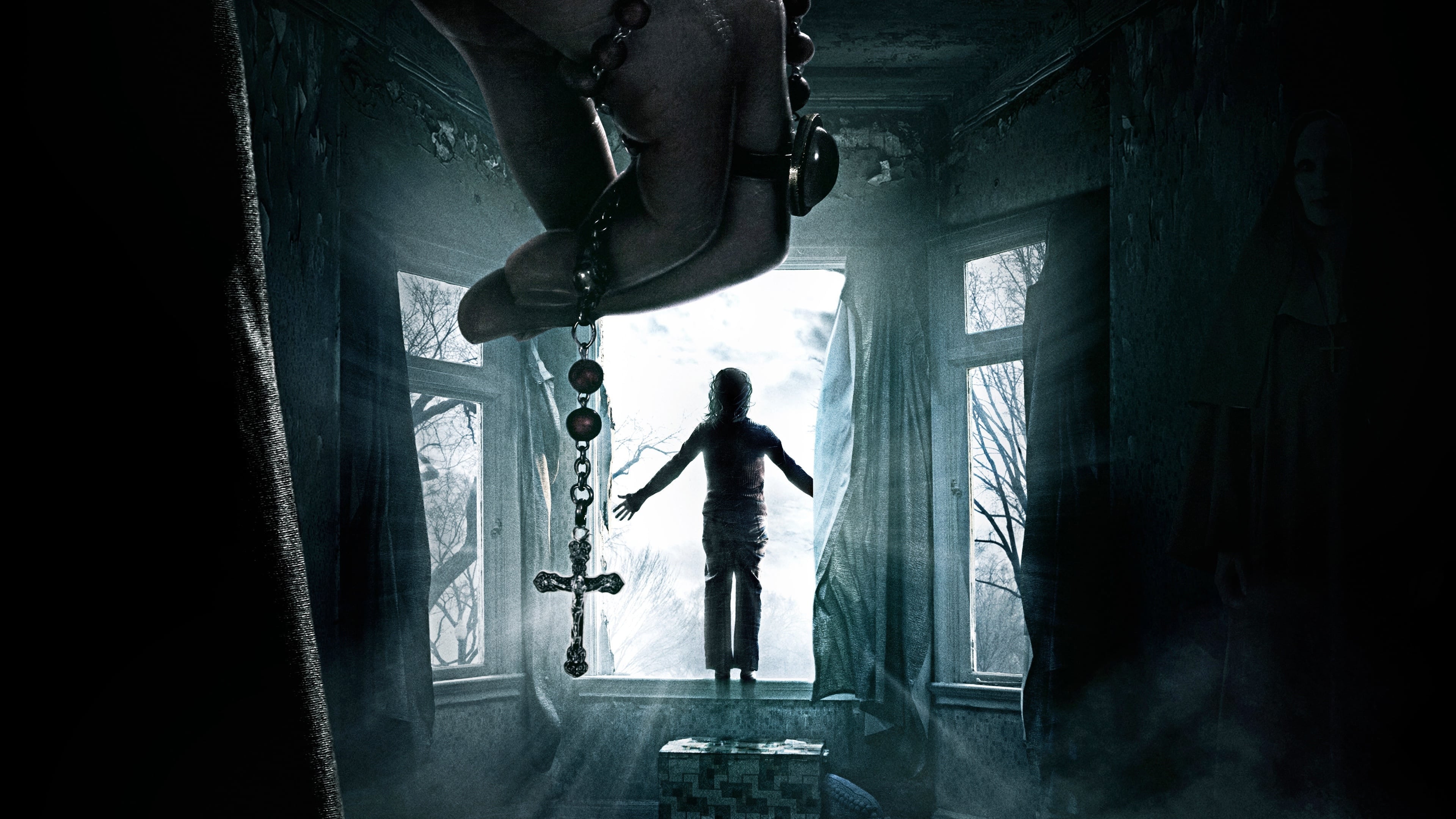
The Conjuring 2 (2016)
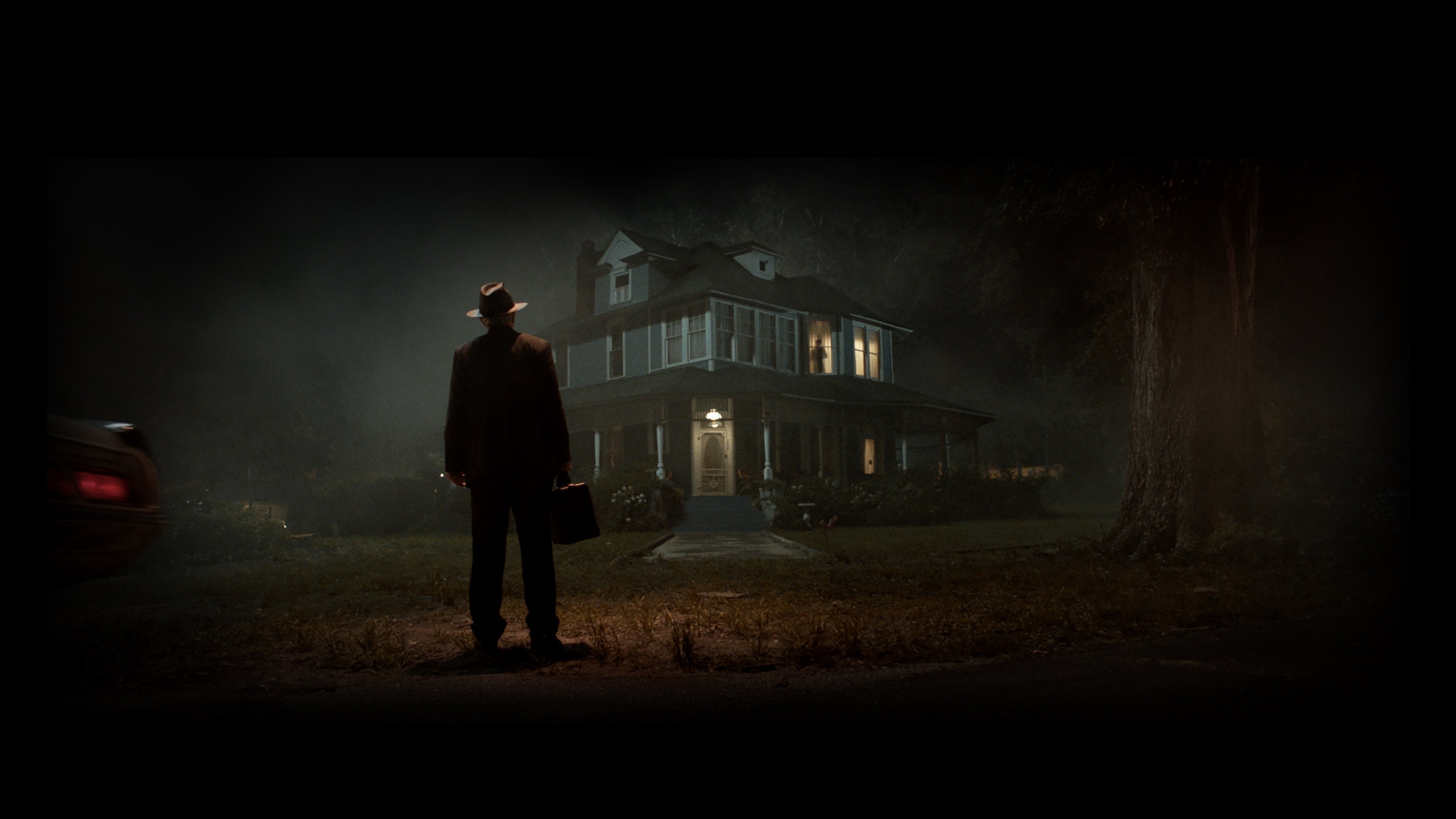
The Conjuring: The Devil Made Me Do It (2021)
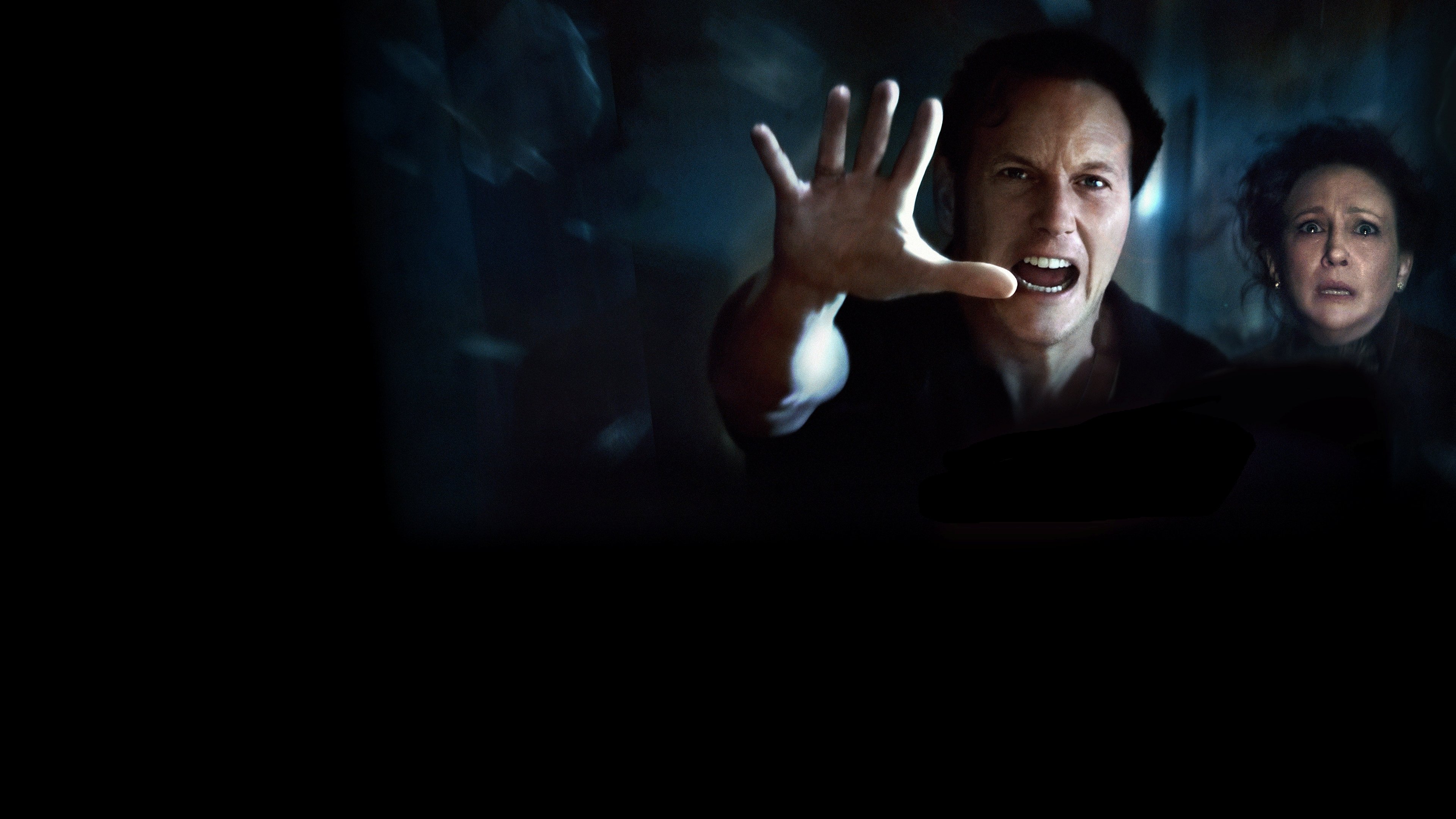
The Conjuring: Last Rites (2025)
Is The Conjuring a True Story?
Yes, the Conjuring films are based on cases claimed by Ed and Lorraine Warren, but the supernatural events on screen are the films' depiction and have never been proven. The Conjuring (2013), directed by James Wan, made about $321 million worldwide on a $20 million budget.
Four of the Conjuring movies each center on one case: The Conjuring (2013) on a family in a Rhode Island farmhouse, The Conjuring 2 (2016, directed by James Wan) on Enfield, The Conjuring: The Devil Made Me Do It (2021, directed by Michael Chaves) on a Connecticut murder trial, and The Conjuring: Last Rites (2025, directed by Michael Chaves) on the Smurl family. The spin-offs are a looser affair, since most of their stories come from their own characters rather than from Warren cases.
If you are new to the series, the Conjuring movies in order guide shows where each case falls in the release and chronological sequences.
Are Ed and Lorraine Warren Real?
Ed and Lorraine Warren are the paranormal investigators at the center of the films, which are based on cases they claimed, with Patrick Wilson playing Ed and Vera Farmiga playing Lorraine. Every haunting in the series arrives through their casework as the films depict it.
On screen, Lorraine has a vision of a demonic nun and of Ed's death at the start of The Conjuring 2. The films also give them a daughter, Judy Warren, played by Sterling Jerins in the earlier films, Mckenna Grace in Annabelle Comes Home and Mia Tomlinson in Last Rites. Their collection of dangerous objects, kept in a locked artifacts room, becomes the thread that links the sequels and the spin-offs.
For the people as the franchise portrays them, see Ed Warren in the Conjuring films and Lorraine Warren in the Conjuring films, and for their daughter see Judy Warren in the Conjuring films.
The Perron Family and the Rhode Island Farmhouse (The Conjuring, 2013)Spoilers
Roger and Carolyn Perron, played by Ron Livingston and Lili Taylor, are the couple at the center of the first film, which presents the haunting of their Rhode Island farmhouse as the case that drew the Warrens in. The Perrons arrive in 1971 with their five daughters, and within days the house starts to misbehave: clocks halt at the same hour every night, Carolyn wakes covered in bruises, the family dog dies and a sealed-off cellar is discovered.
Carolyn eventually seeks out the Warrens, who bring cameras and other equipment into the house. In the film, their research says a previous owner, Bathsheba Sherman, was accused of witchcraft and is said to have sacrificed her infant before killing herself and cursing the land. The spirit takes hold of Carolyn and sets her against her own children, and the family retreats to a motel. Carolyn then slips back to the house with two of the girls.
The finale is an exorcism in which Carolyn is tied to a chair. She breaks loose and goes after a daughter, and Lorraine stops her by recalling a happy family memory, which gives Ed the opening to finish the ritual and expel Bathsheba. The Warrens carry a music box from the house back to their collection, and the Perrons are left in peace. All of this is a dramatization, and nothing in it establishes anything supernatural.
The Enfield Poltergeist (The Conjuring 2, 2016)Spoilers
The Conjuring 2 turns the Enfield poltergeist into a story set in 1977 in a council house in north London, and it has the case publicly discredited before the final act. Peggy Hodgson, played by Frances O'Connor, is struggling to raise four children when strange events start after her daughter Janet uses a Ouija board. Janet begins sleepwalking and talking in the voice of a furious old man, the press picks up the story, and the Warrens are asked to cross to England to decide whether it is genuine.
Before Enfield, the film sends the Warrens to the Amityville house in 1976, where Lorraine sees a demonic nun and a vision of Ed impaled. In England they meet Maurice Grosse (Simon McBurney), a researcher who backs the family, and Anita Gregory (Franka Potente), a skeptic who presents footage of Janet faking some of the disturbances. With the case discredited, the Warrens withdraw.
The film then reverses course. Lorraine decides the old man is a mask for the nun, a stronger demon, and the Warrens race back to find Janet possessed and close to an upstairs window. Ed barely avoids a broken tree stump that matches Lorraine's vision, and Lorraine learns the name Valak and uses it to send the demon back to Hell. Valak belongs to the film, not to any finding about the real family, and the faked footage stays on screen as a counterweight. A 2015 Screen Global production report described a shoot in London and Los Angeles, with the Enfield haunting as the source story.
The Connecticut Possession Trial (The Devil Made Me Do It, 2021)Spoilers
The Devil Made Me Do It is the Conjuring film built around a court case, and it centers on a murder defense that argued demonic possession. The film opens in 1981 in Brookfield, Connecticut, where Ed and Lorraine Warren attend the exorcism of eight-year-old David Glatzel (Julian Hilliard). During the ritual, Arne Cheyne Johnson (Ruairí O'Connor), the boyfriend of David's sister Debbie, challenges the demon and tells it to take him instead. Ed suffers a heart attack as the possession passes to Arne.
Months later Arne kills his landlord and is arrested, and the Warrens help his defense by arguing he was possessed. The film says this would be a first in an American murder trial. To support the argument, the Warrens follow a trail that runs through a witch's totem found in the Glatzel house and a similar killing in Danvers, Massachusetts, and it ends with Isla, the daughter of a former priest named Kastner, who the film shows is a living occultist using dark magic.
The film ends with Lorraine reminding Ed of their love so that he breaks free of the curse and destroys the occultist's altar. Isla dies from the force she summoned, but the court still convicts Arne of manslaughter and he serves about five years. Debbie marries him in prison, and Ed places a cup from the altar in the artifacts room. The occult trail is the film's explanation for the killing, and the manslaughter conviction is how the film's story ends for Arne.
What Happened to the Smurl Family? (The Conjuring: Last Rites, 2025)Spoilers
In Last Rites, the Smurl family moves into a house in West Pittston, Pennsylvania, in 1986, and the Warrens are pulled toward one more case. The family receives an antique mirror as a gift, and unexplained and violent disturbances begin to torment them. Elliot Cowan plays Jack Smurl and Rebecca Calder plays Janet Smurl, with Tilly Walker, Kíla Lord Cassidy, Beau Gadsdon and Molly Cartwright as the daughters.
The film frames the Smurl case with a prologue set in 1964, in which Ed and Lorraine deal with a cursed mirror and Lorraine's baby is born in grave danger but survives, and they name her Judy. That mirror is the film's link between the Warrens' own family and the Smurls. By 1986 Judy is an adult in a relationship with Tony Spera (Ben Hardy), and she starts looking into the case on her own.
The spirits grow more violent, and Father Gordon (Steve Coulter), a priest who tries to help, is driven to his death by the demon. The Warrens learn it commands three other spirits and is hunting Judy in particular. Together they recite a prayer that breaks the mirror's hold, the haunting ends, and the Smurls live in the house for years without further trouble. The mirror stays in the Warrens' museum, and the film closes on Judy's wedding. That is the film's version of the Smurl story, not a record of what the family experienced.
Do the Annabelle, Nun and La Llorona Films Follow Real Cases?Spoilers
The Annabelle, Nun and La Llorona films use the Warrens' collection and their on-screen history as a frame, and they build most of their stories from their own characters. The doll the Warrens keep in a glass case appears in the first film, and the full story of that doll has its own page: see the Annabelle doll in the Conjuring films. Annabelle (2014) and Annabelle: Creation each add a backstory for the doll.
Annabelle (2014), directed by John R. Leonetti, follows John and Mia Form in 1967 Santa Monica and ends with the doll in a glass case among the Warrens' artifacts, which links it to The Conjuring (2013). Annabelle: Creation (2017, directed by David F. Sandberg) follows a dollmaker, Samuel Mullins, and his wife Esther, who take in a nun and six orphaned girls. Annabelle Comes Home, directed by Gary Dauberman in 2019, returns to the Warrens' artifacts room with Judy and her babysitter.
The Nun (2018), directed by Corin Hardy, goes back to a Romanian abbey in 1952 and ends by tying Frenchie, whose real name is Maurice, to the lecture footage seen in The Conjuring (2013). The Nun II continues Sister Irene's story in 1956. The Curse of La Llorona (2019, directed by Michael Chaves) is set in 1973 Los Angeles and touches the Warrens' world only through Father Perez. See the Conjuring spin offs page for how they connect.
Conjuring True Story Explained: Where the Films Shape the RecordSpoilers
In my opinion, the clearest thing to understand about the Conjuring true story is that the films are structured like folk tales, and real events almost never resolve that neatly. Each main film ends with a ritual or a prayer that works and the haunting over. Whatever a family went through, a theater audience needs an ending, and a two hour film supplies one that a long, murky case rarely does.
The Conjuring 2 is the most interesting example. It includes the skeptic's footage of Janet faking some of the disturbances, and the case is publicly discredited, then it pivots to say the haunting was real all along. It could be argued that this is the film's smartest move, because it nods to the dispute and then overrules it with Valak, a demon the Warrens only meet because the film places her in Lorraine's vision. That is a storytelling decision, not a finding.
The Devil Made Me Do It has the most concrete ending, a manslaughter conviction and a sentence of about five years, yet the film spends most of its running time on an occult hunt through a totem, a Danvers killing and a living occultist. Last Rites is different again, because it ties the Smurl case to the Warrens' own daughter through a mirror, which reads to me as a farewell rather than a case file.
The spin-offs are the clearest case of franchise building. Maurice in The Nun links the abbey to the lecture footage in The Conjuring (2013), and the artifacts room keeps pulling every film back into one universe. If you want the order those stories run in, the Conjuring timeline lays it out, and if you are deciding what to watch next, The Conjuring: First Communion is in production and dated for September 10, 2027.
Facts
- The Conjuring (2013) was released in US theaters on July 19, 2013. The Numbers, checked 2026-11-03
- The Conjuring (2013) was directed by James Wan. TMDB, checked 2026-11-03
- The Conjuring (2013) grossed $321,293,998 worldwide. Box Office Mojo, checked 2026-11-03
- The Conjuring (2013) premiered on July 15, 2013 at the Cinerama Dome in Los Angeles. UPI, checked 2026-11-03
- The Conjuring 2 (2016) was released in US theaters on June 10, 2016 and is set in Enfield, England, in 1977. TheWrap, checked 2026-11-03
- The Conjuring 2 was reported in pre-production as an autumn shoot in London and Los Angeles, based on the Enfield haunting. Screen Global Production, checked 2026-11-03
- The Conjuring: The Devil Made Me Do It was released in the US on June 4, 2021. Box Office Mojo, checked 2026-11-03
- The Conjuring: Last Rites was released in the US on September 5, 2025 and is set in 1986. TheWrap, checked 2026-11-03
- The Conjuring franchise passed $2 billion worldwide, according to Screen Daily. Screen Daily, checked 2026-11-03
- The Conjuring: First Communion is in production and dated for September 10, 2027, according to TheWrap. TheWrap, checked 2026-11-03
FAQs
Is The Conjuring based on a true story?
The films are based on cases that Ed and Lorraine Warren claimed, and the four main cases are a Rhode Island farmhouse in 1971, Enfield in 1977, a Connecticut murder trial in 1981 and the Smurl family in 1986. The supernatural events are the films' dramatization, and nothing in them proves the paranormal.
What actually happened to the Smurl family?
In The Conjuring: Last Rites (2025), the Smurl family moves into a house in West Pittston, Pennsylvania, in 1986 and an antique mirror given as a gift brings violent disturbances. The film ends with the Warrens reciting a prayer that breaks the mirror's hold, after which the Smurls live in the house for years without further trouble. That is the film's version of events.
What happened to the real Conjuring family?
In The Conjuring (2013), the Perron family moves into a Rhode Island farmhouse in 1971 with their five daughters and is tormented until the Warrens perform an exorcism. That is the film's version, and it is a dramatization that proves nothing about the paranormal.
What happened at the real Conjuring house?
The film shows clocks stopping at the same time every night, bruises on Carolyn, the family dog dying and a sealed cellar being found. Its Warren research names Bathsheba Sherman, a former owner accused of witchcraft, as the source of the curse, and the spirit is driven out in an exorcism at the end.
Are Ed and Lorraine Warren real?
Ed and Lorraine Warren are the paranormal investigators at the center of the films, played by Patrick Wilson and Vera Farmiga, and the films are based on cases the Warrens claimed. The supernatural events on screen are the films' depiction rather than established fact.