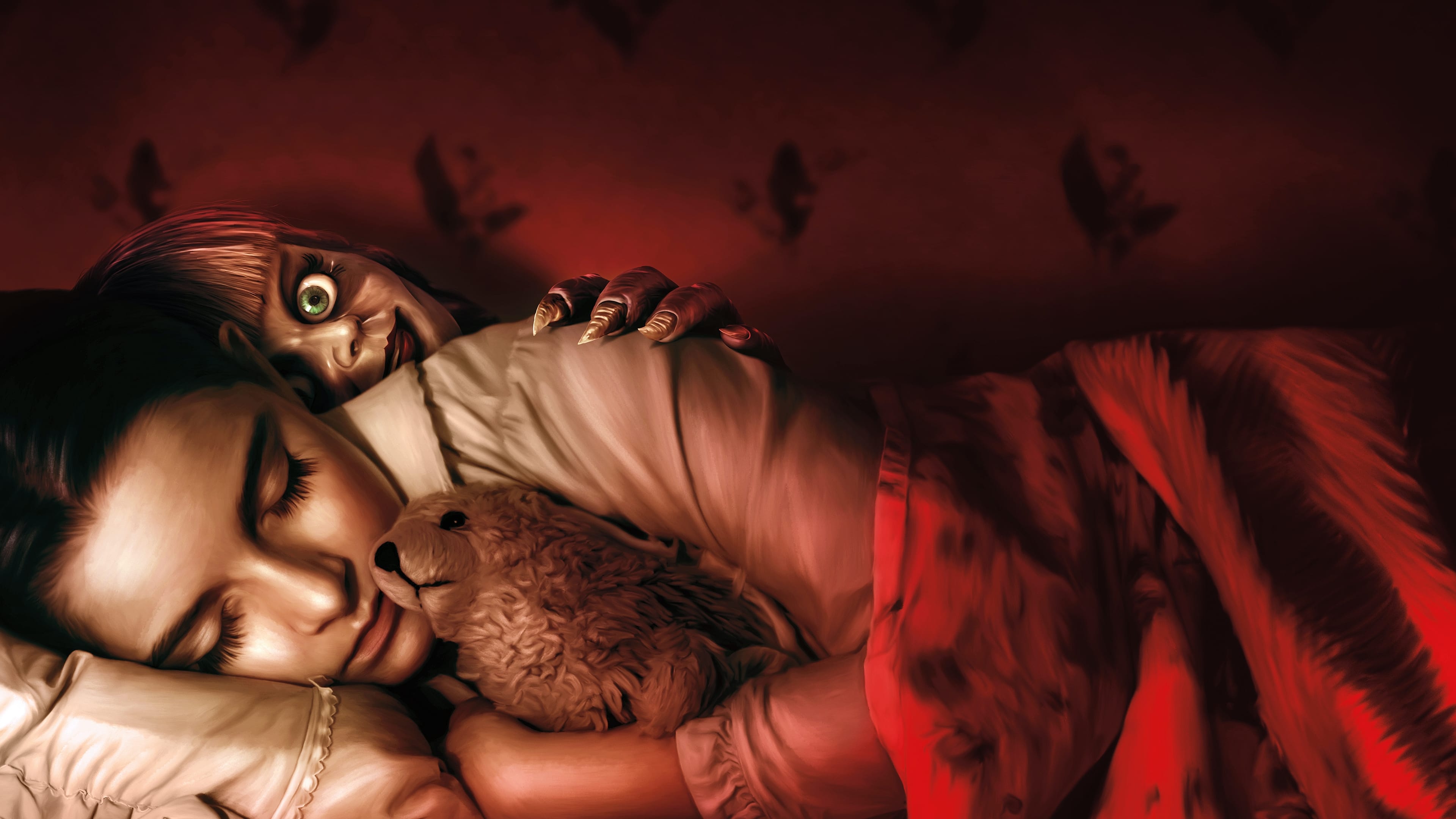
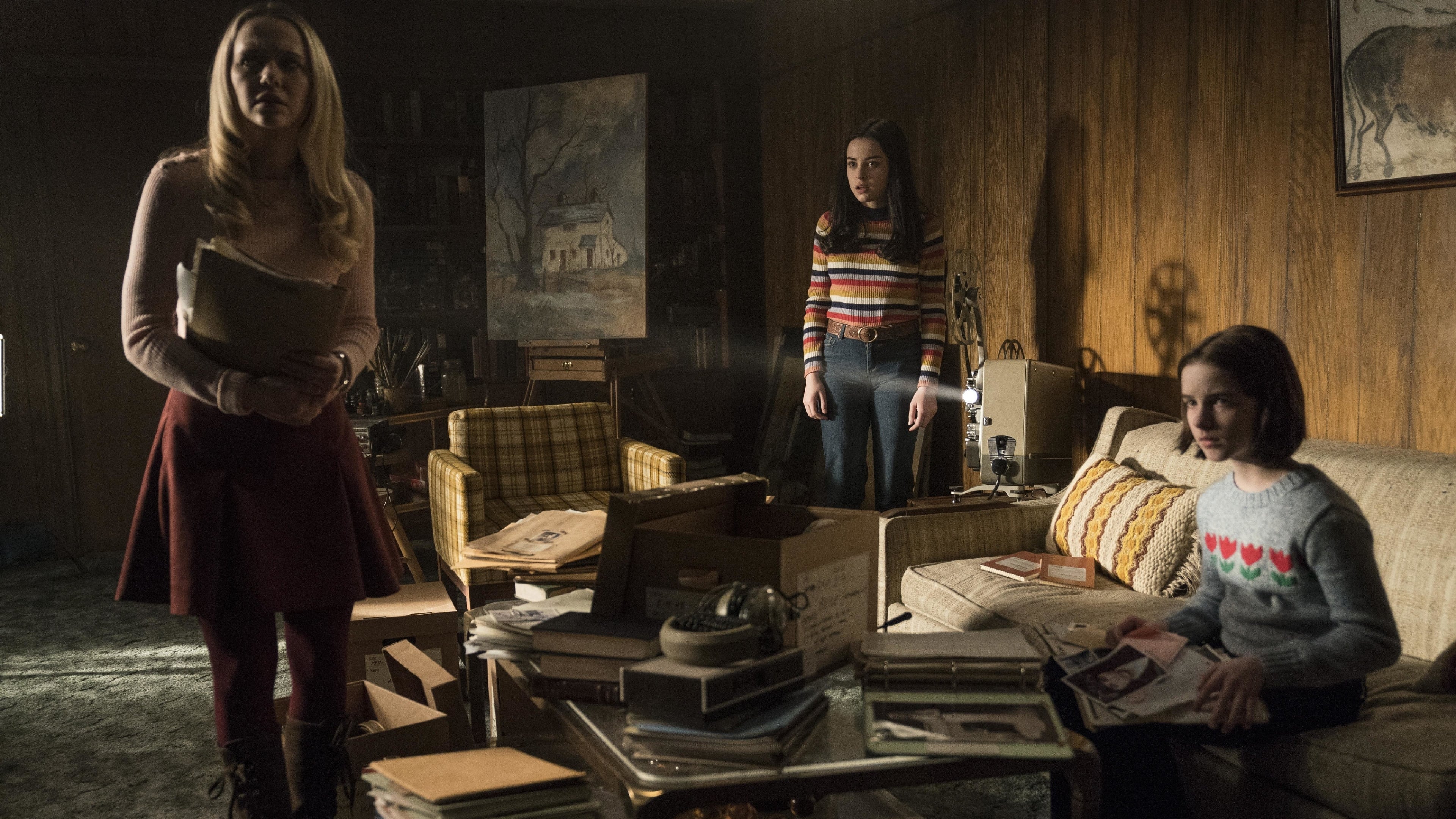
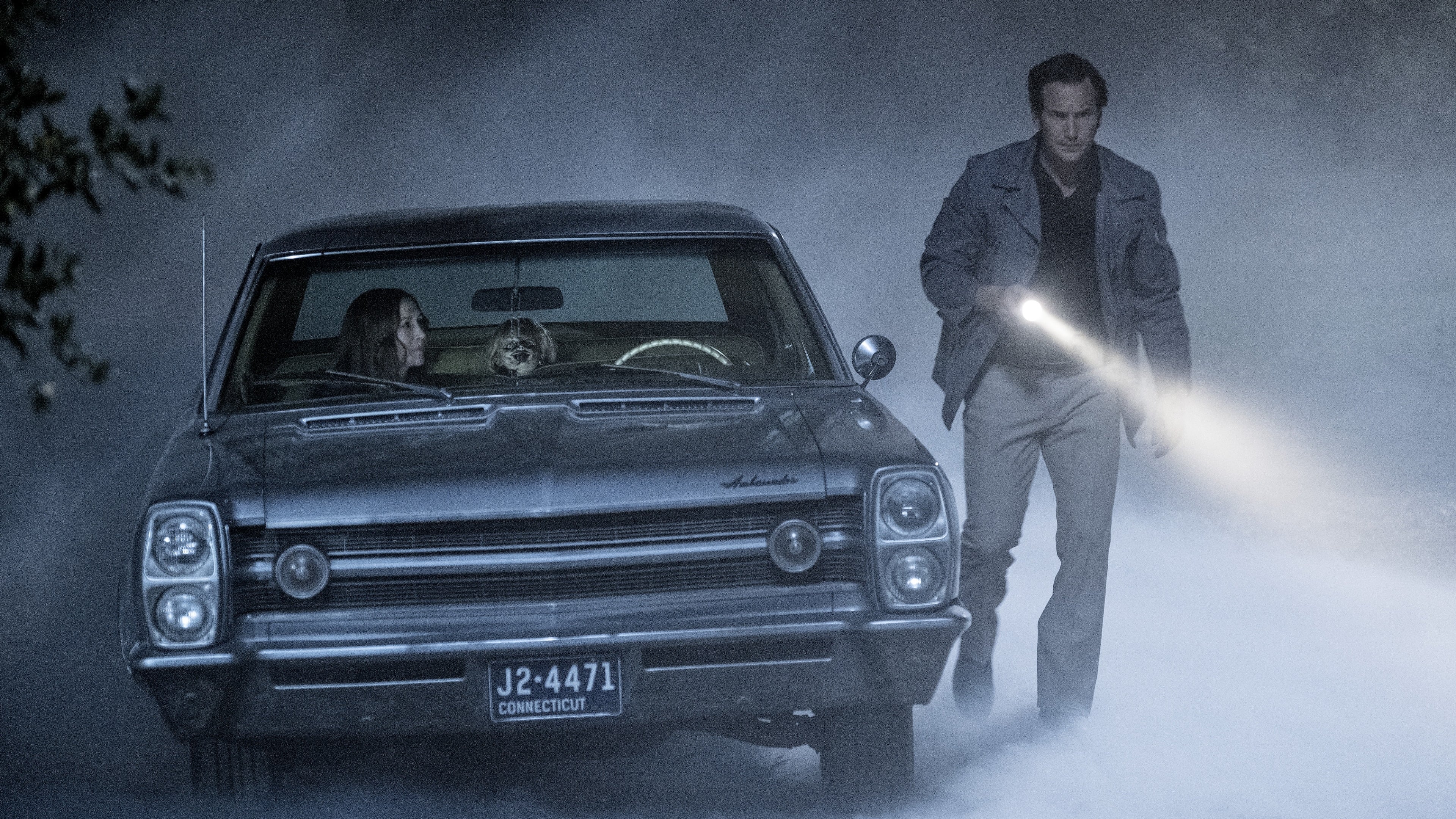
The ending of Annabelle Comes Home is a reset: the doll goes back in her case, the case is locked, and Daniela is finally allowed to forgive herself. In the final scenes Ed and Lorraine come home the next morning and the disturbances are over. Judy's classmates come to her birthday party after all, and Daniela apologizes to Lorraine, who passes on a comforting message from Daniela's late father. That message helps Daniela let go of the guilt that drove her into the artifacts room.
Why does the haunting end? It ends because the girls undo the original mistake. The phone call said Annabelle needs a soul to be satisfied, and the Bride took Daniela, so Judy plays the recorded footage of Ed's exorcism of the Bride to free her for a while. Daniela then helps shut and lock the case, which is the same act that started everything in reverse.
What does the film change about the doll? In Annabelle (2014) the demon works through a household, and the climax turns on a sacrifice, with Evelyn and Father Perez at the center. In Annabelle: Creation, directed by David F. Sandberg, the doll is the doorway for something that wants a vessel. Annabelle Comes Home treats her differently: she is a kind of beacon that wakes everything else in the room. The case is not just storage, it is the lid on a pressure cooker. That is why the spirits stir on the drive home in the opening, and why the night of Daniela's curiosity is so dangerous.
The production backs up this reading. The artifacts room was built as a replica on a soundstage, and TheWrap reported that a priest blessed the set on November 7, 2018. The film treats the room as a place that needs that kind of protection, and the blessing of the real set mirrors the blessed glass case on screen.
In my opinion, the smartest choice is that Daniela's grief, not the doll, gets the last word. The film closes on a teenager being forgiven, which gives the spin-off an emotional shape of its own, quite different from the cold finish of The Nun (2018). It could be argued that the party is a little tidy after a night of Black Shuck attacks, but it pays off Judy's loneliness from the first act.
Perhaps the most useful thing for fans is Judy herself. She is a child here, played by Mckenna Grace, who took over from Sterling Jerins, and she is an adult in The Conjuring: Last Rites, played there by Mia Tomlinson. Her calm use of Ed's recorded exorcism footage shows the Warrens' work has rubbed off on her long before that film.