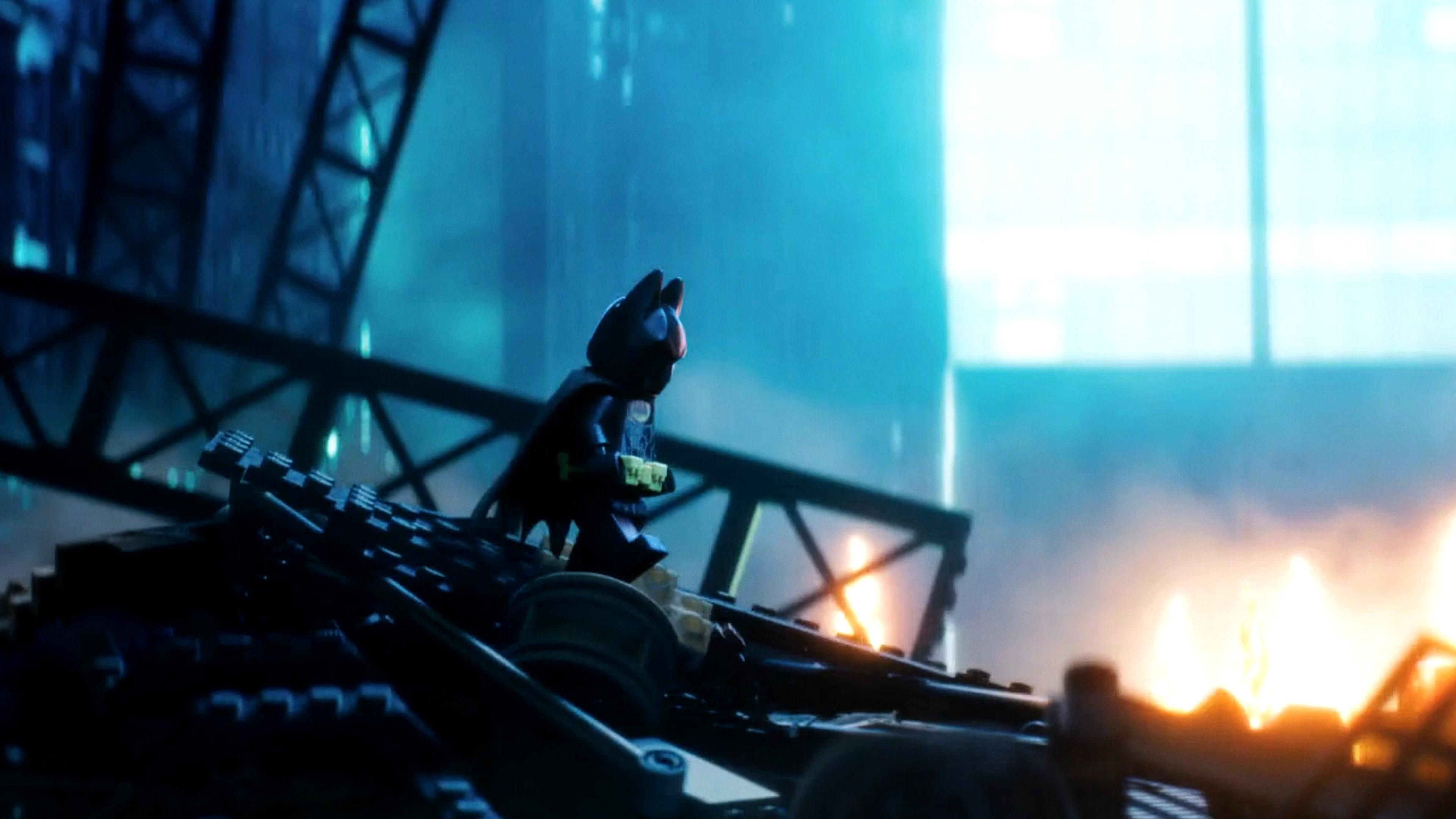
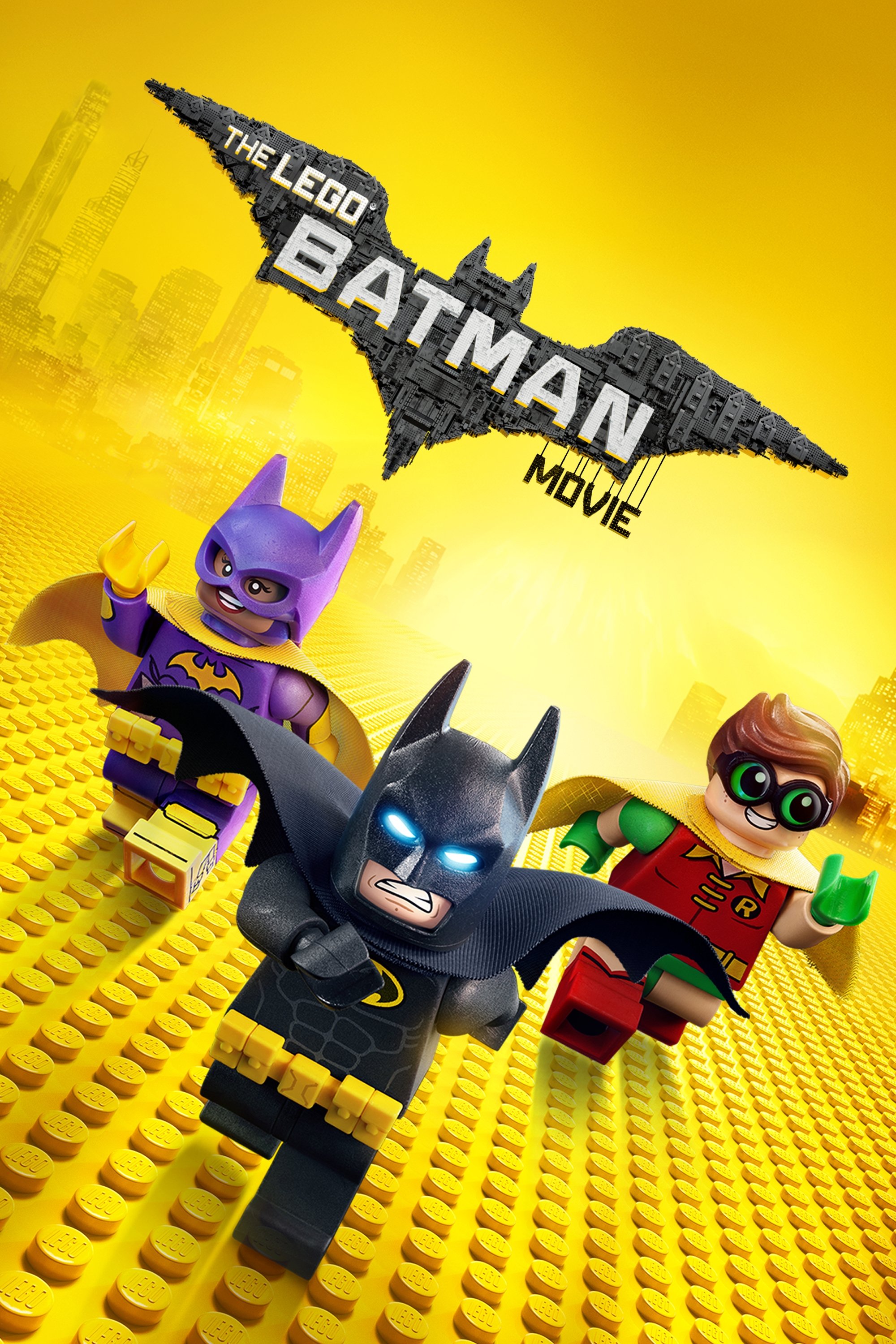




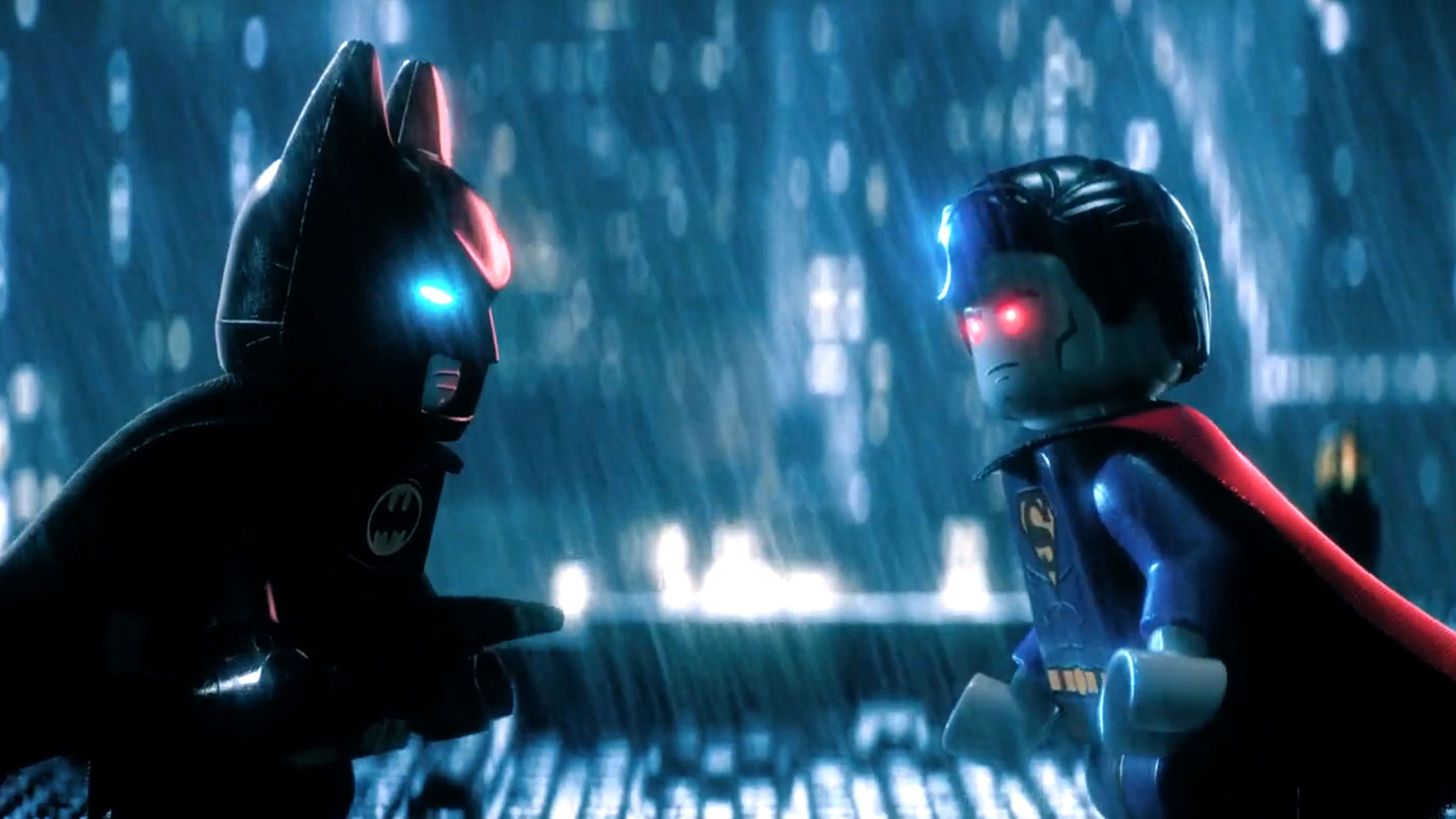
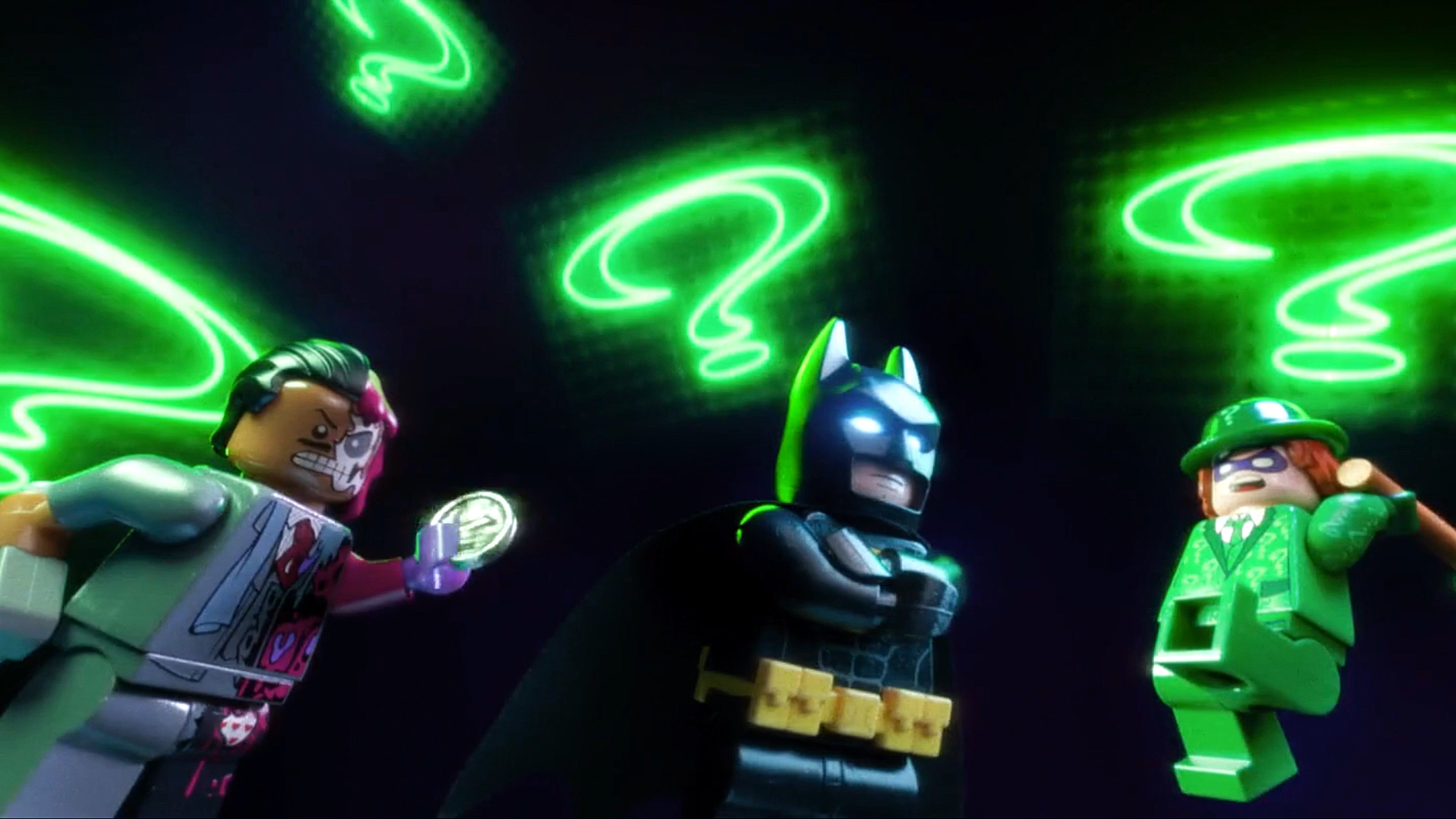
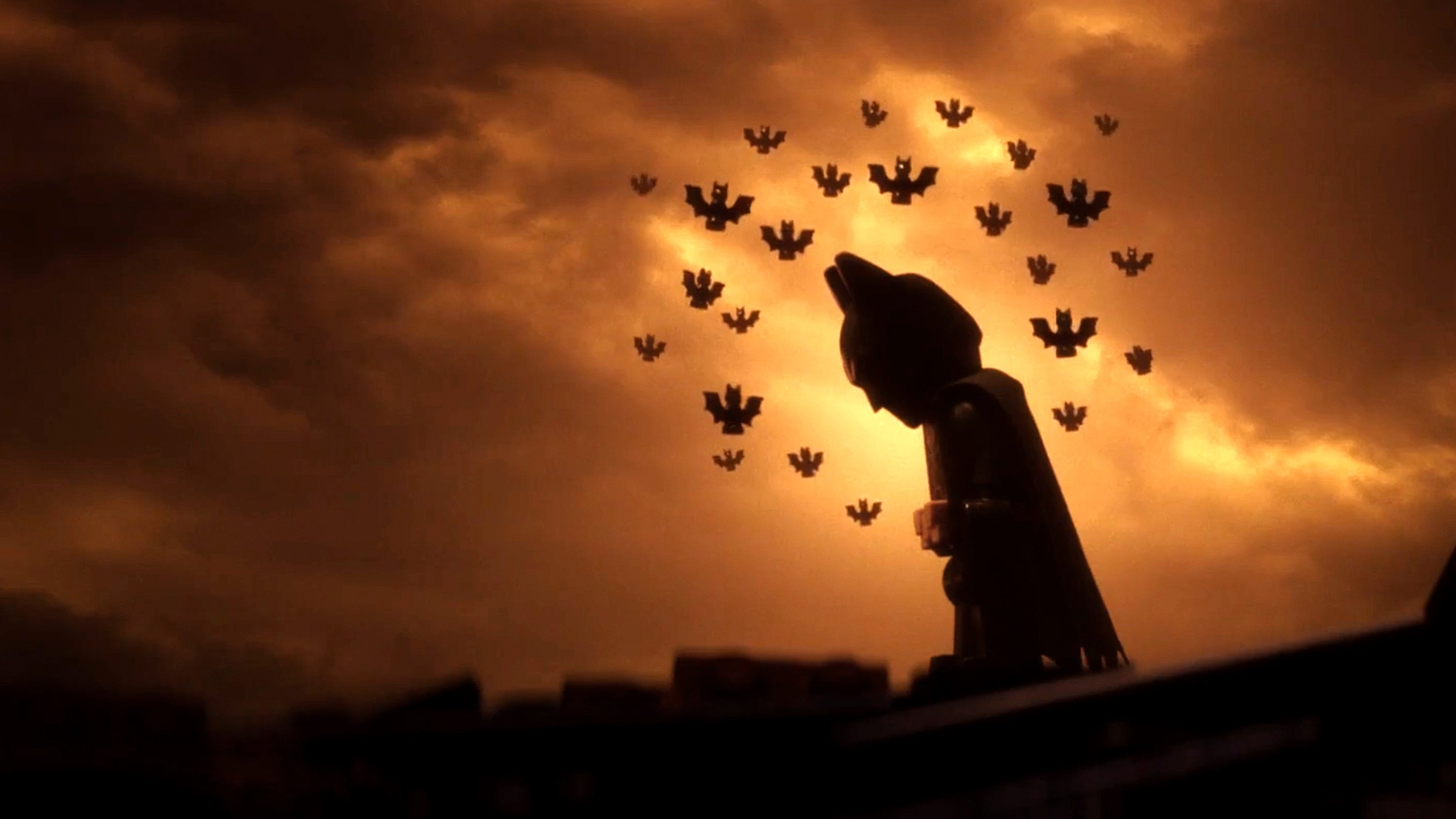
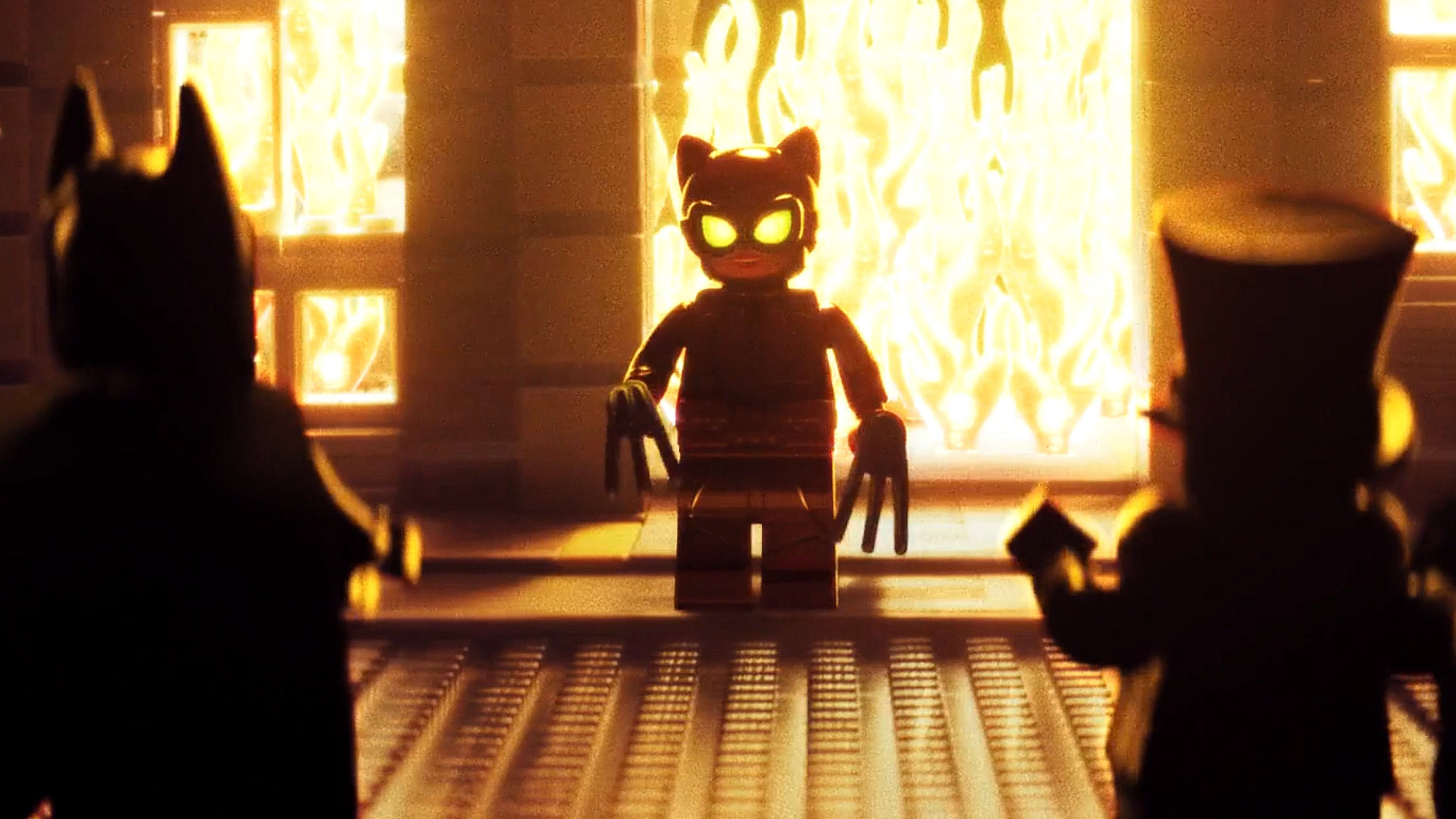

The Lego Batman Movie: Original Motion Picture Soundtrack
Soundtrack album · WaterTower Music · February 3, 2017 · 28 tracks


Cover art via Deezer
Full tracklist
- 1Who’s the (Bat)Man · Patrick Stump3:04
- 2Forever · DNCE3:49
- 3(I Just) Died in Your Arms · Cutting Crew4:36
- 4Invincible · Kirsten Arian2:59
- 5One · Harry Nilsson2:22
- 6Heroes (We Could Be) (Hard Rock Sofa and Skidka remix) · Alesso, Tove Lo6:35
- 7Man in the Mirror · Alex Aiono3:48
- 8Friends Are Family · Oh, Hush!, Will Arnett, Jeff Lewis2:24
- 9I Found You · Fraser Murray3:34
- 10Forever (Tranter version) · Justin Tranter3:49
- 11Man in the Mirror · Richard Cheese & Lounge Against The Machine1:49
- 12Everything Is Awesome · Richard Cheese & Lounge Against The Machine2:03
- 13Black · Lorne Balfe7:32
- 14Your Greatest Enemy · Lorne Balfe2:42
- 15The Arrival of Robin · Lorne Balfe2:52
- 16Joker Crashes the Party · Lorne Balfe1:33
- 17No Seat Belts Required · Lorne Balfe2:17
- 18To Cage the Joker · Lorne Balfe1:59
- 19The Phantom Zone · Lorne Balfe3:37
- 20Open for Business · Lorne Balfe1:09
- 21Chaos in Gotham · Lorne Balfe3:20
- 22Lava Attack · Lorne Balfe7:40
- 23For Your Own Good · Lorne Balfe1:45
- 24Joker Manor · Lorne Balfe2:29
- 25Batman’s in the Zone · Lorne Balfe4:40
- 26The Babs Signal · Lorne Balfe2:25
- 27Battle Royale · Lorne Balfe4:54
- 28A Long Farewell · Lorne Balfe2:49