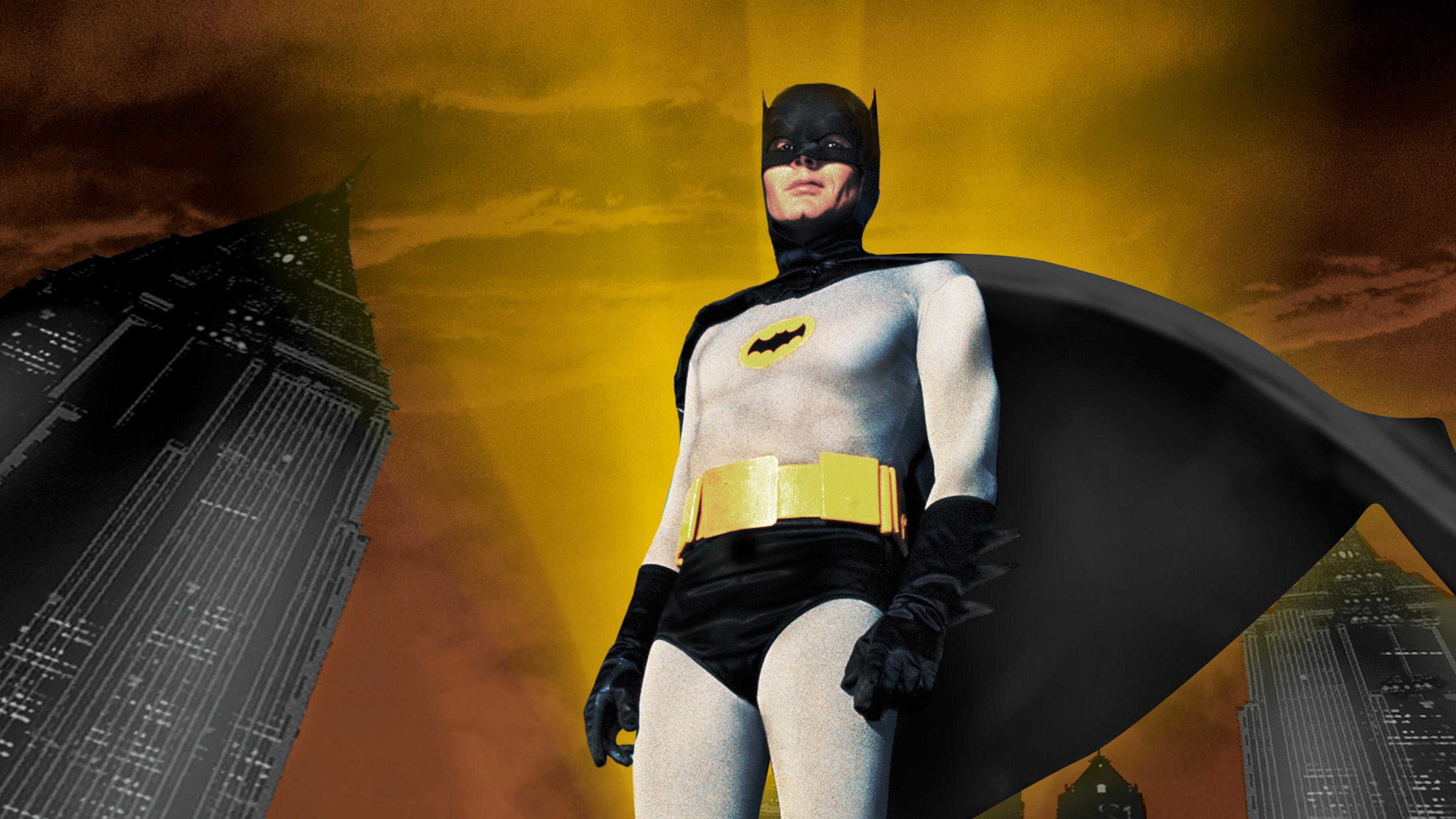
The ending of the Batman 1966 movie is a joke with a lesson attached: the villains are beaten, the Security Council members are brought back unharmed, and the scrambled dust leaves each delegate with the language and manners of another nation. Batman treats this as a lesson about people needing to understand one another, then the heroes leave through a window. There is no sequel setup, so the story ends cleanly.
Why does it end this way? In my opinion, the writers needed a way to reverse the villains' machine without a gruesome failure, and the swap is the softest option. Batman builds his separator, concludes he cannot safely correct the mix, and makes the best of it. It could be argued that this is the most Batman 1966 moment in the film: a hero solving a crisis by announcing, with perfect gravity, that a world mix up might be good for diplomacy.
The setup is just as deliberate. The film opens with a fake distress call from a yacht, and the villains spend the middle stretch trying to kill the Dynamic Duo with torpedoes and a bomb. Every threat is played straight, so when the finale lands on a diplomatic moral, the contrast is the gag. The script was reportedly written in about 10 days and shot in 28, and the plain, quick structure shows: one gadget, four villains, one clean resolution.
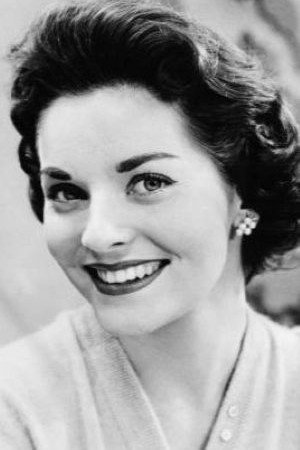
The discovery that Miss Kitka is Catwoman is the film's other twist, and it pays off Bruce Wayne's growing closeness to her. It also explains the casting note that Lee Meriwether stepped in because Julie Newmar, the TV series' Catwoman, was unavailable. Meriwether carries the double identity, a romantic cover and a villain reveal, in a single role.
How does the finale compare with the rest of the saga? The four villain team up is the film's big idea, and the saga returns to the pairing idea later: in batman forever, Two-Face and the Riddler join forces against Batman, but the stakes there are personal rather than global. In batman and robin, Mr. Freeze and Poison Ivy drive the plot. None of them end on a lesson about diplomacy.
Is Batman 1966 worth watching? In my opinion, yes, if you want the origin of the franchise's playful side. It is the opposite of the grim tone of the dark knight, where the Joker scheme ends in moral collapse rather than a joke about nations, and that contrast is the reason to see it. If you prefer your Batman serious, start with batman begins instead.