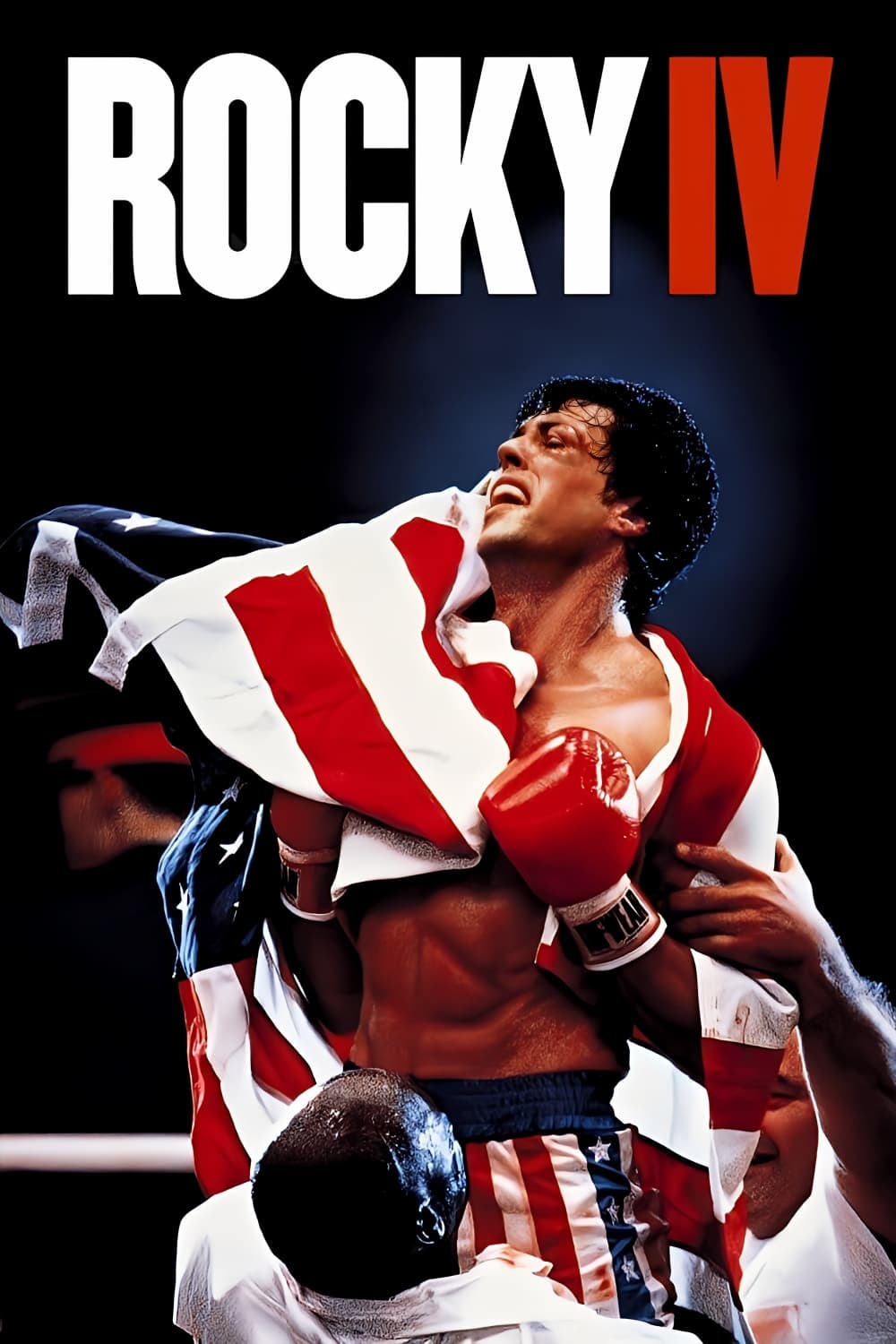
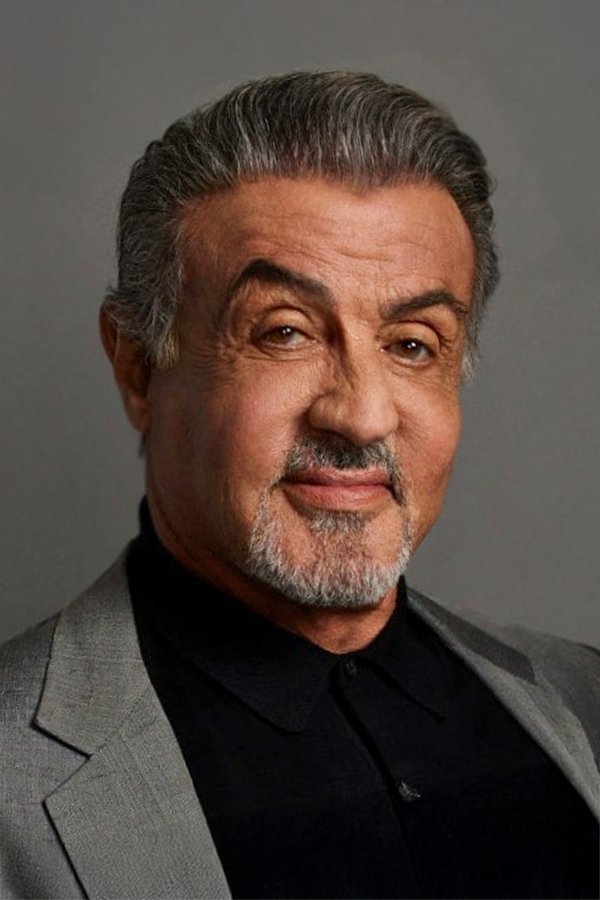
In my opinion, the Rocky IV ending works because it pays off the death of Apollo Creed with a result and a change in the crowd, not just a knockout. Rocky wins by knockout in the last round in Moscow, but the moment people remember is the room: the Soviet crowd, and even Soviet officials, are moved by his speech about change.
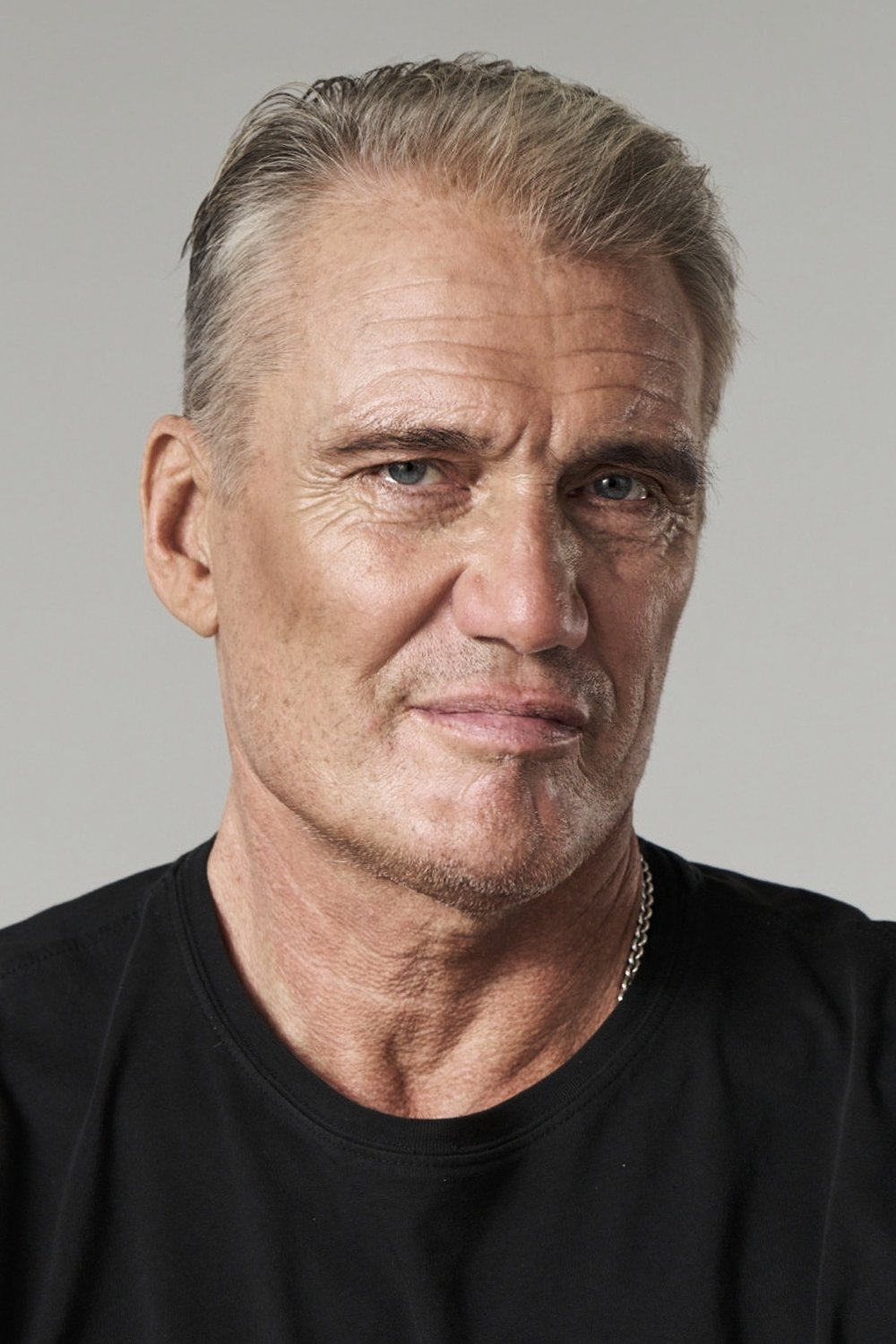
What has changed in Drago? He turns on his handlers during the fight and says he fights for himself, which reads as the film's way of saying the man was always more than the machine built around him. It could be argued that this softens the villain too quickly, but it does give the finale a second meaning beyond revenge: Rocky beats Drago, and Drago stops being only a symbol.
The film also leaves Rocky's career intact and ends the Cold War framed feud. That is a neat close, but it does not close the Drago story. Creed 2 revisits both Ivan Drago and Apollo's legacy, with Ivan and Ludmilla back and Viktor Drago facing Apollo's son Adonis. You can follow that thread on our rocky timeline page.
Why does Rocky IV stick with people, in my view? Its structure is the answer: a clear loss in Las Vegas, a Christmas Day fight in Moscow, and two training methods set against each other (Rocky with farm work in a Siberian cabin, Drago in a lab). That contrast is easy to retell.
Why is Rocky IV rated lower than the earlier films by some viewers? Perhaps because the Cold War framing is broad, the Moscow crowd turns on a single speech, and at 91 minutes it is the shortest of the nine films, so the drama of Rocky (1976) gets traded for spectacle. That is my reading, not a measured score. For more on how the saga handles these set pieces, see rocky training montage and rocky fights.