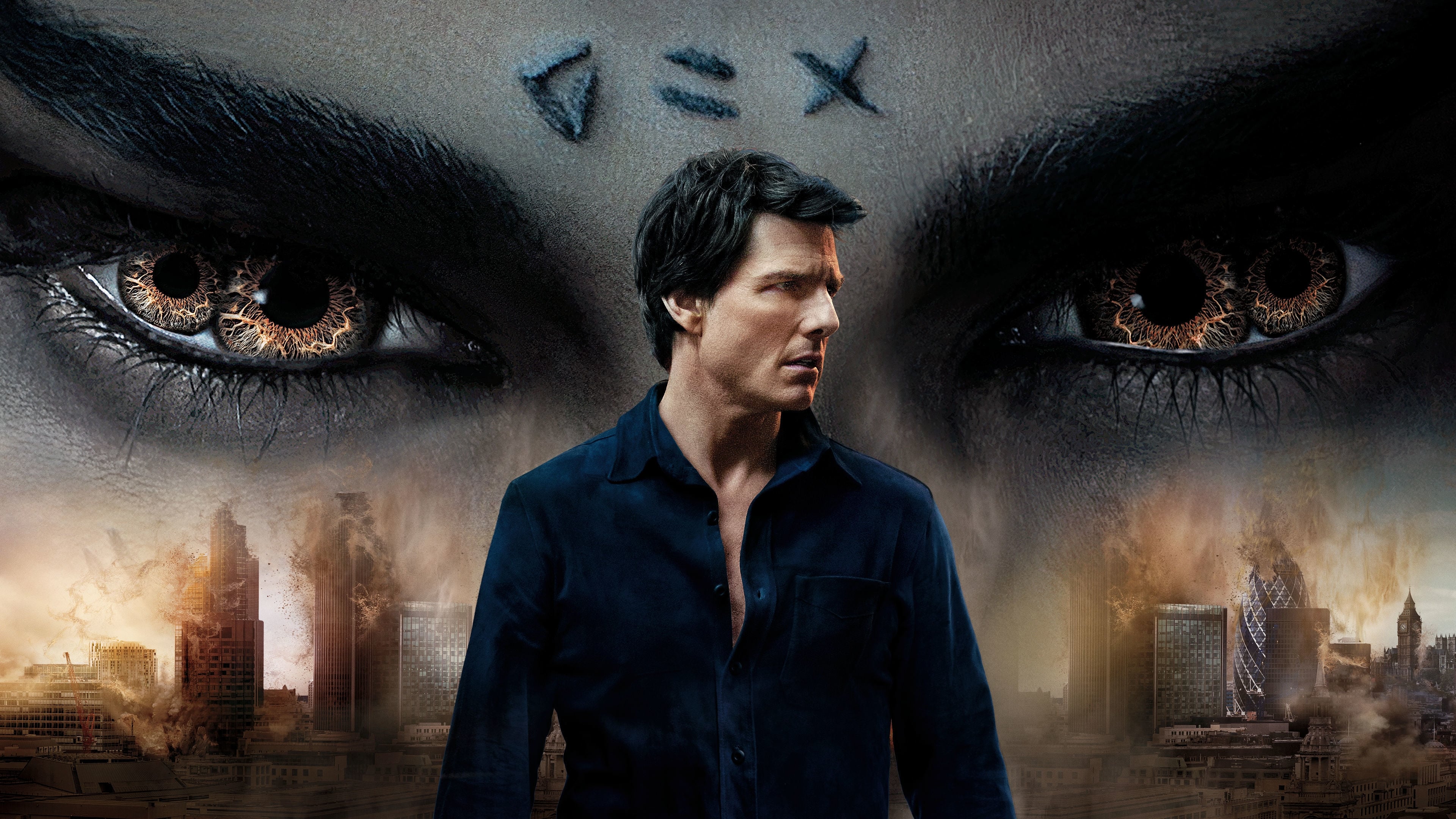
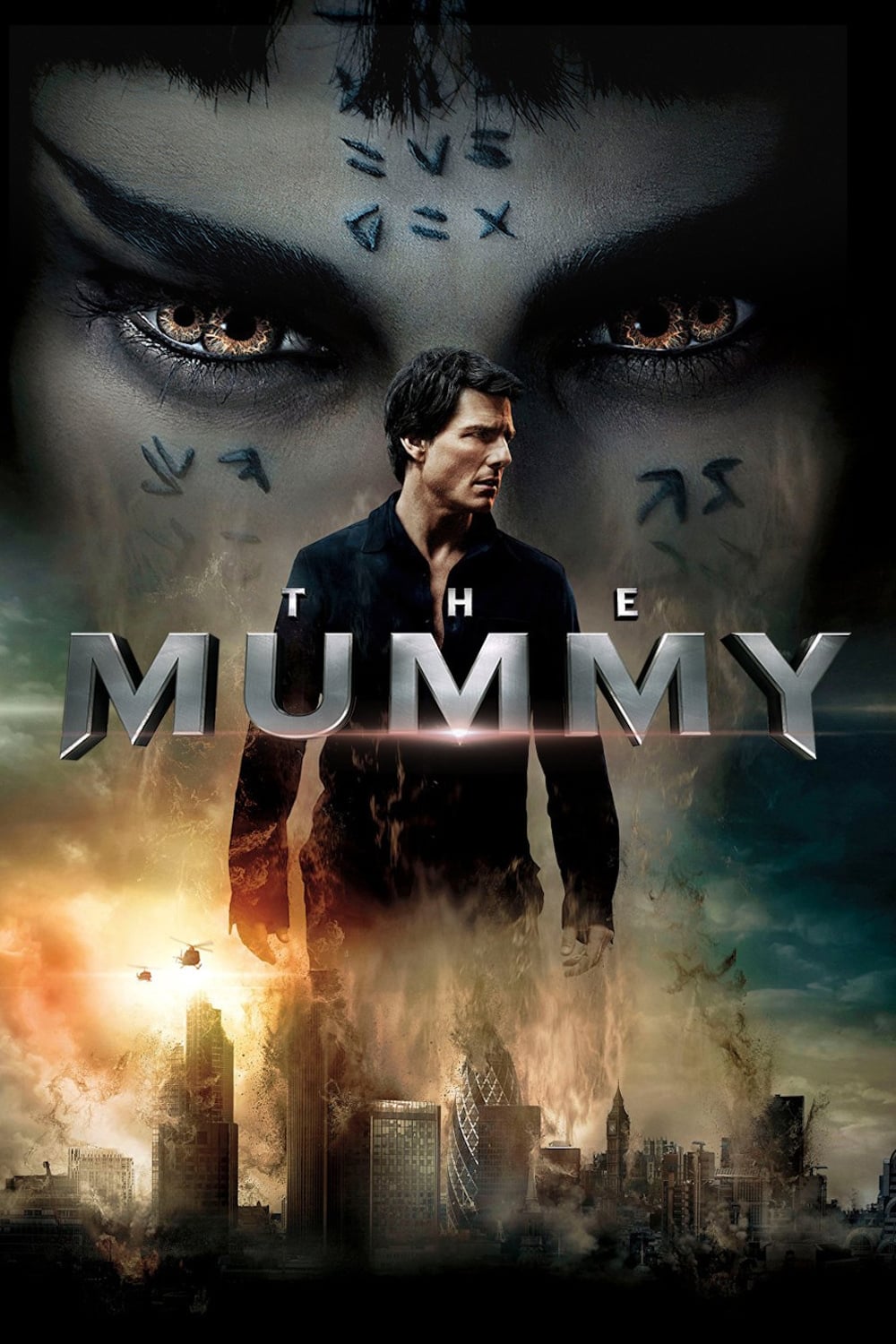
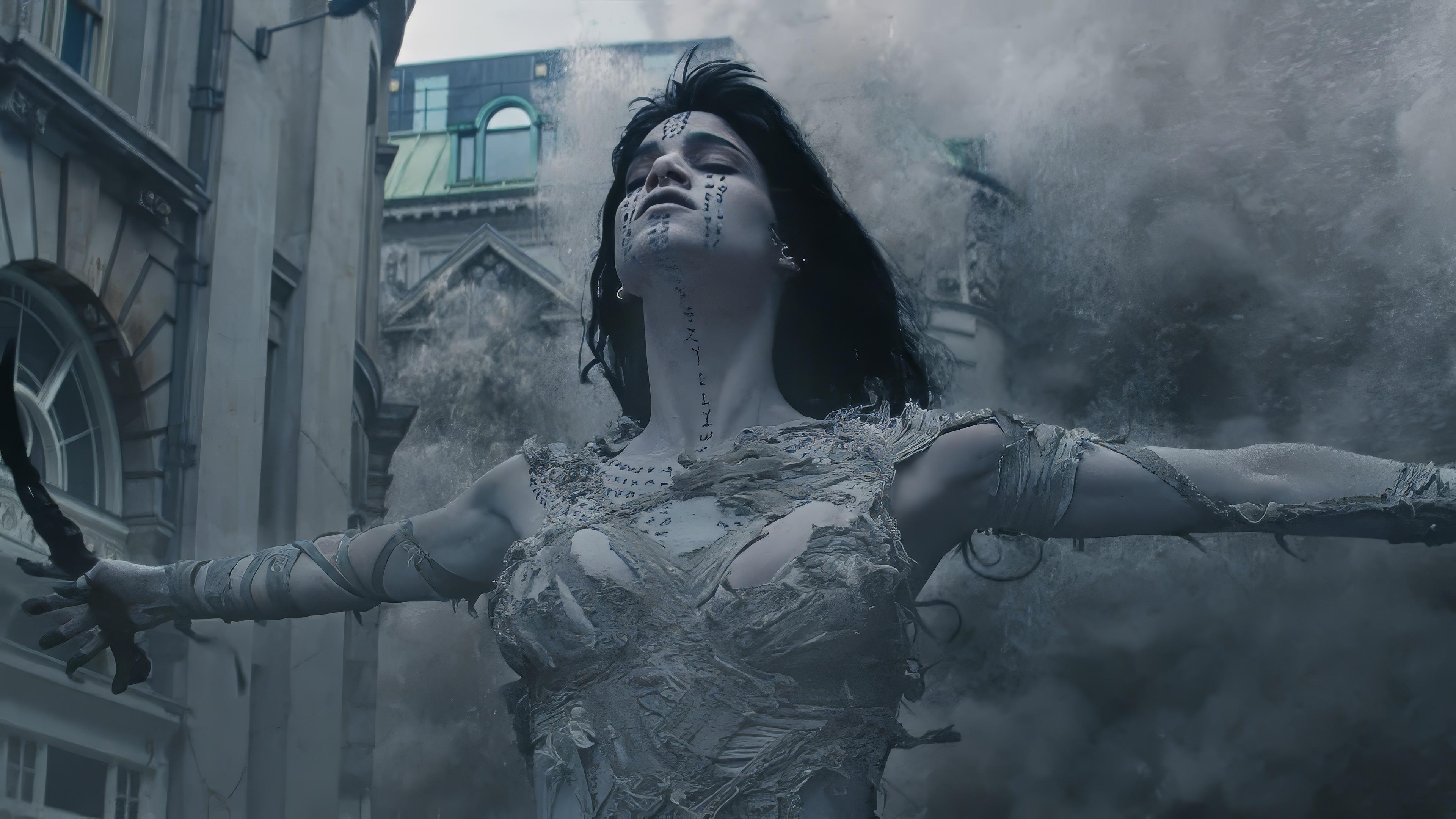
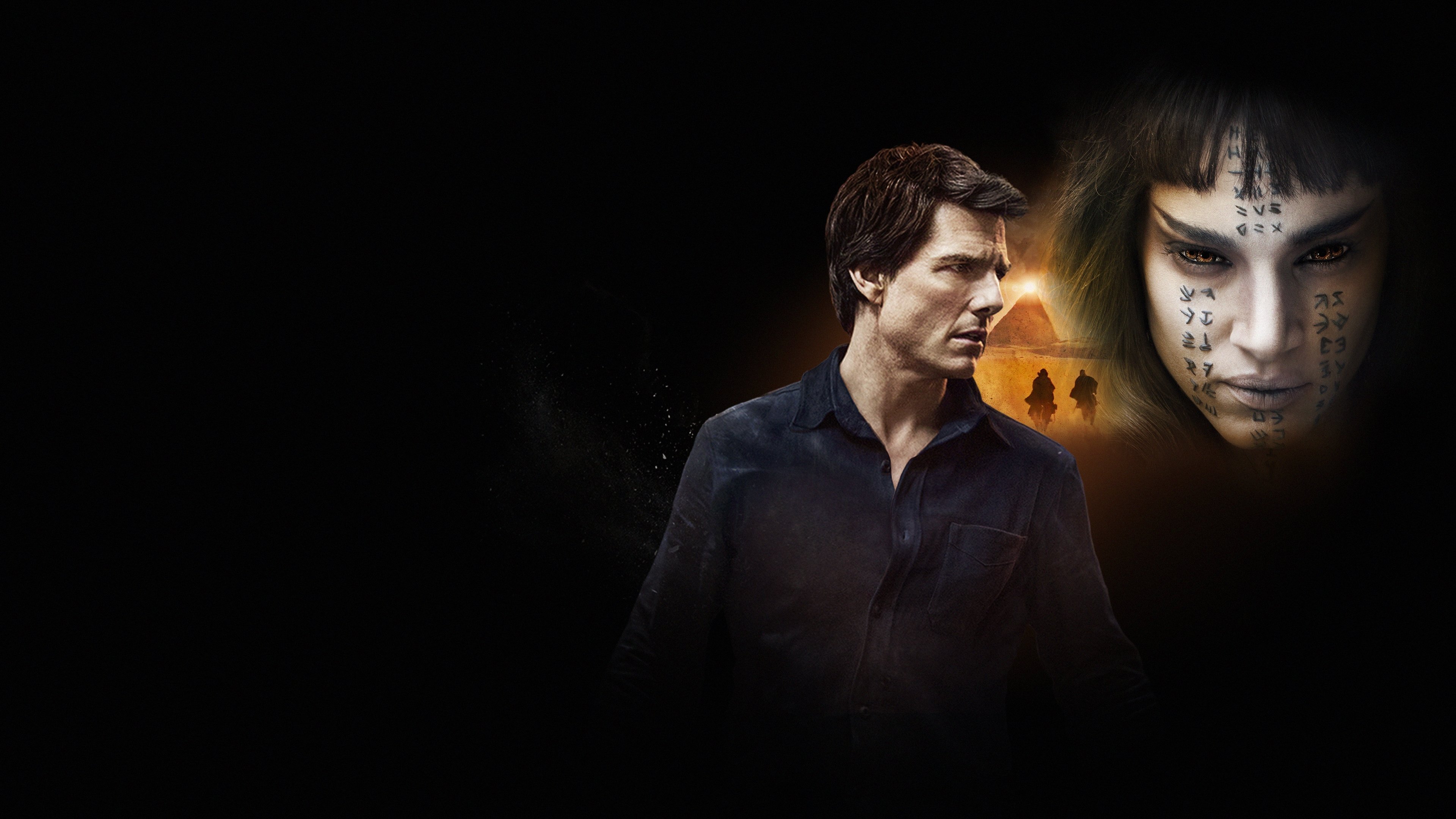
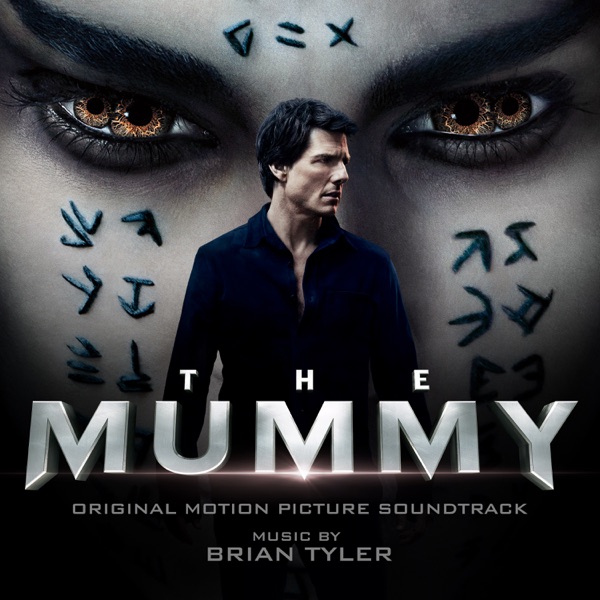
The ending of The Mummy 2017 leaves Nick Morton as a host for Set, the god Ahmanet wanted to bring into the world, and he uses that power to defeat her. Spoilers follow, and from here the opinions are mine.
Here is what happens. Nick lets Set take over his body, then uses that power to defeat Ahmanet and revive Jenny. Ahmanet is locked back in her sarcophagus. Nick disappears from Jenny's life, and he is shown later with the resurrected Chris. The two set off to learn how to control or lift the curse.
So, what does it mean for the character? Ahmanet's whole plan was to make Nick the vessel, and the final fight turns her own ritual against her. In my opinion, that is the cleverest beat in the film, because the hero wins by doing the thing the villain wanted, only on his terms. It also leaves him with an open problem, and the ending points toward a wider shared universe of monsters.
Does The Mummy 2017 connect to The Mummy (1999)? No. It is a reboot with a new cast and a new story, and the only shared ground is the creature and its Egyptian setting. Rick O'Connell, Evelyn and Imhotep do not appear.
Is it worth watching? It could be argued that the answer depends on what you expect. If you want the lively double act of Brendan Fraser and Rachel Weisz, The Mummy (1999) is the better pick. If you want a Tom Cruise monster thriller with a few memorable set pieces, including the morgue scene and the crash, this one is a reasonable evening, and Boutella's Ahmanet is the part of the film I would defend hardest.
As for the hit or flop question, the film earned $409 million worldwide on a $125 million budget, according to Box Office Mojo. Perhaps the film was asked to do too much. It had to introduce a creature, a hero and a wider monster setup in 110 minutes, and in my opinion the Jekyll scenes are where that last job shows.