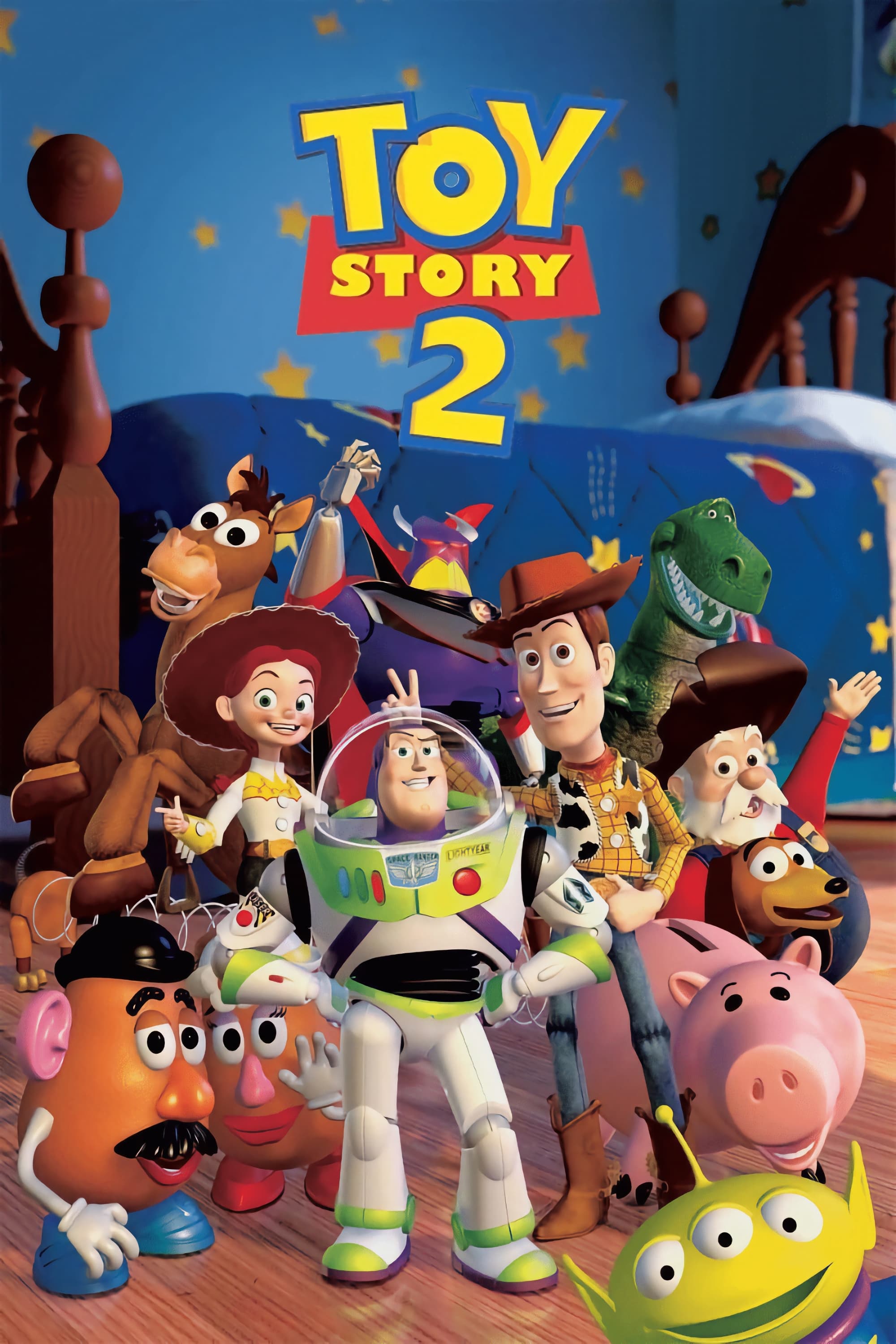
Still from Toy Story 2 (1999)
Film 2 of 5 · by Tessa Marlowe

Toy Story 2 (1999): Cast, Plot and Ending Explained

Toy Story 2 is the 1999 Pixar sequel directed by John Lasseter, released in the US on November 24, 1999 as the second film in the Toy Story series, with Tom Hanks as Woody and Tim Allen as Buzz Lightyear. It runs 92 minutes, is rated G in the US, and grossed $497 million worldwide on a $90 million budget, which made it the first animated sequel to out earn its original. It sits between toy story 1995 and toy story 3 in the toy story movies in order list.

Image: TMDB
Toy Story 2 (1999) theatrical poster
US release
November 24, 1999
Runtime
1h 32m
Rating
G / U / G
Budget
$90 million
Worldwide
$497 million

Toy Story 2 Trailer

3D Trailer

Toy Story 6 trailer

Toy Story 2 Plot: What Is the Movie About?

Toy Story 2 follows Woody, who is stolen by a greedy toy collector while Buzz Lightyear and Andy's other toys try to bring him home. The story begins when Andy heads off to cowboy camp for the summer and leaves his toys behind. Woody is meant to go with him, but his arm rips, and he ends up on a shelf instead.

During a yard sale, Al McWhiggin spots Woody and takes him. From there the film becomes a rescue story with a twist, because the toy who needs saving is not entirely sure he wants to leave. If you are new to the series, this is the film where the toys stop being just Andy's playthings and start having futures of their own to worry about. It is also gentle enough for most young viewers, with a G rating in the US and Australia and a U in the UK.

Toy Story 2 Cast and Characters

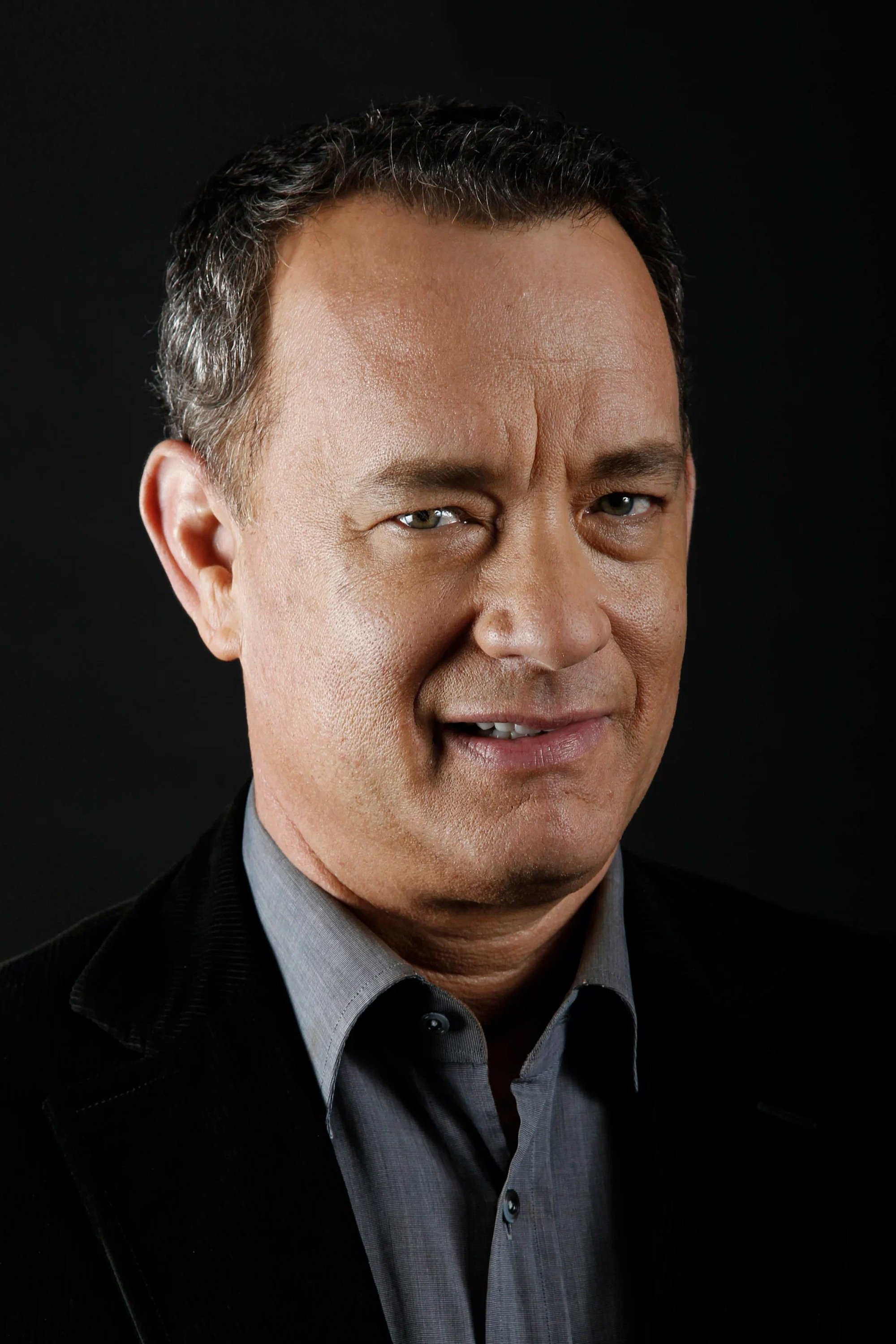
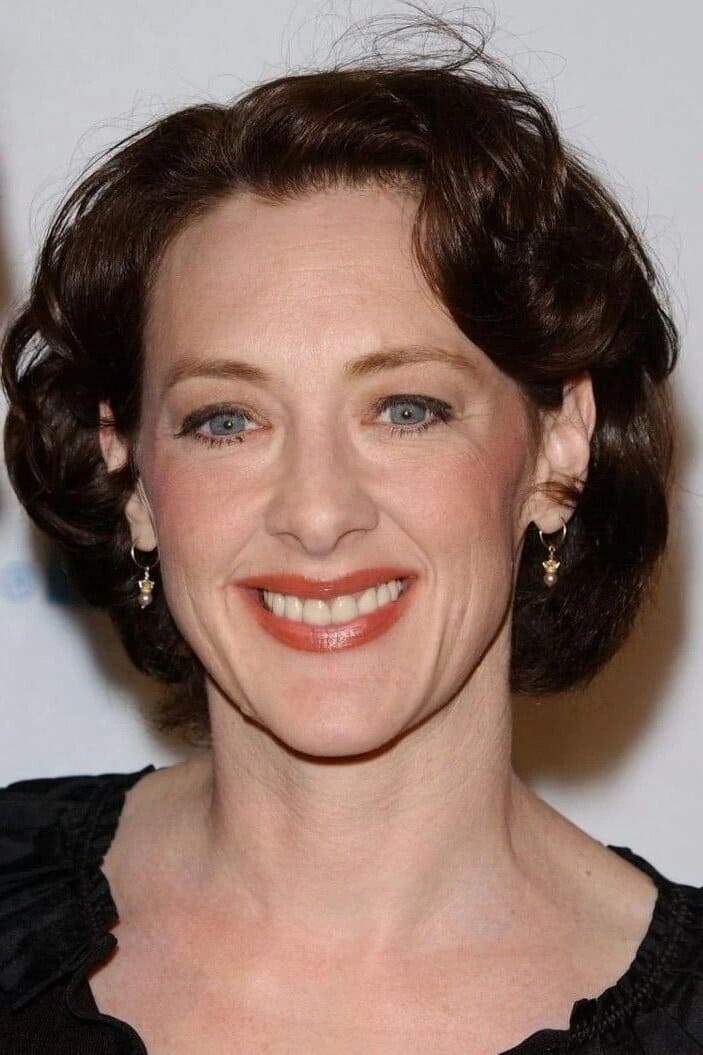
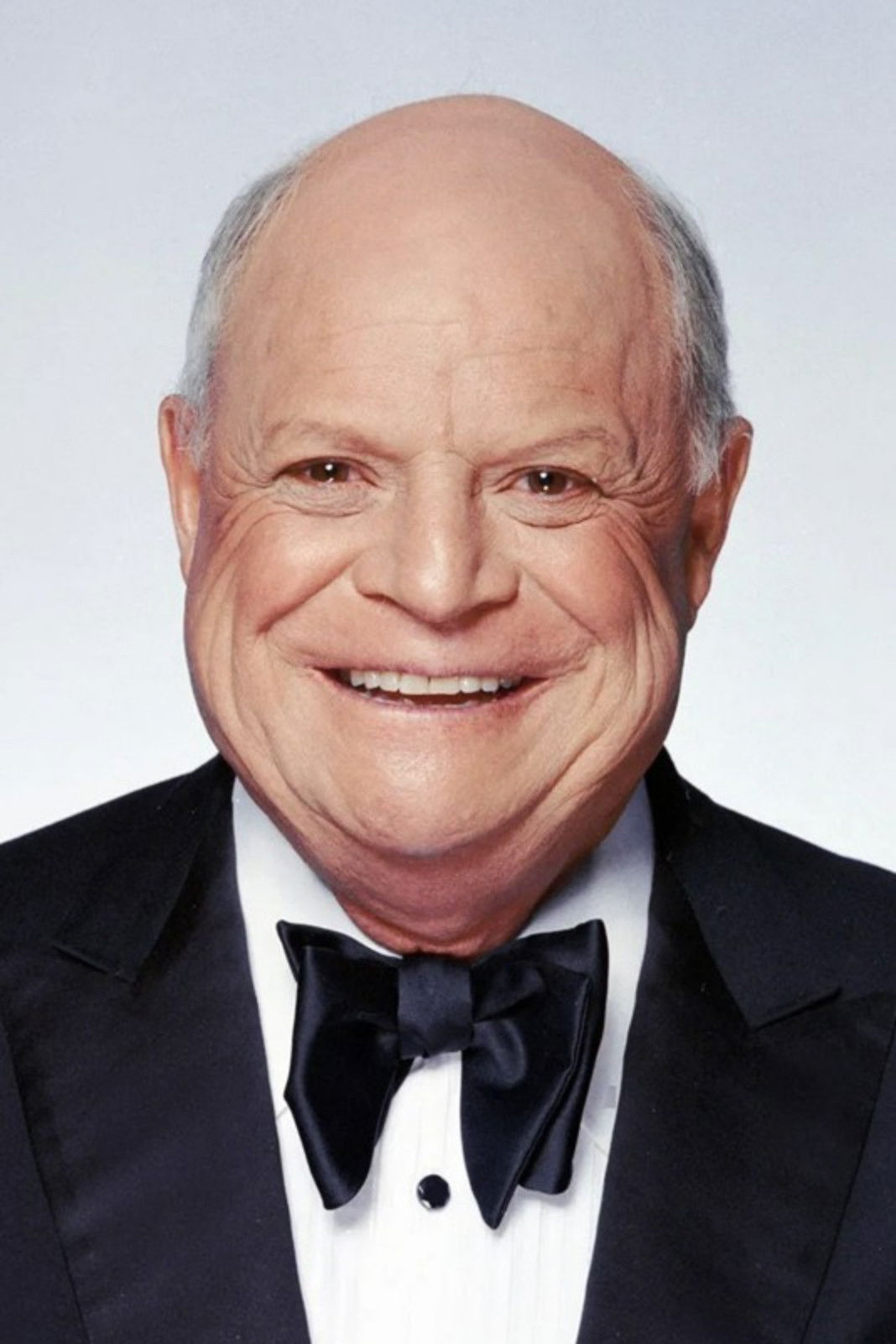
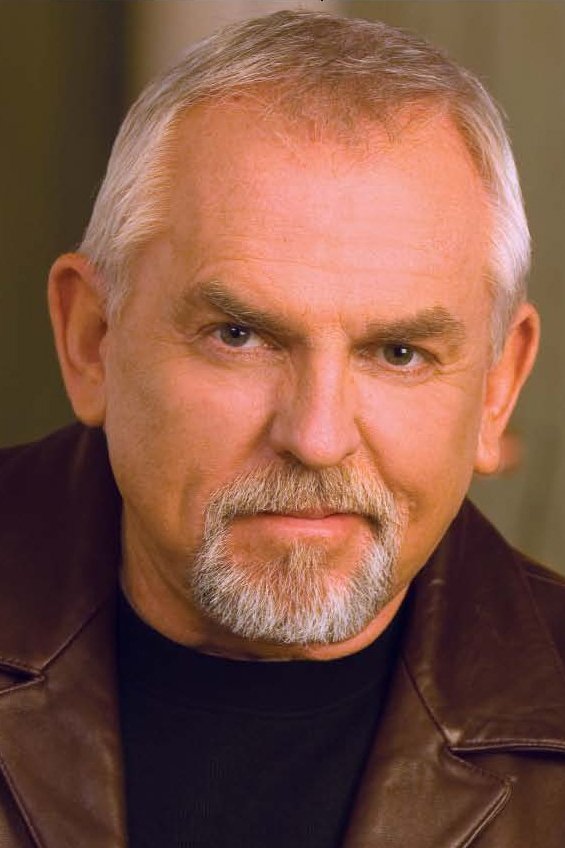
Toy Story cast

More of the cast: Corey Burton (Additional Voices (voice)), Bob Bergen (Additional Voices (voice)), Mickie McGowan (Additional Voices (voice)), Frank Welker (Bullseye / Buster (voice) (uncredited)), Debi Derryberry (Additional Voices (voice)), Sherry Lynn (Additional Voices (voice)), Jack Angel (Additional Voices (voice)), Bill Farmer (Additional Voices (voice)), Jan Rabson (Additional Voices (voice)), Jess Harnell (Additional Voices (voice)), R. Lee Ermey (Sarge (voice)), Jeff Pidgeon (Aliens / Additional Voices (voice)), Andrew Stanton (Emperor Zurg (voice)), John Lasseter (Additional Voices (voice)), Estelle Harris (Mrs. Potato Head (voice)).

Toy Story 2 Stills

Release Dates

MarketDateSource
USNovember 24, 1999confirmedd23.com
UKFebruary 4, 2000reportedthemoviedb.org
AUDecember 2, 1999reportedthemoviedb.org

Where to Watch Toy Story 2

MarketSubscriptionRent or buy
USDisney Plus, HuluAmazon Video, Apple TV Store, Google Play Movies, YouTube, Fandango At Home
UKDisney PlusApple TV Store, Rakuten TV, Amazon Video, Sky Store, YouTube
AUDisney PlusApple TV Store, Amazon Video, YouTube, Fetch TV

Streaming availability data from JustWatch, checked 2026-11-03.

Who Directed Toy Story 2 and Who Made It?

DirectorJohn Lasseter
WritersDoug Chamberlin, Andrew Stanton, Rita Hsiao, Chris Webb
ProducersKaren Robert Jackson, Helene Plotkin
MusicRandy Newman
CinematographySharon Calahan

Box Office

Budget$90 million
Domestic (US and Canada)$246 million
International$252 million
Worldwide$497 million
Worldwide, in September 2026 dollars$1.01 billion

Toy Story box office for every film.

Toy Story 2 Soundtrack and Score: What Songs Are in the Film?

Randy Newman composed the score for Toy Story 2 (1999), and the "Toy Story 2" score album came out on Walt Disney Records on November 9, 1999, with 20 tracks. Three songs are featured in the film, and two of them were written for it: "When She Loved Me" and "Woody's Roundup".

"When She Loved Me" by Sarah McLachlan plays during a flashback montage in which Jessie is loved by her owner Emily, then outgrown, forgotten and abandoned. It was written for the film.

"Woody's Roundup" by Riders in the Sky is the theme song of the Woody's Roundup TV show within the film, and it is also used in the end credit music. It was written for the film as well.

"You've Got a Friend in Me" by Randy Newman and Robert Goulet is sung at two points in the film, by Tom Hanks as Woody and by Robert Goulet as Wheezy's singing voice.

  • "When She Loved Me" by Sarah McLachlan
  • "Woody's Roundup" by Riders in the Sky
  • "You've Got a Friend in Me" by Randy Newman and Robert Goulet

For every film in the series, browse the toy story soundtrack page on Cinvibe.

Toy Story 2 album cover

Toy Story 2

Score album · Walt Disney Records · November 9, 1999 · 20 tracks

Cover art via Deezer

Full tracklist

  1. 1Woody’s Roundup · Riders in the Sky1:54
  2. 2When She Loved Me · Sarah McLachlan3:05
  3. 3You’ve Got a Friend in Me (Wheezy’s version) · Robert Goulet2:56
  4. 4Zurg’s Planet · Randy Newman3:40
  5. 5Wheezy and the Yard Sale · Randy Newman3:11
  6. 6Woody’s Been Stolen · Randy Newman1:29
  7. 7Chicken Man · Randy Newman1:18
  8. 8Woody’s Dream · Randy Newman3:55
  9. 9Jessie and the Roundup Gang · Randy Newman1:24
  10. 10Woody’s a Star · Randy Newman1:29
  11. 11Let’s Save Woody · Randy Newman2:07
  12. 12Off to the Museum · Randy Newman1:30
  13. 13Talk to Jessie · Randy Newman0:43
  14. 14The Cleaner · Randy Newman1:50
  15. 15Al’s Toy Barn · Randy Newman4:00
  16. 16Emperor Zurg vs. Buzz · Randy Newman2:42
  17. 17Use Your Head · Randy Newman4:18
  18. 18Jessie’s in Trouble · Randy Newman2:15
  19. 19Ride Like the Wind · Randy Newman1:30
  20. 20You’ve Got a Friend in Me (instrumental version) · Tom Scott3:00

Songs in Toy Story 2

  1. When She Loved Me

    Written for the film

    Sarah McLachlan

    A flashback montage shows Jessie being loved by her owner Emily, then outgrown, forgotten and abandoned.

  2. Woody's Roundup

    Written for the film

    Riders in the Sky

    It is the theme song of the Woody's Roundup TV show within the film, and it is also used in the end credit music.

  3. You've Got a Friend in Me

    Licensed song

    Randy Newman, Robert Goulet

    It is sung at two points in the film, by Tom Hanks as Woody and by Robert Goulet as Wheezy's singing voice.

Sources: musicbrainz.org, themoviedb.org, en.wikipedia.org

Toy Story soundtrack

Full Toy Story 2 Plot SummarySpoilers

Once Woody is inside Al's apartment, he finds out that he is a collectible. He was the star of an old TV show called Woody's Roundup, and the apartment holds the rest of that show's cast: Jessie the cowgirl, Bullseye the horse and the Prospector, who goes by Stinky Pete. Al owns a toy store, and he intends to sell the whole Roundup set to a toy museum in Tokyo. The museum deal only works if Woody is part of the set.

Across town, Buzz and a handful of Andy's other toys begin their rescue mission, and they hit one obstacle after another on the way. Meanwhile, Woody is hearing a very different pitch. Jessie and the other Roundup toys tell him that in Japan they would sit on display, admired and never outgrown. For a toy who has just watched Andy leave for camp without him, that is a tempting offer. In the end, though, Woody decides that he wants to be with Andy.

The Prospector will not let him walk away, and the rescuers, with Buzz leading the push, keep driving toward the apartment to reach him. Woody gets out with his friends, and Jessie and Bullseye leave with them rather than stay behind. The escape ends in a tight chase involving Al and the airport baggage system, and the toys make it clear of both. They finish the film back in Andy's home.

Toy Story 2 Release Date and Premiere

Toy Story 2 opened wide in the US on November 24, 1999, after a limited run at the El Capitan Theatre that began on November 19, according to Disney's D23 entry and The Numbers. It reached Australia on December 2, 1999 and the UK on February 4, 2000, according to TMDB.

The film opened in the US alongside Lasseter's 1986 Pixar short Luxo Jr. No separate premiere date, city or venue is documented for Toy Story 2, so the El Capitan run is the earliest US showing on record. The release history also answers how old Toy Story 2 is: counting from the US opening in 1999, the film is 26 years old as of November 2026.

Toy Story 2 Ending ExplainedSpoilers

The ending of Toy Story 2 means Woody picks a shorter, riskier life with Andy over a permanent place in a museum. In my opinion, that choice is the best argument the film makes for itself, because it turns a rescue plot into a decision about what a toy is for.

Here is what happens. Woody goes home rather than be preserved in Tokyo. Jessie and Bullseye join the family of toys in Andy's room, and Al McWhiggin's plan to sell the collection falls apart. Woody accepts that Andy will grow up one day, but he is happy to enjoy the time they have together, and the film closes on the toys back together at home.

So, why does it work? The museum offers exactly what the toys fear losing: no more being outgrown. Jessie and the others urge Woody to come to Japan, where the Woody's Roundup set would sit on display for good, and it could be argued that the Prospector's pitch is reasonable on paper. That is what gives it weight. The cost is also real, because the set is only complete with Woody, so staying with Andy means breaking up the only family of Roundup toys that exists. Then comes the escape through the airport baggage system, a set piece that gives the choice a physical price before the toys get home.

How does it compare with the first film? In toy story 1995, Woody's trouble is jealousy: Buzz arrives as Andy's new favorite and Woody feels replaced. Here the fear has grown up. Woody is no longer worried about who sits on the bed, he is worried about being outgrown at all, and the answer he reaches is acceptance rather than a win.

There is a production angle too. The project began in 1996 as a direct to video sequel and became a theatrical feature in early 1998, according to Animation World Network. I read the finished film as one that earned its bigger scale, because the emotional question stayed small and personal while the stakes around it grew.

The series then keeps paying off the choice. Toy Story 3 has a 17 year old Andy facing college, which is the moment Woody accepted would come. Toy Story 4 brings Bo Peep back into Woody's life. In Toy Story 5, Jessie, billed first, sets out to win Bonnie back from a tablet, which is a long way from the shelf where she waited in Al's apartment. A film that ends on a toy choosing to be played with sets that whole pattern in motion.

Does Toy Story 2 Have a Post Credit Scene?Spoilers

Toy Story 2 has no post credit scene in the story sense, but a blooper reel runs during the credits. It includes Flik and Heimlich from A Bug's Life, and it was added to the film on December 25, 1999. It is a light sendoff and does not change the ending.

Toy Story 2 Filming Locations

Toy Story 2 has no real filming locations, because it is an animated feature made entirely on computers. Its settings are fictional and built in the studio: Andy's house, the yard sale, Al's apartment, the toy store, the toy museum destination in Tokyo and the airport baggage system. Disney describes the film as created, mastered and exhibited digitally, so the whole look comes from the digital pipeline rather than any physical set.

Toy Story 2 Trivia

Several details about how Toy Story 2 was made are well documented.

  • The project began in 1996 as a direct to video sequel, and in early 1998 the studio announced it would be a theatrical feature instead.
  • Luxo Jr., Lasseter's 1986 short, played with the film at its US opening.
  • Randy Newman wrote two new songs for it, and When She Loved Me was nominated for the Academy Award for Best Original Song.
  • Disney describes it as the first motion picture entirely created, mastered and exhibited digitally.
  • It was the first animated film sequel to gross more than its original, ending at about $497 million worldwide and out earning Toy Story (1995).
  • Jim Varney voiced Slinky Dog here, his last Toy Story role. Blake Clark takes over the part in toy story 3.

For box office context, see the toy story box office page, and for Easter eggs across Pixar films, see toy story easter eggs.

Facts

FAQs

Was 90% of Toy Story 2 deleted?

There is no documented evidence for the claim that 90 percent of Toy Story 2 was deleted, so it is unconfirmed. The documented history is that the project began in 1996 as a direct to video sequel and was announced as a theatrical feature in early 1998.

Did Pixar delete 90% of Toy Story 2?

That figure is not confirmed. What is on record is the shift from a direct to video sequel to a theatrical release in 1998, ahead of the November 24, 1999 US opening.

How old is Toy Story 2?

Toy Story 2 is 26 years old as of November 2026, counting from its US release on November 24, 1999. It turns 27 later this month.

Who is the villain in Toy Story 2?

The main villain is Al McWhiggin, voiced by Wayne Knight, the toy collector who steals Woody to sell him to a Tokyo museum. The Prospector, voiced by Kelsey Grammer, is the second antagonist.

Where can you watch Toy Story 2?

As of November 3, 2026, Toy Story 2 streams on Disney Plus in the US, UK and Australia, and also on Hulu in the US. Rent or buy options vary by country, and the where to watch toy story page tracks them.

How long is Toy Story 2 and what is it rated?

Toy Story 2 runs 92 minutes. It is rated G in the US and Australia and U in the UK.