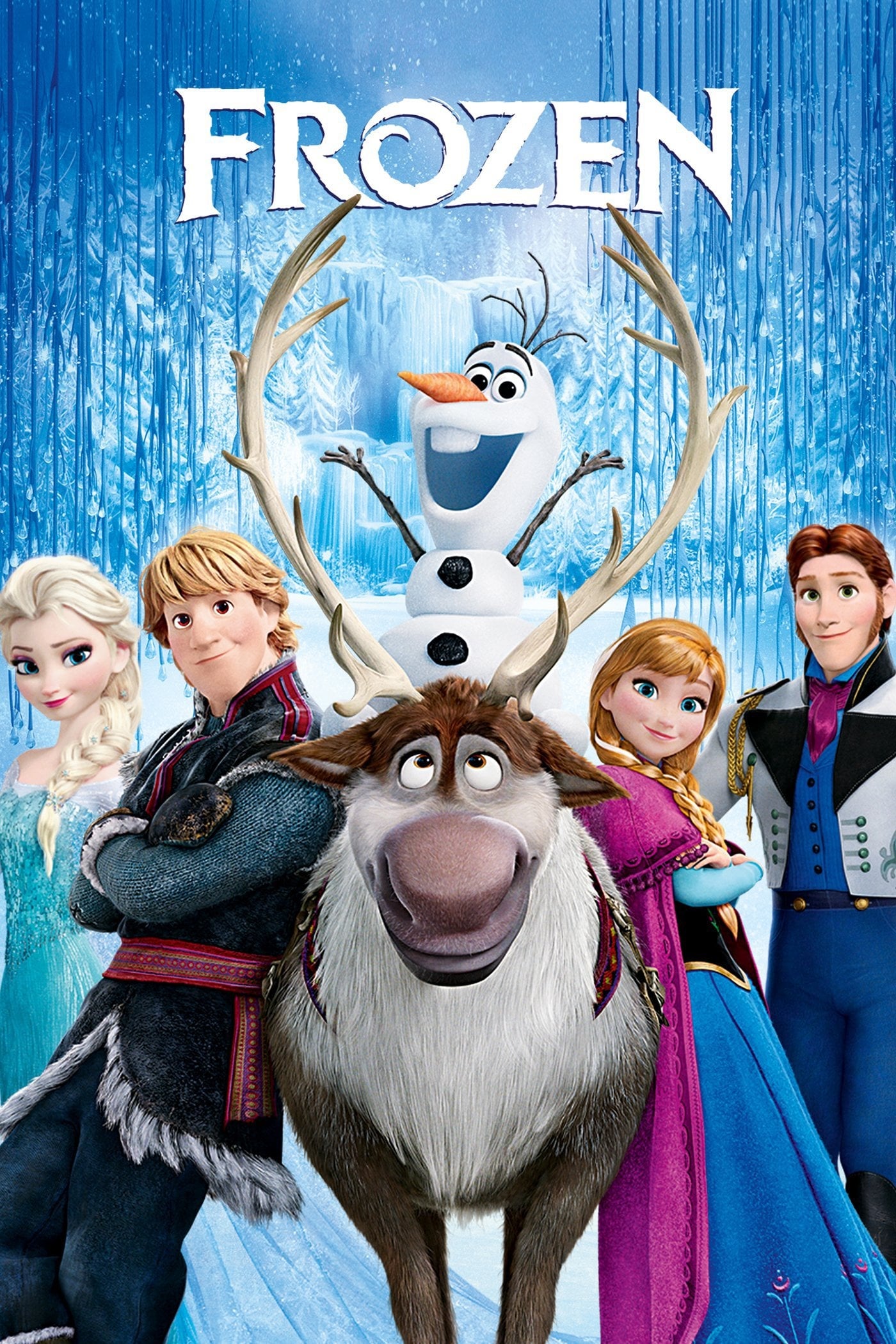
The twist in Frozen (2013) is that Prince Hans, the charming fiancé, wants the throne of Arendelle and leaves Anna to die, and the ending then answers that betrayal with a different kind of love than the one Anna expected.
How does the film set up the true love rule? The trolls tell Kristoff that only an act of true love can save Anna, and viewers who know the fairy tale genre expect a kiss from a prince. So, Kristoff rushes her back to Hans, and the film lets the audience believe the cure is a few minutes away. Hans instead reveals his plan, leaves Anna to freeze and imprisons Elsa. The film is built around that misdirection, and the best evidence is how the rescue sits right next to the genre's most familiar promise.
What actually saves Anna? Elsa escapes, and Hans confronts her. Anna, nearly frozen, throws herself between Hans and Elsa's sword and turns to solid ice. That sacrifice is the act of true love, so she thaws. In my opinion, the choice to make the cure a sister's sacrifice, rather than a kiss, is the smartest decision the writers made, because the sisters' separation is the emotional engine from the first act.
What does the ending resolve? The story began with Elsa's fear that her powers hurt the people she loves. It resolves when Elsa realizes that love lets her control them. She ends the eternal winter, Arendelle is restored, Hans is sent home in disgrace for treason, and Kristoff becomes the royal ice deliverer. He and Anna share a kiss, and Elsa promises never to close the castle gates again.
How does it compare with Frozen II? It could be argued that the two main films answer opposite questions. Frozen (2013) closes a locked door: the sisters are reunited and the kingdom is open. Frozen II (2019), directed by Jennifer Lee and Chris Buck, begins in peace and then asks about the past, after Elsa hears a strange voice, Arendelle is evacuated and Pabbie tells the sisters they must find out what happened before. The first film is a story about fear, and the sequel is a story about history. On paper they are close siblings: 102 minutes against 103, a $150 million budget each, and a PG rating in the US. The sequel went on to earn about $1.45 billion worldwide, according to Box Office Mojo, against roughly $1.31 billion for the original. Even so, in my opinion the first film has the tighter emotional line, since one sacrifice carries the whole finale, while the sequel spreads its weight across a larger search. See the Frozen 2 page for that follow up.
How does it compare with the shorts? The promise to keep the gates open pays off in two of them. Olaf's Frozen Adventure (2017), directed by Stevie Wermers-Skelton and Kevin Deters, runs 22 minutes and is set in the first Christmas season since the gates reopened. Anna and Elsa host a holiday celebration, then realize they have no family traditions of their own, which is a direct echo of the years they spent apart in Frozen (2013). Frozen Fever (2015), directed by Jennifer Lee and Chris Buck, is only 8 minutes long, and it shows the same open castle at work, with Elsa planning Anna's birthday party while hiding a cold. Where the feature is about being shut out, both shorts are about what the sisters do once the door stays open. Once Upon a Snowman (2020), at 7 minutes, goes the other way and reaches back to the ice palace, showing Olaf alone after Elsa builds it, which is a reminder of how much of the story starts from Elsa's isolation.
Is the production context part of the ending? Perhaps. According to Disney's D23 account, art director Mike Giaimo based Arendelle on Norway after about 80 percent of his research notes concerned it, and an ice hotel in Quebec influenced the ice palace. Those choices give the finale a visual logic: the thaw is set against a Norwegian fjord, so the warmth of the ending is felt against the cold of the setting.
Where does the next film pick up the thread? Frozen III has a confirmed US release date of November 24, 2027, according to TheWrap, and it will be the third main film after Frozen (2013) and Frozen II (2019). In my opinion, the open gates are the promise the whole series keeps measuring itself against, and the first film is still the one that makes that promise. If you want a happy ending for the whole family, I would say this one delivers. The next chapter is covered on the Frozen 3 page.