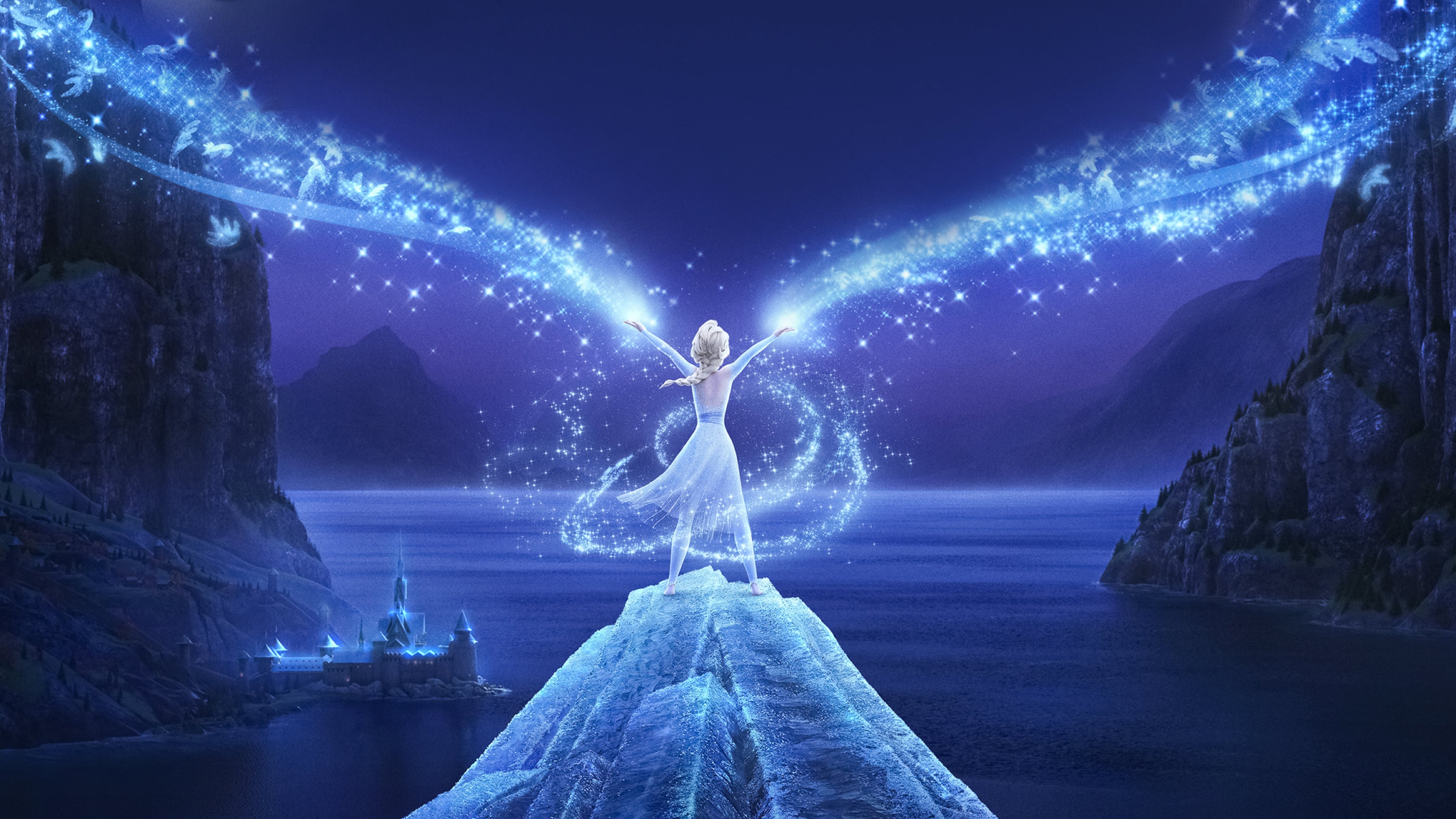
The ending of Frozen 2 reveals that Elsa is the fifth spirit, the one who can link people with nature, and that is why she stays in the Enchanted Forest while Anna takes the crown. What happens in the final minutes is simple to list: the dam is destroyed, Elsa stops the flood and saves Arendelle, the mist lifts, Olaf comes back to life, and Kristoff proposes to Anna.
Did Anna and Kristoff get married at the end of Frozen 2? No, the film stops at the proposal, so there is no wedding on screen. In my opinion, that is a sensible place to leave them, because the story's emotional weight sits with the two sisters.
Why does Anna have to break the dam? Because the dam was built by Elsa's grandfather to weaken the Northuldra, and Elsa's discovery in Ahtohallan makes the wrong visible. Anna's choice to wake the earth giants and bring it down comes while Elsa is frozen, and in my opinion it is the most important decision in the film. It could be argued that the real hero of the third act is Anna, with Elsa's ride on the water spirit as the rescue that follows.
Is Frozen 2 as good as Frozen 1? That depends on what you want. Frozen (2013) keeps Elsa behind closed castle gates and builds its heart around two estranged sisters. The sequel sends everyone out into the world, adds the Northuldra and the spirits, and trades some of that intimacy for lore. The two films are close on paper: Frozen (2013) runs 102 minutes on a $150 million budget, while Frozen II runs 103 minutes on the same budget and earned $1.45 billion worldwide, the higher total of the two, according to Box Office Mojo. Box office is not the same as affection, though, and in my opinion the first film is the tighter story while the sequel is the bigger one.
The endings mirror each other in a way I find satisfying. Frozen (2013) begins with the castle gates shut and the sisters kept apart, and Frozen II closes with Elsa walking out of that world on her own terms while Anna holds the crown and the two stay close. Olaf's Frozen Adventure (2017) asks a smaller version of the same question, since Anna and Elsa realize they have no traditions of their own and Olaf goes out to find some. The sequel answers it on a grander scale, with Elsa finding where she belongs.
The shorts show the other end of the scale. Frozen Fever (2015) keeps its stakes to a birthday party and Elsa hiding a cold, and Olaf's Frozen Adventure sends Olaf across the kingdom with Sven and Kristoff's sleigh to collect holiday traditions for the sisters. Once Upon a Snowman (2020) follows Olaf's first steps right after Elsa builds her ice palace. Set against those small, warm stories, the sequel's flood and the loss of Olaf feel much heavier, and if you remember how he started, seeing him fade away in Ahtohallan lands harder. If you are a parent, I would point younger children to the first film and keep the sequel for ages that can follow the history.