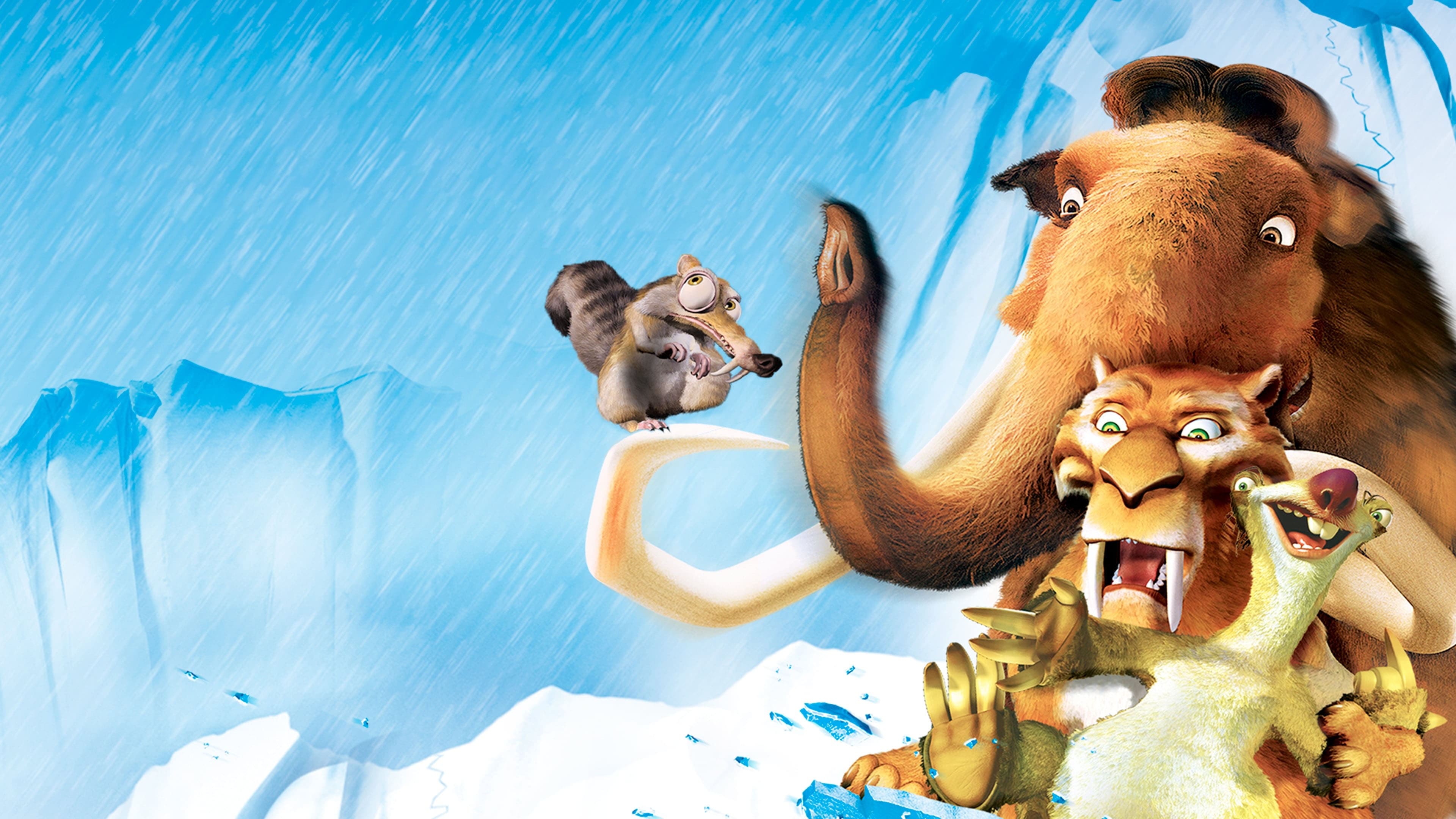
Ice Age Egg: Sid’s Dinosaur Eggs Explained for UK Viewers
For UK viewers, the Ice Age egg story follows Sid adopting three dinosaur eggs in Ice Age: Dawn of the Dinosaurs (2009), directed by Carlos Saldanha and Michael Thurmeier. The eggs hatch into baby dinosaurs, and their Tyrannosaurus mother abducts Sid.
Which Ice Age Egg Story Is About Sid?
Sid’s dinosaur egg story appears in Ice Age: Dawn of the Dinosaurs (2009), directed by Carlos Saldanha and Michael Thurmeier. Sid adopts three eggs that hatch into baby dinosaurs, and their Tyrannosaurus mother abducts him. He takes the eggs while feeling left out as Manny and Ellie prepare to start a family. The number of hatchlings and their mother are useful details for anyone trying to identify the film from a remembered scene. The Ice Age: Dawn of the Dinosaurs page offers a wider look at the feature.
Ice Age: The Great Egg-Scapade (2016), directed by Ricardo Curtis, is a separate special. Disney+ describes its story as a rescue mission by the herd that becomes an egg hunt. Disney Movies also describes Sid running an egg sitting service in the special, with Squint stealing the eggs in his care. The shared presence of Sid and eggs can make the titles easy to confuse, so the dinosaur hatchlings are the more precise clue for finding the feature. For coverage beyond these two stories, visit the Ice Age page.
Why Does Sid Adopt the Eggs?
Sid adopts the eggs while feeling left out as Manny and Ellie prepare to start a family in Ice Age: Dawn of the Dinosaurs. Smithsonian Magazine places his decision alongside that family situation and identifies the hatchlings’ mother as a Tyrannosaurus. Sid’s place among his friends gives the egg story a family context before the dinosaur mother becomes involved. For a child asking about his decision, the starting point is that he feels left out while Manny and Ellie are preparing for a change in their family.
The British Board of Film Classification says Sid takes dinosaur eggs and is abducted by their mother. The eggs hatch into three baby dinosaurs, so an explanation of the scene can distinguish Sid’s adoption of the eggs from the hatchlings’ relationship with their dinosaur mother. Director Carlos Saldanha described keeping family relationships central while introducing dinosaurs, giving the setup a wider production context. That distinction also helps connect the family setup to the later abduction without treating the eggs as part of the separate egg hunt in Ice Age: The Great Egg-Scapade.
What Hatches From Sid’s Ice Age Eggs?Spoilers
Three baby dinosaurs hatch from the three eggs Sid adopts in Ice Age: Dawn of the Dinosaurs. Their mother is a Tyrannosaurus, according to Smithsonian Magazine, and she abducts Sid after he takes the eggs. The number gives viewers a specific detail to check when they remember Sid caring for dinosaur babies but cannot place the title. It also makes clear that the eggs belong to the feature’s dinosaur story, rather than the rescue mission described for Ice Age: The Great Egg-Scapade.
The film’s family setup places Sid’s adoption alongside Manny and Ellie preparing to start a family. The hatchlings have a dinosaur mother as well as Sid, who adopts their eggs, and the British Board of Film Classification identifies her abduction of Sid as a consequence of his taking them. Disney Movies identifies Buck as a one eyed weasel in the film’s underground dinosaur world, another detail that can help place the feature. For a concise account of the sequence, start with the three eggs, explain that they hatch into baby dinosaurs, and then mention their mother if the listener wants to know what happens next.
What Happens to Sid and the Dinosaur Family?Spoilers
The dinosaur mother abducts Sid after he takes her eggs in Ice Age: Dawn of the Dinosaurs. The British Board of Film Classification describes the abduction, while Smithsonian Magazine identifies the mother as a Tyrannosaurus. Sid adopts three eggs, and those eggs hatch into three baby dinosaurs. These details explain the consequence of his decision without requiring a full account of the film. If you are describing the scene to someone who has not watched it, the abduction is a plot detail they may prefer to discover for themselves.
Buck is a weasel with one eye who inhabits the film’s underground dinosaur world, according to Disney Movies. His setting is a separate detail from the British Board of Film Classification’s account of Sid’s abduction, so it should not be treated as a fuller description of that event. The board also provides content advice for the feature, describing very mild threat, comic violence and innuendo. For viewers trying to remember the characters, Buck helps identify the underground dinosaur setting, while the three hatchlings and their Tyrannosaurus mother identify Sid’s egg story.
The Family Story Behind the Dinosaur Adventure
The filmmakers preserved the franchise’s family relationships while introducing dinosaurs in Ice Age: Dawn of the Dinosaurs. In an interview with Animation World Network on July 6, 2009, Carlos Saldanha described keeping family relationships central as dinosaurs entered the story. That account gives production context to the film’s family setup, including Sid feeling left out while Manny and Ellie prepare to start a family. Readers discussing the film can use those circumstances to consider why the eggs matter to Sid.
Saldanha also described animation work on the dinosaurs’ scale, weight and expressions, alongside improvements to fur, lava and forest lighting. Those details show how the filmmakers approached the dinosaurs and their surroundings while retaining the existing family relationships. Disney Movies credits Saldanha and Michael Thurmeier as the feature’s directors and identifies Buck as a weasel inhabiting its underground dinosaur world. The interview offers a way to discuss both the characters and the visual work: ask which details make the dinosaurs feel different in size and weight, then consider how Sid’s situation fits the family story Saldanha described.
Is The Great Egg-Scapade the Same Story?
Ice Age: The Great Egg-Scapade is a separate 2016 special from Sid’s dinosaur egg story in Ice Age: Dawn of the Dinosaurs. Disney+ describes the special as a herd rescue mission that becomes an egg hunt and lists its duration as 26 minutes. In the feature, Sid adopts three eggs that hatch into baby dinosaurs. The events surrounding the eggs provide a useful way to identify the title when a search result mentions Sid but gives little detail about the plot.
Disney Movies describes another identifying detail in Ice Age: The Great Egg-Scapade: Squint steals eggs from Sid’s egg sitting service. Its listing gives a runtime of 22 minutes, while Disney+ lists 26 minutes. Disney Movies dates the special to March 20, 2016, and credits Ricardo Curtis as director. Neither listing explains the runtime difference in the information provided here, so the figures should remain attached to their respective publishers. UK viewers can use the full title and plot details to distinguish the special from the feature; the cited listings do not establish a current UK viewing option.
Sid’s Egg Sitting Service and the Special’s Credits
Sid runs an egg sitting service in Ice Age: The Great Egg-Scapade, and Squint steals eggs from it. Disney Movies identifies the service and theft in its description of the special. Disney+ describes the herd going on a rescue mission that becomes an egg hunt. Those details provide a different set of clues from the three dinosaur hatchlings in Ice Age: Dawn of the Dinosaurs. If you remember Sid caring for eggs but are unsure which title you watched, look for Squint and the egg sitting service in the special’s description.
Disney Movies dates Ice Age: The Great Egg-Scapade to March 20, 2016, and credits Ricardo Curtis as director, Jim Hecht as writer and John C. Donkin as producer. Disney Movies lists a runtime of 22 minutes, whereas Disney+ lists 26 minutes. The two figures should not be used to infer an extended cut or extra scenes, because the supplied listings do not explain the discrepancy. The special’s title and story details offer more direct clues when comparing it with the dinosaur feature.
Real Dinosaur Nests Could Hold More Than Three Eggs
Real dinosaur nests could contain more than Sid’s three eggs: the Western Australian Museum describes oviraptor nests containing up to 24 elongated eggs arranged in a ring. The museum says oviraptors produced two eggs at a time and that a clutch was probably laid over two to four weeks. The size and arrangement of those nests give families a point of comparison when discussing the film’s three eggs. The example concerns oviraptors, so it does not establish how the film’s Tyrannosaurus would have nested.
Eggshell porosity also gives researchers clues about incubation. The Western Australian Museum explains that porous sauropod eggs were probably covered to limit water loss, while less porous oviraptor eggs probably remained unburied beneath a brooding female or possibly male. The museum’s descriptions distinguish two dinosaur groups and preserve uncertainty about how their eggs were cared for. The Natural History Museum says the oldest dinosaur eggs currently known to science are around 230 million years old, providing another starting point for a discussion of fossil evidence. When a child asks about real dinosaur nests, use the group named in each example rather than applying one arrangement to every dinosaur.
What Does Fossil Evidence Show About Dinosaur Eggs?
Fossil evidence shows that dinosaur eggs existed around 230 million years ago, the age of the oldest examples currently known to science according to the Natural History Museum. The museum also holds an approximately 67 million year old agate specimen that its experts are pretty certain formed inside a dinosaur egg. The two examples have different ages and different levels of identification certainty. They give families separate starting points for discussing what researchers know about dinosaur eggs and how a museum specimen can be interpreted.
For UK families choosing Ice Age: Dawn of the Dinosaurs, the British Board of Film Classification provides content advice alongside the dinosaur premise. Its current listing describes very mild threat, comic violence and innuendo. The Western Australian Museum also describes oviraptor nests with up to 24 elongated eggs arranged in a ring, a distinct example from the Natural History Museum specimens. That advice gives parents specific points to consider for a child, while the museum examples offer a separate route into questions about real dinosaur eggs. Check the British Board of Film Classification advice against your child’s sensitivities before watching.
Facts
- In Ice Age: Dawn of the Dinosaurs (2009), Sid takes dinosaur eggs and is abducted by their mother. British Board of Film Classification, checked 2026-11-04
- Sid adopts three eggs that hatch into three baby dinosaurs in Ice Age: Dawn of the Dinosaurs (2009). Children and Media Australia, checked 2026-11-04
- In Ice Age: Dawn of the Dinosaurs (2009), Sid adopts eggs while feeling left out as Manny and Ellie prepare to start a family, and the hatchlings’ mother is a Tyrannosaurus. Smithsonian Magazine, checked 2026-11-04
- Disney Movies credits Carlos Saldanha and Michael Thurmeier as directors of Ice Age: Dawn of the Dinosaurs (2009) and identifies Buck as a weasel with one eye inhabiting its underground dinosaur world. Disney Movies, checked 2026-11-04
- The BBFC’s current listing for Ice Age: Dawn of the Dinosaurs (2009) gives content advice of very mild threat, comic violence and innuendo. British Board of Film Classification, checked 2026-11-04
- Disney+ lists Ice Age: The Great Egg-Scapade as a 2016 title lasting 26 minutes, following the herd on a rescue mission that becomes an egg hunt. Disney+, checked 2026-11-04
- The Natural History Museum says the oldest dinosaur eggs currently known to science are around 230 million years old. Natural History Museum, checked 2026-11-04
- Natural History Museum experts are pretty certain that an approximately 67 million year old agate specimen in its collection formed inside a dinosaur egg. Natural History Museum, checked 2026-11-04
- Discussing Ice Age: Dawn of the Dinosaurs (2009) on July 6, 2009, Carlos Saldanha described preserving family relationships while introducing dinosaurs and addressing their scale, weight and expressions alongside improvements to fur, lava and forest lighting. Animation World Network, checked 2026-11-04
- Disney Movies dates Ice Age: The Great Egg-Scapade to March 20, 2016, lists 22 minutes, credits director Ricardo Curtis, writer Jim Hecht and producer John C. Donkin, and describes Squint stealing eggs from Sid’s egg sitting service. Disney Movies, checked 2026-11-04
- The Western Australian Museum describes oviraptors producing two eggs at a time and nests containing up to 24 elongated eggs in a ring, probably laid over two to four weeks. Western Australian Museum, checked 2026-11-04
- The Western Australian Museum explains that porous sauropod eggs were probably covered to limit water loss, while less porous oviraptor eggs probably remained unburied beneath a brooding female or possibly male. Western Australian Museum, checked 2026-11-04
FAQs
Which Ice Age movie does Sid find the eggs in?
Sid adopts dinosaur eggs in Ice Age: Dawn of the Dinosaurs (2009), directed by Carlos Saldanha and Michael Thurmeier.
How many eggs does Sid find in Ice Age?
Sid adopts three dinosaur eggs in Ice Age: Dawn of the Dinosaurs.
What kind of dinosaurs hatch from Sid’s eggs?
The eggs hatch into three baby dinosaurs whose mother is a Tyrannosaurus.
What happens to Sid and the dinosaur eggs?
The eggs hatch into baby dinosaurs, and their mother abducts Sid.
Is Ice Age: The Great Egg-Scapade the same story?
Ice Age: The Great Egg-Scapade is a separate 2016 special in which the herd’s rescue mission becomes an egg hunt. Disney+ lists its duration as 26 minutes, while Disney Movies lists 22 minutes.
More Ice Age Articles
All Ice Age articles- Louis Ice Age: A UK Guide to Peaches’ FriendNovember 4, 2026 · UK focus
For UK viewers, Louis in Ice Age is Peaches’ molehog best friend in Ice Age: Continental Drift (2012), voiced by Josh Gad.