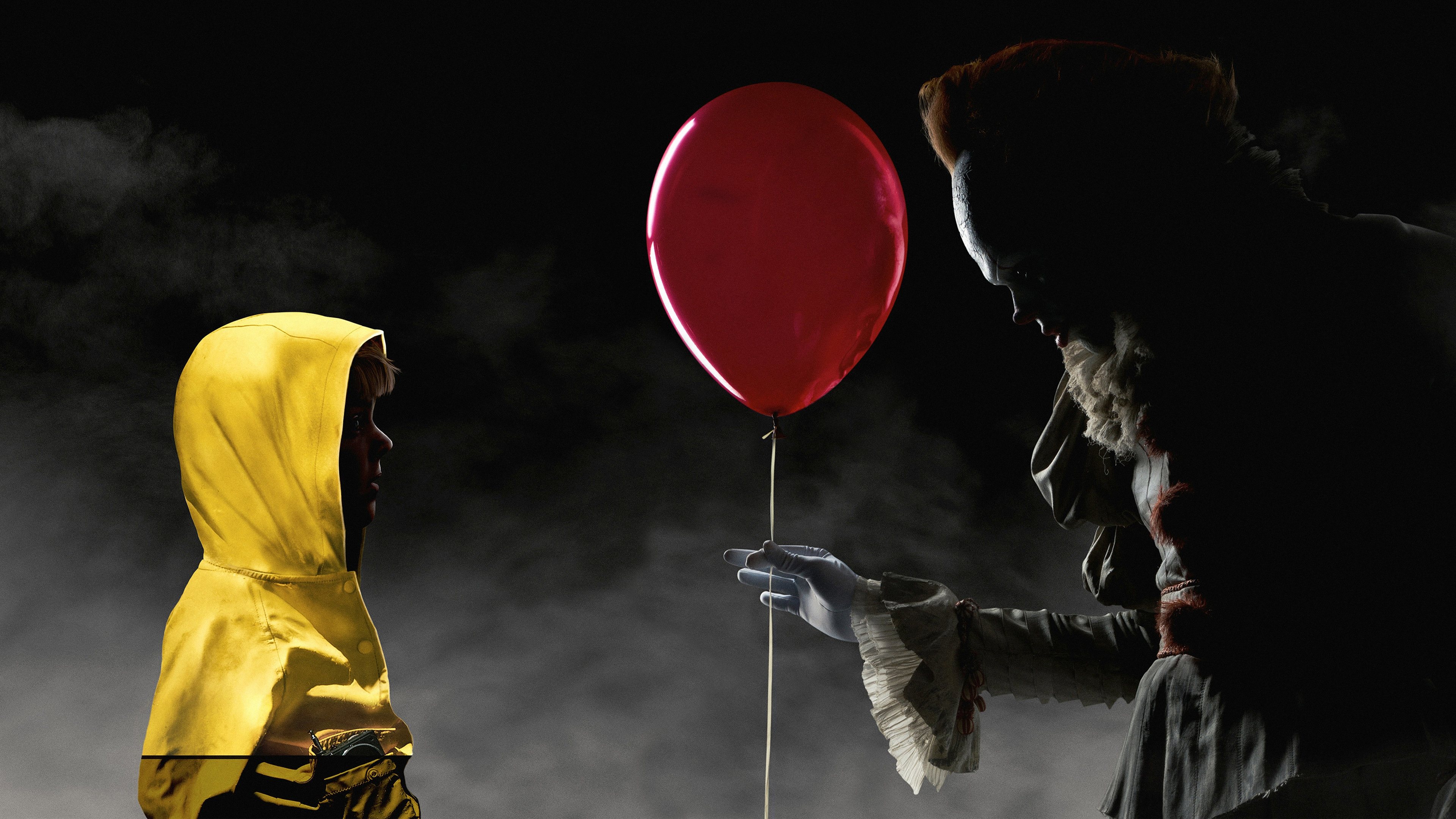
Stephen King's It Book: The Story Behind the Films
Stephen King's It book is a 1986 horror novel about seven friends confronting a creature in Derry, Maine. Its interwoven childhood and adult stories became the source for the films It (2017) and It Chapter Two (2019).
What Is Stephen King's It Book About?
Stephen King's It book follows seven friends who confront a creature that kills children in the fictional town of Derry, Maine. The novel returns to the friends as adults after they make a childhood promise to come back if the killings begin again. Stephen King's official website dates the book to September 1986 and identifies Viking Press as its publisher. The premise gives a new reader two connected periods to follow: the friends face the threat as children, then return to Derry as adults. That return provides the starting point for understanding the story without knowing its ending.
The friends are known as the Losers Club, a name that identifies the group rather than the creature they face. Their shared promise connects the childhood story to the adult one, so the return to Derry carries the weight of an earlier encounter. The creature is also known as Pennywise the Dancing Clown, although the novel presents it in other forms. Readers who recognize the clown can use the group and its promise as a way into the broader story. The It movies page covers the franchise on screen, while this guide concentrates on the novel and its publication, structure and inspiration.
How Long Is Stephen King's It Book?
Stephen King's It runs beyond 1,100 pages in the two page counts compared here, although the exact count depends on the edition. Simon & Schuster lists the 2016 Scribner ebook at 1,168 pages, while a 2015 Guardian article gives the novel a length of 1,138 pages. The figures describe the length reported in each source and should not be treated as a single count for every copy. If you are planning a reading schedule, check the publication details and page count in the edition you intend to read.
The novel's structure also helps explain what a reader will encounter across that length. The story follows the same friends as children in 1958 and adults in 1985, with historical interludes and changes of viewpoint around those narratives. A page total can indicate the scale of a reading commitment, but it does not show when the story will move between periods or perspectives. The distinction matters when comparing a copy with a number quoted online: the count belongs to a particular publication, while the connected childhood and adult stories form the book's central arrangement. Keep your own edition's page count beside any reading plan you make.
How Does the Novel Move Between Childhood and Adulthood?
The novel interweaves the friends' childhood in 1958 with their adult lives in 1985, alongside historical interludes and changing viewpoints. That arrangement connects the two periods throughout the reading experience instead of presenting a complete childhood story followed by a separate adult story. Stephen King has said that he conceived the idea of weaving the children's stories together with those of the adults they become before deciding to write the novel in summer 1981. His account places the relationship between the two ages within the book's conception.
The distinction between the dates of events and the order in which they appear gives readers a useful way to follow the novel. The childhood and adult narratives concern the same friends, while the historical material extends attention to Derry beyond their immediate experiences. A reader can identify the period and perspective of a passage without rearranging the whole book into a chronology. The adult return gains context from the earlier encounter, and the childhood story is read alongside the knowledge that the friends later come home. When the narrative changes period, use the characters' ages and the surrounding context to establish which strand you are following.
What Inspired Stephen King to Write It?
Stephen King traced the initial idea for It to a walk across a wooden bridge in Boulder, Colorado, in 1978. In his account, The Three Billy-Goats Gruff prompted him to imagine a real troll beneath the bridge. The remembered location and the fairy tale supplied a starting point for an imagined threat beneath an ordinary crossing. King later connected that image to ideas about a city and the passage from childhood into adulthood. His recollection describes the development of the novel, rather than a real account of the creature's actions.
King said Bangor's canal helped him imagine a city as a bridge, with a creature living in the sewers underneath. He also recalled a corridor between the children's and adults' sections of a library in Stratford, Connecticut, as a connection between childhood and adulthood. Each location contributed a different image to his account of the book's development: one concerned the creature and the city above it, while the other suggested movement between ages. For readers asking whether the story is true, these are documented creative influences involving real places and a fairy tale. The creature and its killings belong to the fictional story.
Why Does Derry Matter to the Story?
Derry matters because its fictional history extends beyond the seven friends, and its setting draws on Bangor, Maine. The Guardian reported that Derry was based on Bangor, while another Guardian account describes the novel exploring Derry's history in 1905. Those details give readers a way to distinguish the real place that helped inspire the setting from the fictional town in the novel. Derry is also where the friends confront the creature and where their childhood promise draws them back as adults.
Stephen King's account of imagining a city above a creature in the sewers connects the setting to the original idea for It. The image developed from his recollection of Bangor's canal and the possibility of a threat beneath a bridge. Historical interludes give Derry a past beyond the central childhood and adult narratives, widening the reader's view of the town. The setting therefore has a role in the book's structure as well as a connection to its inspiration. When reading a passage about Derry's earlier history, place it alongside the friends' story while keeping the fictional town distinct from Bangor.
Who Is the Creature in Stephen King's It Book?
Pennywise the Dancing Clown is an identity of the creature in It, which also takes forms associated with the children's fears. Stephen King's official book page identifies the dancing clown as It and Bob Gray. A Guardian account describes other forms, including a Wolfman and a mummy, so the clown is one way the threat appears rather than its only appearance. For a reader who knows Pennywise by sight, the changing forms offer useful context before the novel reveals more about the creature.
The creature's killings recur at intervals of roughly 27 years, according to The Guardian's account of the novel. That approximate cycle sits alongside a story that follows the same friends in childhood and adulthood. The changing appearances also connect the threat to the fears of the children who encounter it, giving readers another detail to follow as the viewpoint changes. Neither feature requires a new reader to know how the story ends. Keep the interval approximate when discussing it, and notice whose fear is involved when the creature appears in a different form. Those details establish how the threat operates without disclosing its later revelations.
How Does the Novel Treat Fear and Growing Up?
The novel treats fear and growing up through the same friends' childhood and adult experiences and a creature that takes forms associated with childhood fears. The Losers Club consists of Bill Denbrough, Beverly Marsh, Ben Hanscom, Eddie Kaspbrak, Mike Hanlon, Richie Tozier and Stanley Uris. Following the group across both periods makes the passage into adulthood part of the story's structure. The creature's changing appearances give fear a visible place within the children's encounters, while the return to Derry connects those encounters to their adult lives.
Stephen King's recollection of a library corridor offers another way to understand his interest in the movement between ages. He described the passage between children's and adults' sections of a library in Stratford, Connecticut, as part of the idea that developed into the novel. His account links an ordinary space to the relationship between the two stages of life that the book follows. The original jacket excerpt also places Henry Bowers and Ben Hanscom together in the childhood material. As you read, follow the friends through each period and consider how a change of viewpoint places an encounter in a different context.
How Did the Book Reach the It Films?
Stephen King's It supplied the source novel for It (2017) and It Chapter Two (2019), both directed by Andy Muschietti. Simon & Schuster identifies the novel as the basis for the two films, and Stephen King's film listing dates their US releases to September 8, 2017, and September 6, 2019. The shared source is a useful starting point for readers coming to the book after either film. The film title It Chapter Two identifies the second adaptation, while the source discussed here is the single novel published in 1986.
The novel follows the friends as children in 1958 and adults in 1985, weaving the two narratives into the same book. Its historical interludes and changing viewpoints add further context around those connected periods. Knowing that arrangement helps a reader approach the book on its own terms, without needing a catalogue of differences between the adaptations and their source. The novel's length also varies by edition: the 2016 Scribner ebook is listed at 1,168 pages, while The Guardian gave a count of 1,138 pages. Before starting, check your copy's page count and use the It movies page for the franchise's film coverage.
Facts
- Stephen King's It was published by Viking Press in September 1986. Stephen King, checked 2026-11-10
- The 2016 Scribner ebook edition of It has a listed length of 1,168 pages. Simon & Schuster, checked 2026-11-10
- A 2015 Guardian article gives It a length of 1,138 pages. The Guardian, checked 2026-11-10
- It follows the same friends as children in 1958 and adults in 1985. Stephen King, checked 2026-11-10
- King traced the initial idea for It to a wooden bridge in Boulder, Colorado, in 1978. Stephen King, checked 2026-11-10
- Fictional Derry draws on Bangor, Maine. The Guardian, checked 2026-11-10
- The creature's killing cycle repeats approximately every 27 years. The Guardian, checked 2026-11-10
- Simon & Schuster identifies It as the source novel for the films It: Chapter One and It: Chapter Two. Simon & Schuster, checked 2026-11-10
FAQs
How many pages is Stephen King's It book?
The page count of Stephen King's It depends on the edition. The 2016 Scribner ebook is listed at 1,168 pages, while a 2015 Guardian article gives a count of 1,138 pages.
When was Stephen King's It published?
Stephen King's It was published by Viking Press in September 1986.
What inspired Stephen King to write It?
Stephen King traced the initial idea for It to crossing a wooden bridge in Boulder, Colorado, in 1978 and imagining a troll from The Three Billy-Goats Gruff. Bangor's canal and a library corridor in Stratford, Connecticut, helped him develop ideas about the city and growing up.
Is Stephen King's It based on a true story?
Stephen King's It is a fictional supernatural story inspired in part by real places and a fairy tale. Fictional Derry draws on Bangor, Maine.
Are It and It Chapter Two based on the same book?
It (2017) and It Chapter Two (2019) are based on the same Stephen King novel. Both films were directed by Andy Muschietti.
More It Articles
All It articles- It Prequel: Welcome to Derry ExplainedNovember 9, 2026
The It prequel is IT: Welcome to Derry, an HBO series whose first season is primarily set in 1962.
- Mary Poppins and Pennywise: The Fan Theory ExplainedNovember 8, 2026
Mary Poppins and Pennywise are the subject of a fan theory that proposes they belong to the same species, but the supplied sources do not confirm that connection.