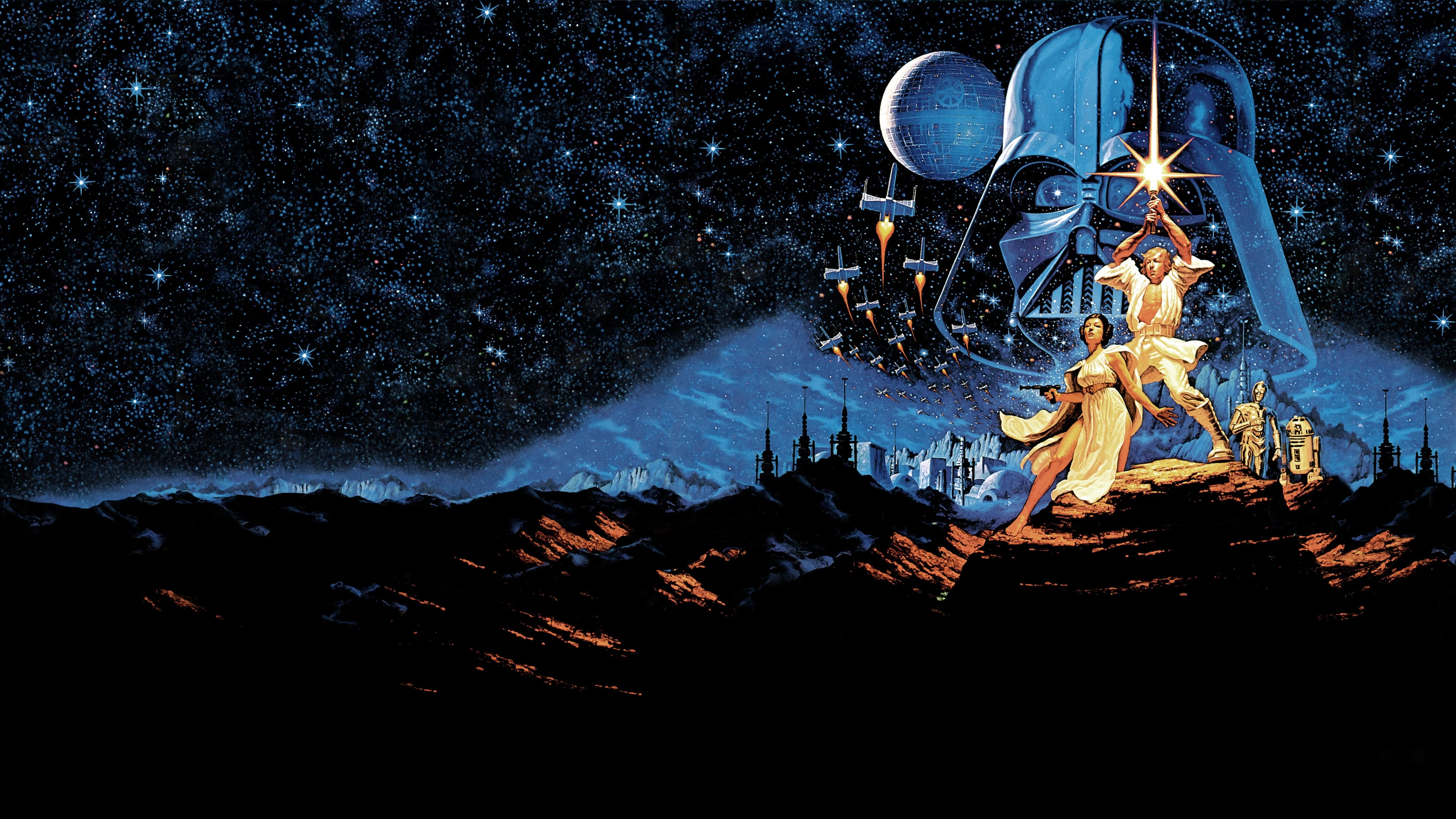
Star Wars Comics: Where to Start With Vader and the Clone Wars
Start reading Star Wars comics with Star Wars (2015) #1, or choose a Darth Vader series for a particular film era. Readers interested in the Clone Wars can explore Son of Dathomir or Battle Tales and check each title for its continuity status.
Where Should You Start With Star Wars Comics?Spoilers
Start with Star Wars (2015) #1 if you want a series following Luke Skywalker and the Rebel Alliance after the first Death Star is destroyed. Marvel published the opening issue on January 14, 2015, with Jason Aaron writing and John Cassaday penciling. The series gives readers a film period they can recognize before choosing how far to follow the comics. Search for the title with its 2015 date, since Star Wars has also appeared as the name of other comic series.
A Darth Vader series offers another starting point if you would rather follow the character. The 2017 series begins immediately after Star Wars: Episode III - Revenge of the Sith (2005), directed by George Lucas, while the 2015 series follows the ending of Star Wars (1977), also directed by Lucas. The 2020 series begins after Luke rejects Darth Vader's invitation in The Empire Strikes Back (1980), directed by Irvin Kershner. Those film endings are useful boundaries when choosing a run.
Think of the year beside a series title as a label on a folder: it helps distinguish the comic you want from another with the same name. The Star Wars movies overview covers the films, while this guide focuses on choosing comics and checking the contents of collections. Pick an opening that follows a film you know, then look for that series and issue number.
How Did Star Wars Comics Begin?
Star Wars comics began at Marvel in March 1977, when Star Wars #1 appeared and sold more than one million copies. That date places the first comic in the franchise's earliest film period, giving readers a starting point for the publishing history. It also gives an older issue a clear identifying detail when a catalog lists several comics under the Star Wars name. The publication date is useful even if your first reading choice is a much later series.
Dark Horse Comics took over the Star Wars comics license in 1991, marking another point in that publishing history. A publisher name can help you place an edition in the catalog, although it does not answer every question about the story's continuity. Lucasfilm later announced a Legends banner for past Expanded Universe stories, so the publisher and the continuity label are separate details worth checking. Both can matter when identifying an older book.
Marvel published Star Wars (2015) #1 on January 14, 2015, with Jason Aaron and John Cassaday on its opening issue. The 1977 and 2015 first issues therefore identify different points in the publishing history, even though they share a title. When searching for a particular run, include its year and a creator's name alongside the title. That gives a library or comic shop enough detail to distinguish the issue you intend to read.
Are Star Wars Comics Canon or Legends?
Star Wars comics include stories in current continuity and stories labeled Star Wars Legends, so check the individual title you want to read. On April 25, 2014, Lucasfilm announced that past Expanded Universe stories would continue in print under the Legends banner. The announcement retained the six existing films and Star Wars: The Clone Wars as foundational canon. That distinction helps readers understand why an older comic and a newer story may carry different continuity labels.
The Legends announcement also makes availability a separate question from continuity. Lucasfilm said past Expanded Universe stories would continue in print under the banner, so the label itself should not be read as a claim that those stories disappeared. If continuity matters to your choice, check the classification of the story as well as the details of the edition. A familiar publisher or a shared character name cannot by itself settle where a particular story belongs.
Darth Maul: Son of Dathomir #3 provides a specific example of the kind of evidence to seek. In July 2014, StarWars.com described that issue as a canonical story based on unaired Clone Wars episodes. That description applies to the named issue and gives readers a more precise reference than a shortcut based only on publication year. Record the complete title and look for an explicit continuity description before adding a comic to a reading plan.
Which Darth Vader Comic Series Should You Read First?Spoilers
Choose the Darth Vader comic series whose film setting matches your interests: the 2017 run starts earliest of these three, followed by the 2015 and 2020 runs. The years distinguish publication launches, while their stories begin at different points in Darth Vader's life. Reading the year beside the title as a series label will help you find the intended opening without assuming that publication order follows story order.
Charles Soule and Giuseppe Camuncoli's 2017 Darth Vader series begins immediately after Star Wars: Episode III - Revenge of the Sith. Kieron Gillen and Salvador Larroca's 2015 series follows the ending of the original Star Wars film. Greg Pak and Raffaele Ienco's 2020 series begins after Luke Skywalker rejects Darth Vader's invitation in The Empire Strikes Back. Marvel published the 2020 opening issue on February 5, 2020. These premises reveal film developments, so use the film endpoints to judge which opening you are ready to read.
For an early setting, look for the 2017 Darth Vader #1. For the period after the original film, identify the 2015 series by Gillen and Larroca; for the later film endpoint, identify the 2020 series by Pak and Ienco. Search for Darth Vader, the series year and a creator's name together. Those details make a more precise request than a search for the character's name alone.
What Do the Vader Comics Add to the Films?Spoilers
The Vader comics explore periods around the films, including early armored Darth Vader in the 2017 series and the period after the original film in the 2015 series. Those settings let readers choose a point in the character's story without first following every comic bearing his name. Charles Soule and Giuseppe Camuncoli begin their 2017 run immediately after Revenge of the Sith, while Kieron Gillen and Salvador Larroca start their 2015 run after the original film's ending.
Doctor Aphra gives the 2015 Darth Vader series another specific point of interest: her first appearance was in Darth Vader #3, released in March 2015. A reader looking for that introduction can use the issue number alongside the series year to locate it. The first collection of Gillen and Larroca's 2015 series gathers issues #1 through #6, so it includes that starting issue and the issue containing Aphra's debut. Check the issue list when selecting an edition.
The 2017 Darth Vader series ended with issue #25 in December 2018, giving that run a defined endpoint for readers planning a longer sequence. Star Wars: Darth Vader - Dark Lord of the Sith Vol. 1 gathers issues #1 through #12 of the 2017 series, so it does not contain the entire run. Use the series year and issue range together when comparing collections, then look for the remaining issues if you decide to continue.
Which Clone Wars Comics Can You Read?
Clone Wars comics include Darth Maul: Son of Dathomir and Star Wars Adventures: The Clone Wars - Battle Tales, which offer different starting interests. Son of Dathomir draws on unaired Clone Wars episodes, while Battle Tales features stories told by clone troopers. The complete titles are useful when searching, since a broad Clone Wars search can also return screen material rather than the comic you want to read.
StarWars.com described Darth Maul: Son of Dathomir #3 as canonical in July 2014 and connected it to unaired Clone Wars episodes. That description gives readers a specific continuity reference for the named issue as well as a reason to explore its relationship with screen storytelling. It is still useful to check the classification of the actual comic and edition you select, particularly if you are building a reading list around continuity. Record the title and issue number with the source of any classification you use.
Michael Moreci wrote the five issue Star Wars Adventures: The Clone Wars - Battle Tales series, whose stories are told by clone troopers. The series length gives readers a defined scope to look for when comparing issues or collected editions. Choose Son of Dathomir for its connection to unaired episodes, or look for Battle Tales if the clone troopers' storytelling is the attraction. In either case, check the contents of the edition before deciding where to begin.
How Do the Main Star Wars Comic Series Fit Between Films?Spoilers
The main Star Wars comic series have distinct film settings: the 2015 series follows the first Death Star's destruction, the 2020 series sits between the next two original films, and the 2025 series begins after Return of the Jedi and the Battle of Jakku. Each launch has its own series year, making that date an essential part of identifying an issue. A search for Star Wars #1 alone leaves the intended launch unclear.
Jason Aaron's 2015 opening follows Luke Skywalker and the Rebel Alliance after the first Death Star is destroyed. Charles Soule wrote the 2020 flagship relaunch, which is set between The Empire Strikes Back and Return of the Jedi (1983), directed by Richard Marquand. Alex Segura and Phil Noto's 2025 series begins after Return of the Jedi and the Battle of Jakku. The film boundaries give readers a way to select a period before looking more closely at a particular run.
A series year tells you which launch to find, while its film setting tells you where the opening belongs in the story. The Star Wars movies hub covers the broader film franchise; the choice here is which comic series to begin. Note the year beside the film endpoint that interests you, then use both details when checking an issue or collection. That keeps similarly titled launches distinct in your reading list.
Do You Need to Read Every Issue in Order?
You do not need to read every Star Wars comic in publication order: choose a series, follow its issues and check the contents of its collections and crossovers. A series year and an issue number identify a more precise starting point than a title alone. Collected editions can make several issues available together, but their volume numbers do not tell you the issue range without a contents check.
The first Kieron Gillen and Salvador Larroca Darth Vader collection gathers issues #1 through #6 of the 2015 series. Star Wars: Darth Vader - Dark Lord of the Sith Vol. 1 gathers issues #1 through #12 of the 2017 series. Those two collections cover different runs and different issue ranges, despite both offering a first volume for a Darth Vader series. The 2017 run ended with issue #25, so its named first volume does not include the full series.
Crossovers also reward a contents check because their issues can carry different series titles. Vader Down comprises Vader Down #1, Star Wars #13 and #14, and Darth Vader #13 through #15. A reader checking that event can use those six issue numbers to see whether an edition contains the complete listed sequence. Start with Star Wars (2015) #1 or a Darth Vader opening that matches your preferred film era, then check the issue list before choosing the next collection.
Facts
- Marvel published Star Wars #1 in March 1977, and it sold more than one million copies. StarWars.com, checked 2026-11-10
- Dark Horse Comics took over the Star Wars comics license in 1991. StarWars.com, checked 2026-11-10
- Lucasfilm announced on April 25, 2014, that past Expanded Universe stories would continue in print under the Legends banner. StarWars.com, checked 2026-11-10
- Marvel published Star Wars (2015) #1 on January 14, 2015, with Jason Aaron writing and John Cassaday penciling. Marvel, checked 2026-11-10
- The first Darth Vader (2015) collection gathers issues #1 through #6, written by Kieron Gillen and penciled by Salvador Larroca. Marvel, checked 2026-11-10
- Doctor Aphra first appeared in Darth Vader #3, released in March 2015. StarWars.com, checked 2026-11-10
- The 2017 Darth Vader series ended with issue #25 in December 2018. StarWars.com, checked 2026-11-10
- Marvel published Darth Vader (2020) #1 on February 5, 2020, with Greg Pak writing and Raffaele Ienco penciling. Marvel, checked 2026-11-10
- Michael Moreci wrote the five-issue Star Wars Adventures: The Clone Wars - Battle Tales series, with stories told by clone troopers. StarWars.com, checked 2026-11-10
- Star Wars: Darth Vader - Dark Lord of the Sith Vol. 1 (2018) gathers the 2017 Darth Vader series' issues #1 through #12. Marvel, checked 2026-11-10
FAQs
Where should I start reading Star Wars comics?
Start with Star Wars (2015) #1 for Luke Skywalker and the Rebel Alliance after the original film. A Darth Vader series offers a character focused starting point.
Are Star Wars comics canon?
Some Star Wars comics belong to current continuity, while past Expanded Universe stories continue under the Star Wars Legends banner. Check the individual title and edition instead of relying only on its publisher or publication date.
Which Darth Vader comic series should I read first?
Choose the 2017 Darth Vader series for the period immediately after Revenge of the Sith, the 2015 series for the period after the original film, or the 2020 series for the period after The Empire Strikes Back.
Are there comics about the Clone Wars?
Yes, Clone Wars comics include Darth Maul: Son of Dathomir and Star Wars Adventures: The Clone Wars - Battle Tales. Son of Dathomir draws on unaired episodes, while Battle Tales features stories told by clone troopers.
What is the difference between Star Wars canon and Legends?
Star Wars Legends is the banner under which past Expanded Universe stories would continue in print, according to Lucasfilm's April 2014 announcement. The announcement retained the six existing films and Star Wars: The Clone Wars as foundational canon.
Do I need to read Star Wars comics in order?
You can start with a chosen Star Wars comic series instead of reading the entire publishing history in order. Follow that series' issue sequence and check crossover contents, since Vader Down includes issues from multiple titles.
More Star Wars Articles
All Star Wars articles- Mouse Droid: What It Does and Where It AppearsNovember 10, 2026
The mouse droid is a Star Wars repair unit that performs small repairs, delivers messages and guides visitors.
- Han Solo Blaster: The DL-44 and Its Movie PropsNovember 10, 2026
The Han Solo blaster is a modified DL-44 pistol in Star Wars.