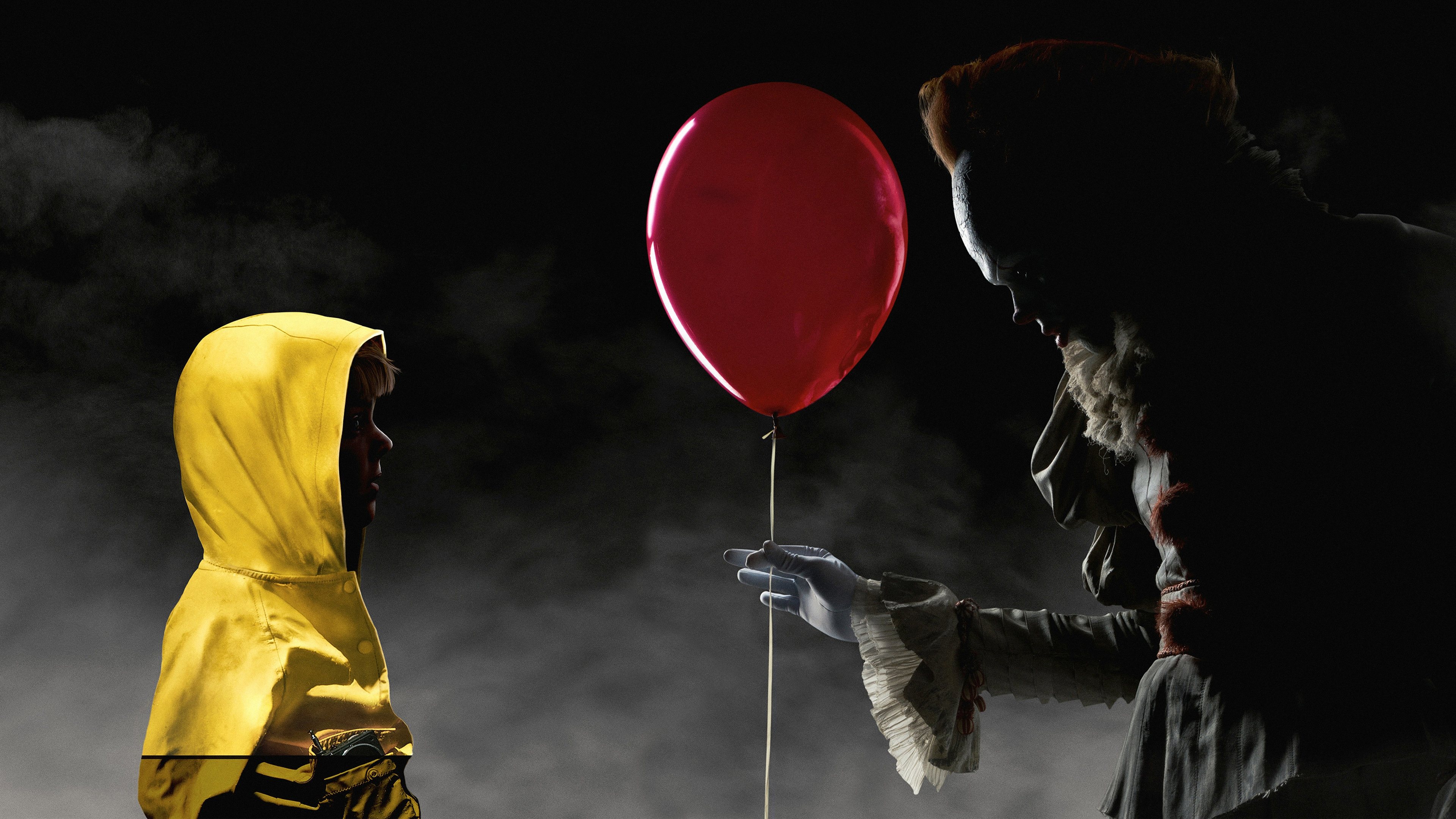
Pennywise Mouth: Teeth, Deadlights and Effects Explained
The Pennywise mouth reveals sharp teeth and the Deadlights in It (2017), directed by Andy Muschietti. The filmmakers combined practical teeth made for Bill Skarsgård with digital enhancements and jaw transformations.
What Is Inside the Pennywise Mouth?Spoilers
The Pennywise mouth shows sharp teeth and reveals the Deadlights in It (2017), directed by Andy Muschietti. Beverly Marsh becomes transfixed after seeing the lights inside the mouth, according to TIME. That encounter gives the opening a significance beyond the visible teeth, although the source describes Beverly's immediate response rather than a complete account of the Deadlights. This section contains spoilers for her encounter. For the character's wider background, see Pennywise.
The teeth and the opening also involved different production work. The makeup team made multiple versions of Pennywise's teeth for Bill Skarsgård, including a set Muschietti called the Bunny Teeth. Rodeo FX created digital jaw transformations that the effects team called the kill mouth. DGA Quarterly also documents CGI enhancements to Skarsgård's mouth and shots of the bared teeth. The practical teeth, digital transformations and Deadlights reveal answer different questions about what appears on screen and how the mouth was made. When looking at an image from the film, the visible mouth can therefore reflect both a practical design and subsequent digital work.
Why Does Pennywise Open His Mouth?Spoilers
Pennywise opens his mouth to reveal the Deadlights in It (2017), and a separate design in It: Welcome to Derry is described as an attack mouth. In the 2017 film, Beverly Marsh becomes transfixed after seeing the Deadlights inside the opening. TIME identifies that response in its account of the encounter. The scene supplies an example of what happens when Beverly sees the lights, rather than a complete explanation of every use of the mouth.
For It: Welcome to Derry, Rodeo FX distinguished the attack design, called the Kill Mouth, from the wider Dead Light Mouth. Its account describes three spheres of light in the latter design. The effects team also used the term kill mouth for Rodeo FX's digital jaw transformations on It (2017). That shared production terminology makes the accounts useful for comparing how the mouth was designed, but the documented labels do not establish a complete set of rules for the creature. The two accounts describe different productions, so their details need to stay attached to the version being discussed. If you are identifying an image or a scene, check its production before applying the series names or the 2017 effects description.
What Are the Deadlights in It?Spoilers
The Deadlights are the lights Beverly Marsh sees inside Pennywise's mouth in It (2017), after which she becomes transfixed. TIME identifies both the location of the reveal and Beverly's immediate response. The scene moves the focus from the teeth to what is visible inside the opening, so this section contains spoilers for her encounter. That documented reaction is the detail to use when describing what happens to Beverly at that moment.
It: Welcome to Derry provides a separate production description of a mouth associated with the lights. Rodeo FX described its Dead Light Mouth design as containing three spheres of light, and distinguished that wider opening from its Kill Mouth attack design. Animation World Network records those names as part of its account of the series effects. The number of spheres belongs to the series account, while the description of Beverly's response comes from the 2017 film. The two details should therefore be identified by production rather than combined into one description of the scene. Check the title when comparing images of the Deadlights.
How Were Pennywise's Teeth Made?
The makeup team made multiple versions of Pennywise's teeth for Bill Skarsgård in It (2017), including a set Andy Muschietti called the Bunny Teeth. VFX Voice documents the different versions as part of the film's practical makeup work. The available account names that set without placing it in a particular shot, so the name alone cannot identify which appliance appears in a given scene.
Muschietti also designed Pennywise's smile to extend upward at the outer edges of the lips, giving the mouth its documented outline. The full makeup application took more than three hours, a duration that applies to the makeup rather than the teeth alone. Digital artists also worked on the mouth and bared teeth. DGA Quarterly describes CGI enhancements, while VFX Voice identifies Rodeo FX's digital jaw transformations, called the kill mouth. A finished image may therefore include more than the practical appliance. When examining the design, distinguish the extended smile and teeth from the documented digital transformations, and avoid assigning the Bunny Teeth name to a shot without evidence.
Is Pennywise's Mouth CGI?
Pennywise's mouth in It (2017) combines practical teeth and makeup with CGI enhancements and digital jaw transformations. DGA Quarterly describes enhancements to Bill Skarsgård's mouth and shots of Pennywise's bared teeth, while VFX Voice identifies Rodeo FX's digital jaw transformations. The effects team called those transformations the kill mouth, a production term for a particular part of the work.
The practical makeup also had several documented components. The team made multiple teeth versions, including the Bunny Teeth, and Andy Muschietti designed the smile to extend upward at the outer edges of the lips. The complete makeup application took more than three hours. Those details establish that the photographed design was part of the process alongside the digital work, although the application time does not describe the teeth alone. The practical teeth and the CGI enhancements are both relevant to the finished appearance, but the sources describe them at different levels of detail. A still from the film does not by itself identify which documented technique produced every visible detail, so a specific shot needs its own production evidence.
How Was the Projector Scene Filmed?Spoilers
The projector sequence in It (2017) used a reduced scale garage set to make Bill Skarsgård's Pennywise appear enormous. DGA Quarterly describes filming Skarsgård on the smaller set as the method used for the oversized appearance. The sequence is an example of a change in apparent size achieved through the set, rather than a detail that can be explained by the mouth alone. This section contains spoilers for the set piece.
DGA Quarterly also documents CGI enhancements to Skarsgård's mouth and shots of Pennywise's bared teeth in the film. Separately, VFX Voice reports that Rodeo FX created digital jaw transformations the effects team called the kill mouth. The makeup team made multiple versions of the teeth, including the Bunny Teeth, though the available account does not place that named set in a particular shot. These details and the reduced scale garage answer different questions about the production: the set account explains the oversized appearance in the projector sequence, while the other accounts describe broader mouth work. When looking at the scene, keep those documented techniques distinct.
How Did the 1990 Pennywise Mouth Differ?Spoilers
The 1990 It miniseries used three teeth sets prepared for Tim Curry, while It (2017) used multiple teeth versions and documented digital mouth effects for Bill Skarsgård. Makeup effects artist Bart Mixon prepared Curry's sets, according to Fangoria. The comparison has a practical starting point in both productions, with the later film also documented as using CGI enhancements and digital jaw transformations.
Curry used the corpse teeth set at the end of the open grave scene in the 1990 miniseries. That detail identifies one appliance with a particular appearance, while the available fact does not name the other two sets. For the 2017 film, Andy Muschietti called one version the Bunny Teeth, although the available account does not place that set in a specific shot. VFX Voice also documents Muschietti's design for a smile extending upward at the outer edges of the lips. DGA Quarterly describes CGI enhancements to Skarsgård's mouth and shots of the bared teeth. When comparing the mouths, use the named examples with their respective productions and scenes.
How Does Welcome to Derry Show Pennywise's Mouth?Spoilers
It: Welcome to Derry uses a Kill Mouth attack design and a wider Dead Light Mouth containing three spheres of light, according to Rodeo FX. Animation World Network's account identifies the two designs separately, giving each a distinct production name. The three spheres are part of the series description, so they should remain attached to that version when comparing the mouth across productions.
Rodeo FX also created digital jaw transformations for It (2017), which the effects team called the kill mouth. The similar terminology connects two documented effects accounts, but the series description of the wider Dead Light Mouth supplies its own specific details. In the 2017 film, TIME reports that Beverly Marsh becomes transfixed after seeing the Deadlights inside Pennywise's mouth. That account identifies her response, while the series effects account describes the three spheres and distinguishes the two mouth designs. For broader franchise context, visit the It hub. When identifying a mouth design, check whether the image comes from the 2017 film or the series before applying the corresponding production description.
Pennywise Mouth Questions AnsweredSpoilers
The main questions about Pennywise's mouth concern the teeth, the Deadlights and the effects used to change its appearance. In It (2017), the makeup team made multiple teeth versions for Bill Skarsgård, while filmmakers used CGI to enhance his mouth and shots of the bared teeth. Rodeo FX also created digital jaw transformations called the kill mouth. Andy Muschietti called one of the practical teeth versions the Bunny Teeth, but the available account does not identify a specific shot in which that set appears.
The Deadlights reveal has a documented effect on Beverly Marsh in It (2017): she becomes transfixed after seeing the lights inside Pennywise's mouth. A separate account for It: Welcome to Derry describes a wider Dead Light Mouth with three spheres of light, alongside an attack design called the Kill Mouth. For the 1990 miniseries, Bart Mixon prepared three teeth sets for Tim Curry, who used the corpse teeth at the end of the open grave scene. Use the production name when comparing these details, since each account describes its own version.
Facts
- It (2017), directed by Andy Muschietti, stars Bill Skarsgård as Pennywise. VFX Voice, checked 2026-11-04
- Pennywise's makeup in It (2017) took more than three hours to apply. VFX Voice, checked 2026-11-04
- For It (2017), Andy Muschietti designed Pennywise's smile to extend upward at the outer edges of his lips. VFX Voice, checked 2026-11-04
- For It (2017), the makeup team made multiple versions of Pennywise's teeth, including a set Andy Muschietti called the Bunny Teeth. VFX Voice, checked 2026-11-04
- For It (2017), Rodeo FX created digital jaw transformations that the effects team called the kill mouth. VFX Voice, checked 2026-11-04
- For It (2017), filmmakers used CGI to enhance Bill Skarsgård's mouth and shots of Pennywise's bared teeth. DGA Quarterly, checked 2026-11-04
- For the projector sequence in It (2017), the filmmakers filmed Bill Skarsgård on a reduced scale garage set to make Pennywise appear enormous. DGA Quarterly, checked 2026-11-04
- In It (2017), Beverly Marsh is transfixed after seeing the Deadlights inside Pennywise's mouth. TIME, checked 2026-11-04
- For the 1990 It miniseries, makeup effects artist Bart Mixon prepared three sets of teeth for Tim Curry's Pennywise. Fangoria, checked 2026-11-04
- In the 1990 It miniseries, Tim Curry used the corpse teeth set at the end of the open grave scene. Fangoria, checked 2026-11-04
- For It: Welcome to Derry, Rodeo FX described a Dead Light Mouth design with three spheres of light. Animation World Network, checked 2026-11-04
- For It: Welcome to Derry, Rodeo FX distinguished the attack design called the Kill Mouth from the wider Dead Light Mouth. Animation World Network, checked 2026-11-04
FAQs
What is inside Pennywise's mouth?
Pennywise's mouth shows sharp teeth and reveals the Deadlights in It (2017), where Beverly Marsh becomes transfixed after seeing them.
What are the Deadlights in It?
The Deadlights are the lights Beverly Marsh sees inside Pennywise's mouth in It (2017), after which she becomes transfixed.
Why does Pennywise open his mouth?
Pennywise opens his mouth to reveal the Deadlights in It (2017), while It: Welcome to Derry features a separate attack design called the Kill Mouth.
Are Pennywise's teeth real or CGI?
It (2017) used practical teeth made for Bill Skarsgård alongside CGI enhancements to his mouth and shots of Pennywise's bared teeth.
How did they make Pennywise's mouth?
The team behind It (2017) combined practical makeup and multiple teeth versions with CGI enhancements and digital jaw transformations.
How many sets of teeth did Tim Curry wear as Pennywise?
Bart Mixon prepared three sets of teeth for Tim Curry's Pennywise in the 1990 It miniseries.
More It Articles
All It articles- Stephen King's It Book: The Story Behind the FilmsNovember 10, 2026
Stephen King's It book is a 1986 horror novel about seven friends confronting a creature in Derry, Maine.
- It Prequel: Welcome to Derry ExplainedNovember 9, 2026
The It prequel is IT: Welcome to Derry, an HBO series whose first season is primarily set in 1962.