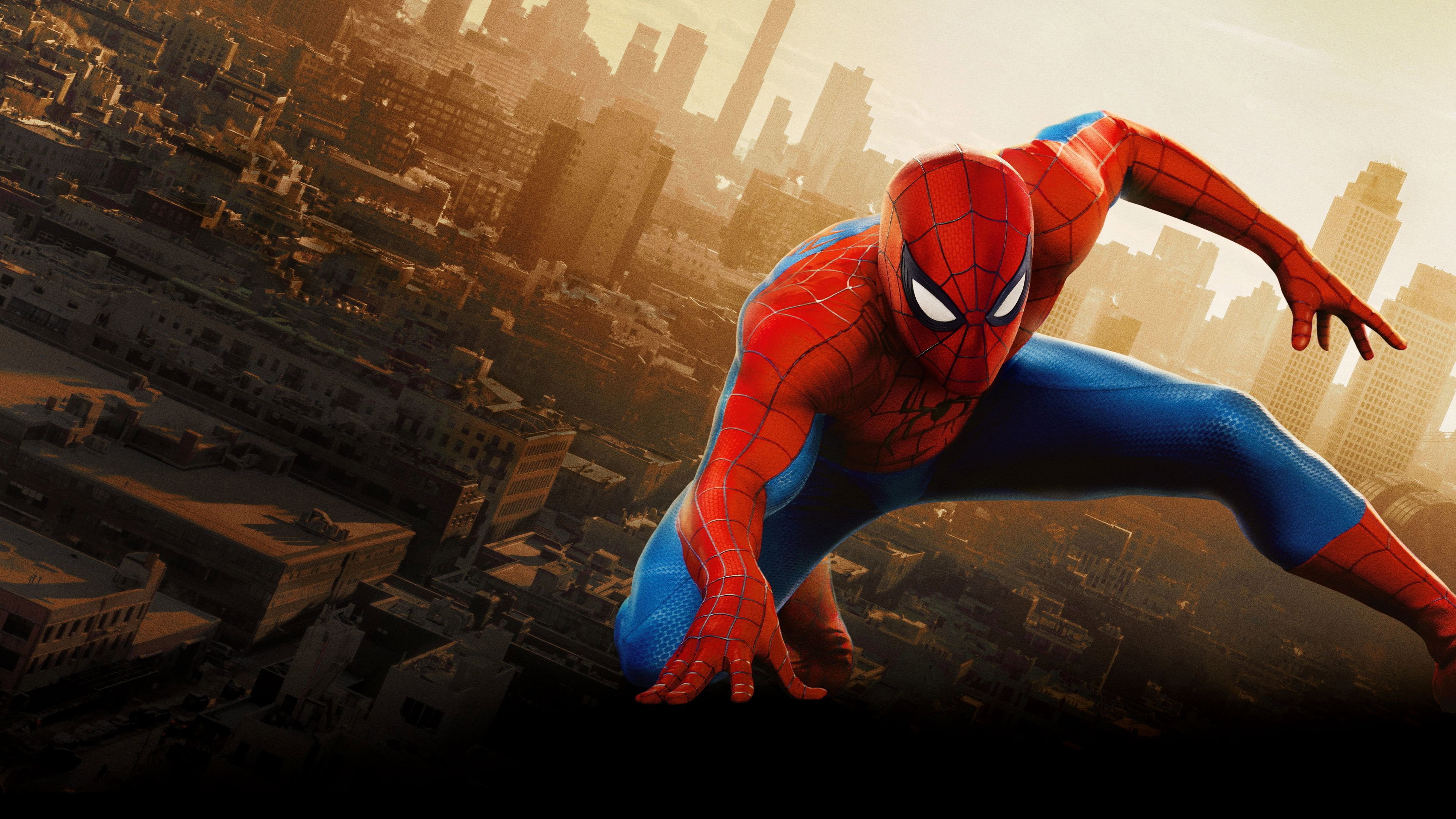
Spider-Man Comics: Where to Start Reading
Start Spider-Man comics with Amazing Fantasy (1962) #15 for Peter Parker's debut, followed by The Amazing Spider-Man (1963) #1 for his first starring series. Ultimate Spider-Man (2000) #1 offers a modern reinterpretation, while readers interested in Miles Morales can choose Ultimate Spider-Man (2011) #1.
Where Should You Start With Spider-Man Comics?
Start Spider-Man comics with Amazing Fantasy (1962) #15 for Peter Parker's debut, or choose Ultimate Spider-Man (2000) #1 for a modern reinterpretation. The Amazing Spider-Man (1963) #1 begins Peter's first starring series, making it the next reference on the original route. Those two choices answer different questions: one follows the earliest publication sequence, while the other begins with a later version of the character. Keep the title, year and issue number together when looking for either book, because the shared Spider-Man name does not identify the series on its own.
Readers interested in Miles Morales can use Ultimate Spider-Man (2011) #1 or Miles Morales: Spider-Man (2018) #1, both included in Marvel's Justin A. Reynolds creator spotlight list. A reader seeking Mary Jane Watson can instead look for Amazing Spider-Man: Renew Your Vows (2015) #1, which follows her family in another Marvel universe. For the Spider-Verse event, Marvel's complete list begins with The Amazing Spider-Man (2014) #9. Each reference points to a different reading interest, so choose the character or event first and retain the full issue details.
This issue guide sits alongside the Spider-Man parent page, which covers the screen franchise. Use the sections below to compare the original Peter Parker route with the later series and event references before making a reading list.
What Was the First Spider-Man Comic?
The first Spider-Man comic was Amazing Fantasy (1962) #15, which introduced Peter Parker as Spider-Man. The Amazing Spider-Man (1963) #1 then began his first starring series, so the original reading route starts in one title and continues into another. That distinction matters when a search returns an issue numbered one: the first issue of the starring series follows the character's debut. Marvel identifies both books in its introductory reading material, giving a new reader two specific issue references to find.
Reading Amazing Fantasy (1962) #15 before The Amazing Spider-Man (1963) #1 follows the order of Peter Parker's debut and the start of his own series. The two references also make the scope of this route clear: the first is an appearance in Amazing Fantasy, while the second opens The Amazing Spider-Man. A reader who wants to see where the character began can use those issues as an initial pair, then decide how much of the original series to read.
The publication year helps distinguish The Amazing Spider-Man (1963) #1 from later first issues carrying the same title. The Amazing Spider-Man (1999) #1 began the title's second ongoing series, and Marvel's introductory list also includes The Amazing Spider-Man (2018) #1. When saving the original route, write down Amazing Fantasy (1962) #15 and The Amazing Spider-Man (1963) #1 in that order.
How Do The Amazing Spider-Man Comics Work?
The Amazing Spider-Man has multiple series beginnings, so identify an issue by its title, publication year and number. The Amazing Spider-Man (1963) #1 began Spider-Man's first starring series, while The Amazing Spider-Man (1999) #1 began the title's second ongoing series. Marvel's introductory list also includes The Amazing Spider-Man (2018) #1 by Nick Spencer and Ryan Ottley. A number one can therefore identify different starting points, depending on the year attached to it.
The 1963 and 1999 issues mark separate series beginnings, while the 2018 issue gives readers another reference on Marvel's introductory list. None should be confused with Amazing Fantasy (1962) #15, where Peter Parker first appeared as Spider-Man. That distinction is useful when deciding whether the immediate goal is to find the character's debut or begin a particular series. Save the complete reference for the issue you want, including its year, before looking for the next book.
Other issues provide specific character milestones within The Amazing Spider-Man. Gwen Stacy and Harry Osborn first appeared in The Amazing Spider-Man (1963) #31, and The Amazing Spider-Man (1963) #300 contains Venom's first full appearance. Those references answer questions about particular characters rather than the start of Peter Parker's starring series. Add either milestone to a reading list if it matches your interest, keeping the issue number and 1963 series reference together.
Is Ultimate Spider-Man a Separate Story?
Ultimate Spider-Man (2000) #1 offers a reinterpretation of Spider-Man for a new generation. Brian Michael Bendis and Mark Bagley are associated with that 2000 issue, which provides a different starting choice from Peter Parker's debut in Amazing Fantasy (1962) #15. The distinction is useful for a reader choosing between the original publication route and a modern reinterpretation. The year and creator names make the intended Ultimate Spider-Man issue easier to identify.
The year is especially useful because Ultimate Spider-Man (2011) #1 appears in Marvel's Justin A. Reynolds creator spotlight reading list. That 2011 issue is credited to Brian Michael Bendis and Sara Pichelli, while the 2000 reinterpretation is associated with Bendis and Mark Bagley. Both references share a title and issue number, so recording only Ultimate Spider-Man #1 leaves out a detail that separates them. Include the year and the relevant creator names when saving either issue.
Choose Ultimate Spider-Man (2000) #1 if the modern Peter Parker reinterpretation is the reading route you want to begin. Choose Amazing Fantasy (1962) #15 if your immediate interest is Peter Parker's first appearance, then look for The Amazing Spider-Man (1963) #1 for his first starring series. These references let you make an initial choice without assuming that every issue numbered one under a familiar title points to the same beginning.
Where Should You Start Reading Miles Morales Comics?
Readers looking for Miles Morales comics can choose Ultimate Spider-Man (2011) #1 or Miles Morales: Spider-Man (2018) #1 from Marvel's Justin A. Reynolds creator spotlight reading list. The list includes both among Reynolds's favorite Marvel comics, and the 2011 issue is by Brian Michael Bendis and Sara Pichelli. These references give a reader interested in Miles two named issues to consider. The 2011 date also distinguishes that Ultimate Spider-Man issue from the 2000 reinterpretation associated with Peter Parker.
Ultimate Spider-Man (2011) #1 and Miles Morales: Spider-Man (2018) #1 are separate entries on the Justin A. Reynolds list. The second places Miles Morales in its title, while the first needs its year to distinguish it from Ultimate Spider-Man (2000) #1 by Brian Michael Bendis and Mark Bagley. Marvel's inclusion of both books supports using either as a reading choice, without treating the creator spotlight as a dedicated Miles Morales reading list.
Keep the full title and publication year beside the issue number when looking for a Miles Morales comic. If you choose Ultimate Spider-Man (2011) #1, the names Brian Michael Bendis and Sara Pichelli provide another identifying detail. If you choose Miles Morales: Spider-Man (2018) #1, retain the 2018 date with the title. Either reference gives you a concrete issue to find before expanding the list.
Which Spider-Gwen Comics Come First?
The Spider-Gwen reading route in this guide starts with Edge of Spider-Verse (2014) #2, followed by Spider-Gwen (2015) #1 published February 25, 2015. The publication date identifies the intended first solo series issue clearly, while the complete title and year distinguish the earlier Edge of Spider-Verse reference. Save both entries separately when building a reading list, since a search for the named Spider-Gwen series alone may leave out the earlier issue.
Gwen Stacy also appears in another historical reference in this guide: The Amazing Spider-Man (1963) #31 introduced Gwen Stacy and Harry Osborn. That issue answers a different publication question from the focused Spider-Gwen route. A reader seeking Gwen Stacy's earlier publication history can record #31 alongside the other references, while keeping its title and year distinct from Edge of Spider-Verse (2014) #2.
The practical choice is to keep the Spider-Gwen references in their stated order rather than searching only by the shared character name. Write Edge of Spider-Verse (2014) #2 first, then Spider-Gwen (2015) #1 published February 25, 2015. Keep The Amazing Spider-Man (1963) #31 as a separate Gwen Stacy milestone if that earlier publication history also interests you. The date on the solo issue helps identify the precise book intended here.
Which Spider-Man Comics Feature Mary Jane Watson?
Amazing Spider-Man: Renew Your Vows (2015) #1 follows Peter Parker, Mary Jane Watson and their daughter in another Marvel universe. That premise gives readers seeking a Peter and Mary Jane family story a specific first issue to find. The alternate universe detail belongs beside the recommendation because it describes the setting of this issue. Keep the full title and 2015 date with the issue number when adding it to a reading list.
One More Day is another reading subject for readers exploring Peter Parker and Mary Jane Watson stories, and Marvel provides a dedicated event list. The Amazing Spider-Man #546 began the Brand New Day era after One More Day, making it a reference for the subsequent era rather than the opening issue of the earlier event. Keeping those names separate helps a reader distinguish the event list from the issue identified with Brand New Day.
A search for Mary Jane Watson can therefore begin with the specific family premise of Amazing Spider-Man: Renew Your Vows (2015) #1 or with Marvel's One More Day event list. Record the alternate universe detail beside Renew Your Vows, and record The Amazing Spider-Man #546 beside Brand New Day if that later era is also of interest. For the family story identified here, the practical first selection is Amazing Spider-Man: Renew Your Vows (2015) #1.
How Do You Read the Spider-Verse Comic?
Marvel's Spider-Verse: The Complete Event reading list begins with The Amazing Spider-Man (2014) #9 and includes issues through #15 alongside tie-ins. The opening reference belongs to The Amazing Spider-Man even though the event is called Spider-Verse, so retain both names when looking for the first issue. The series title, year and number together identify the starting book more precisely than the event name alone.
The Amazing Spider-Man (2014) #9 through #15 identifies the main issue span supplied in Marvel's complete event list. The complete list also includes tie-ins, so a reader who wants to follow that list should use its sequence rather than assume that the main series numbers account for every entry. Decide whether you want the main issue span or the complete listed event route before collecting the books, then keep the chosen scope beside your references.
The Spider-Man hub covers the screen franchise, while this section identifies the comic event's reading list. That distinction helps when a search for Spider-Verse returns material in more than one format. To begin the comic route, locate The Amazing Spider-Man (2014) #9 and consult Marvel's Spider-Verse: The Complete Event list for the subsequent entries, including the tie-ins.
Facts
- Peter Parker first appeared as Spider-Man in Amazing Fantasy (1962) #15. Marvel Comics, checked 2026-11-05
- The Amazing Spider-Man (1963) #1 began Spider-Man's first starring series after his debut in Amazing Fantasy #15. Marvel Comics, checked 2026-11-05
- Ultimate Spider-Man (2000) #1 reinterpreted Spider-Man for a new generation under Brian Michael Bendis and Mark Bagley. Marvel Comics, checked 2026-11-05
- Gwen Stacy and Harry Osborn first appeared in The Amazing Spider-Man (1963) #31. Marvel Comics, checked 2026-11-05
- The Amazing Spider-Man (1963) #300 contains Venom's first full appearance. Marvel Comics, checked 2026-11-05
- The Amazing Spider-Man (1999) #1 began the title's second ongoing series. Marvel Comics, checked 2026-11-05
- The Amazing Spider-Man #546 began the Brand New Day era after One More Day. Marvel Comics, checked 2026-11-05
- Marvel's introductory Spider-Man reading list includes The Amazing Spider-Man (2018) #1 by Nick Spencer and Ryan Ottley. Marvel Comics, checked 2026-11-05
- Marvel's Justin A. Reynolds reading list includes Ultimate Spider-Man (2011) #1 by Brian Michael Bendis and Sara Pichelli. Marvel Comics, checked 2026-11-05
- Marvel's Justin A. Reynolds reading list includes Miles Morales: Spider-Man (2018) #1. Marvel Comics, checked 2026-11-05
- Amazing Spider-Man: Renew Your Vows (2015) #1 follows Peter Parker, Mary Jane Watson and their daughter in another Marvel universe. Marvel Comics, checked 2026-11-05
- Marvel's Spider-Verse: The Complete Event reading list begins with The Amazing Spider-Man (2014) #9 and includes issues through #15 alongside tie-ins. Marvel Comics, checked 2026-11-05
FAQs
Where should I start reading Spider-Man comics?
Begin with Amazing Fantasy (1962) #15 and The Amazing Spider-Man (1963) #1 for the original Peter Parker route. Ultimate Spider-Man (2000) #1 by Brian Michael Bendis and Mark Bagley offers a modern reinterpretation.
What was the first Spider-Man comic?
Peter Parker first appeared as Spider-Man in Amazing Fantasy (1962) #15. The Amazing Spider-Man (1963) #1 subsequently began his first starring series.
Is Ultimate Spider-Man the same as The Amazing Spider-Man?
Ultimate Spider-Man (2000) #1 is a reinterpretation of Spider-Man for a new generation, while The Amazing Spider-Man (1963) #1 began his first starring series. Include the publication year when locating either issue.
Where should I start reading Miles Morales comics?
Marvel's Justin A. Reynolds creator spotlight list includes Ultimate Spider-Man (2011) #1 by Brian Michael Bendis and Sara Pichelli, along with Miles Morales: Spider-Man (2018) #1.
Which Spider-Gwen comic should I read first?
Start the Spider-Gwen route with Edge of Spider-Verse (2014) #2, followed by Spider-Gwen (2015) #1 published February 25, 2015.
Which Spider-Man comics feature Mary Jane Watson?
Amazing Spider-Man: Renew Your Vows (2015) #1 follows Peter Parker, Mary Jane Watson and their daughter in another Marvel universe. Marvel also provides a One More Day reading list.
More Spider-Man Articles
All Spider-Man articles- Madame Web HBO Max Release Date: When to Stream in the USNovember 5, 2026 · News
The Madame Web HBO Max release date is November 14, 2026, in the United States, according to Warner Bros.
- Spiderman and Friends: The Animated Shows ExplainedNovember 4, 2026
Spiderman and friends can refer to Spider-Man and His Amazing Friends, the 1981 animated series featuring Spider-Man, Iceman and Firestar.