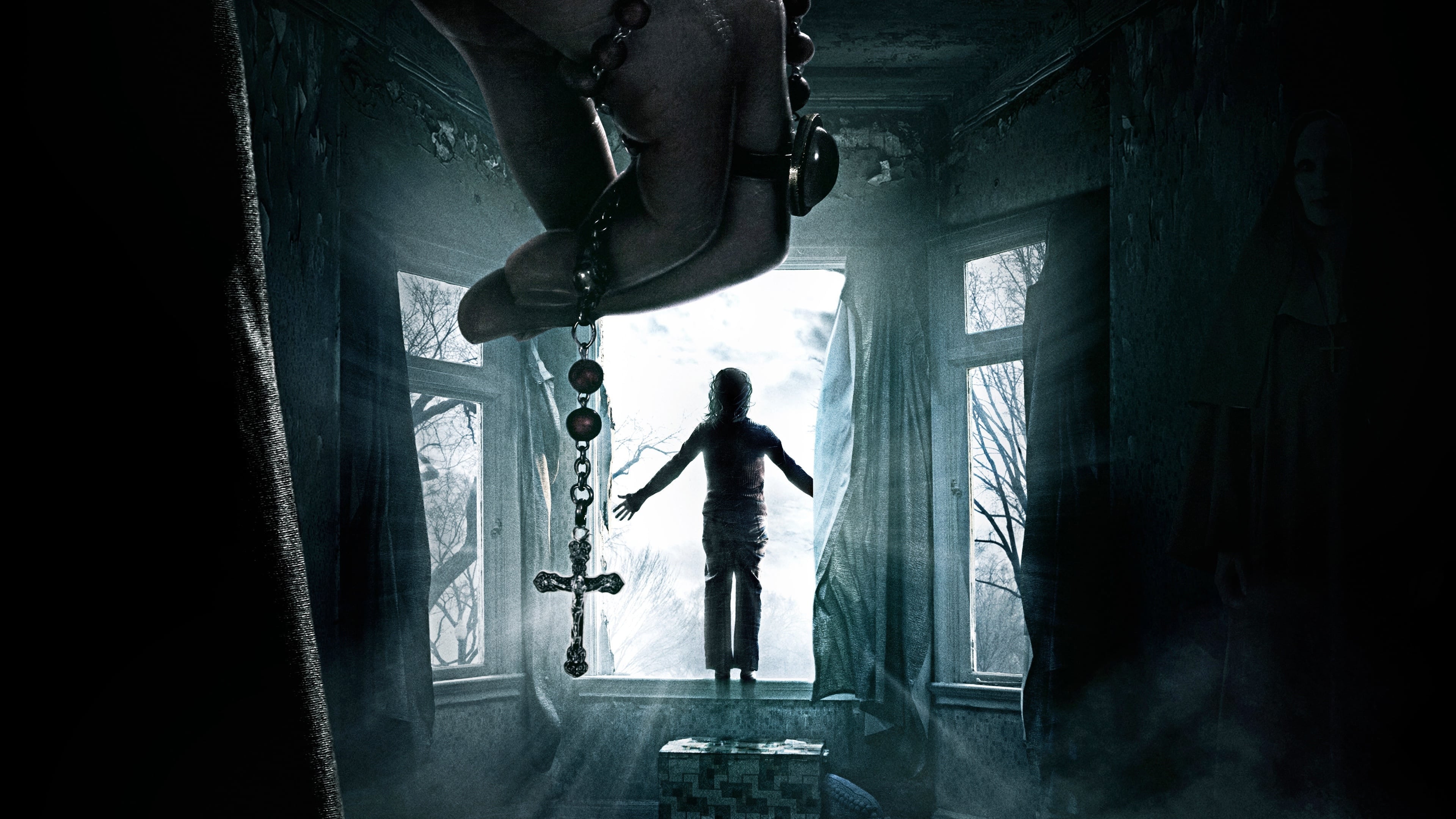
Ed Warren Ghost Hunter: His Investigations and Disputed Claims
Ed Warren was a ghost hunter who investigated alleged hauntings with his wife, Lorraine Warren, and called himself a religious demonologist. Their work reached audiences through lectures and case accounts, while supernatural claims associated with it faced challenges.
Who Was Ed Warren, the Ghost Hunter?
Ed Warren was a ghost hunter and paranormal investigator who worked with his wife, Lorraine Warren, on accounts of alleged hauntings. The Los Angeles Times reported that he called himself a religious demonologist and that the couple earned a living lecturing at colleges about the supernatural. The paper also reported that they were married for 61 years and that Ed Warren died at his home in Monroe, Connecticut, in 2006, aged 79. Those details describe his public work and partnership without establishing a supernatural cause for the events he investigated.
Connecticut Magazine profiled Ed and Lorraine Warren's paranormal work in its April 1972 issue, giving their public career a documented point of reference decades before The Conjuring. The article's later presentation also connects the couple with Patrick Wilson and Vera Farmiga, who portrayed them in the 2013 film. Their documented work included involvement in the Amityville story and the Snedeker family's reported experiences, both discussed by History. For the fictional portrayal, the Ed Warren Conjuring character page is the relevant companion. The distinction helps readers follow the real investigator's reported work while treating a screen performance as a portrayal rather than evidence about an alleged haunting.
Was Ed Warren a Demonologist?
Ed Warren called himself a religious demonologist, according to the Los Angeles Times obituary published in 2006. The description identifies the title he used for his work, while leaving the supernatural explanations associated with individual cases open to scrutiny. It is useful to keep that attribution whenever the title appears: calling Warren a self-described religious demonologist tells readers what he called himself without presenting a demon's involvement as an established fact.
The distinction also matters when a reported claim enters a different setting. TIME reports that the judge in Arne Cheyenne Johnson's 1981 trial rejected a demonic possession defense and excluded possession evidence. TIME also reports that the Warrens hired Gerald Brittle to write the account published as The Devil in Connecticut in 1983. The court ruling establishes what the judge allowed in the trial, rather than settling every question about the Warrens' work or verifying the account they commissioned. A reader can accurately describe Warren's religious title and the court's decision without treating either as proof of a supernatural cause. When an account uses the title as support for a particular explanation, look separately for the evidence offered for that explanation and for the source of the claim.
How Did Ed and Lorraine Warren Investigate?
Ed and Lorraine Warren became involved in reported paranormal cases and discussed supernatural subjects in their public work, although the supplied accounts do not establish a standard procedure for their investigations. Connecticut Magazine profiled their paranormal work in April 1972, and the Los Angeles Times later reported that they earned a living lecturing at colleges about the supernatural. Those details establish a public partnership, but they do not specify a repeatable method or verify the proposed causes of reported events.
The Snedeker account shows the distinction between a family's report and the Warrens' involvement. History reports that Allen and Carmen Snedeker described paranormal experiences at a Connecticut house they rented in 1986, and that Ed and Lorraine Warren became involved. History also reports that writer Ray Garton challenged the factual basis of his 1992 book about the case and its publication as nonfiction. The source identifies what the family reported, the couple's connection to the case and Garton's objection; it does not make the reported cause an established finding. When assessing an account of the Warrens' investigations, identify who reported an experience, who interpreted it and what the source establishes about each role. Avoid filling gaps in the record with assumptions about instruments or tests.
How Did Ghost Hunting Become Their Public Career?
Ed and Lorraine Warren's public career included college lectures, published case accounts and work as film consultants. The Los Angeles Times reported in 2006 that the couple earned a living lecturing at colleges about the supernatural, while Connecticut Magazine had profiled their paranormal work in April 1972. Those sources document ways their work reached an audience beyond the people who reported the alleged disturbances. The lectures also show that public discussion of supernatural subjects formed part of their livelihood.
Published accounts and a film credit offer further examples of that public reach. History reports that the Warrens became involved with the Amityville story and helped publicize it; Jay Anson's 1977 book The Amityville Horror presented the Lutz family's haunting claims. The Los Angeles Times also reported that the Warrens were consultants on Amityville II: The Possession (1982). Separately, TIME reports that the couple hired Gerald Brittle to write the account published as The Devil in Connecticut in 1983. That account followed Arne Cheyenne Johnson's 1981 trial, in which the judge rejected a possession defense and excluded possession evidence, according to TIME. Each detail establishes a relationship to an account or production, so readers should assess its supernatural claims separately.
Did Ed Warren Investigate Amityville?
Ed and Lorraine Warren became involved in the Amityville haunting story and helped publicize it, according to History. The same source reports that Jay Anson's 1977 book The Amityville Horror presented the Lutz family's haunting claims. These details establish the Warrens' association with the story and the book's subject, without establishing from that source whether their involvement came before the book was published. The family's reported experiences remain claims when describing the story's publication. The Los Angeles Times obituary also attributed a challenge to the Amityville claims to Steven Novella, adding a documented objection to the account.
The Warrens also had a later connection to an Amityville film. The Los Angeles Times reported that they were consultants on Amityville II: The Possession, released in 1982. A consultancy credit records participation in a production, while the book records a published account of the Lutz family's claims. Neither detail by itself verifies the alleged haunting. When comparing a film with an account of the case, check whether a statement describes the family's report, the Warrens' involvement, a challenge or a production credit. That distinction keeps the documented association clear without giving every detail the same evidentiary weight.
What Happened in the Arne Johnson Case?
In Arne Cheyenne Johnson's 1981 trial, the judge rejected a demonic possession defense and excluded possession evidence, according to TIME. The ruling is a specific legal fact about that trial and the evidence the judge would admit. It does not establish the supernatural explanation associated with the case, and it should not be expanded into a ruling on every claim connected with Ed and Lorraine Warren. Readers can keep the legal decision distinct from accounts that present possession as an explanation.
The Warrens also had a documented role in a published account of the case. TIME reports that Ed and Lorraine Warren hired Gerald Brittle to write the account published in 1983 as The Devil in Connecticut. The book therefore appeared after the trial, and the reported hiring identifies the couple's relationship to its creation. That relationship gives readers information about the book's origin when they compare its narrative with reporting on the trial. The court ruling and the book answer different questions: one concerns an allowed defense and evidence, while the other is an account the Warrens commissioned. Check which source supports a statement before treating a detail from either record as established.
Why Were the Warrens' Claims Disputed?
Claims associated with Ed and Lorraine Warren's work were disputed by people who challenged the factual basis or supernatural interpretation of particular accounts. The Los Angeles Times obituary attributed a challenge to the Amityville claims to Steven Novella. History also reports that writer Ray Garton challenged the factual basis of his 1992 book In a Dark Place: The Story of a True Haunting and its publication as nonfiction. These are attributed challenges to particular accounts, rather than a single finding that resolves every case associated with the Warrens.
The Snedeker case shows why the sources of competing statements matter. History reports that Allen and Carmen Snedeker described paranormal experiences at a Connecticut rental home in 1986 and that the Warrens became involved. The same source reports Garton's challenge to the factual basis of his book and its nonfiction presentation. The family's reported experiences, the Warrens' involvement and Garton's objection are separate parts of the record. Similarly, History describes the Lutz family's claims as the subject of Jay Anson's 1977 Amityville book, while the Los Angeles Times records Novella's challenge. When using an account of either case, identify whose statement is being described and whether the source supports it as a report, a challenge or an independently established fact.
How Did Ed Warren Become a Conjuring Character?
Ed Warren became a character in The Conjuring when Patrick Wilson portrayed him in the 2013 film, with Vera Farmiga portraying Lorraine Warren. Connecticut Magazine connects those performances with its earlier profile of the real couple's paranormal work, published in April 1972. The dates distinguish the Warrens' documented public career from the later screen portrayal. A performance can show how the film presents the investigators, while reporting about their work provides a separate record of their activities and claims.
The connection to real people does not establish that the film's supernatural events occurred as portrayed. The available sources document the casting and the Warrens' public work, but a viewer assessing an individual event still needs a source for that event. For example, History identifies the Warrens' involvement in the Amityville story and the Snedeker family's reported experiences, while also reporting a challenge to the factual basis of Garton's book about the latter case. The Conjuring movies hub provides a starting point for the wider franchise, while this article follows the real investigator's documented career. When moving from the film to a case account, check who made the original claim and whether the source identifies it as an allegation, a challenge or an established event.
Facts
- Ed Warren died in 2006, aged 79. Los Angeles Times, checked 2026-11-07
- Connecticut Magazine profiled the Warrens’ paranormal work in its April 1972 issue. Connecticut Magazine, checked 2026-11-07
- Patrick Wilson and Vera Farmiga portrayed the Warrens in The Conjuring in 2013. Connecticut Magazine, checked 2026-11-07
- TIME reports that the judge in Arne Cheyenne Johnson’s 1981 trial rejected a demonic possession defense and excluded possession evidence. TIME, checked 2026-11-07
- The Warrens hired Gerald Brittle to write the account published as The Devil in Connecticut in 1983. TIME, checked 2026-11-07
- Jay Anson’s 1977 book The Amityville Horror presented the Lutz family’s haunting claims. History, checked 2026-11-07
- History reports that the Warrens became involved with the Amityville story and helped publicize it. History, checked 2026-11-07
- Allen and Carmen Snedeker reported paranormal experiences at their Connecticut rental home in 1986, and the Warrens became involved. History, checked 2026-11-07
- Ray Garton challenged the factual basis of his 1992 book In a Dark Place: The Story of a True Haunting and its publication as nonfiction. History, checked 2026-11-07
FAQs
Who was the real Ed Warren?
Ed Warren was a paranormal investigator who worked with his wife, Lorraine Warren, and lectured about the supernatural. He died in 2006 at age 79.
Was Ed Warren a demonologist?
Ed Warren called himself a religious demonologist, according to the Los Angeles Times. His description of his role does not independently verify his supernatural explanations.
What cases did Ed and Lorraine Warren investigate?
Ed and Lorraine Warren became involved in the Amityville story and the Snedeker family's reported haunting, and commissioned an account connected with the Arne Cheyenne Johnson case. Supernatural claims associated with their work faced challenges.
Did Ed and Lorraine Warren investigate Amityville?
Yes, History reports that Ed and Lorraine Warren became involved in the Amityville story and helped publicize it. Jay Anson's 1977 book The Amityville Horror presented the Lutz family's haunting claims.
How much of The Conjuring is based on a true story?
The Conjuring portrays the real investigators Ed and Lorraine Warren, but that connection does not establish that its supernatural events happened as shown. Patrick Wilson and Vera Farmiga portrayed the couple in the 2013 film.
More The Conjuring Universe Articles
All The Conjuring Universe articles- The Conjuring The Witch: Who Is Bathsheba Sherman?November 4, 2026
The Conjuring the witch is Bathsheba Sherman, a spirit haunting the Perron family in The Conjuring (2013), directed by James Wan.
- Ed and Lauren Warren Museum Search: Where Is the Collection?November 8, 2026
A search for the Ed and Lauren Warren museum leads to the collection associated with Ed and Lorraine Warren, with selected objects displayed in Salem, Massachusetts, and others remaining in Monroe, Connecticut.