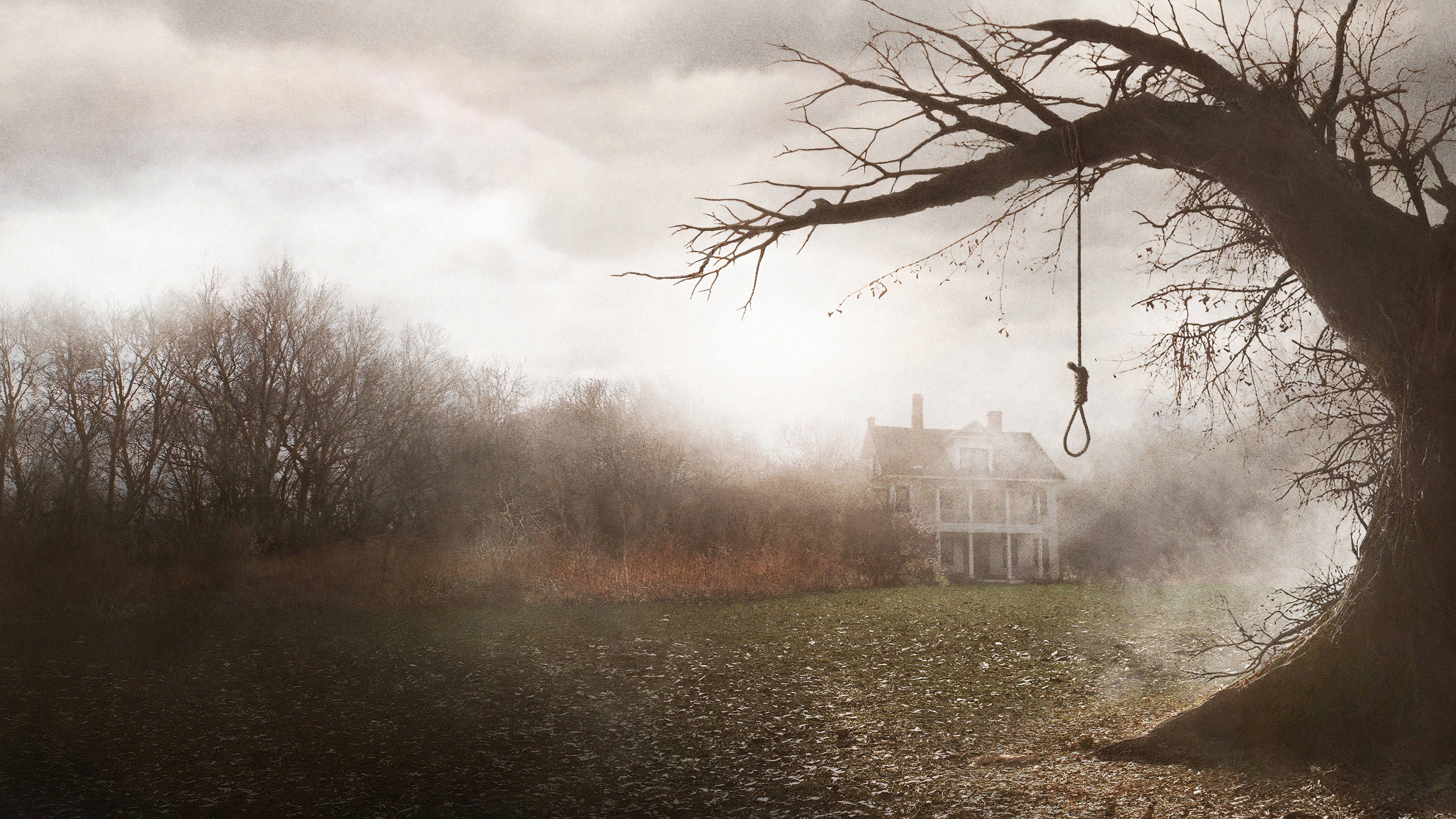
The Conjuring The Witch: Who Is Bathsheba Sherman?
The Conjuring the witch is Bathsheba Sherman, a spirit haunting the Perron family in The Conjuring (2013), directed by James Wan. She shares her name with a real Rhode Island woman, but researcher J’aime Rubio found no records supporting allegations of witchcraft or child murder against her.
The Conjuring The Witch: Who Is Bathsheba Sherman?
Bathsheba Sherman is the witch and spirit haunting the Perron family’s farmhouse in The Conjuring (2013), directed by James Wan. The character shares her name with a real Rhode Island woman, but the historical reporting does not establish the accusations attached to the film character. That distinction answers two different questions: who threatens the family on screen and what is known about the woman whose name the character uses. A name shared by a film character and a historical person does not make their biographies interchangeable.
The film places Bathsheba at the center of the haunting at a farmhouse in Harrisville, Rhode Island. Trinity Repertory Company identifies her as the spirit haunting the property in its description of the film. For the wider story, see The Conjuring, while this article follows the narrower question of Bathsheba’s identity and the evidence associated with her name. The film’s account gives the haunting a specific supernatural figure, but that portrayal is a claim about the story being told on screen.
The historical evidence calls for a separate reading of the same name. Radio Times reports biographical details about Bathsheba Sherman, while The Boston Globe reports J’aime Rubio’s research into accusations of witchcraft and child murder. Global News also addresses whether Sherman lived at the property associated with the Perrons. Reading those accounts alongside the film makes it possible to identify the character without presenting her supernatural backstory as an established account of the historical woman.
What Does Bathsheba Do in the Film?Spoilers
In the film, Bathsheba possesses Carolyn Perron and turns her against her children, making their mother a danger to the family. The following account reveals Bathsheba’s backstory and the final confrontation. The Warrens’ research within the story identifies Bathsheba as a former owner accused of witchcraft, who supposedly sacrificed her infant before dying by suicide. The film also attributes a curse on the land to her, linking its explanation of the farmhouse haunting to the danger facing the Perrons.
Bathsheba’s possession of Carolyn moves the threat into the family’s immediate relationships. After the family takes refuge at a motel, Carolyn returns to the house with two daughters, and the confrontation centers on protecting the children while breaking the spirit’s hold on their mother. These events describe the film’s plot and its portrayal of Bathsheba. They do not establish that the historical Bathsheba Sherman harmed a child, cursed the property or caused the experiences reported by the Perron family.
Ed Warren begins an exorcism, and Lorraine Warren reaches Carolyn by recalling a happy family memory. In the film’s ending, that intervention allows Ed Warren to complete the ritual and drive Bathsheba out. The sequence provides a resolution to the possession presented by the screenplay, while the historical sources address different questions about Sherman and the property. Readers looking for the ending can follow the film’s account here without treating its exorcism or its explanation of the haunting as independently verified events.
Was Bathsheba Sherman a Real Person?
Bathsheba Sherman was a real Rhode Island woman, and Radio Times reports that she was born in 1812. The same account says that she died in 1885 at age 73 and is buried in Harrisville Cemetery in Rhode Island. Those details provide a historical identity for the name used by the film. They do not, on their own, establish the accusations of witchcraft or child murder associated with the character, or the supernatural events portrayed at the farmhouse.
The reported dates also place Sherman’s life well before the Perron family’s residence at the property. Global News reports that the family lived there from January 1971 to 1980, many decades after Sherman’s death in 1885. Those dates help distinguish the historical woman’s biography from the period in which the Perrons reported their experiences. They cannot establish a connection between Sherman and the family’s later account, or settle the separate question of whether Sherman ever lived at the property.
The answer to what happened to the real Bathsheba Sherman is therefore narrower than the film character’s backstory. Radio Times supplies her reported birth year, death year, age at death and burial place, while J’aime Rubio’s research addresses the accusations repeated about her. When reading an account of Sherman, identify whether its details concern the historical woman or the spirit in The Conjuring. That simple distinction prevents the character’s death and alleged actions from being carried into a biography without supporting evidence.
Was Bathsheba Sherman Really a Witch?
Researcher J’aime Rubio told The Boston Globe that she found no records supporting allegations that Bathsheba Sherman practiced witchcraft or killed a child. Rubio also rejected the claim that Sherman was accused of wrongdoing during her lifetime. The findings challenge the assumption that the film’s accusations reflect an established historical case. They describe what Rubio found in the historical record and should be attributed to her when answering questions about the woman whose name the film uses.
A documented accusation and proof of wrongdoing are separate questions. Even if a historical record showed that someone had faced an accusation, that record alone would not establish that the alleged act took place. Rubio’s reported findings address an earlier question as well, because she found no supporting records for the allegations and rejected the claim of accusations during Sherman’s lifetime. Calling Sherman a known historical witch would give the allegation a status that the reported research does not support.
The Conjuring portrays Bathsheba as a supernatural threat, and its story uses witchcraft to explain the character. The historical question concerns the available evidence about Bathsheba Sherman, rather than the explanation supplied by the film. The careful answer is that Rubio found no records supporting the witchcraft or child murder allegations, according to The Boston Globe. Keeping that attribution with the finding lets a reader understand both the film’s portrayal and the limits of the reported historical evidence.
Did Bathsheba Sherman Live in The Conjuring House?Spoilers
It has not been proven that Bathsheba Sherman lived at the property associated with the Perron family, according to Global News. That distinction matters because the film presents its Bathsheba as a former owner connected to the land. A relationship stated within the film cannot settle a historical question about who lived at the property. The reported answer leaves Sherman’s residence there unestablished, rather than confirming the connection used in the screenplay.
The property is associated with the Perron family’s residence in Rhode Island from January 1971 to 1980, according to Global News. The Conjuring places its haunting at a farmhouse in Harrisville, Rhode Island, and makes Bathsheba the spirit connected with that setting. The family’s reported period of residence provides a timeframe for their account, but it does not establish who lived at the property before them. It also does not demonstrate that Sherman had the relationship with the house assigned to her film character.
Descriptions of the film can move quickly from the house to the witch because the screenplay joins those subjects in its explanation of the haunting. The historical connection needs its own evidence, separate from the character’s role in that story. Global News reported that Sherman’s residence at the property had not been proven, so that is the limit to retain when discussing the house. A reader can identify the Perron property and describe the film’s former owner backstory while keeping the historical residence question open.
What Did the Perron Family Say?
The Perron family reported unusual experiences at their Rhode Island home, and Global News reports that Ed Warren and Lorraine Warren investigated their claims during the 1970s. Andrea Perron is identified in the outlet’s coverage of the family’s account. The reported experiences form part of the background associated with The Conjuring, but they remain the family’s account. Reporting what the Perrons said does not independently establish a haunting or identify Bathsheba Sherman as its cause.
Global News reports that the Perrons lived at the Rhode Island property from January 1971 to 1980. Its account also places the Warrens’ investigation during the 1970s, within the period of the family’s residence. Those details establish a reported setting and timeframe for the claims and the investigation. The Warrens’ visits do not, by themselves, verify the supernatural interpretation presented in the film, and the historical questions about Sherman require evidence concerning Sherman herself.
The family’s account and the film can be discussed together as long as their claims remain clearly attributed. The supplied reporting supports the period of residence and the Warrens’ involvement without establishing every incident dramatized on screen. Global News also reported that Sherman’s residence at the property had not been proven. When comparing the accounts, keep the Perrons’ reported experiences, the Warrens’ investigation and the film’s explanation distinct, so that one claim does not become evidence for another without support.
How Does the Film Change Bathsheba’s Story?Spoilers
The film gives Bathsheba Sherman a supernatural identity and a defeat through exorcism, while the historical reporting supplied here does not establish those events. The following account reveals the film’s resolution. On screen, the Warrens’ research supplies a backstory for the haunting, and Carolyn Perron’s possession makes Bathsheba an immediate threat to the children. Lorraine Warren reaches Carolyn through a family memory, and Ed Warren completes the ritual that drives the spirit out.
The historical material offers a more limited account of the woman whose name the antagonist uses. Radio Times reports Bathsheba Sherman’s birth in 1812, death in 1885 at age 73 and burial in Harrisville Cemetery. J’aime Rubio’s research, reported by The Boston Globe, found no records supporting the witchcraft or child murder allegations, while Global News leaves Sherman’s residence at the Perron property unproven. These reports do not establish the film’s sequence of events, even where its story uses a historical name and a real location.
The Warrens’ reported investigation of the Perron family’s claims does not, on its own, verify the film’s exorcism or its explanation of Bathsheba. Each historical claim needs its own support, particularly an allegation that a named person harmed a child. For wider franchise context, visit The Conjuring Universe. When assessing Bathsheba specifically, compare the character’s actions with the attributed historical reporting and check which account supplies each detail.
What Do the Records Say About Bathsheba Sherman?
The reported records establish biographical details about Bathsheba Sherman, while J’aime Rubio found no records supporting the witchcraft or child murder allegations against her. Radio Times reports Sherman’s birth in Rhode Island in 1812, her death in 1885 at age 73 and her burial in Harrisville Cemetery. The Boston Globe reports Rubio’s findings and her rejection of the claim that Sherman faced accusations of wrongdoing during her lifetime. Those are historical claims with named sources, separate from the film’s portrayal of a spirit.
The dates in the accounts describe different subjects and periods. Sherman’s reported birth and death years concern the historical woman, while January 1971 to 1980 describes the Perron family’s residence at the Rhode Island property, according to Global News. The Warrens investigated the family’s claims during the 1970s. These dates help place the accounts in sequence, but they do not establish a supernatural connection between Sherman and the Perrons or prove that Sherman lived at their property.
The Facts box below identifies the publisher, URL and checked date for each entry, and the common questions address the distinctions readers are likely to seek. Global News leaves Sherman’s residence at the property unproven, while Rubio’s reported findings address the accusations against her. The Conjuring supplies a complete supernatural explanation for its story, but that explanation should remain attached to the film. Check the source and subject of each detail before using it to describe the historical Bathsheba Sherman.
Facts
- In The Conjuring (2013), Bathsheba Sherman is portrayed as a spirit haunting a farmhouse in Harrisville, Rhode Island. Trinity Repertory Company, checked 2026-11-04
- Radio Times reports that Bathsheba Sherman was born in Rhode Island in 1812. Radio Times, checked 2026-11-04
- Radio Times reports that Bathsheba Sherman died in 1885 at age 73. Radio Times, checked 2026-11-04
- Radio Times reports that Bathsheba Sherman is buried in Harrisville Cemetery in Rhode Island. Radio Times, checked 2026-11-04
- Rubio told The Boston Globe she found no records supporting witchcraft or child-murder allegations against Sherman. The Boston Globe, checked 2026-11-04
- Rubio also rejected lifetime wrongdoing accusations. The Boston Globe, checked 2026-11-04
- The Perrons lived there from January 1971 to 1980. Global News, checked 2026-11-04
- Sherman’s residence there remains unproven. Global News, checked 2026-11-04
- The Warrens investigated there during the 1970s. Global News, checked 2026-11-04
FAQs
Who is the witch in The Conjuring?
The witch is Bathsheba Sherman, the spirit haunting the Perron family’s farmhouse in The Conjuring (2013), directed by James Wan.
Was Bathsheba Sherman a real person?
Bathsheba Sherman was a real Rhode Island woman who, according to Radio Times, was born in 1812, died in 1885 at age 73 and is buried in Harrisville Cemetery.
Was Bathsheba Sherman really a witch?
Researcher J’aime Rubio told The Boston Globe that she found no records supporting witchcraft or child murder allegations against Bathsheba Sherman. Rubio also rejected the claim that Sherman was accused of wrongdoing during her lifetime.
How is The Conjuring different from the real story?
The film portrays Bathsheba Sherman as a spirit responsible for possession and a curse, while the historical reporting supplied here does not establish those events. J’aime Rubio’s reported research also challenges the accusations against the real woman.
Did Bathsheba Sherman live in The Conjuring house?
Bathsheba Sherman’s residence at the property associated with the Perron family has not been proven, according to Global News.
What happened to Bathsheba Sherman?
The historical Bathsheba Sherman died in 1885 at age 73 and is buried in Harrisville Cemetery, according to Radio Times. The film character’s backstory is separate from those reported biographical details.
More The Conjuring Universe Articles
All The Conjuring Universe articles- Ed and Lauren Warren Museum Search: Where Is the Collection?November 8, 2026
A search for the Ed and Lauren Warren museum leads to the collection associated with Ed and Lorraine Warren, with selected objects displayed in Salem, Massachusetts, and others remaining in Monroe, Connecticut.
- Ed Warren Ghost Hunter: His Investigations and Disputed ClaimsNovember 7, 2026
Ed Warren was a ghost hunter who investigated alleged hauntings with his wife, Lorraine Warren, and called himself a religious demonologist.