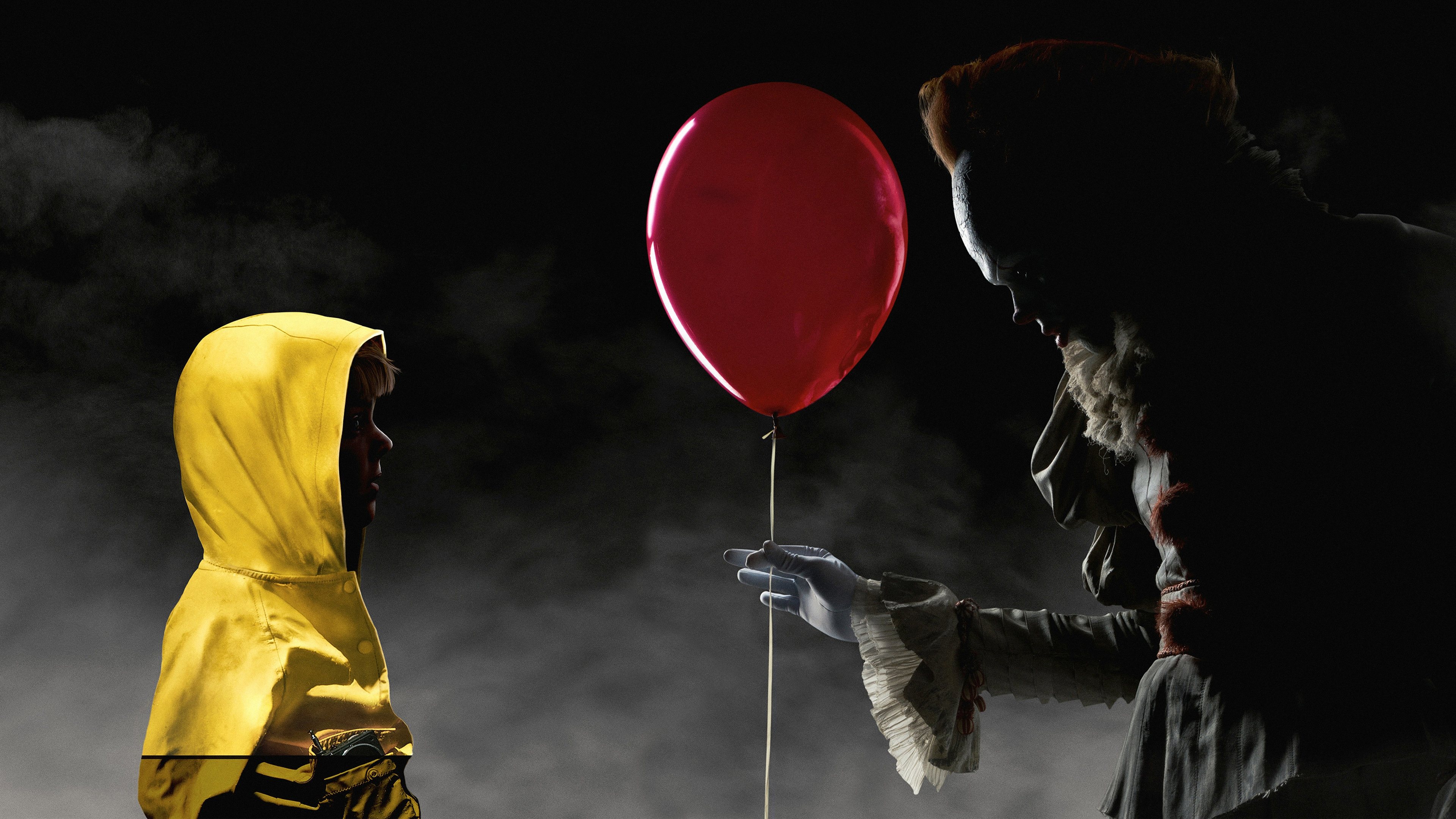
It 1990 Miniseries: The Stephen King Television Adaptation
The It 1990 miniseries is a two part television adaptation of Stephen King's novel, directed by Tommy Lee Wallace and first broadcast on ABC in November 1990. It follows seven childhood friends called upon to reunite in Derry and confront Pennywise, played by Tim Curry.
What Is the It 1990 Miniseries?
The It 1990 miniseries is a two part television adaptation of Stephen King's novel, directed by Tommy Lee Wallace and originally broadcast on ABC in November 1990. It follows seven childhood friends who are called upon to reunite in Derry and confront Pennywise, played by Tim Curry. The television format and the year identify this adaptation when you are looking for a particular version of King's story. The It movies guide covers the wider franchise, while this page examines the 1990 broadcast and its production.
ABC showed the first part on November 18, 1990, and the second on November 20, 1990. The Paley Center for Media records the installments separately, with their broadcast dates and production credits. Wallace directed both parts, while the first part credits Lawrence D. Cohen as writer and King for the source novel. The adaptation covers the childhood and adult portions of the novel, using adult actors for the later story.
The dates, format and credits offer different ways to recognize the production. The dates identify the original ABC presentation, Curry identifies its Pennywise, and the two part description identifies the television adaptation as a whole. A record for either individual installment is therefore only part of the original presentation.
How Many Parts Are in the It 1990 Miniseries?
The It 1990 miniseries has two parts, originally broadcast on ABC on November 18 and November 20, 1990. The Paley Center for Media records the first and second installments separately, giving each broadcast its own date. Together, the two dates describe the original television presentation of one adaptation. A listing that names only one of those dates may be referring to an individual installment, so check which part it describes.
The Paley Center's recording of the first part, including commercials, runs 1 hour, 55 minutes and 48 seconds. That figure describes the preserved recording and includes material beyond the dramatic program. It does not establish a commercial free running time for the first part or a combined running time for both parts. When comparing a viewing edition with the archive record, keep the commercial qualification and the first part designation attached to that figure.
The separate records also help place the production credits in context. The first installment credits Tommy Lee Wallace as director and Lawrence D. Cohen as writer, while the second installment also credits Wallace as director. The two records support the broadcast dates and direction of both installments, but the first part's writing credit should still be described as a credit for that part.
What Is the Miniseries About?
The miniseries follows seven childhood friends called upon to reunite in Derry and confront Pennywise, played by Tim Curry. Stephen King's official television entry provides that premise, connecting the group through a shared past and a return to Derry. The story also covers the adult portion of the novel, placing the friends' childhood alongside their later lives. Knowing the central situation gives you a starting point without revealing the outcome of their confrontation.
Derry, Pennywise and the seven friends are the central details to recognize when identifying the premise of It (1990). Curry's performance identifies the Pennywise of this television adaptation, while the friends' reunion links the adult story to their childhood. The premise establishes the threat facing the group without requiring a description of individual encounters. If you want to approach the miniseries without later story details, begin with that reunion and the group's shared history.
The premise also helps explain the scope of the adaptation. TIME identifies both childhood and adulthood as portions of King's novel covered by the miniseries, with adult actors used for the later story. The two periods are part of a single adaptation presented over two ABC broadcasts. The available information establishes those elements without specifying where each period falls within either installment.
How Does the Story Use Childhood and Adulthood?
It (1990) covers the childhood and adult portions of Stephen King's novel, using adult actors for the later story. TIME identifies both periods as part of the television adaptation, which contains them within its two broadcast installments. The seven friends are connected by childhood and are called upon to reunite in Derry. Those details establish the scope of the story without explaining the outcome of their encounter with Pennywise.
The two broadcasts and the two periods describe different aspects of It (1990). The broadcasts refer to ABC's presentation on November 18 and November 20, while childhood and adulthood refer to the portions of the novel covered by the adaptation. The available facts do not establish exactly how those periods are arranged within each installment. When reading a brief listing, use the two part description to identify the format and the references to childhood and adulthood to understand the story's scope.
Stephen King's official television entry describes the friends' reunion and their confrontation with Pennywise in Derry. That premise connects their shared childhood with the later story without assigning either period to a particular broadcast. The Paley Center's separate records, meanwhile, establish the dates on which ABC presented the installments. Both sources help identify the miniseries, but they answer different questions about it.
Who Made the 1990 Adaptation?
Tommy Lee Wallace directed both parts of It (1990), and the first part credits Lawrence D. Cohen as writer and Stephen King for the source novel. The Paley Center records the credits for each installment separately, so the first part's writing credit should be identified with that part. Richard Bellis won a 1991 Emmy for music composition for the miniseries. These credits distinguish the adaptation's direction, source material, writing and music.
In a 2017 Vanity Fair interview, Wallace said television's seven act structure suited the story's seven characters. His observation concerns the structure of a television broadcast and the people at the center of the story. It does not change the number of installments originally shown on ABC, which was two. When discussing Wallace's comment, keep the seven acts distinct from the two broadcasts and the first part's writing credit distinct from the credits for the complete production.
The records also distinguish a production credit from later recognition. The Paley Center identifies the people credited on the broadcasts, while the Television Academy records Bellis's music composition win and the miniseries' two nominations. Taken together, those sources identify the novel's author, the adaptation's director, a writing credit and an award for its music without treating them as the same kind of contribution.
How Did It Create Horror for Network Television?
It (1990) used implied violence and viewers' imaginations within the limits of network television. In a 2017 Vanity Fair interview, Tommy Lee Wallace said he anticipated broadcast limits, while Lawrence D. Cohen described using dialogue and viewers' imaginations to convey violence that could not be shown explicitly. Their accounts explain how the production approached material for television without requiring a list of specific cuts or prohibited shots. The reported approach is useful context for watching the miniseries as an ABC broadcast adaptation.
Wallace also said television's seven act structure suited the story's seven characters. That comment addresses the organization of the broadcast, while Cohen's account addresses how violence could be conveyed. Both observations concern the television presentation of a story about seven childhood friends called upon to reunite and confront Pennywise. When considering the production's approach, keep the reported broadcast constraints and the seven act observation attached to the filmmakers who described them.
The distinction between acts and installments matters here. Wallace discussed a seven act television structure in relation to the seven characters; the Paley Center records two installments, aired on separate dates. The interview provides context for the creative approach, and the archive records establish the original broadcast format. Neither point requires revealing how the friends' confrontation ends.
How Was the Miniseries Received?
The first installment of It (1990) ranked sixth in the weekly television ratings reported on November 21, 1990, and the miniseries later received two Emmy nominations and one win. The Los Angeles Times reported the ratings result, while the Television Academy records the award recognition. The ranking concerns the first installment, rather than a combined ranking for both broadcasts. The award record provides a separate measure of recognition for the production.
Richard Bellis won a 1991 Emmy for music composition for It (1990), accounting for the miniseries' one win from two nominations. That identifies the contribution recognized by the award without treating the result as a verdict on the entire adaptation. The sixth place rating has its own limit: it describes the first installment in the reported weekly comparison. When citing either result, retain the specific installment or award category so the evidence keeps its original scope.
The broadcast dates help place the ratings report alongside the original presentation. ABC aired the first part on November 18 and the second on November 20; the Los Angeles Times reported the weekly ranking on November 21. The Television Academy's record concerns awards recognition, including Bellis's 1991 win. These are different records, and neither supplies a combined ratings position for the two installments.
How Can You Identify the 1990 Miniseries?
You can identify the 1990 miniseries by its two part ABC broadcast, Tommy Lee Wallace's direction and Tim Curry's performance as Pennywise. The first part aired on November 18, 1990, and the second followed on November 20. It adapts Stephen King's novel and covers the childhood and adult portions of the story. Those details distinguish the television production by its format and credits when a listing gives little context.
The It movies hub provides the broader franchise context, while the broadcast dates help identify this particular adaptation. If a listing includes a running time, check whether it describes one part or both and whether it includes commercials. The Paley Center's first part recording, for example, runs 1 hour, 55 minutes and 48 seconds including commercials. Use that qualification when comparing the archive record with an edition you plan to watch.
The Paley Center lists the installments separately and credits Wallace as director of each. Its first part record also credits Lawrence D. Cohen as writer and King for the source novel. Stephen King's official television entry identifies Curry as Pennywise and describes the seven friends' return to Derry. Together, the format, credits and premise provide several identifying details when a listing supplies only some of them.
Facts
- It (1990) aired its first of two parts on ABC on November 18, 1990. The Paley Center for Media, checked 2026-11-05
- It (1990) aired its second part on ABC on November 20, 1990. The Paley Center for Media, checked 2026-11-05
- The Paley Center's recording of the first part of It (1990), including commercials, runs 1 hour, 55 minutes and 48 seconds. The Paley Center for Media, checked 2026-11-05
- The Paley Center credits Tommy Lee Wallace as director of the second part of It (1990). The Paley Center for Media, checked 2026-11-05
- The first part of It (1990) credits Lawrence D. Cohen as writer and Stephen King for the source novel. The Paley Center for Media, checked 2026-11-05
- Tim Curry played Pennywise in It (1990). Stephen King, checked 2026-11-05
- It (1990) follows seven childhood friends called upon to reunite and confront Pennywise in Derry. Stephen King, checked 2026-11-05
- It (1990) covers the childhood and adult portions of the novel, using adult actors for the later story. TIME, checked 2026-11-05
- The first installment ranked sixth in the weekly television ratings reported on November 21, 1990. Los Angeles Times, checked 2026-11-05
- Richard Bellis won a 1991 Emmy for music composition for It (1990). Television Academy, checked 2026-11-05
- It (1990) received two Emmy nominations and won one award. Television Academy, checked 2026-11-05
- In a 2017 interview, Tommy Lee Wallace said television's seven-act structure suited the story's seven characters. Vanity Fair, checked 2026-11-05
FAQs
Is It 1990 a movie or a miniseries?
It (1990) is a two part television miniseries directed by Tommy Lee Wallace. ABC originally broadcast its parts on November 18 and November 20, 1990.
How many episodes are in the It 1990 miniseries?
The It 1990 miniseries consists of two parts. ABC broadcast the first on November 18, 1990, and the second on November 20, 1990.
Who played Pennywise in the 1990 It miniseries?
Tim Curry played Pennywise in the 1990 It miniseries. The story follows seven childhood friends called upon to reunite in Derry and confront Pennywise.
Is the 1990 It miniseries based on a book?
The 1990 It miniseries adapts Stephen King's novel It. The first installment credits King for the source novel and Lawrence D. Cohen as writer.
Does the 1990 It miniseries cover both childhood and adulthood?
The 1990 It miniseries covers the childhood and adult portions of Stephen King's novel. It uses adult actors for the later story.
More It Articles
All It articles- Pennywise Mouth: Teeth, Deadlights and Effects ExplainedNovember 4, 2026
The Pennywise mouth reveals sharp teeth and the Deadlights in It (2017), directed by Andy Muschietti.
- Stephen King's It Book: The Story Behind the FilmsNovember 10, 2026
Stephen King's It book is a 1986 horror novel about seven friends confronting a creature in Derry, Maine.