The Hobbit: The Battle of the Five Armies (2014): Cast, Plot and Ending
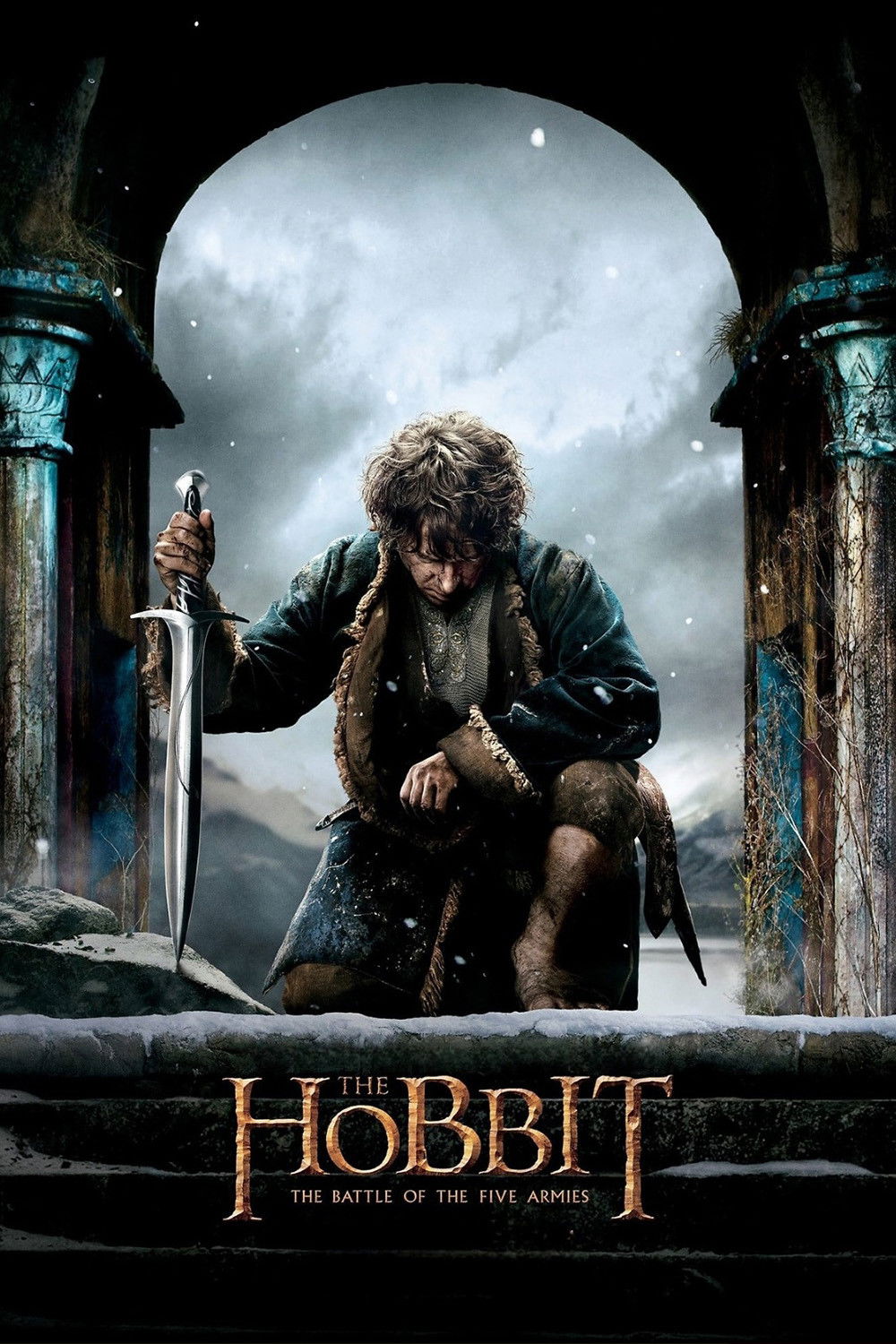
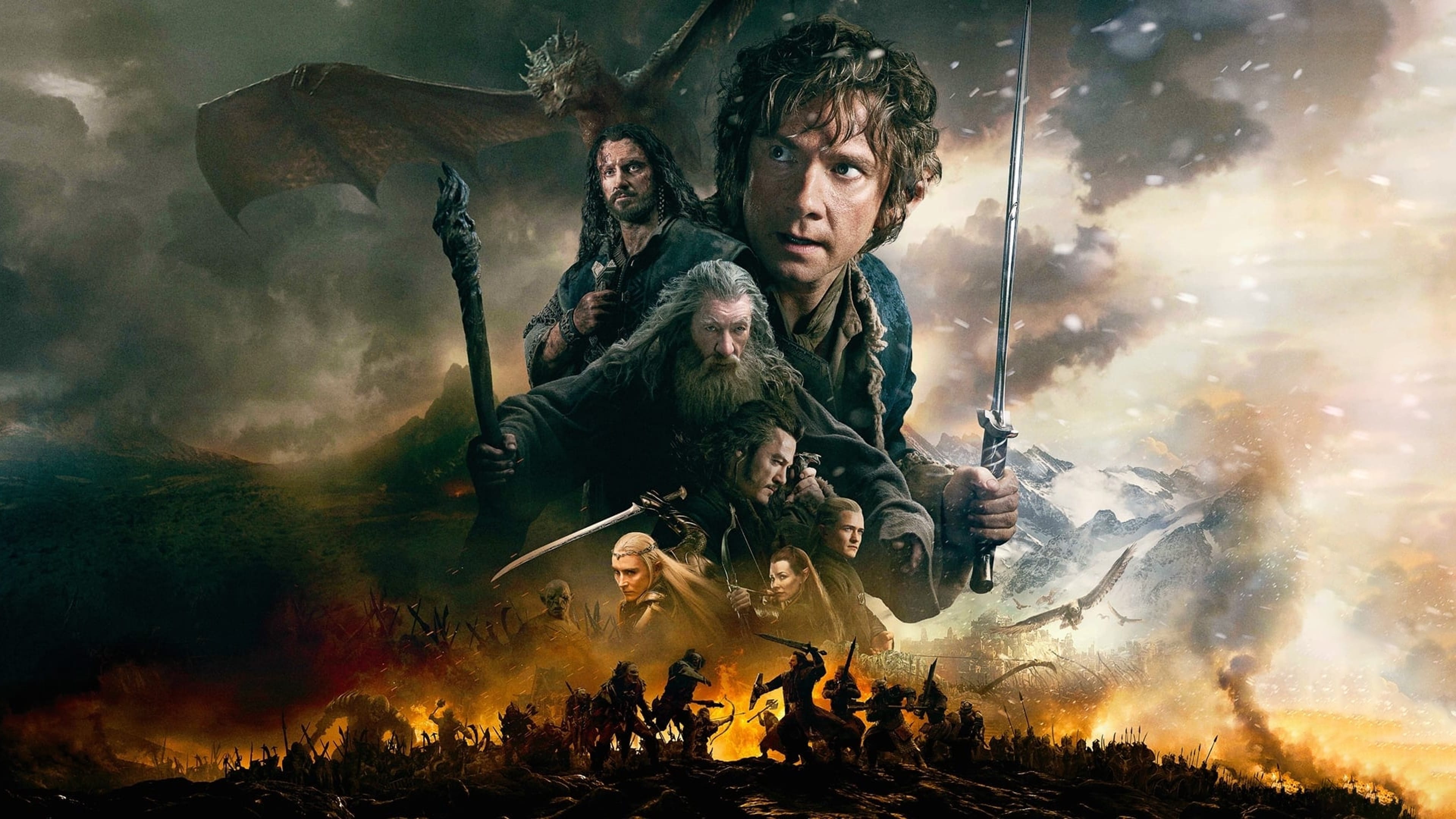
The Hobbit: The Battle of the Five Armies (2014) is the third and final Hobbit film, directed by Peter Jackson and released in the US on 17 December 2014, with a runtime of 144 minutes. It follows Smaug's attack on Lake-town and the fight over the treasure of the Lonely Mountain, and it sits sixth in release order and fourth in chronological order among the main Middle-earth films.
The Hobbit: The Battle of the Five Armies (2014), directed by Peter Jackson, is about the fight for the dwarf treasure under the Lonely Mountain once the dragon Smaug has been unleashed on the nearby town. The film follows the desolation of smaug and opens with the dragon's attack on Lake-town.
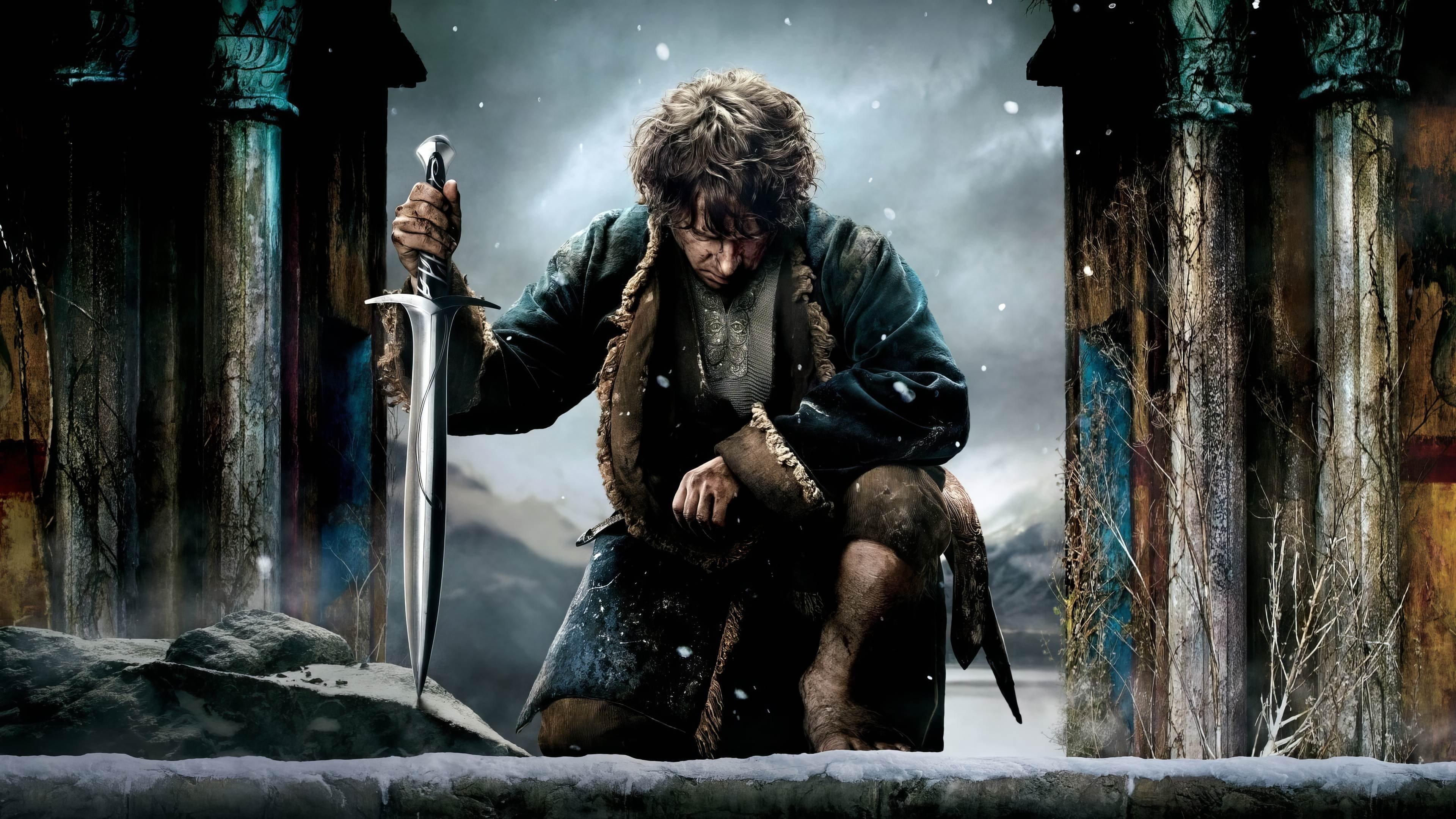
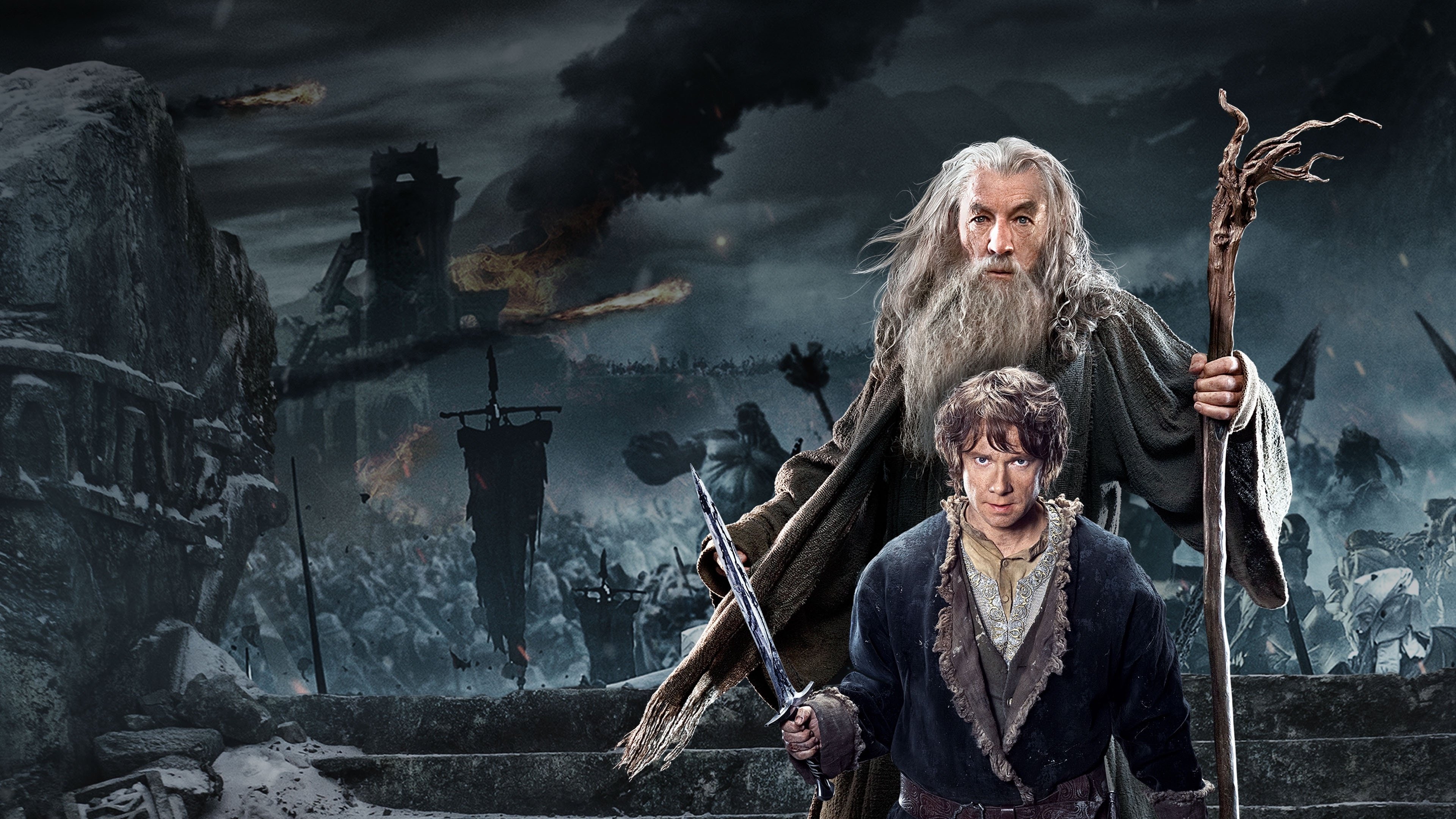
Thorin Oakenshield and his dwarf companions hold the treasure inside the Lonely Mountain, and Thorin starts to fall under a sickness of greed. He becomes fixated on finding the Arkenstone. Far away, Gandalf is held prisoner while a darker power gathers strength, and armies begin to move toward the mountain and its gold. Bilbo Baggins, the hobbit who joined the quest as the company's burglar, is caught between his friends and the people who now have a claim on the hoard.
The Hobbit: The Battle of the Five Armies Soundtrack and Score
Howard Shore composed the score for The Hobbit: The Battle of the Five Armies (2014), and he is the only composer credited on the film. The album, "The Hobbit: The Battle of the Five Armies: Original Motion Picture Soundtrack", was released by Decca Records on December 8, 2014. It is a score album and runs to 23 tracks.
The film has one featured song, "The Last Goodbye", performed by Billy Boyd. It was written for the film, and it plays over the end credits after the story of the film has finished. Boyd is also part of the wider saga as an actor, so his voice at the close of the final Hobbit film is a familiar one for viewers who have followed the series from the start.
"The Last Goodbye" by Billy Boyd (written for the film, plays over the end credits)
Because Shore scored the film and no other composer is credited, the album is the complete orchestral record of the movie, with the single song sitting apart from it at the very end. If you want the music across the whole saga, including the other composers, albums and songs for every film, the Cinvibe lord of the rings soundtrack page is the best place to continue.
Battle of the Five Armies Plot: Full Story and Who DiedSpoilers
Smaug attacks Lake-town and Bard kills the dragon with a black arrow. The survivors of Lake-town head for the mountain, because they are owed a share of the treasure, while Thorin grows more obsessed with the gold and the Arkenstone and seals the dwarves inside the mountain.
Meanwhile, Galadriel, Elrond and Saruman rescue Gandalf from Dol Guldur and drive Sauron away. Azog leads an orc army toward Erebor, and a second orc force joins it. Elves, men and dwarves gather at the mountain, each wanting a claim to the treasure. Bilbo gives the Arkenstone to Thranduil and Bard to try to prevent a war, and Thorin's greed nearly leads to bloodshed between the three peoples.
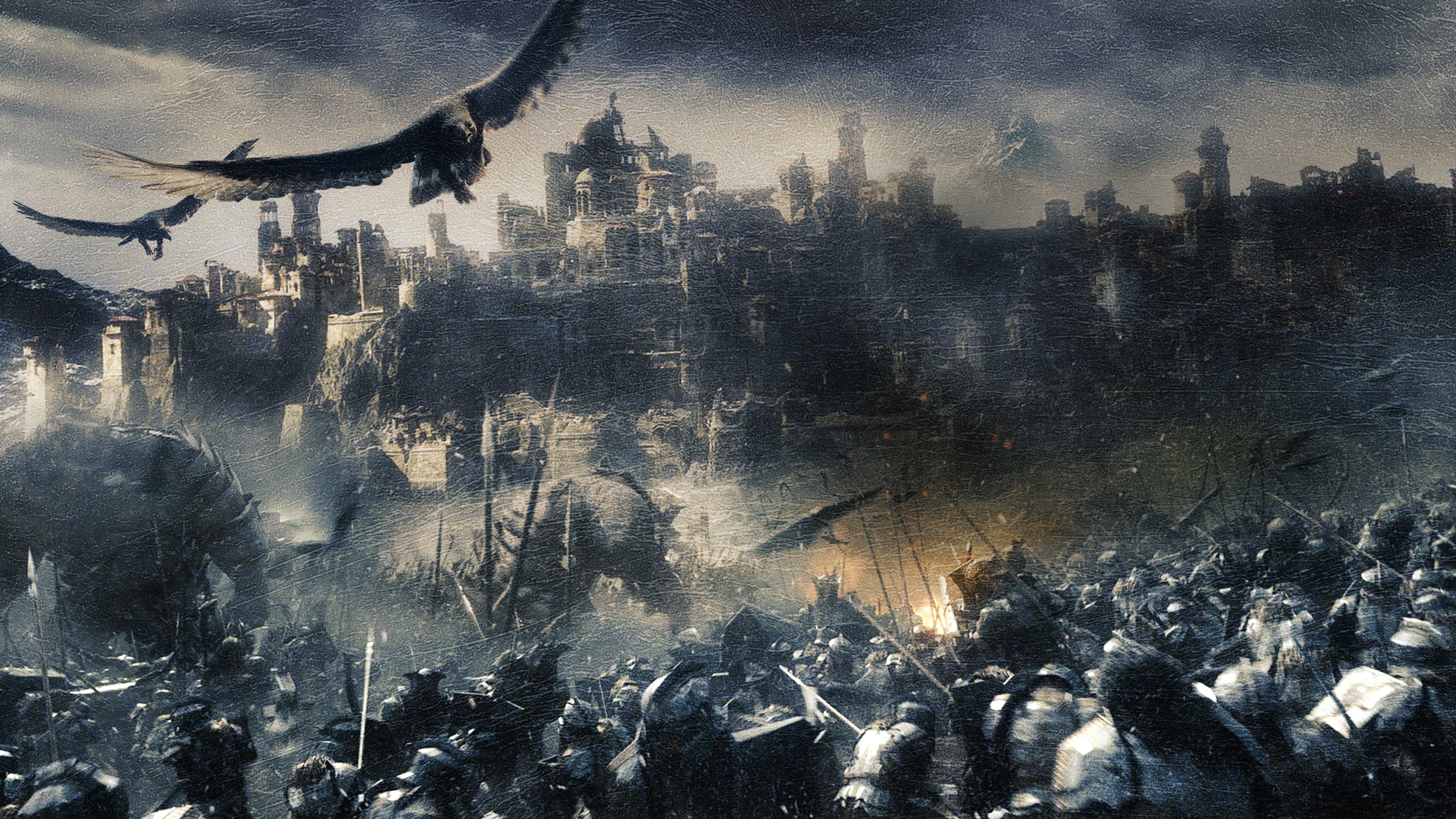
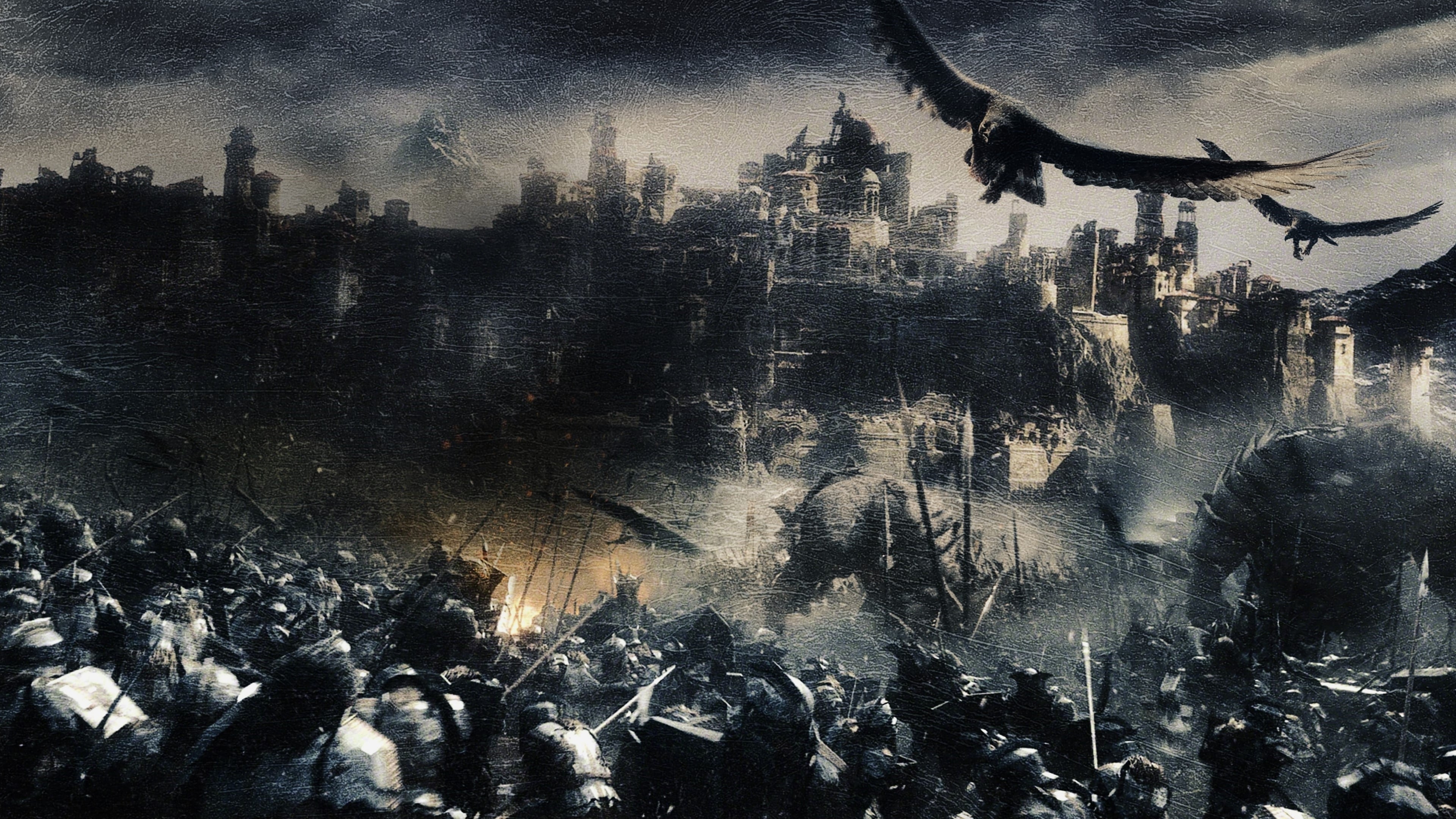
When the orcs arrive, Thorin recovers his honor and joins the fight. Fili and Kili die, Thorin kills Azog and is mortally wounded, and Legolas kills Bolg. The Great Eagles arrive and turn the battle. Thorin makes peace with Bilbo before he dies. Dain becomes king, and Bilbo returns to the Shire.
So, who died in the Battle of the Five Armies? Smaug falls to Bard's black arrow before the battle, Azog dies at Thorin's hands and Bolg at Legolas's, and Fili, Kili and Thorin Oakenshield die in the fighting.
When Was The Battle of the Five Armies Released?
The Battle of the Five Armies had its premiere in London on 1 December 2014, and it reached UK theaters on 12 December 2014, five days before its US opening on 17 December 2014.
Australian audiences saw the film on 26 December 2014. The US, UK and Australian dates are reported by The Numbers, TMDB and Wikipedia respectively. The film carries a PG-13 rating in the US, 12A in the UK and M in Australia.
The release also closed a run of December openings for the Hobbit films, which arrived in 2012, 2013 and 2014. If you want the whole run in one place, the Hobbit films sit after the Lord of the Rings trilogy in lord of the rings movies release order, though they come earlier in the story.
Battle of the Five Armies Ending ExplainedSpoilers
The ending of The Battle of the Five Armies closes Thorin's story and sets up The Lord of the Rings. Thorin reconciles with Bilbo and dies of his wounds, Dain takes the throne under the mountain, and Bilbo goes home to the Shire and keeps his ring.
In my opinion, the emotional center is the reconciliation, because the film spends so long on Thorin's greed that his death needs a gesture of friendship to land. Bilbo handing the Arkenstone to Thranduil and Bard was the act that nearly broke the company, and Thorin's last scene is the answer to it. It could be argued that the film is really about a smaller bargain than its title suggests, one hobbit trying to stop three peoples from fighting over gold.
The final scene is the one that connects the two trilogies. Years later Gandalf visits Bilbo on his 111th birthday, which is the same birthday that opens the story in the fellowship of the ring. That birthday is also when Bilbo leaves the Shire and passes his ring to Frodo, so the Hobbit films end exactly where the first Lord of the Rings film begins. The ring itself is covered at the one ring.
The Dol Guldur sequence matters as well. Galadriel, Elrond and Saruman drive Sauron away, and Cumberbatch is credited for both Smaug and Sauron (voice). Sauron's return is the thread that carries the story from the Hobbit films into the main saga. For the character, see sauron lord of the rings.
Where Was The Battle of the Five Armies Filmed?
The Hobbit films were shot in New Zealand, and principal photography on the trilogy ended on 6 July 2012 after 266 shooting days.
The third film relied on extra filming after that wrap date. The trilogy was filmed at 48 frames per second in 3D, according to CBS News, which describes the technique in its coverage of the first film. For the wider geography of the saga, see middle earth map.
Battle of the Five Armies Trivia
The film was first titled There and Back Again, and Peter Jackson renamed it in April 2014 because Bilbo had already reached his destination in the second film. Jackson said There and Back Again could be reused as the name of a box set of all three films.
The daughters of Peter Jackson and Andy Serkis appear as rowing girls during Smaug's attack on Lake-town. Billy Boyd, who played Pippin, wrote and recorded the end credits song. Howard Shore's score was performed by the New Zealand Symphony Orchestra.
The film earned $940 million worldwide on a $250 million budget, according to The Numbers, with about $255 million of that in North America. Compare it with the rest of the saga at lord of the rings box office.
The Hobbit: The Battle of the Five Armies (2014) grossed $255,119,788 in the domestic market. The Numbers, checked 2026-11-03
The Hobbit: The Battle of the Five Armies (2014) was scored by Howard Shore. TMDB, checked 2026-11-03
Principal photography on the Hobbit films ended on 6 July 2012 after 266 shooting days. RNZ, checked 2026-11-03
The Hobbit: The Battle of the Five Armies (2014) was renamed from There and Back Again in April 2014. CBS News, checked 2026-11-03
FAQs
How many fought in The Battle of the Five Armies?
The film does not state a headcount, so any number you see online is an estimate. What it does show is a field with five forces: elves, men and dwarves gather at the Lonely Mountain, and two orc forces arrive to attack them.
Which are the five armies in The Battle of the Five Armies?
In the film, elves, men and dwarves gather at the mountain, each wanting a claim to the treasure, and Azog's orc army is joined by a second orc force. That gives the five armies on the field, with the Great Eagles arriving later to turn the battle.
Why is it called Battle of the Five Armies?
It is named for the five forces that meet at the Lonely Mountain. The film was first titled There and Back Again, and Peter Jackson renamed it in April 2014 because Bilbo had already reached his destination in the second film.
Is The Hobbit 2 or 3 movies?
The Hobbit is three movies: The Hobbit: An Unexpected Journey (2012), The Hobbit: The Desolation of Smaug (2013) and The Hobbit: The Battle of the Five Armies (2014). All three were directed by Peter Jackson.
What is The Hobbit book about short summary?
In Peter Jackson's film version, the hobbit Bilbo Baggins joins thirteen dwarves led by Thorin Oakenshield to win back their homeland beneath the Lonely Mountain from the dragon Smaug. The Battle of the Five Armies covers the closing stretch of that quest.
Where can you watch The Hobbit: The Battle of the Five Armies?
As of 3 November 2026, JustWatch data via TMDB lists HBO Max for streaming in the US, Amazon Prime Video in the UK, and Netflix and Amazon Prime Video in Australia. It can also be rented or bought on services such as Apple TV and YouTube. See where to watch lord of the rings for the full picture.