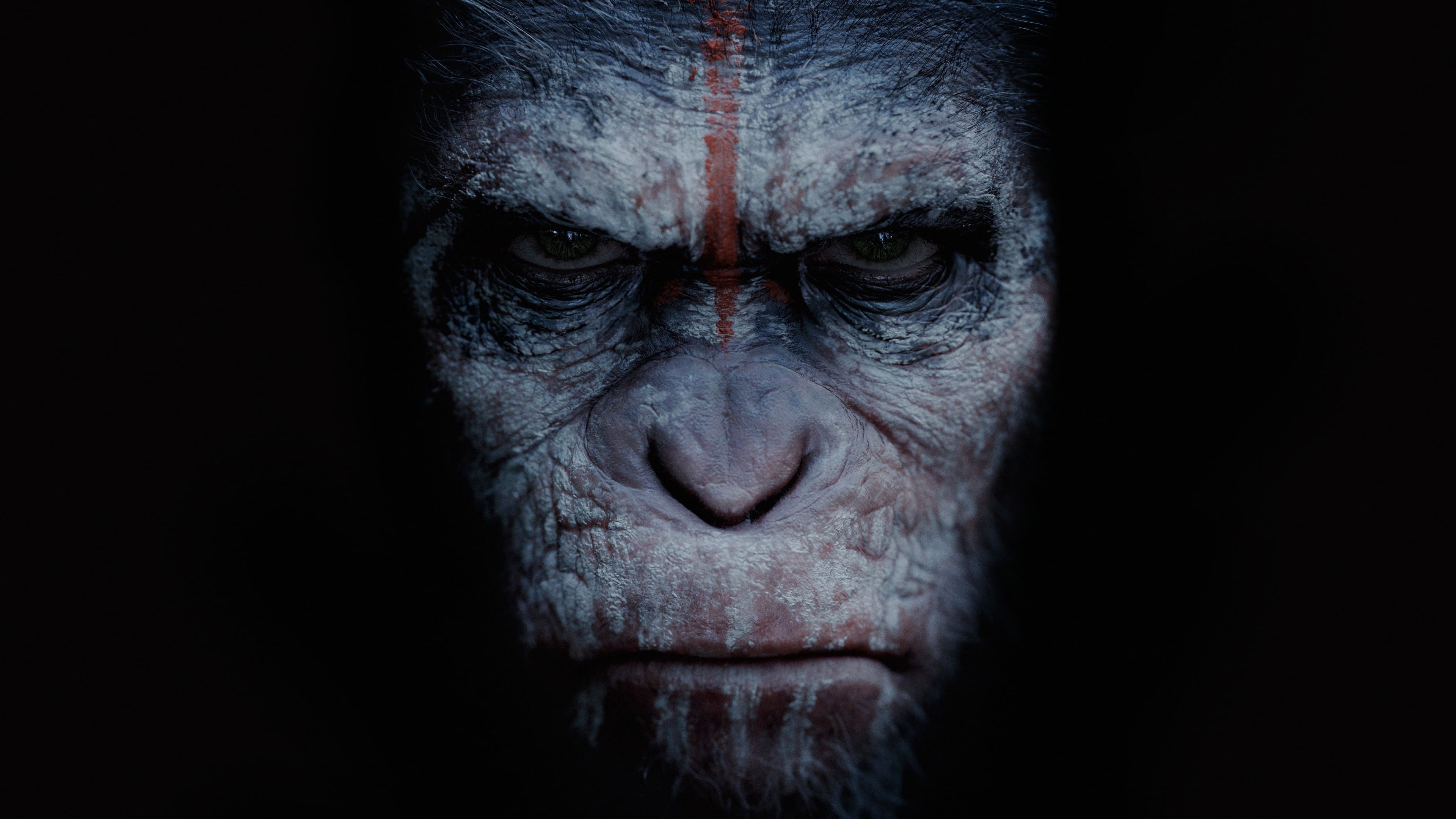
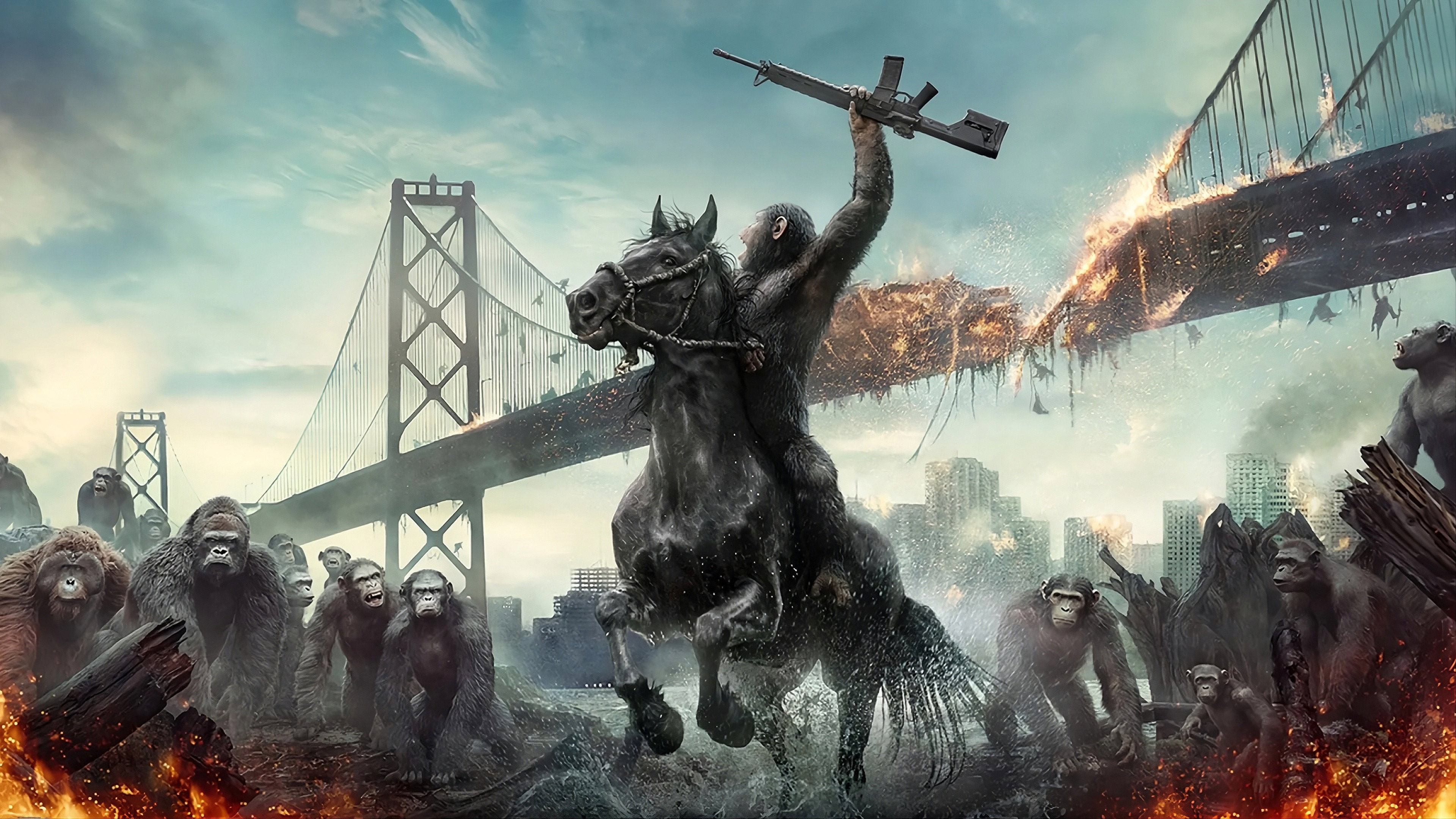
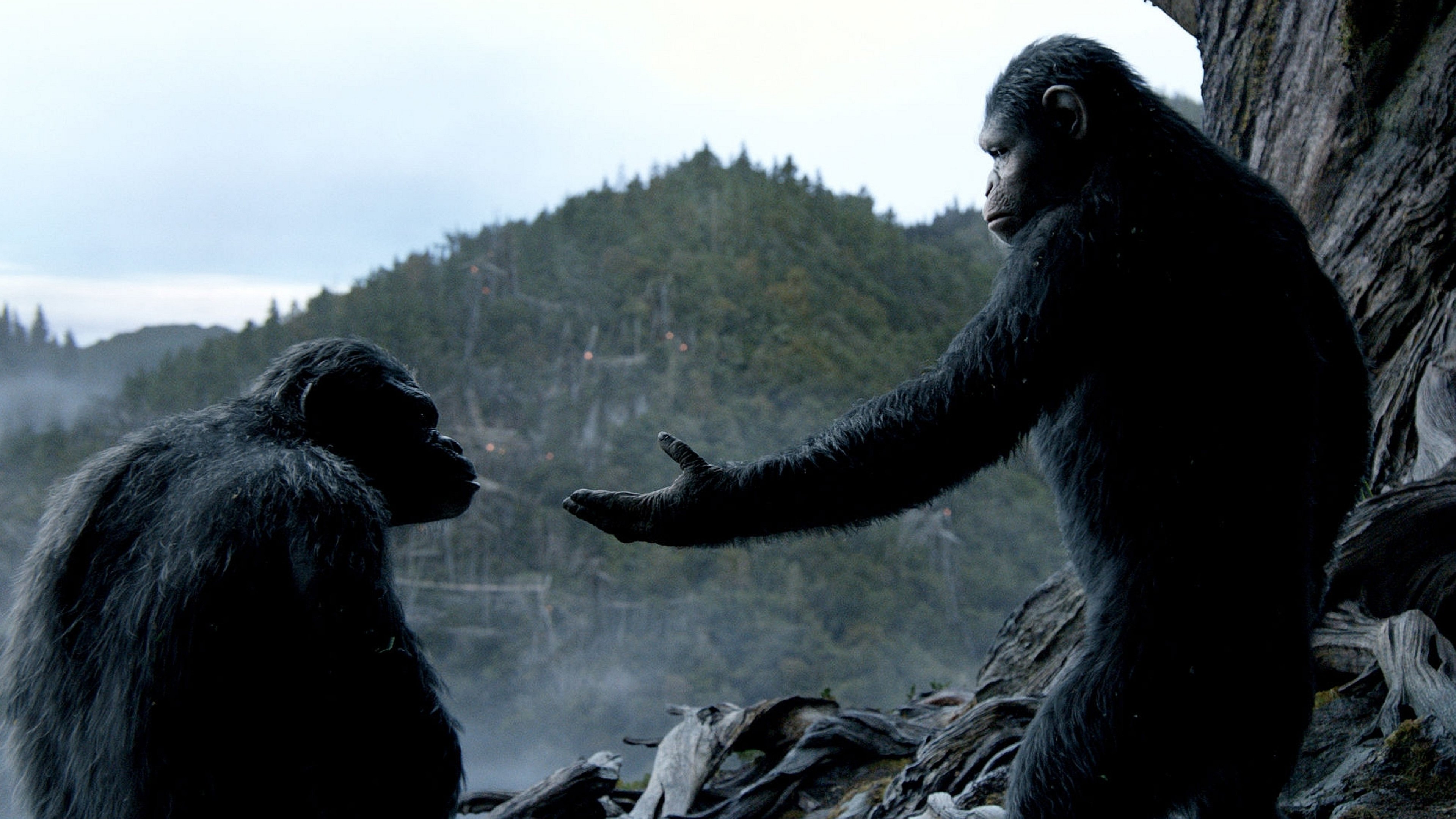
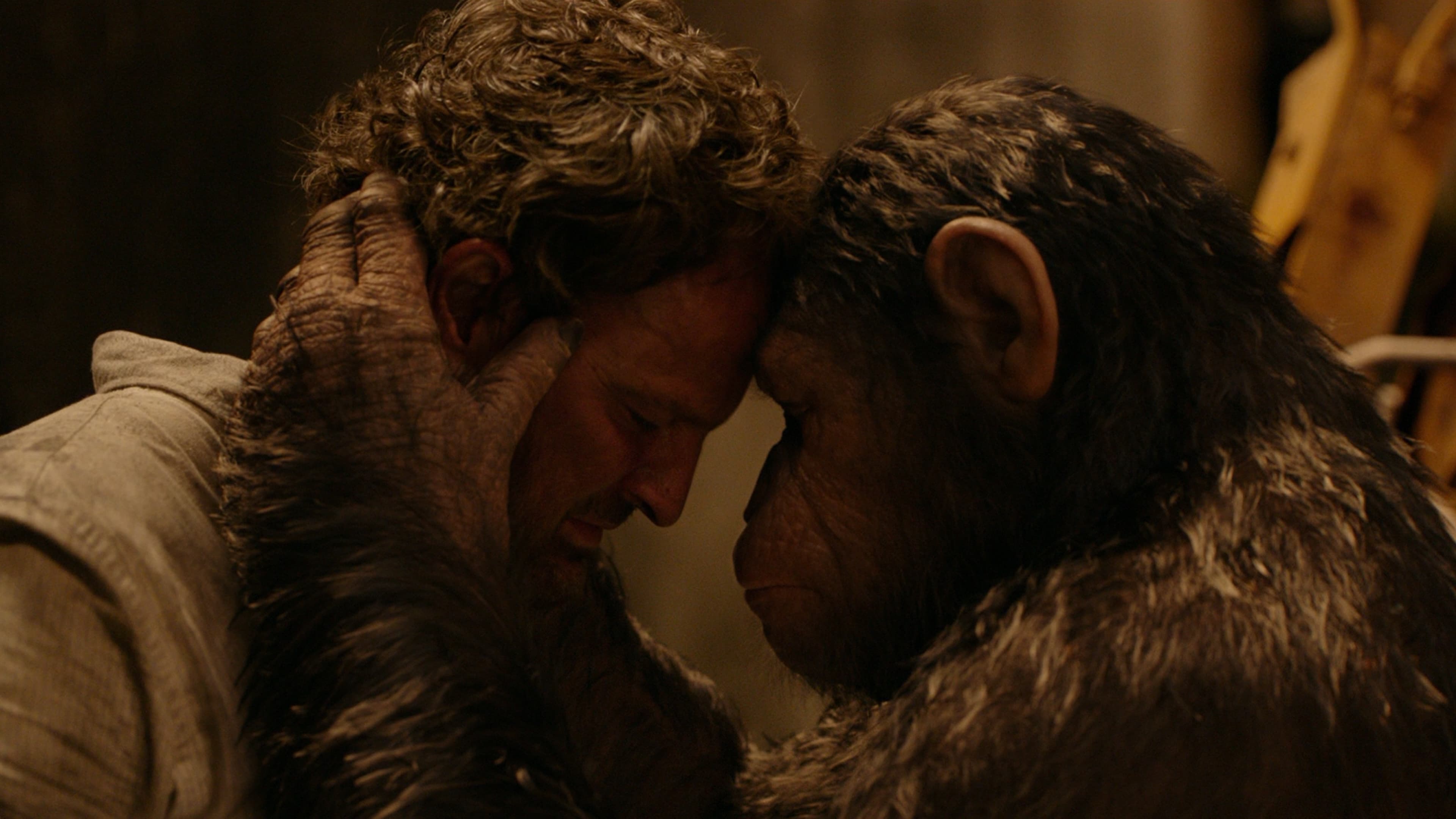
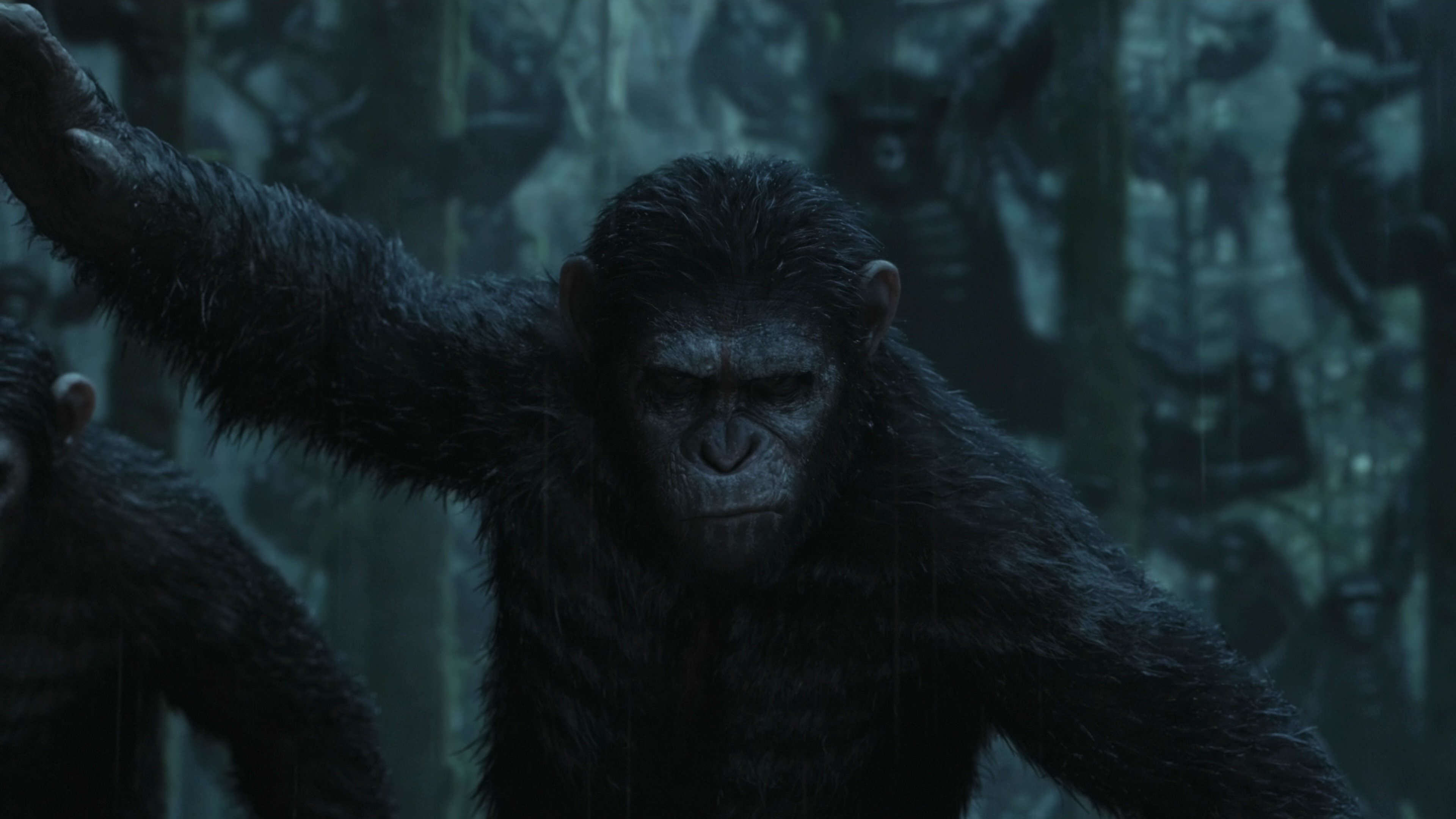
The ending of Dawn of the Planet of the Apes closes the fight between Caesar and Koba and then opens a larger one with the human military. At the top of the tower Caesar fights Koba and lets him fall, after declaring that he is no longer an ape. Dreyfus dies when the explosives he planted go off. Malcolm warns Caesar that more humans with military weapons are coming, Caesar sends Malcolm away to safety, and he turns to ready the apes for the coming war.
Why does Caesar say Koba is no longer an ape? It could be argued that this is the film's moral verdict. Koba took power by shooting Caesar and blaming the humans, and in Caesar's eyes that act costs him his place in the colony. In my opinion, the line works because Koba's grievance is real, since he was tortured in a human lab, while his answer to it is the thing Caesar cannot accept.
Why does Caesar send Malcolm away? Perhaps because he knows what is coming and no longer thinks a human can stand safely among the apes. Caesar refused to let Koba strike first earlier in the film, which shows he wanted peace, and the ending shows how little that wish can control once the armory has been found and the city has been attacked.
Is Dawn of the Planet of the Apes considered racist? In Dawn, the conflict is between fictional apes and fictional humans, and the harm comes from fear and distrust on both sides. Dreyfus arms the survivors and Koba arms himself, while Caesar and Malcolm try to work across the divide. Reading the story as a comment on real world prejudice is an interpretation, and a common one.
Where does this leave the saga? War for the Planet of the Apes opens two years after the war began, so the conflict Caesar prepares for at the end of Dawn is already under way when the next film starts. Watch War for the Planet of the Apes next if you want to see how Caesar's story ends.