
Planet of the Apes Movies Ranked: All 10 Films, Best to Worst
Planet of the Apes movies ranked, best to worst: Planet of the Apes (1968), directed by Franklin J. Schaffner, comes first of the ten films in my ranking, with Dawn of the Planet of the Apes second and Battle for the Planet of the Apes last. The list covers the five original films, Tim Burton's Planet of the Apes (2001) remake and the four modern films, and every placement is my opinion.
Key Takeaways
- Planet of the Apes (1968), directed by Franklin J. Schaffner, ranks first of the ten theatrical films.
- Dawn of the Planet of the Apes (2014) ranks second and has the highest worldwide gross in the series, about $711 million.
- Battle for the Planet of the Apes (1973) ranks last and has the lowest gross in the series, about $8.8 million.
- Tim Burton's Planet of the Apes (2001) ranks ninth: it earned about $362 million worldwide on a $100 million budget, so its problem is the story, not the box office.
- The ten films are nine main saga films plus the 2001 standalone remake.
Hot Takes
- Escape from the Planet of the Apes (1971) is the best of the original sequels, because it is the only one that changes the premise instead of replaying it. (Priya Nair, opinion)
- Dawn of the Planet of the Apes edges War for the Planet of the Apes, because Dawn gives the humans a case as strong as the apes have. (Priya Nair, opinion)
- The 2001 film is not the worst Apes movie. It is a flawed big budget attempt, and Battle for the Planet of the Apes is a weaker story. (Priya Nair, opinion)
Opinion, by Priya Nair.
- 1
Planet of the Apes (1968)
It builds a whole ape society from one crash landing, with Charlton Heston, Roddy McDowall, Kim Hunter and Maurice Evans in strong form. Franklin J. Schaffner and Jerry Goldsmith give it a strangeness that later films keep borrowing. It remains the standard the others are measured against.
- 2

Dawn of the Planet of the Apes
Matt Reeves gives Caesar and the human survivors equally strong cases for the dam. Toby Kebbell's Koba and Gary Oldman's Dreyfus keep the pressure on both sides. It is the best of the modern films.
- 3
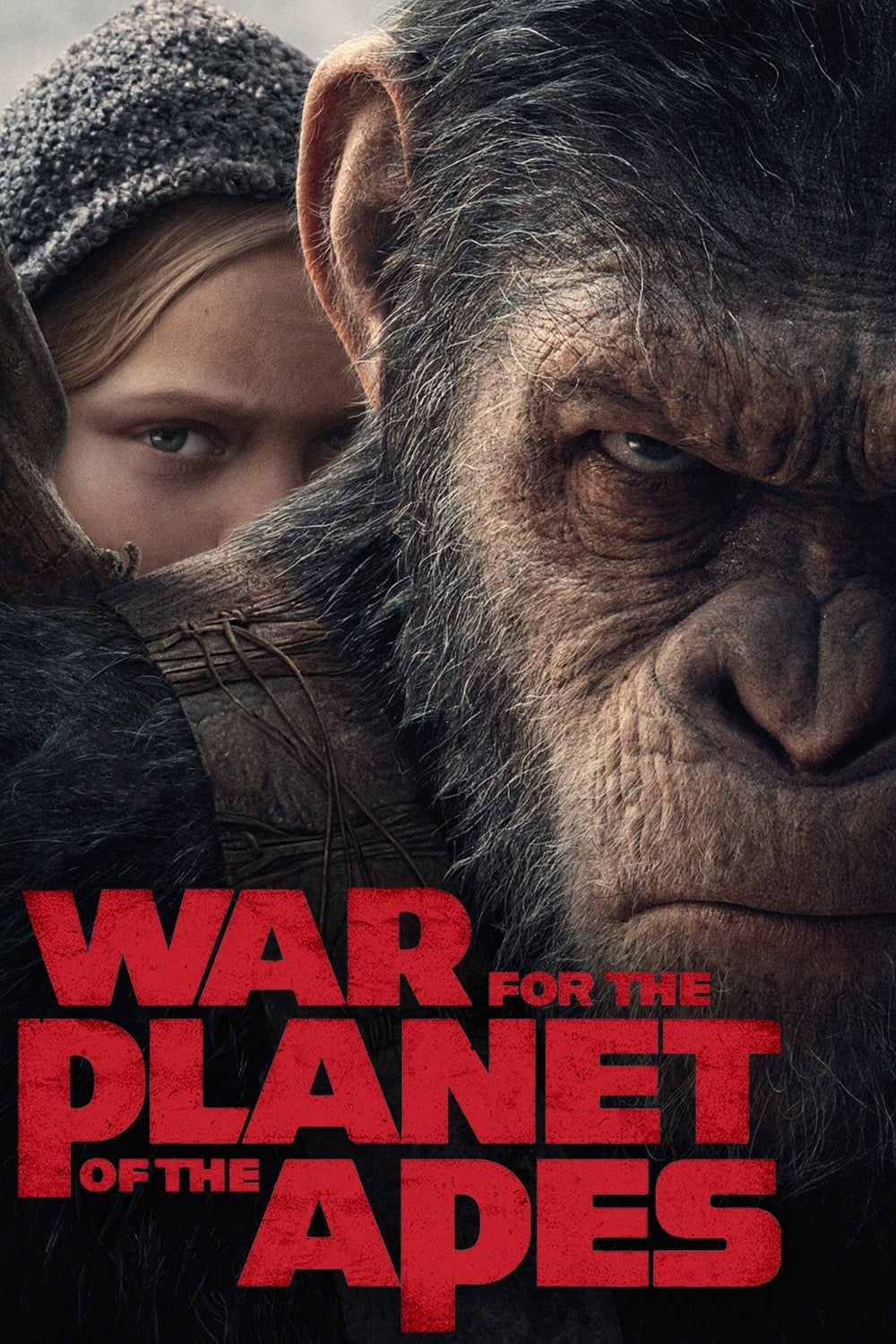
War for the Planet of the Apes
It is the most personal film in the series, built around Caesar's pursuit of Woody Harrelson's Colonel. The on location motion capture is superb, and Bad Ape gives it humor. At 140 minutes it is slower than Dawn, which is why it sits third.
- 4
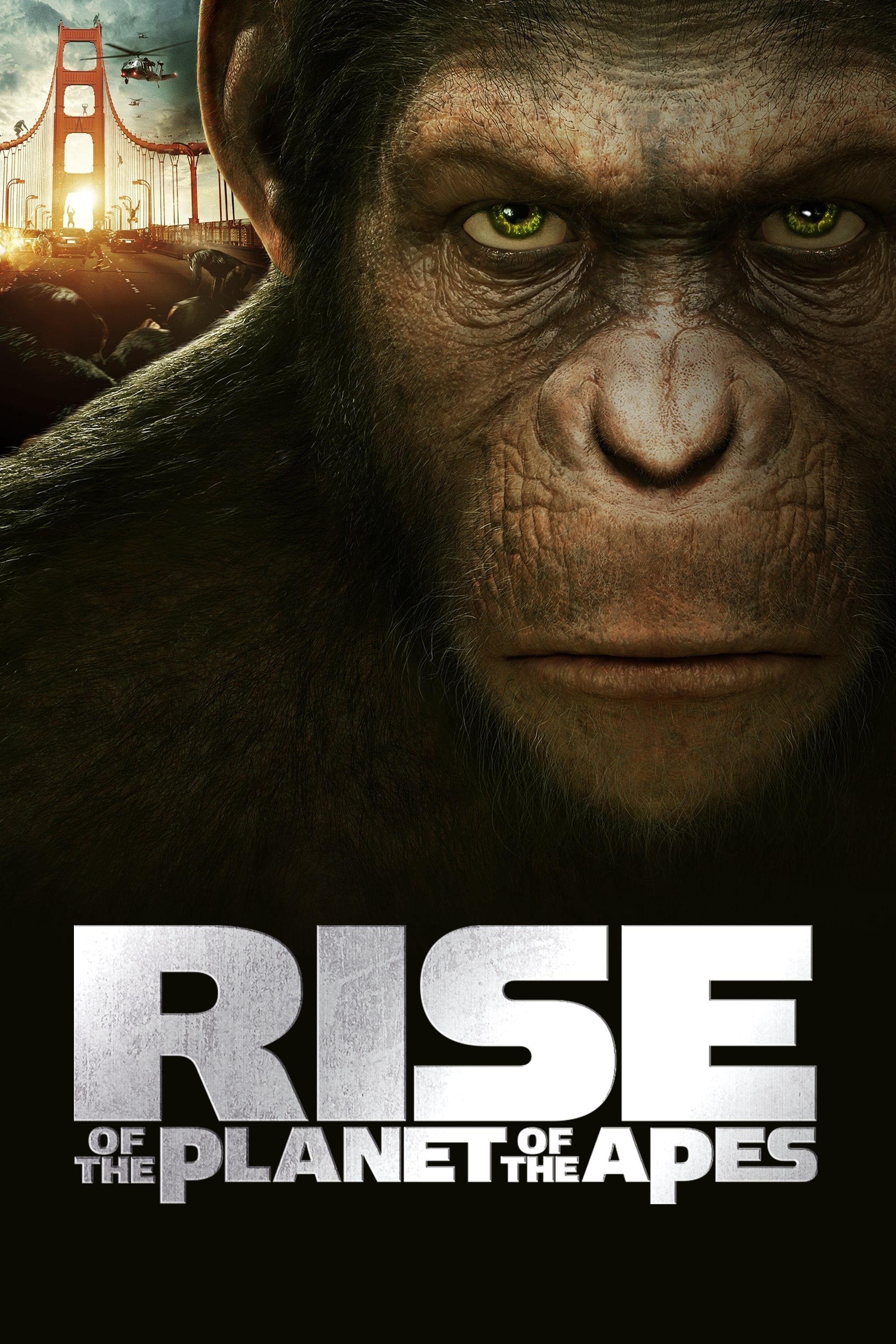
Rise of the Planet of the Apes
Rupert Wyatt turned a reboot into an origin story with real feeling, and Andy Serkis made Caesar a lead character. The human side is thinner than the ape side. It still earned about $482 million worldwide on a $93 million budget.
- 5
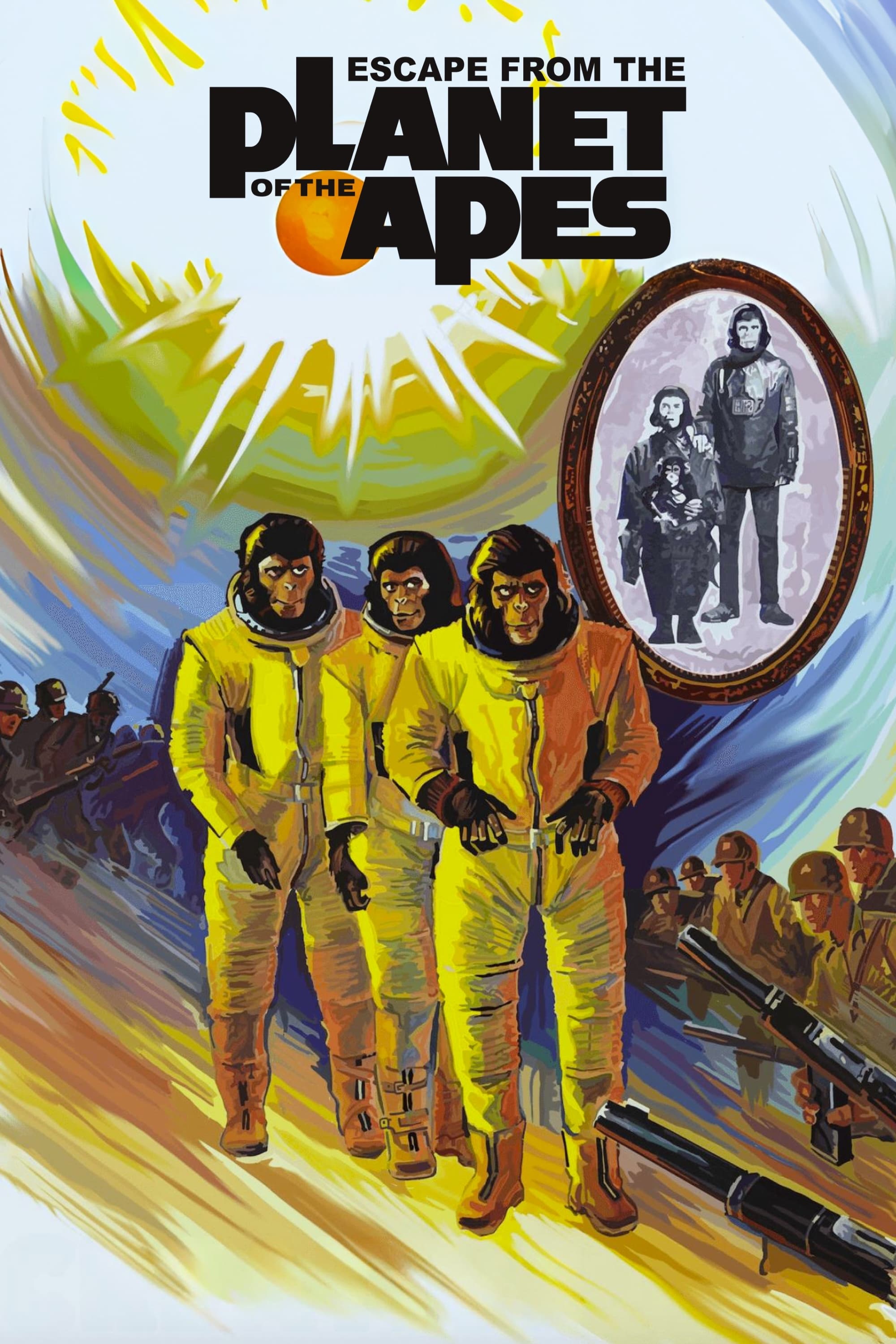
Escape from the Planet of the Apes
Cornelius and Zira landing in 1973 Los Angeles is the only original sequel idea that changes the premise. The film is funny first and bitter later, with Eric Braeden and Sal Mineo in support. It is the best of the original sequels.
- 6

Kingdom of the Planet of the Apes
Wes Ball builds a new world many generations after Caesar, and Noa and Raka make a good pair. It spends a lot of its 145 minutes setting up what comes next. I expect it to rise if the next film pays it off.
- 7
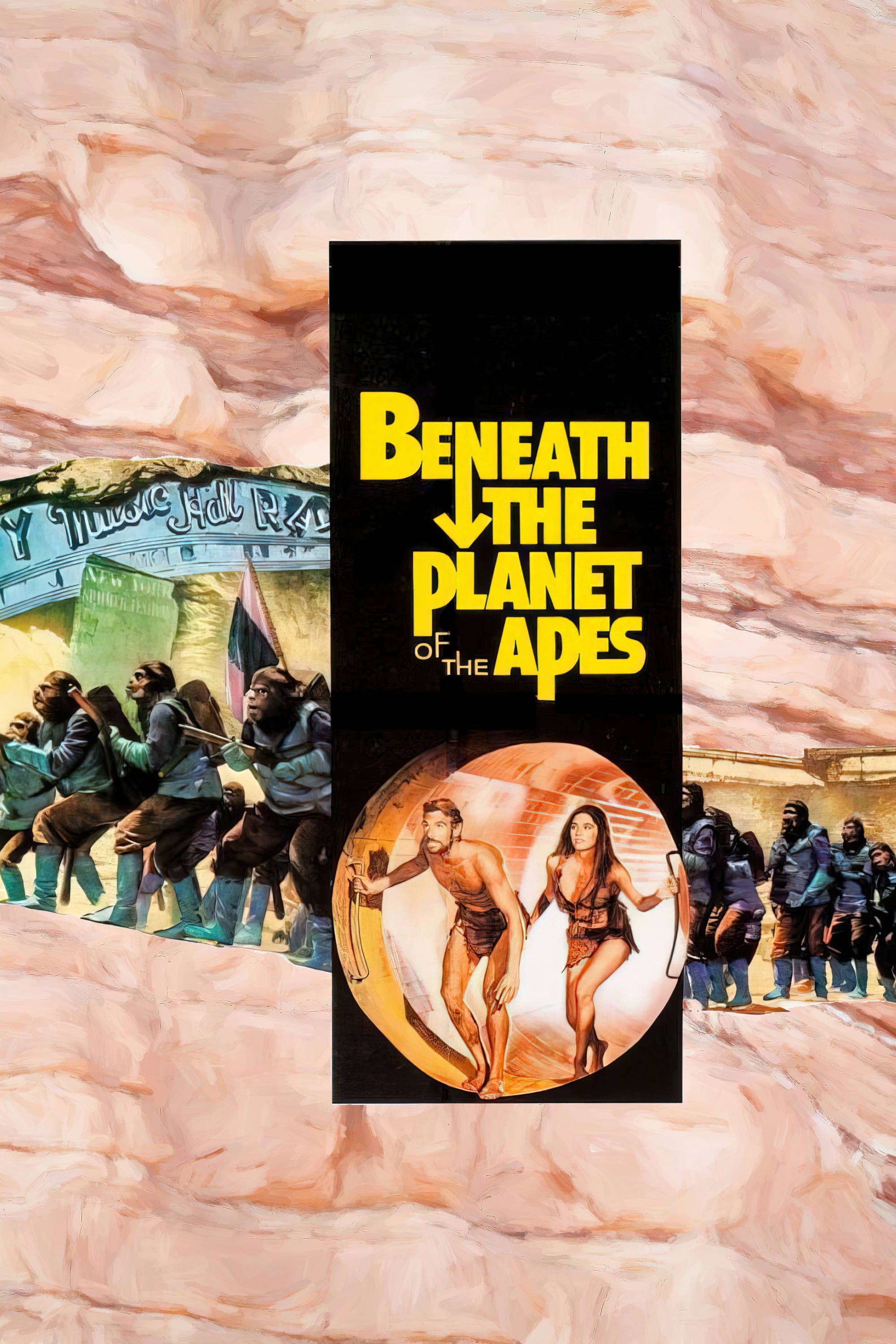
Beneath the Planet of the Apes
It is ambitious and bleak, but it follows the first film's route with a lesser lead in Brent. Taylor disappears through a rock wall and Roddy McDowall is absent. Ted Post's film is better than its reputation, but not by much.
- 8
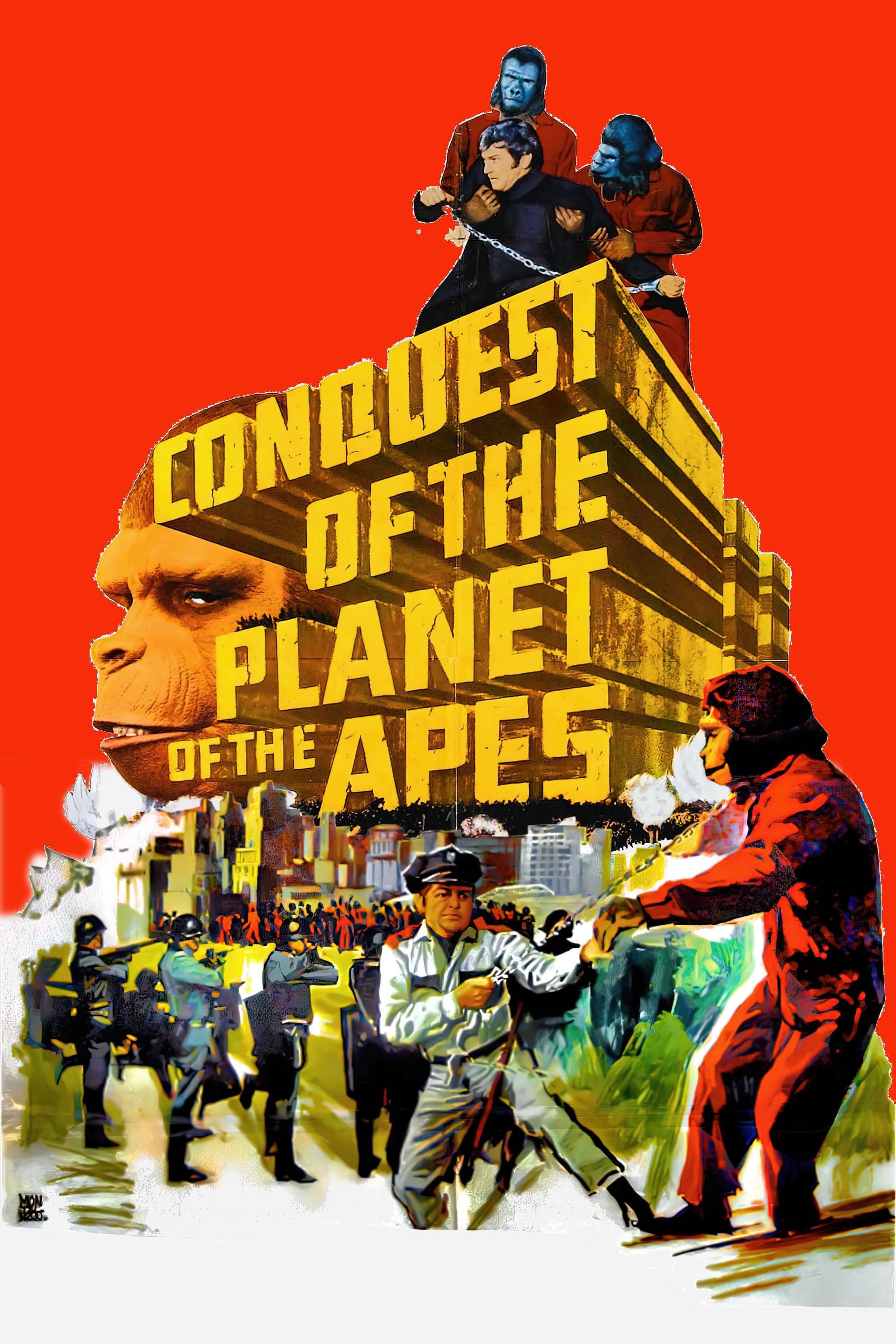
Conquest of the Planet of the Apes
Its ideas about ape slave labor are the sharpest of the original run, and Ricardo Montalban is a strong presence. The 88 minute film looks like it was made on $1.7 million. The politics outrun the production.
- 9
Planet of the Apes (2001)
Tim Burton's remake earned about $362 million worldwide, so it did not fail commercially. Tim Roth and Paul Giamatti give the apes more life than Mark Wahlberg's Leo gets. In my opinion, the story trades the original's slow reveal for a faster adventure.
- 10

Battle for the Planet of the Apes
Caesar as a lawgiver is a good idea, but the conflict feels small and cheap at $1.8 million. It has the lowest gross in the series at about $8.8 million. War for the Planet of the Apes delivers what this title promises.
Planet of the Apes Movies Ranked: How I Judged All Ten Films
I ranked the ten Planet of the Apes movies on three questions: does the film work as a story by itself, does it add something the saga needed, and does it still hold up on a rewatch? The order is my opinion, so treat it as an argument and not a ruling. Critic scores play no part, and box office appears only where it explains what the studio did next. That being said, some gaps between neighbors are small, and I would not fight hard over positions four to eight.
How are the ten films grouped? There are three runs. The first is the five original films, from Planet of the Apes (1968) to Battle for the Planet of the Apes (1973). The second is Tim Burton's Planet of the Apes (2001), a standalone remake that connects to nothing else. The third is the modern run from Rise of the Planet of the Apes (2011) to Kingdom of the Planet of the Apes (2024), which restarts the story with Caesar. I mix them in one list because that is how most people ask the question. If you would rather watch than rank, the planet of the apes movies in order guide gives release and chronological order, and the planet of the apes original vs reboot comparison covers how the two eras differ.
The Full Ranking, Best to Worst
- Planet of the Apes (1968)
- Dawn of the Planet of the Apes (2014)
- War for the Planet of the Apes (2017)
- Rise of the Planet of the Apes (2011)
- Escape from the Planet of the Apes (1971)
- Kingdom of the Planet of the Apes (2024)
- Beneath the Planet of the Apes (1970)
- Conquest of the Planet of the Apes (1972)
- Planet of the Apes (2001)
- Battle for the Planet of the Apes (1973)
How many films are being ranked? Ten theatrical films: nine in the main saga and the 2001 remake as a spin-off. Shorts and television are left out. The full set is covered in all planet of the apes movies.
1. Planet of the Apes (1968): Still the Standard
Planet of the Apes (1968), directed by Franklin J. Schaffner, is first because it builds an entire society from a crash landing and never lets the audience settle. Charlton Heston plays George Taylor, an astronaut whose instruments suggest about two thousand years have passed on Earth. Roddy McDowall as Cornelius, Kim Hunter as Zira and Maurice Evans as Dr. Zaius give the ape side real character, and Jerry Goldsmith's score keeps the strangeness alive. The gorillas on horseback who raid the humans in the first act are, in my opinion, still the most frightening set piece in the series. It cost $5.8 million and earned about $32.6 million worldwide. Later films keep borrowing from it, and Kingdom of the Planet of the Apes even nods to its human hunt.
2. Dawn of the Planet of the Apes (2014): The Best Modern Film
Dawn of the Planet of the Apes, directed by Matt Reeves, takes second place because it gives both sides a fair argument. Ten years after the virus, Caesar (Andy Serkis) leads the apes outside San Francisco, and Malcolm (Jason Clarke) asks to repair a dam on the condition that the humans give up their guns. Toby Kebbell's Koba and Gary Oldman's Dreyfus supply the pressure from each side, and neither is a cartoon. It cost $170 million and earned about $711 million worldwide, the highest total in the series. It is also the film I would hand to a skeptic first.
3. War for the Planet of the Apes (2017): The Most Personal
War for the Planet of the Apes, also directed by Matt Reeves, is the most emotional film in the series, and it narrowly loses to Dawn in my ranking. A human military unit hunts the colony, a raid takes a terrible toll on Caesar's family, and he goes after Woody Harrelson's Colonel with a few trusted friends. Steve Zahn's Bad Ape brings welcome relief, and Amiah Miller's Nova brings quiet. The crew shot motion capture on location in British Columbia and recalibrated it for cold weather, which gives the snow scenes a physical weight that studio capture rarely manages. At 140 minutes it is slower than Dawn, and in my opinion that is the only reason it sits third.
4. Rise of the Planet of the Apes (2011): The Origin Story That Worked
Rise of the Planet of the Apes, directed by Rupert Wyatt, proved the reboot could carry real feeling. Will Rodman (James Franco) tests ALZ-112 on chimpanzees, and the baby of the test subject Bright Eyes grows up as Caesar. Andy Serkis plays him, Weta handled about 1,000 effects shots, and the production built a 300 foot Golden Gate Bridge set. Wyatt chose motion capture over ape suits, and that choice defined the next three films. The human cast is thinner than the apes, which is the main reason it sits fourth. It cost $93 million and earned about $482 million worldwide, according to Box Office Mojo.
5. Escape from the Planet of the Apes (1971): The Smartest Sequel
Escape from the Planet of the Apes, directed by Don Taylor, is the only original sequel that changes the question the series asks. Cornelius, Zira and Dr. Milo repair Taylor's spaceship and land in 1973 Los Angeles, where the zoo scientists Stephanie Branton and Lewis Dixon study them. Sal Mineo, Bradford Dillman and Eric Braeden fill out a strong cast, and Jerry Goldsmith returns to score it. The first half plays as a comedy about apes in a modern city, and the second half turns bitter. It cost $2.5 million and earned about $12.3 million. I think it is better than Kingdom, though that is a close call.
6. Kingdom of the Planet of the Apes (2024): A Good Start to a New Saga
Kingdom of the Planet of the Apes, directed by Wes Ball, is the latest film and the longest at 145 minutes. Many generations after Caesar, the young chimpanzee Noa (Owen Teague) sets out to rescue his clan from raiders led by Sylva, and meets the orangutan Raka (Peter Macon) along the way. Kevin Durand's Proximus Caesar and Freya Allan's Nova/Mae widen the world, and John Paesano's score nods to the Goldsmith and Giacchino scores before it. It cost $160 million and earned about $397 million. The film spends much of its time setting up what comes next, so it ranks sixth for now. The next Apes film has no release date yet.
7. Beneath the Planet of the Apes (1970): Ambitious but Familiar
Beneath the Planet of the Apes, directed by Ted Post, places a new astronaut, Brent (James Franciscus), in Taylor's footsteps. Taylor disappears through a rock wall, and Heston is billed only fourth. Roddy McDowall does not appear, and David Watson plays Cornelius. The budget was $3 million, the film reused sets from the first picture, and Leonard Rosenman wrote the score. It has real nerve in its later stretch, and it carries a UK 15 certificate. Even so, it follows the first film's route with a lesser lead, which is why it lands seventh.
8. Conquest of the Planet of the Apes (1972): Sharp Politics, Tight Money
Conquest of the Planet of the Apes, directed by J. Lee Thompson, is the bleakest of the original five. In 1991, after a plague kills all dogs and cats, apes become pets and then slave labor, and Caesar (Roddy McDowall) is hidden by the circus owner Armando (Ricardo Montalban). The film runs only 88 minutes, it cost $1.7 million, and its ending was reworked after a preview in Phoenix. The ideas are the sharpest in the original run, but the look is the cheapest, which holds it at eighth.
9. Planet of the Apes (2001): A Big Swing, Not a Disaster
Planet of the Apes (2001), directed by Tim Burton, is a standalone remake and ranks ninth. Mark Wahlberg plays the pilot Leo Davidson, and Tim Roth, Helena Bonham Carter, Michael Clarke Duncan and Paul Giamatti play the apes with more life than the lead gets. Danny Elfman wrote the score. It cost $100 million and earned about $362 million worldwide, so the film did not fail commercially. In my opinion, it traded the 1968 film's slow reveal for a faster adventure and gave Leo little beyond the running.
10. Battle for the Planet of the Apes (1973): The Weakest Link
Battle for the Planet of the Apes, directed by J. Lee Thompson, closes the original saga and sits last. Caesar (Roddy McDowall) rules a village where apes and humans live together, and Claude Akins's gorilla general Aldo resents the peace. Lew Ayres and Paul Williams add some dignity. It cost $1.8 million, and its $8.8 million gross is the lowest in the series. The idea of apes and humans sharing one village is good, but the battle itself feels small, and War for the Planet of the Apes delivers on that title far better.
Where the Ranking Goes Next
No new Apes film has a release date yet. TheWrap reported on May 6, 2026 that 20th Century Studios has Matt Shakman directing an untitled Apes film, with Josh Friedman writing. It is described as a new original story, not a sequel to Kingdom of the Planet of the Apes. I will slot it into the list once it is released. Until then, if you are new to the series, start with the 1968 film, then watch Dawn, and then go back to Rise to see how Caesar began.
FAQs
How many Planet of the Apes films are in order?
There are ten theatrical films in the series: nine in the main saga and Tim Burton's 2001 remake as a standalone. In release order they run Planet of the Apes (1968), Beneath the Planet of the Apes (1970), Escape from the Planet of the Apes (1971), Conquest of the Planet of the Apes (1972), Battle for the Planet of the Apes (1973), Planet of the Apes (2001), Rise of the Planet of the Apes (2011), Dawn of the Planet of the Apes (2014), War for the Planet of the Apes (2017) and Kingdom of the Planet of the Apes (2024). In story order, Rise comes first and the 2001 film is placed last as a standalone.
Why did Planet of the Apes (2001) fail?
It did not fail at the box office: Box Office Mojo lists about $362 million worldwide on a $100 million budget. The disappointment is about the story, and that is my opinion. The film trades the 1968 original's slow reveal for a faster adventure, and its hero, Leo Davidson, has less to do than the apes around him. It is a standalone, and the series restarted with Rise of the Planet of the Apes in 2011.
Is Planet of the Apes (1968) a scary movie?
It is not a horror film, but it can be tense and unsettling. The 1968 film was certified G in the US and PG in the UK, and the modern films are PG-13 in the US and 12A in the UK. Beneath the Planet of the Apes and Conquest of the Planet of the Apes carry a UK 15. In my opinion, the gorilla raid in the first act of the 1968 film is the most frightening scene in the series.
What is the #1 greatest movie of all time?
There is no single agreed answer, because every list depends on who votes and what they value. Within this series, my pick for the best film is Planet of the Apes (1968), directed by Franklin J. Schaffner and starring Charlton Heston. That is an opinion about one franchise, not a claim about every film ever made.
Which is the best Planet of the Apes movie?
In my opinion, the best movie in the series is Planet of the Apes (1968). Dawn of the Planet of the Apes is second and War for the Planet of the Apes is third, so the modern run has the strongest middle of the list. Among the original sequels, I rank Escape from the Planet of the Apes highest.
Which is the worst Planet of the Apes movie?
I rank Battle for the Planet of the Apes (1973) last. It has the lowest gross in the series at about $8.8 million, and I find its conflict too small for the title. Tim Burton's Planet of the Apes (2001) ranks ninth, so it is not the worst by my list.