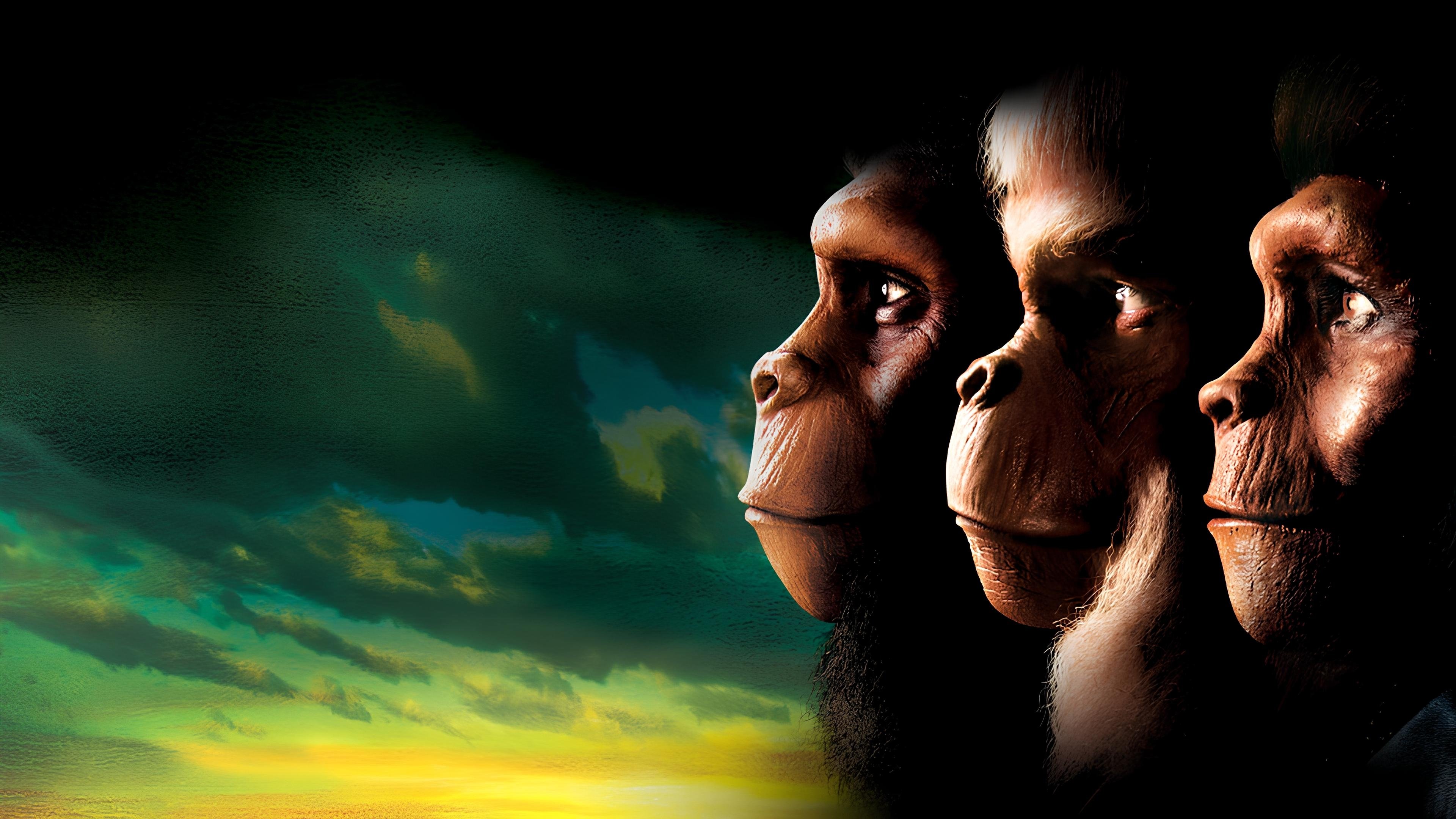
Still from Planet of the Apes (1968)
Film 1 of 9 · by Priya Nair

Planet of the Apes 1968: Cast, Plot and Ending Explained

Planet of the Apes (1968) is the science fiction film directed by Franklin J. Schaffner that started the Planet of the Apes series, released in the US on February 8, 1968, and running 112 minutes. It stars Charlton Heston as the astronaut George Taylor, who lands on a planet ruled by intelligent apes, and it sits fifth in chronological order even though it came first in release order.

Image: TMDB
Planet of the Apes (1968) theatrical poster
US release
February 8, 1968
Runtime
1h 52m
Rating
G / PG
Director
Franklin J. Schaffner
Budget
$6 million
Worldwide
$33 million

What Is Planet of the Apes (1968) About?

Planet of the Apes (1968), directed by Franklin J. Schaffner, follows a crew of astronauts who crash land on a planet where apes are the dominant, speaking species and humans are mute animals. After a long space journey, the ship ends up in a lake on an unknown world, and the crew's instruments suggest about two thousand years have passed on Earth. One crew member is already dead, so George Taylor, Landon and Dodge set out across a barren desert.

They soon find a lush area where primitive humans live without speech. Then armed gorillas on horseback raid the area, killing and capturing people. Taylor is shot in the throat and taken to a city run by intelligent, talking apes. That is where the film turns from a survival story into an argument about who gets to be called intelligent, and it is a setup the rest of the series keeps returning to.

Planet of the Apes 1968 Cast and Characters

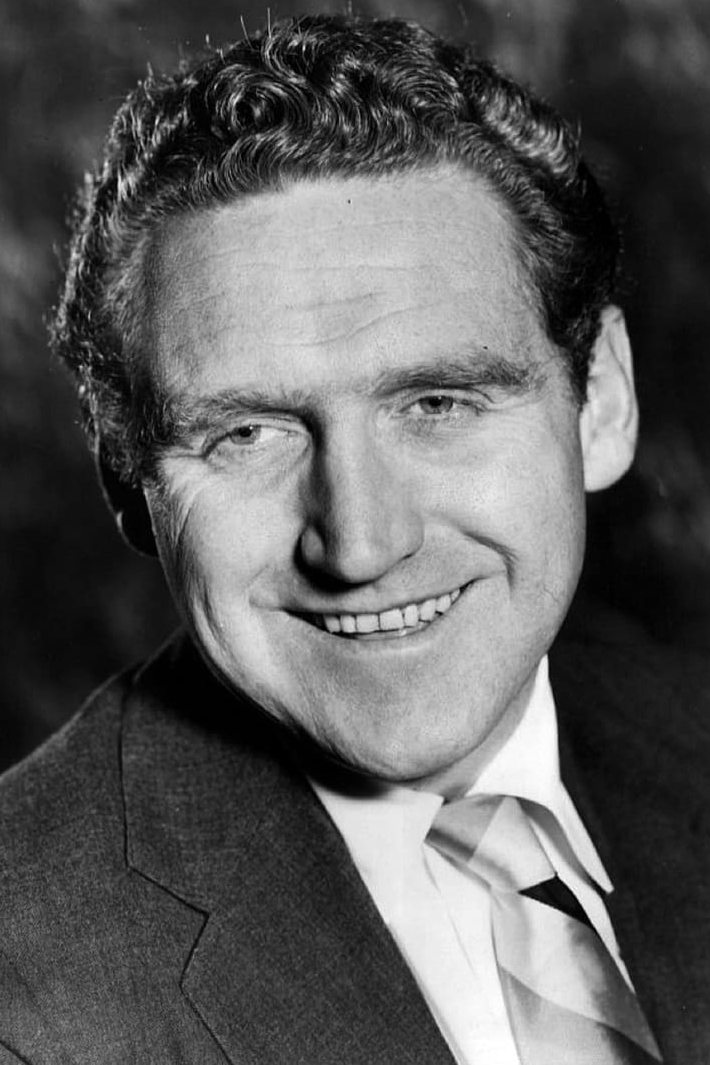
Planet of the Apes cast

More of the cast: Felix Silla (Child Gorilla (uncredited)), Norman Burton (Hunt Leader), Army Archerd (Gorilla (uncredited)), James Bacon (Ape (uncredited)).

Planet of the Apes Stills

Release Dates

MarketDateSource
USFebruary 8, 1968reportedboxofficemojo.com
UKApril 19, 1968reportedthemoviedb.org
AUTBCNot yet sourced

Where to Watch Planet of the Apes

MarketSubscriptionRent or buy
USPhilo (Free with ads)Amazon Video, Apple TV Store, Google Play Movies, YouTube, Fandango At Home
UKDisney PlusApple TV Store, Rakuten TV, Amazon Video, Sky Store, YouTube
AUDisney PlusApple TV Store, Amazon Video, YouTube

Streaming availability data from JustWatch, checked 2026-11-03.

Who Directed and Wrote Planet of the Apes (1968)?

DirectorFranklin J. Schaffner
WritersRod Serling, Michael Wilson
ProducersArthur P. Jacobs
MusicJerry Goldsmith
CinematographyLeon Shamroy

Box Office

Budget$6 million
Domestic (US and Canada)$33 million
International$0 million
Worldwide$33 million
Worldwide, in September 2026 dollars$316 million

Planet of the Apes box office for every film.

Planet of the Apes (1968) Soundtrack and Score

Jerry Goldsmith composed the score for Planet of the Apes (1968), and the album "Planet of the Apes" was released by Project 3 Records in 1968 with 10 tracks. It is a score album, so it presents the film's orchestral music rather than a collection of songs.

No featured songs are credited for the film. As such, the music identity of the picture rests entirely on Goldsmith's work, and the album is the one place to hear it on its own. That is a useful fact if you are searching for a song from the film, because there is no song to find.

The saga changed composers often after this opening film. Goldsmith returned for Escape from the Planet of the Apes, while Leonard Rosenman scored Beneath the Planet of the Apes and Tom Scott scored Conquest of the Planet of the Apes. It could be argued that Goldsmith's work gave the series its first musical signature, which the later films either echoed or moved away from.

For every composer in the series, from the original run to the modern films, see the Planet of the Apes soundtrack page on Cinvibe.

Planet of the Apes album cover

Planet of the Apes

Score album · Project 3 Records · 1968 · 10 tracks

Cover art via Deezer

Full tracklist

  1. 1Main Title · Jerry Goldsmith2:09
  2. 2The Revelation · Jerry Goldsmith1:33
  3. 3The Clothes Snatchers · Jerry Goldsmith2:36
  4. 4New Identity · Jerry Goldsmith2:04
  5. 5The Forbidden Zone · Jerry Goldsmith2:50
  6. 6The Search · Jerry Goldsmith4:51
  7. 7The Cave · Jerry Goldsmith1:17
  8. 8A Bid for Freedom · Jerry Goldsmith1:16
  9. 9A New Mate · Jerry Goldsmith1:04
  10. 10No Escape · Jerry Goldsmith5:14

Sources: musicbrainz.org, themoviedb.org

Planet of the Apes soundtrack

Planet of the Apes 1968 Plot: Full StorySpoilers

The full plot of Planet of the Apes (1968) runs from a desert hunt to a beach. Taylor, Landon and Dodge trek across the desert and meet the mute humans, and the gorillas then hunt everyone down. Dodge is killed, Landon is captured, and Taylor is wounded in the throat and loses his voice for a time.

In Ape City, the chimpanzee scientists Zira and Cornelius treat Taylor and come to suspect that he is intelligent. The orangutan leader Dr. Zaius sees Taylor as a threat to ape society and its beliefs. Taylor escapes briefly, regains his voice, and speaks in front of the apes. At a hearing he learns that Landon has been lobotomized.

With help from Zira, Cornelius and Lucius, Taylor and a mute woman named Nova flee into the Forbidden Zone. Zaius follows with soldiers, and Taylor holds him at gunpoint. Zaius shows him a cave with evidence of an older human civilization, admits he has long known the truth, and destroys the evidence. He lets Taylor and Nova go on, warning him not to look for answers. Taylor and Nova ride along the shoreline and find the ruined Statue of Liberty half buried in the sand. Taylor realizes he has been on Earth all along, destroyed by nuclear war, and falls to his knees in despair.

When and Where Did Planet of the Apes (1968) Premiere?

Planet of the Apes (1968) premiered on February 8, 1968, at the Capitol Theatre in New York City. That is also the date Box Office Mojo gives for its US release, and the UK release followed on April 19, 1968.

The film earned $32.6 million worldwide, according to Box Office Mojo, against a production budget of $5.8 million. Virtually all of that came from the domestic market, with only $9,865 recorded internationally. For how that compares with the rest of the saga, see the Planet of the Apes box office page. The US rating is G and the UK certificate is PG.

Planet of the Apes 1968 Ending ExplainedSpoilers

The Planet of the Apes 1968 ending reveals that the apes' planet is Earth in the far future, ruined by human war. Taylor and Nova ride along a beach after leaving Dr. Zaius behind, and they come upon the wreck of the Statue of Liberty, half buried in the sand. Taylor understands what the whole film has been hiding, and he collapses in rage and grief and curses humanity.

How does the reveal work? In my opinion, it works because the film plays fair. The astronauts' instruments already suggested about two thousand years had passed on Earth, and the crash landing in a lake gives no clue about the sky or the stars. Zaius had just shown Taylor a cave of evidence for an older human civilization and then destroyed it. Zaius admitting he has long known the truth means the apes' official history is a managed story, and his warning not to look for answers is the last piece. Taylor goes to find the answer anyway, and the answer is the beach.

It could be argued that the staging matters as much as the idea. Rod Serling's twist ending survived the rewrite by Michael Wilson that made the apes more primitive, which suggests the filmmakers treated the final image as the fixed point of the whole story. Serling's first script imagined an advanced ape society that was too expensive to build, so the cheaper, rougher ape village at Malibu Creek and the empty shoreline at Malibu did real narrative work: a quiet beach, a ride on horseback and one wide shot carry the reveal without any exposition.

The ending also changes how the earlier scenes read. Taylor's speech to the apes after he regains his voice, and the hearing where he learns that Landon has been lobotomized, are scenes about humans being denied a mind. Once the beach arrives, the film turns that argument back on Taylor's own species, since the apes did not ruin the planet and humans did. Zaius is cruel, but he is also the one character who has seen the proof and chosen to hide it.

The sequels then have to answer the questions the beach raises. Beneath the Planet of the Apes sends a second crew after Taylor, who vanishes through a rock wall with Nova left behind wearing his dog tags. Escape from the Planet of the Apes has Cornelius, Zira and Dr. Milo repair Taylor's ship and flee to 1973 Los Angeles, and Conquest of the Planet of the Apes opens in 1991 after a plague has killed dogs and cats and people have turned apes into pets and then slave labor. The modern run starting with Rise of the Planet of the Apes explains the fall differently, through a lab drug and Caesar, so the 1968 twist is the only version where a single image delivers the whole backstory. If you want the chronology in full, the Planet of the Apes timeline lays it out.

Is the film racist? That question comes up often, and I would answer it as opinion rather than fact. The apes sort themselves by species, with orangutans governing, chimpanzees working as scientists and gorillas acting as soldiers and hunters, and they treat mute humans as animals to be caged or killed. In my opinion the film uses that arrangement to put prejudice on screen and then condemns it, since the final image blames human violence and the apes' certainty about their own superiority is what sends Taylor into the Forbidden Zone. Perhaps a viewer will still read the allegory differently, and the film does not settle the argument for anyone.

Where Was Planet of the Apes (1968) Filmed?

Planet of the Apes (1968) was filmed in California, Utah and Arizona, between May 21 and August 10, 1967. The desert scenes were shot around Page, Arizona, and at Lake Powell and Glen Canyon on the Utah and Arizona border.

The ape village scenes were filmed at Malibu Creek State Park in California, on the Fox Ranch. The beach scenes, including the ride that leads to the ending, were shot in Malibu, California.

Planet of the Apes 1968 Trivia

Several details from the making of Planet of the Apes (1968) explain how the film ended up the way it did.

  • Producer Arthur P. Jacobs bought the rights to Pierre Boulle's novel before it was published in 1963.
  • A test scene shot on March 8, 1966, starred Charlton Heston as Taylor and Edward G. Robinson as Zaius. Robinson later dropped out, and Maurice Evans played the role in the finished film.
  • Rod Serling's first script had an advanced ape society, which was too expensive. Michael Wilson rewrote it with more primitive apes, and Serling's twist ending was kept.
  • Jacobs chose Franklin J. Schaffner as director on Heston's recommendation.
  • John Chambers designed the prosthetic ape makeup and received an honorary Academy Award for it.
  • The production budget was $5.8 million.
  • The film was added to the US National Film Registry in 2001.

For how the 1968 film compares with the modern run, see Planet of the Apes original vs reboot.

Facts

FAQs

What was the original Planet of the Apes?

The original Planet of the Apes is the 1968 film directed by Franklin J. Schaffner, starring Charlton Heston as the astronaut George Taylor, Roddy McDowall as Cornelius, Kim Hunter as Zira and Maurice Evans as Dr. Zaius. It was released in the US on February 8, 1968, and it began the five film original run that ends with Battle for the Planet of the Apes (1973). See all of the Planet of the Apes movies for the full list.

Is Planet of the Apes available on Netflix?

No, Netflix is not listed as a provider for Planet of the Apes (1968) in the US, the UK or Australia, according to JustWatch data via TMDB checked on November 3, 2026. In the US it streams free with ads on Philo and can be rented or bought on Amazon Video, Apple TV, Google Play Movies, YouTube and Fandango At Home. In the UK and Australia it is included with Disney Plus. Availability changes, so see where to watch Planet of the Apes for the current picture.

Is Planet of the Apes 2011 a reboot?

Rise of the Planet of the Apes (2011), directed by Rupert Wyatt, is listed as a main saga film that opens the modern run, which continues through Dawn of the Planet of the Apes, War for the Planet of the Apes and Kingdom of the Planet of the Apes. The standalone remake is Tim Burton's Planet of the Apes 2001, listed as a spin-off. In chronological order the modern films come first and Planet of the Apes (1968) is fifth. The Planet of the Apes movies in order guide sets out both orders.

Is Planet of the Apes considered racist?

There is no single verdict, and it is a matter of opinion. In my opinion the 1968 film shows prejudice in order to criticize it: the apes rank themselves by species, treat mute humans as animals, and are proved wrong about their own history when Taylor finds the ruined Statue of Liberty. The film is rated G in the US and PG in the UK. Other viewers may read its allegory differently.

Was there ever a Planet of the Apes TV show?

Planet of the Apes (1968) is a theatrical feature film, and the original run is five theatrical films, from this one to Battle for the Planet of the Apes (1973). Cinvibe covers the theatrical films, so any television series sits outside the film list on this site. The Planet of the Apes movies in order guide shows every film in the saga.

How does Planet of the Apes 1968 end?

Taylor and Nova ride along a beach and find the ruined Statue of Liberty half buried in the sand. Taylor realizes he has been on Earth all along, in a future ruined by nuclear war, and falls to his knees in despair. Zaius had already shown him and then destroyed the cave evidence of an older human civilization, which is why the reveal feels earned.