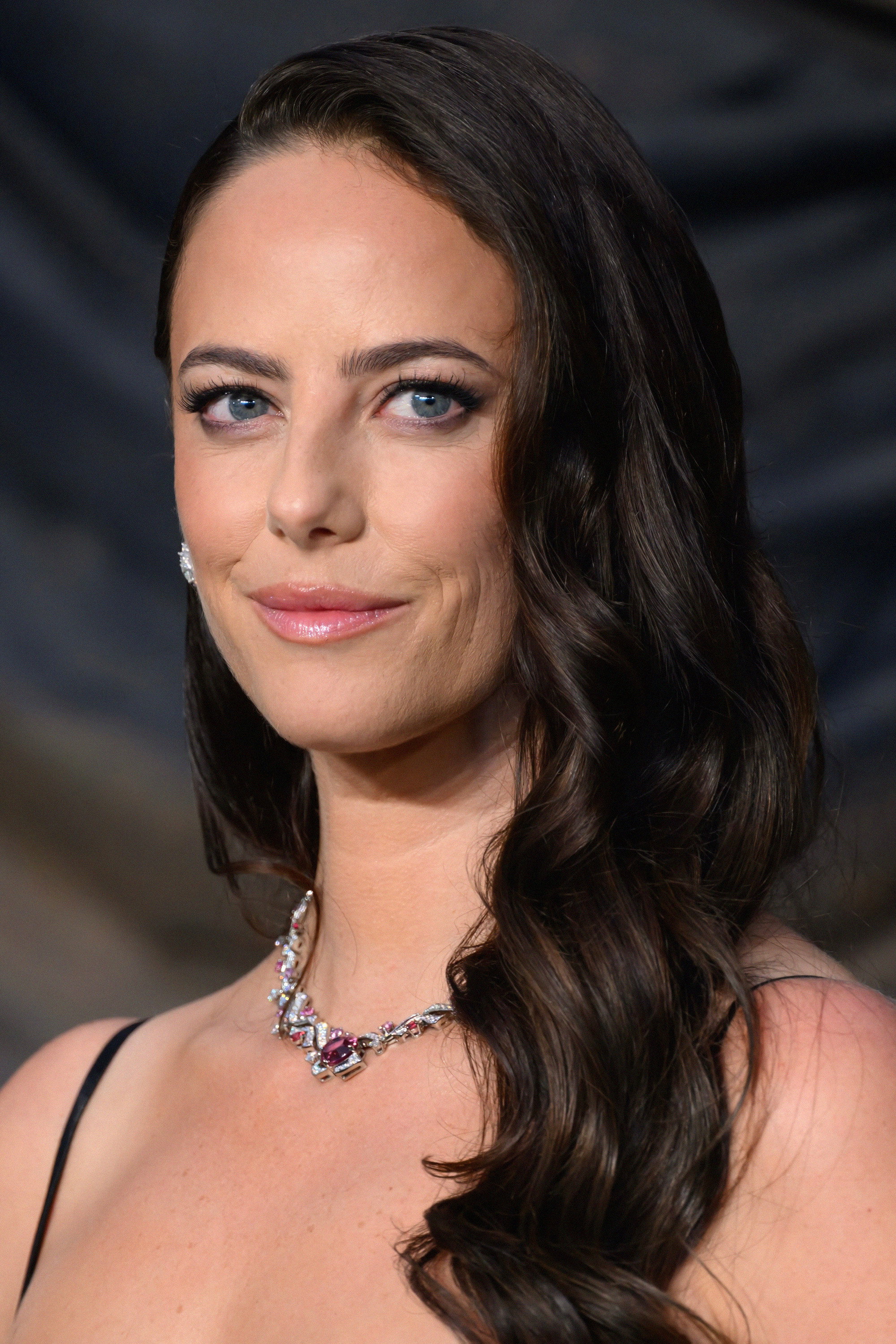
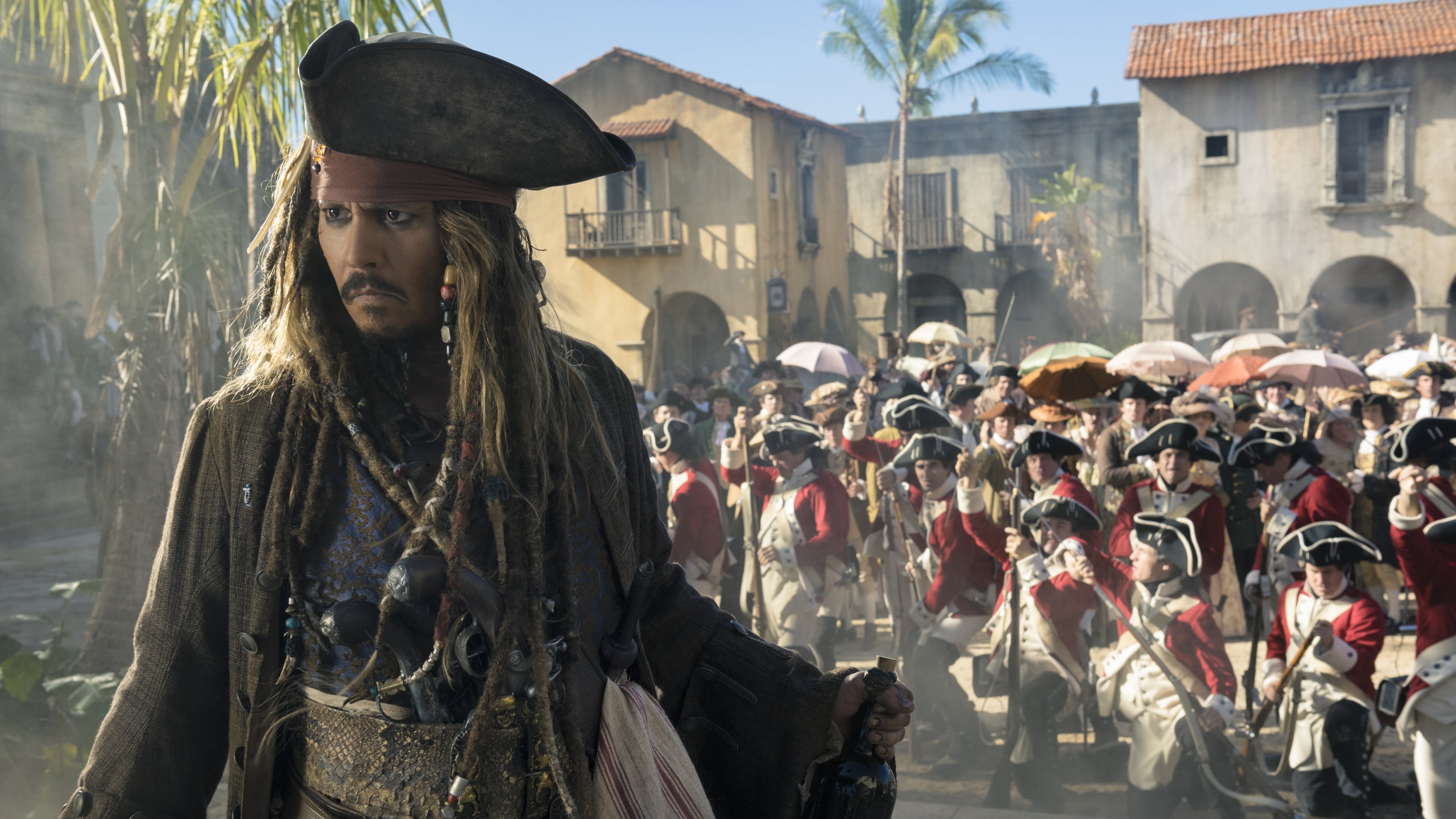
The ending turns on one sacrifice: Barbossa kills Salazar and dies doing it, and the destroyed Trident of Poseidon ends every sea curse. Carina Smyth recognizes Barbossa as her father by a star tattoo that matches her diary, which is the emotional hinge of the film.
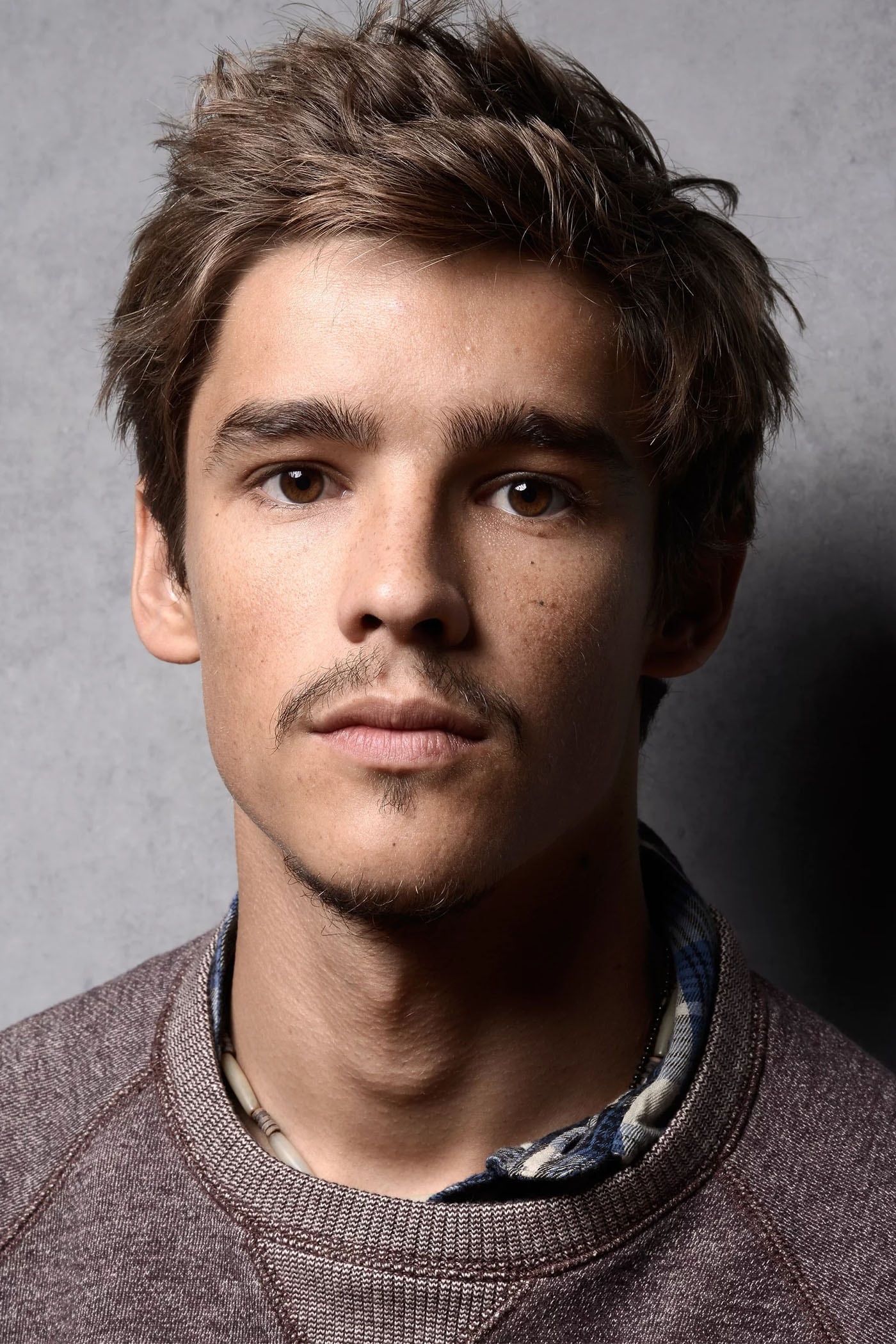
The sequence runs in a clear order. Using the island's magic, Carina, Henry and Jack part the sea and walk to the Trident, but Salazar takes control of Henry to seize it. Henry destroys the Trident instead, the curses lift, and the water starts to close back in while Salazar gives chase. Barbossa gives his life to kill Salazar so the others can get away, and Carina takes his name. Will Turner is freed and reunites with Elizabeth and Henry, Carina and Henry share a kiss at Port Royal, and Jack takes command of the Black Pearl again.
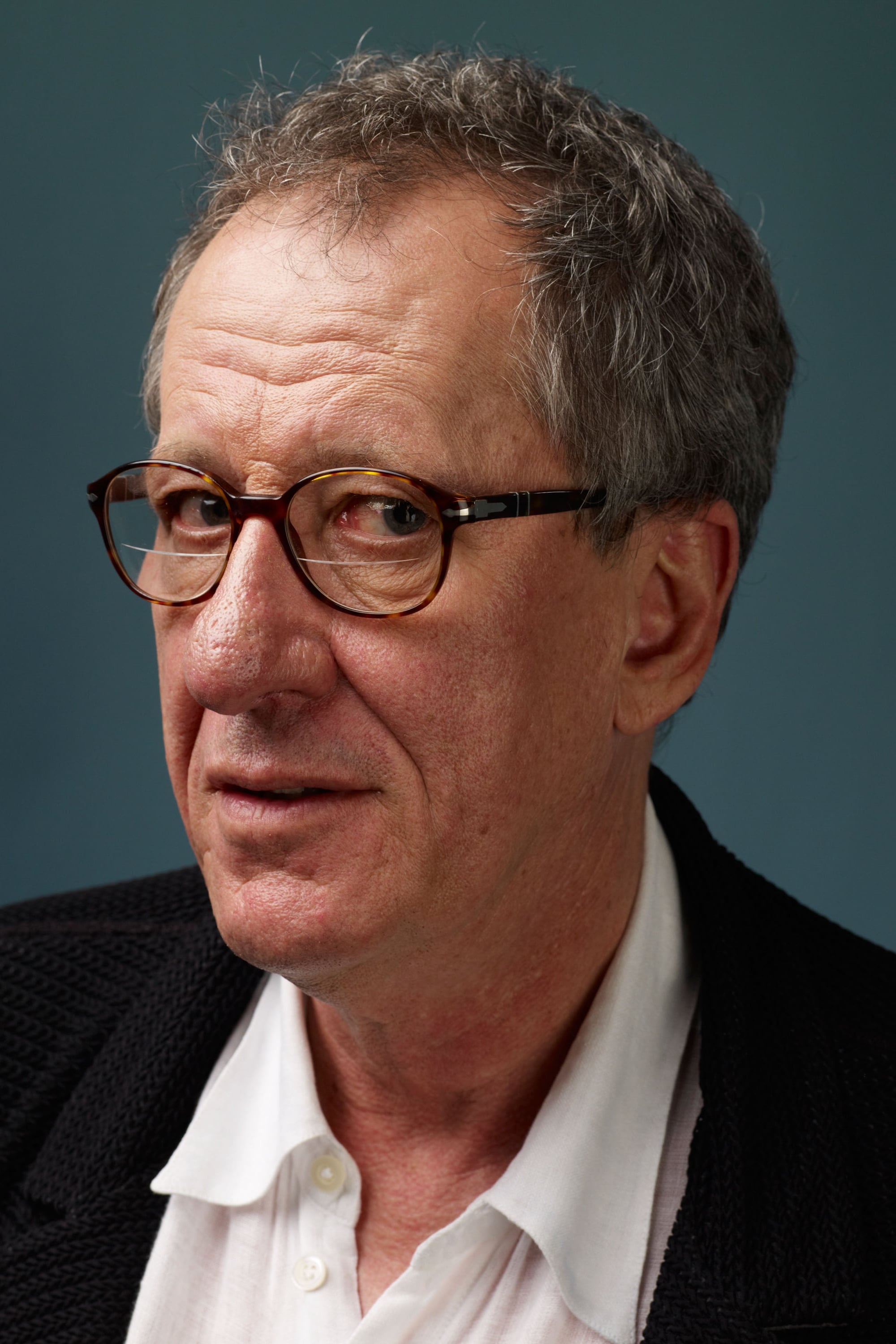
Why does Barbossa's death land the way it does? In my opinion, it is the best use of the character since Geoffrey Rush played him as the cursed villain of the first film, Pirates of the Caribbean: The Curse of the Black Pearl (2003). Back then he wanted the curse lifted for himself. Here he spends his life on a daughter he did not know he had, and it helps that the film earlier has him sell Jack out to Salazar, then switch sides and help free the shrunken Black Pearl. A hero who has already betrayed the others twice makes a sacrifice that reads as earned rather than convenient.
The Trident plot also does something no earlier film attempted. The first four chapters each used a fresh supernatural rule: the Aztec gold curse, Davy Jones and the Flying Dutchman, the Brethren Court, the Fountain of Youth in On Stranger Tides (2011). Dead Men Tell No Tales ends by switching off all of them at once. It could be argued that this makes the film a farewell, because the curse that bound Will to the Dutchman in Dead Man's Chest and At World's End now has nothing to hold it. Perhaps that is why the story closes on a family reunion instead of a new quest.
The production backs up that reading. Directors Espen Sandberg and Joachim Rønning took over from Gore Verbinski and Rob Marshall, and the film was made in Queensland after the Australian government repurposed $20 million in tax incentives, according to the production record. The practical work shows in the villains: Javier Bardem's makeup took about three hours a day, and Orlando Bloom wore barnacle prosthetics as the cursed Will, a visual link back to the Dutchman crew from the earlier films. Those details give the ghost crew of the Silent Mary and the closing reunion some physical weight.
There is also a cost to the finale. Jack gets the Pearl back without ever really paying for the failed bank robbery or for trading his compass for a drink, which is what freed Salazar in the first place. That keeps the tone light, but it leaves the ending tidier than the first three films, where Jack's choices tended to cost him something.
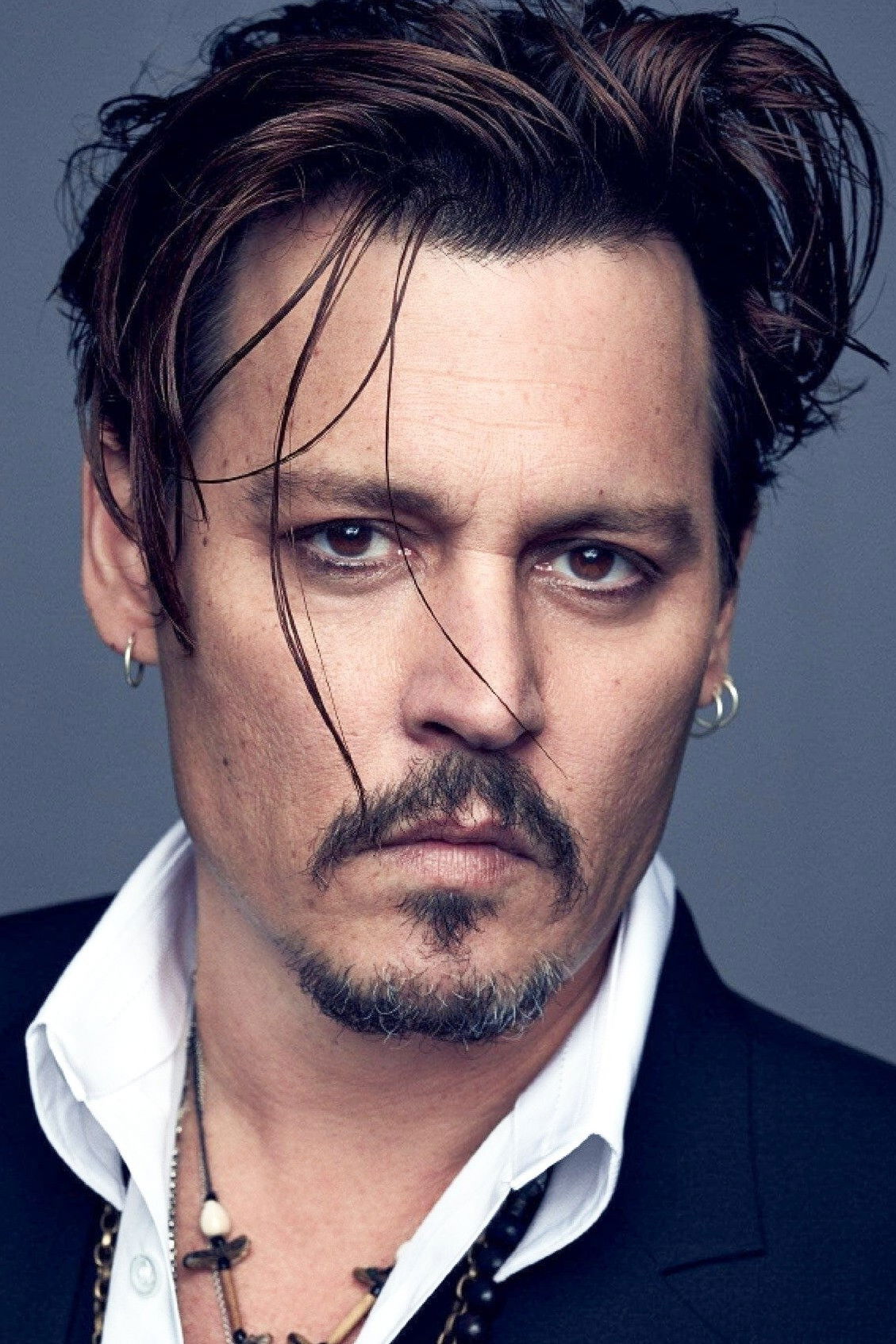
A final scene hints at more trouble to come, and the post credit scene shows what: the shadow of Davy Jones slips into the room where Will and Elizabeth sleep, and Will does not notice the barnacles by the bed. As for a sixth film, TheWrap reported on August 16, 2026 that producer Jerry Bruckheimer told Deadline at D23 that the team is talking with Johnny Depp and working on a screenplay. No cast or deal is confirmed and no release date has been announced. Follow pirates of the caribbean 6 for updates.