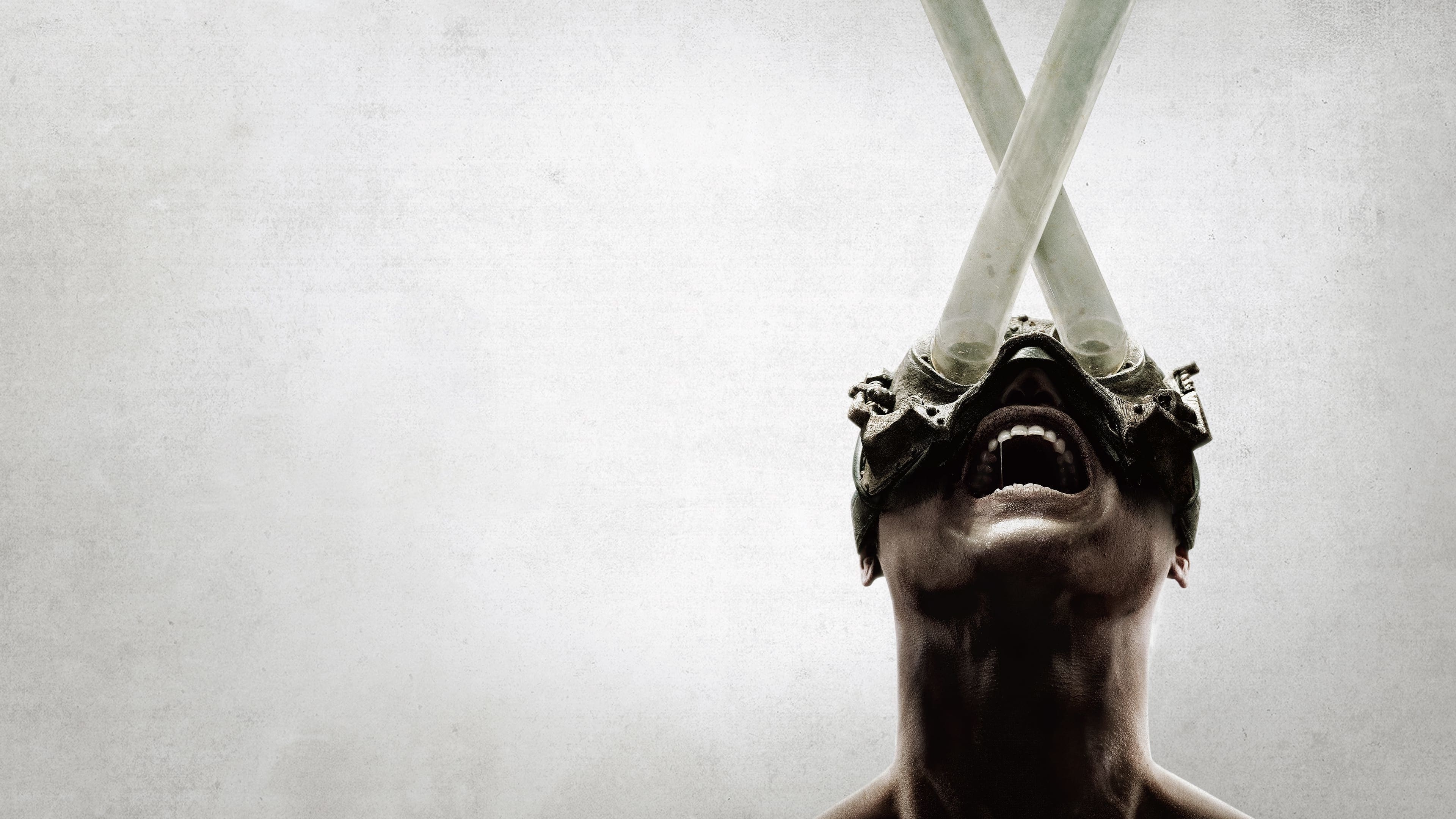
The Saw X ending shows John Kramer winning: he uses his own illness and Cecilia's greed to bring down the whole scam, and the closing scene opens a new game.
Parker dies in the gas room and Cecilia is left trapped there. The last scene shows Henry waking in a bathroom with a trap attached to his stomach, watched over by John and Mark Hoffman. Henry is the man who first sent John toward the clinic, so the film closes the loop on the person who pointed him there.
In my opinion, the best way to read the ending is as a callback. A bathroom with a trapped victim is how Saw (2004) begins, when Adam and Dr. Lawrence Gordon wake chained to pipes with a dead man between them, and a gas filled room is the setting of the house in Saw II, where eight people are locked in while John sits and talks with Detective Eric Matthews. Saw X borrows the series' two most recognizable spaces to remind you where in the story it sits. That placement matters, because the film is set between those two entries, and Henry's bathroom is the seed of the games that follow.
There is a quiet irony in the casting of the story, too. Saw (2004) gave us Gordon, an oncologist who is punished for his detachment, while Saw X gives us John as the cancer patient who is fooled by people posing as doctors. It could be argued that the film is also making a case for John. The people he punishes here are con artists who prey on the dying, which is a clearer target than in many earlier games. Saw VI aimed at William Easton, an insurance executive whose company denied medical coverage, and Saw 3D followed Bobby Dagen, an author who lied about surviving a trap. Saw X is the film where that moral logic finally has a personal stake for John himself.
That being said, Gabriela survives her trap and is killed anyway by Cecilia, and a child is chained into the final trap, so the film does not let John off entirely. The craft supports the tone. The effects were mostly practical, the filmmakers chose not to digitally de-age Tobin Bell and Shawnee Smith, and Nick Matthews used handheld camerawork with added grain to echo the look of the original. Kevin Greutert also edited the film, which, in my view, explains why the 118 minutes feel built around John's point of view rather than the traps. Producers Mark Burg and Oren Koules have described developing the story first and designing the traps afterward, and the ending is where that method pays off: the final game exists because of the plot, not the other way around. For the full chain of events, see the Saw timeline explained page, and for the character, John Kramer.