
Lo'ak: Avatar Character, Actor, Family and Fate
Lo'ak is the son of Jake Sully and Neytiri, played by Britain Dalton in Avatar: The Way of Water (2022). He is the Sully child who befriends the outcast tulkun Payakan, and that friendship also shapes his part in Avatar: Fire and Ash (2025).
Who Plays Lo'ak?
- Britain Dalton1 film, 2022 to 2022
Who Is Lo'ak in Avatar?
Lo'ak is a young Na'vi of the Omatikaya clan and the son of Jake Sully and Neytiri. He is one of the central figures of Avatar: The Way of Water (2022), directed by James Cameron, where Britain Dalton plays him and is billed twelfth. The character is absent from Avatar (2009), so The Way of Water is where he starts. The credits also list a "Young Lo'ak" role.
His family is the heart of the later films. The Sully household is made up of sons Neteyam and Lo'ak, daughter Tuk and adopted daughter Kiri, with the human boy Spider, who grew up on Pandora, close to all of them. The story is set sixteen years after the Na'vi drove the humans off the moon, so he belongs to the generation that has only known a Pandora marked by that war. If you are new to the saga, the Avatar movies in order page explains where each film sits, and the full list of Avatar characters places him beside the rest of the ensemble.
What defines the character on screen is where he finds his place. When the family shelters with the Metkayina reef people, the Sully children clash with the local youths, and the son finds his companion in an outcast tulkun named Payakan, who was exiled by his own kind. As for the name itself, no studio or trade source gives a translation or an official pronunciation, so neither can be stated as fact.
Lo'ak Films

Lo'ak's Story Arc Across the FilmsSpoilers
Across two films, the Sully son moves from newcomer on a foreign reef to a voice that the tulkun and the Na'vi elders cannot ignore. In The Way of Water he arrives as a refugee: Jake is trying to keep Quaritch's recombinant away from the Omatikaya, and the reef home of Tonowari and Ronal, the Metkayina leaders, becomes the only safe shelter left. The Sully children are outsiders among the local youths, and this son finds his footing with Payakan, a tulkun cast out by his own kind.
The turn comes when Quaritch seizes a tulkun hunting ship and begins killing tulkun near Na'vi villages to draw Jake into the open. The children race to reach Payakan first, but the RDA catches them. Payakan strikes the ship, the battle starts, and Neteyam pulls his brother, Tsireya and Spider clear before being shot dead. Afterward Payakan and the grieving son haul Jake out of the sinking vessel, and Tonowari welcomes the Sullys into the clan.
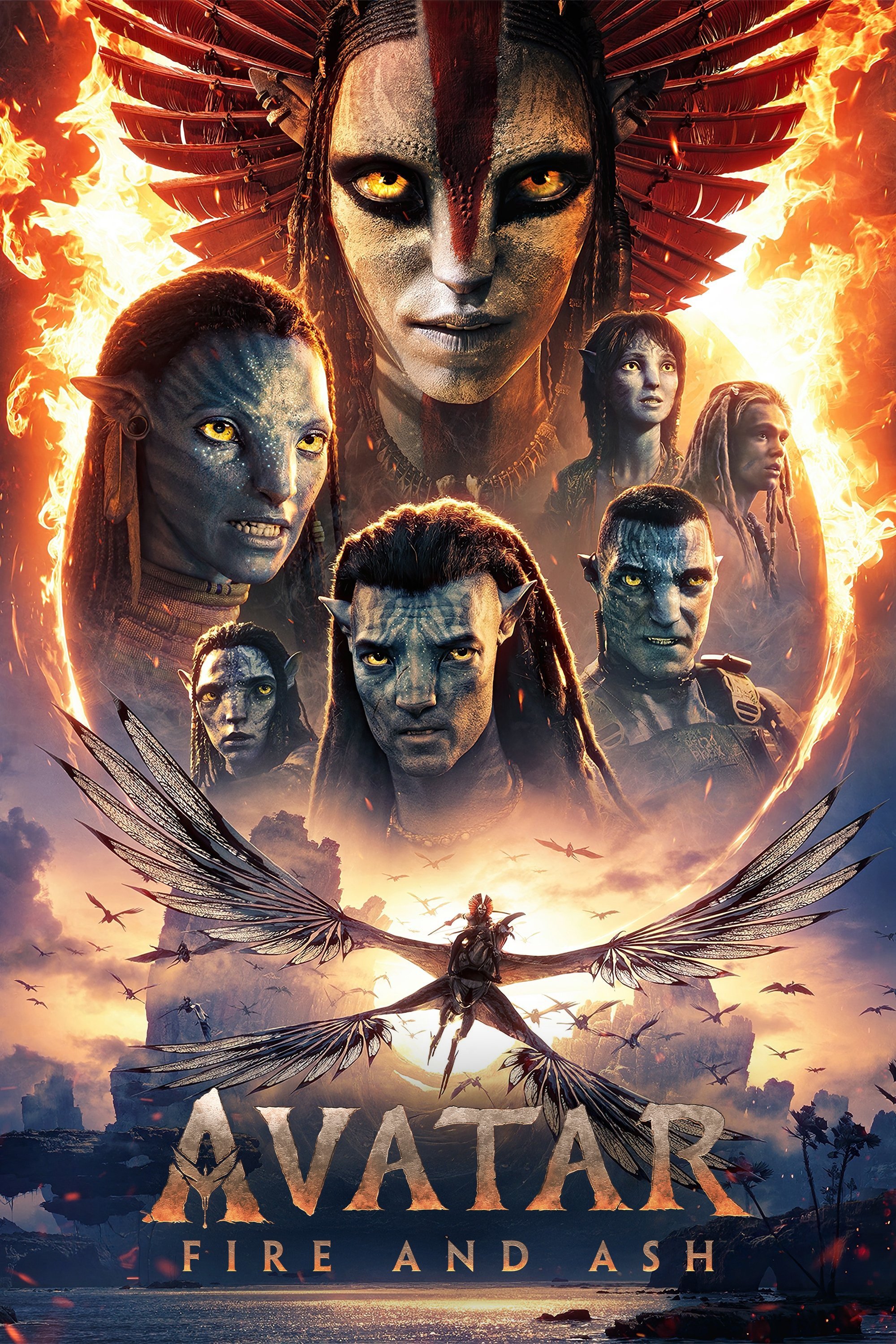
Fire and Ash picks him up still mourning. His task this time is persuasion rather than flight: he brings the injured Payakan and Ta'nok before the council, and the elders reconsider their pacifism. The tulkun then join the Na'vi in the ambush on the RDA fleet. In my opinion, that is the real shape of the arc, a boy who begins as the family's problem and ends as the person who builds an alliance. For the wider sequence of events, see the Avatar timeline.
Tsireya, Payakan and the Sully Family
His relationships are mostly family bonds plus one unusual friendship with a tulkun. His parents are Jake and Neytiri, his brother is Neteyam, his sister is Tuk, and his adopted sister is Kiri. Spider, the human boy raised on Pandora, is close to the Sully children, and the son is one of the three young people Neteyam rescues from the RDA ship alongside Spider and Tsireya.
Is Lo'ak in love with Tsireya? The film shows Neteyam saving the three together, and the plot records no romance between them. Questions about a girlfriend or a couple therefore rest on viewer interpretation rather than on a stated storyline.
The bond with Payakan matters most. Payakan was exiled by his own kind, and the Sully son is a newcomer among the reef youths, so the two meet as outsiders. In Fire and Ash that friendship becomes political, because he brings the injured Payakan and Ta'nok before the council. As for Jake, he is a father under pressure from Quaritch's hunt, who ends The Way of Water deciding that he must stand and fight rather than run. The plot records no scene of cruelty toward his son, so any reading of Jake as harsh is a matter of opinion. Quaritch ties the whole household together as a threat, and you can read more on him on the Quaritch page.
Does Lo'ak Die in Avatar?Spoilers
No, the character does not die in either film released so far. In The Way of Water he survives the battle with the RDA ship, and it is Neteyam who is shot dead while rescuing him. Payakan and the son then rescue Jake from the sinking ship, and the family mourns Neteyam at a funeral before Tonowari welcomes the Sullys into the Metkayina clan.
In Fire and Ash the deaths recorded in the plot belong to others: Ronal is wounded and dies in childbirth, and Quaritch throws himself off a floating rock after he and Jake cooperate to save Spider. The Sully son takes part in the battle through the tulkun alliance he helped to build, and no death is recorded for him. The ending leaves the Ash People, Varang and the RDA as ongoing threats, so the story stays open.
What comes next is unknown. Avatar 4 is reported for December 21, 2029, but the studio has not confirmed the date and the film is not in active production, according to reporting from WION and TheWrap. No source describes his part in it, and any claim about his future would be a guess.
Best Moments of Jake and Neytiri's Son
His best scenes are the ones where a younger Sully does what the adults have not managed. In my opinion, the strongest is the rescue of Jake from the sinking RDA ship at the end of The Way of Water. He and Payakan arrive together, and the exiled creature and the restless son pull Jake out. It pays off the friendship the film has been building, and it is a rare moment in which the child saves the father.
It could be argued that the council scene in Fire and Ash is the more important one, even if it is quieter. He brings the injured Payakan and Ta'nok before the elders, and they reconsider their pacifism, shortly before the tulkun and Na'vi ambush the RDA fleet. Compare that with Jake in Avatar (2009), who bonds with Toruk and unites the clans: father and son both win allies by going to outsiders, though the son does it in a smaller, more personal way.
Perhaps the most affecting scene is the failed attempt to warn Payakan in The Way of Water. The children try to reach the tulkun before the hunters do, and the RDA catches them instead, which sets off the battle and costs the family Neteyam. As such, the character's best moments are bound up with his worst loss, and that tension gives him more weight than a plain action role would.
Facts
- Lo'ak first appears in Avatar: The Way of Water, which was released in the US on December 16, 2022. D23 (The Walt Disney Company), checked 2026-11-03
- Britain Dalton plays Lo'ak in Avatar: The Way of Water, billed twelfth. TMDB, checked 2026-11-03
- Avatar: The Way of Water was directed by James Cameron and runs 192 minutes. TMDB, checked 2026-11-03
- Avatar: Fire and Ash was released in the US on December 19, 2025. The Numbers, checked 2026-11-03
- Avatar: Fire and Ash runs 198 minutes and was directed by James Cameron. TMDB, checked 2026-11-03
- Avatar 4 is reported for a US release on December 21, 2029, a date the studio has not confirmed. WION, checked 2026-11-03
FAQs
What is a Lo'ak?
Lo'ak is a young Na'vi character, the son of Jake Sully and Neytiri. He appears in Avatar: The Way of Water (2022), is part of the plot of Avatar: Fire and Ash (2025), and is best known for befriending the outcast tulkun Payakan.
Who plays Lo'ak?
Britain Dalton plays the role in Avatar: The Way of Water, where he is billed twelfth.
Is Lo'ak in love with Tsireya?
The plot of The Way of Water shows Neteyam rescuing the Sully son, Tsireya and Spider together, and it records no romance between the two. Any reading of them as a couple is viewer interpretation.
How old is Lo'ak?
No studio or trade source states his exact age. He is a child of Jake and Neytiri in The Way of Water, a story set sixteen years after the Na'vi drove the humans off Pandora.
What does Lo'ak mean in Avatar, and how is it pronounced?
No studio or trade source gives a translation of the name or an official pronunciation. In the films it is the name of the Sully family's son who befriends Payakan.
Why is Jake so mean to Lo'ak?
The plot records no scene of cruelty toward his son. Jake is a father under pressure from Quaritch's hunt, who decides after Neteyam's funeral that he must stand and fight rather than run. Whether his discipline seems harsh is a matter of opinion.