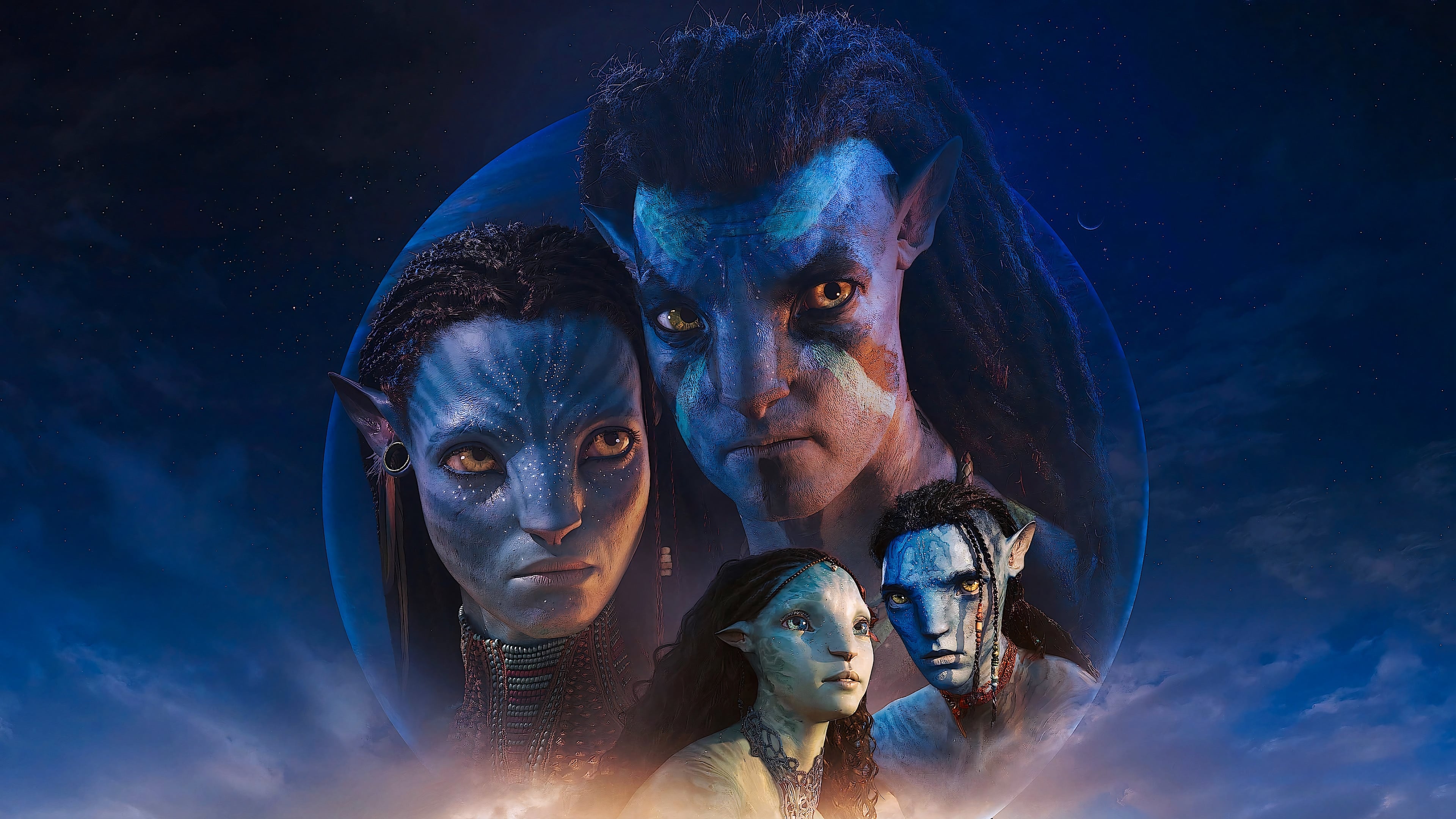
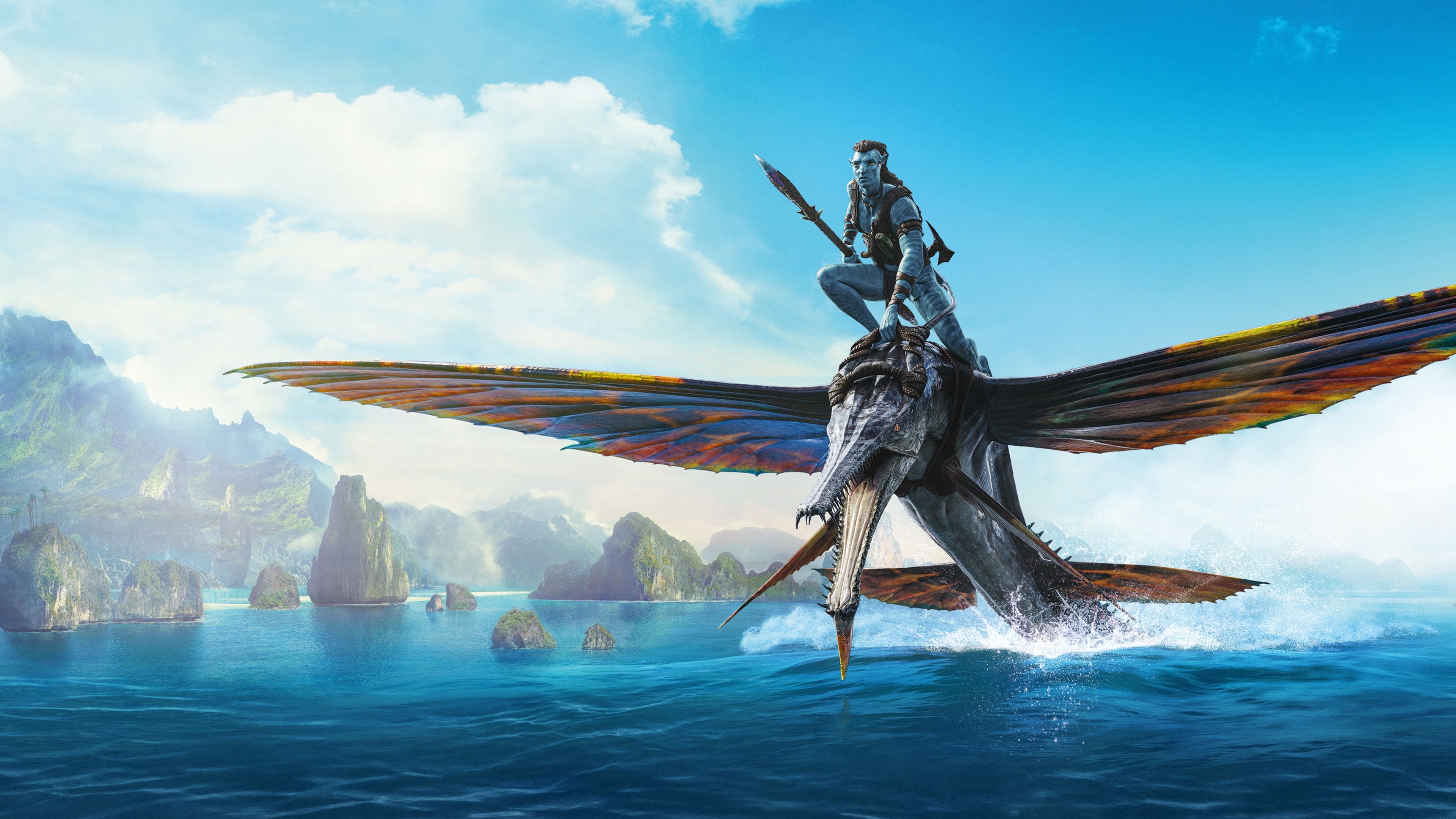
The ending of The Way of Water is a funeral followed by a decision: the Sullys lose Neteyam, and Jake concludes that he can no longer run. Jake had planned to leave the Metkayina to spare them further danger, but Tonowari instead declares the Sullys part of his clan and invites them to stay. In my opinion, that offer is the real turn of the film, because it answers the question the whole story has been asking, which is whether a family forced out of one home can belong in another.
The sea battle is where the film pays for that answer. Neteyam rescues Lo'ak, Tsireya and Spider and is shot dead during the escape, so the loss lands on the sibling who was rescued, and it explains why Lo'ak, the son who spent the film as the outsider, carries so much of the grief afterward. Jake then strangles Quaritch unconscious rather than finishing him, Lo'ak and Payakan pull Jake from the sinking ship, and Kiri saves Neytiri and Tuk. Every Sully is pulled out of the water by another member of the family or the tulkun, which is a tidy way of showing that the clan has become a unit.
Spider's choice is the quietest beat. He saves Quaritch from drowning but refuses to stay with him, and it could be argued that this is the most character defining decision in the film, since he picks the Sullys over the father who was only just revealed to him. It also keeps Quaritch alive, so the threat does not end. A recombinant carrying a dead soldier's memories has already come back once, and the film never suggests the villain is finished.
It helps to compare this with Avatar (2009). That film ended with the Na'vi driving the humans off Pandora, a victory that closes the story. The Way of Water ends on a loss and a resolve, which is the opposite shape, and Jake's closing line of thought, that he must stand and fight rather than run, is what turns a one film triumph into a saga. The sequel was shot at the same time as Avatar: Fire and Ash, according to Wikipedia alongside Disney's production material, so I read this ending as a bridge written with the next film in view. Fire and Ash opens with the family still grieving Neteyam while Spider is sent toward the human scientists on a Wind Trader convoy, and that is exactly the open wound this ending leaves.
There is a production angle too. The tank at Manhattan Beach Studios held more than 250,000 gallons and the cast worked on a single breath, with roughly 2.5 to 3 minutes of underwater performance time per take, according to MovieMaker. A finale built around a sinking ship and characters held under the surface sits squarely in the territory that shoot was designed for. Perhaps the fairest way to read the whole ending is as a pivot from a film about escape to a saga about resistance. For the order of events across all three films, see the avatar timeline.