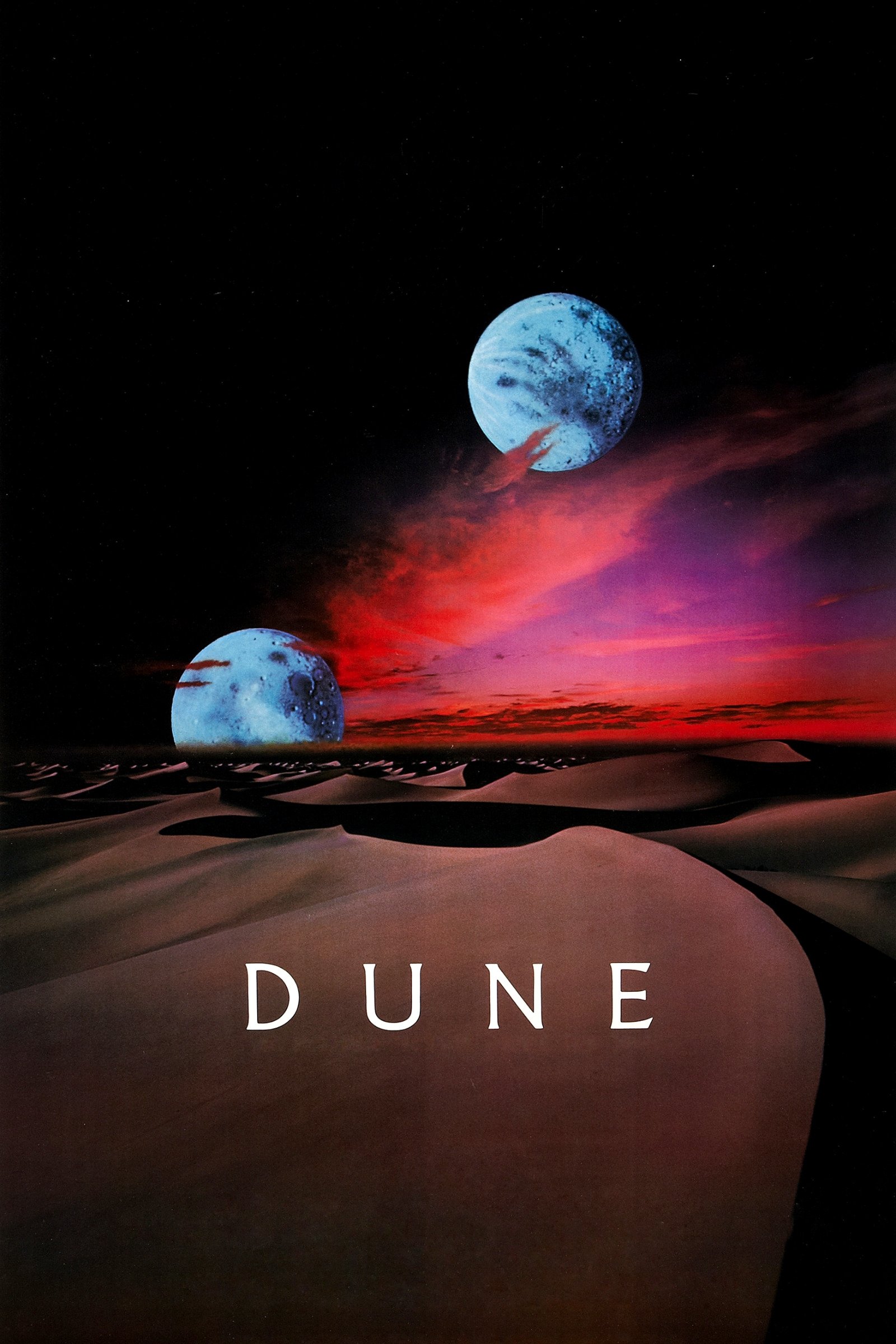
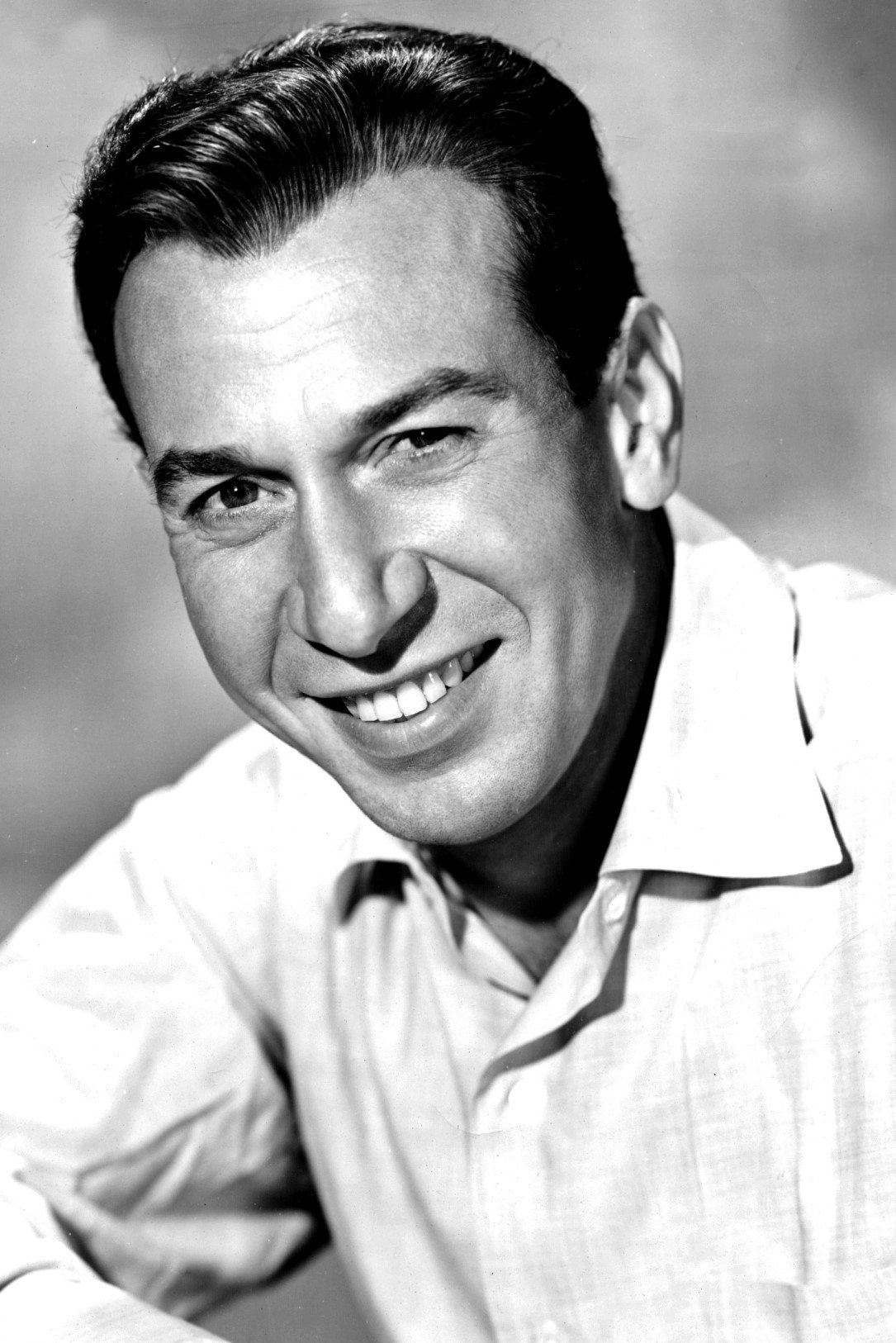
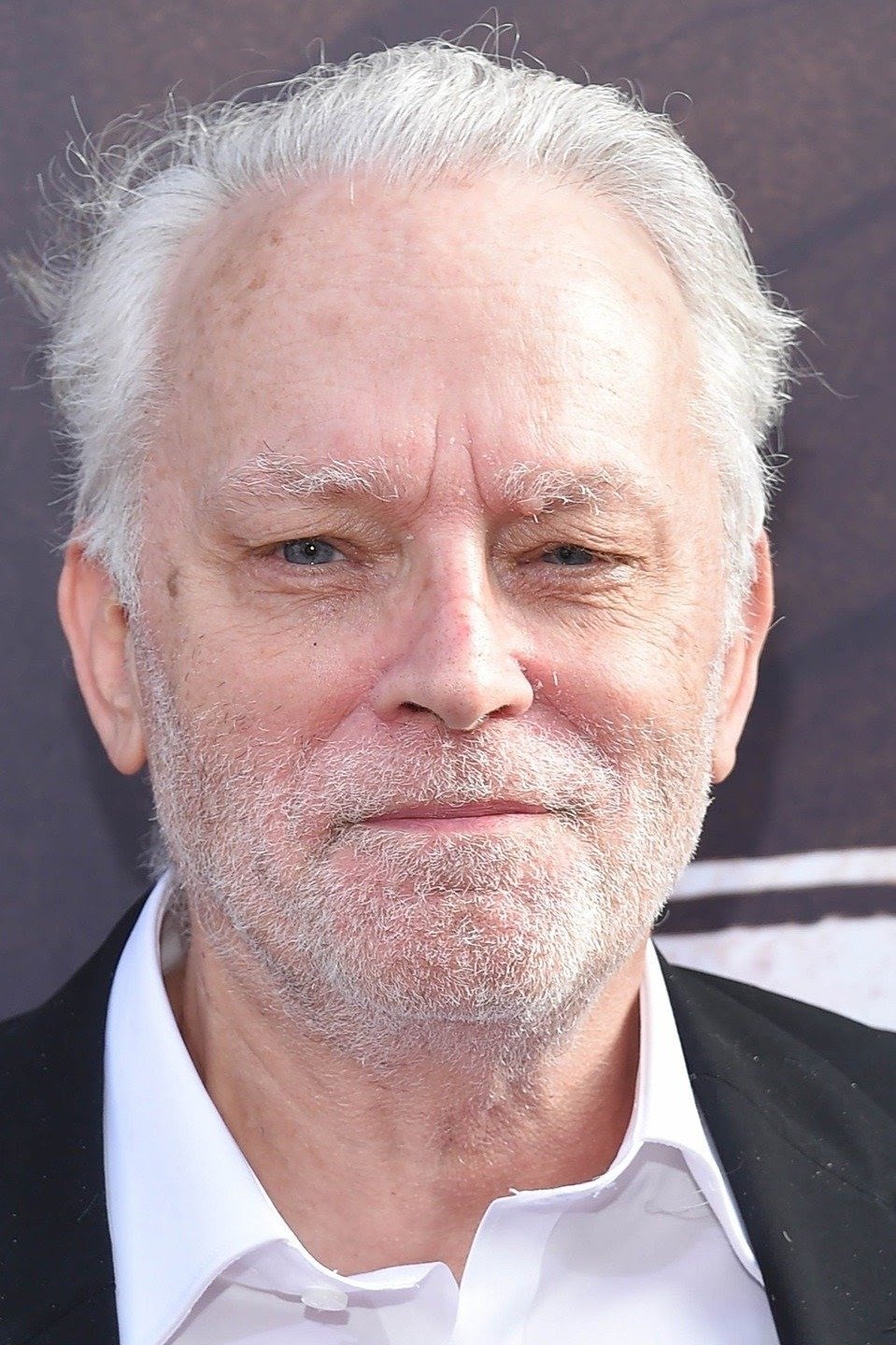
The ending of Dune (1984) is a messiah story closed off in a single gesture: Paul wins the last battle, kills Feyd Rautha and forces the Emperor to yield, and then calls rain down on Arrakis. In my opinion, the rain is the real conclusion, because the film treats the prophecy as something Paul has to prove with a physical act rather than a speech.
The route to that moment is worth tracing. The Fremen suspect from the start that Paul is a long awaited messiah, and he earns the name Muad'Dib by training in their ways and learning to ride the giant sandworms. His drug awakened powers then let him control the worms, so the Fremen assault on the Emperor's fleet is, in effect, his first real use of the power the prophecy promised. The duel with Feyd Rautha, played by Sting, removes the Harkonnen champion, and the rain proves the rest.
His sister Alia then announces that he has brought the change the Fremen had hoped for, and the film closes with Paul as the new ruler of the known universe. It could be argued that this is a very tidy victory for a story built on political traps, and it leaves little room to ask what the rule of a messiah costs. A sequel was planned, but it never followed, so the film is the only chapter of Lynch's version.
That makes a useful contrast with the Villeneuve films. In dune part two, according to TheWrap's ending explainer, Paul kills the Baron and Feyd-Rautha, Gurney kills Rabban and Chani leaves him, and the story points toward a sequel instead of a final triumph. Lynch's film, by comparison, ends on Paul's victory with nothing left pending, and the Emperor beaten and the prophecy fulfilled within the same two and a quarter hours.