
Halloween Timeline: Every Continuity in Order
The Halloween timeline is five separate continuities across 13 films (10 films plus 3 spin-offs): the original series that begins with Halloween (1978), the standalone Halloween III: Season of the Witch (1982), Halloween H20 and Halloween: Resurrection, Rob Zombie's two remakes, and the 2018 to 2022 trilogy. The 2018 trilogy is a direct sequel to the 1978 film and ignores the sequels in between, so each branch can be followed without the others.
The Halloween Timeline in Order

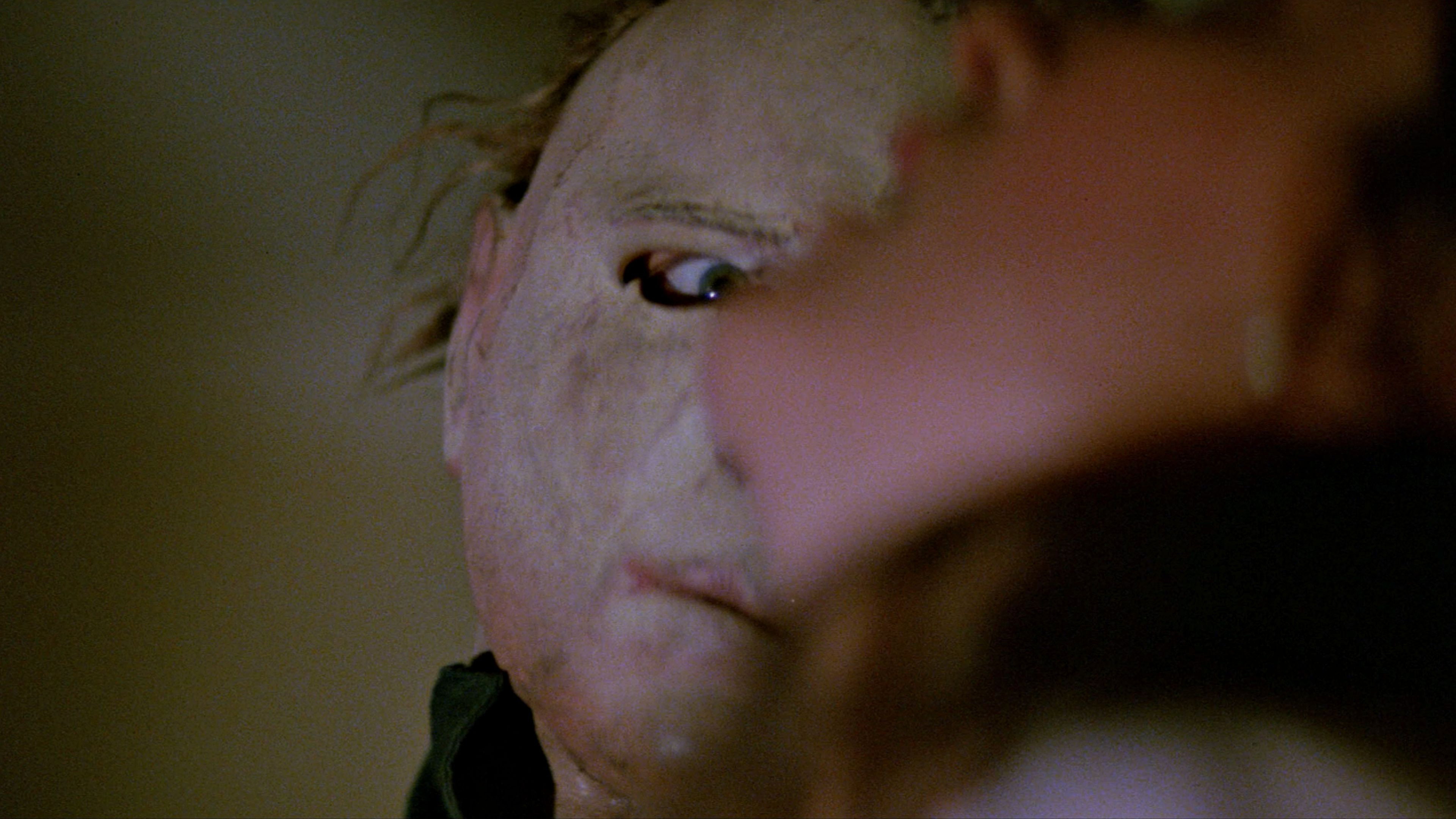


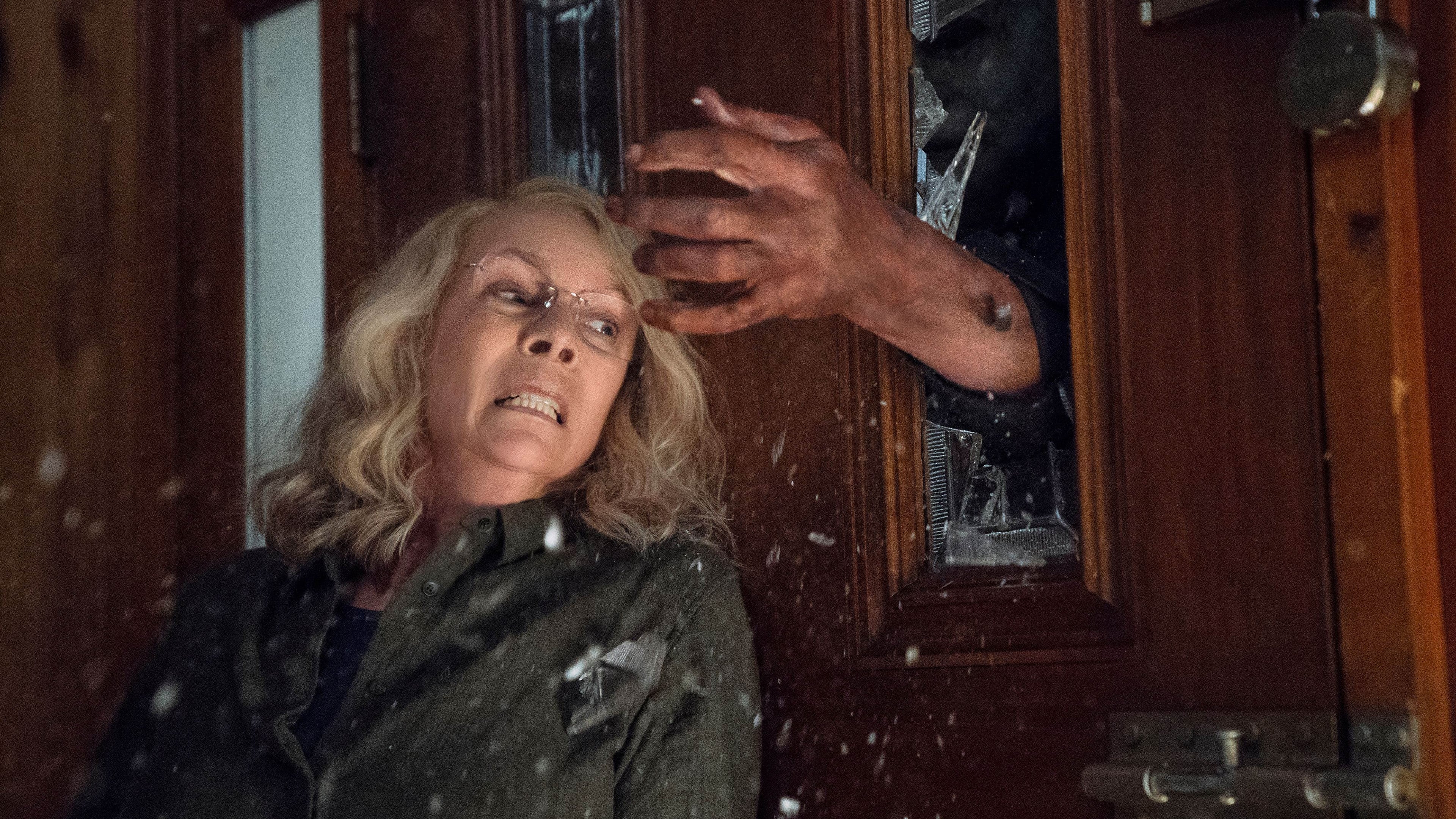

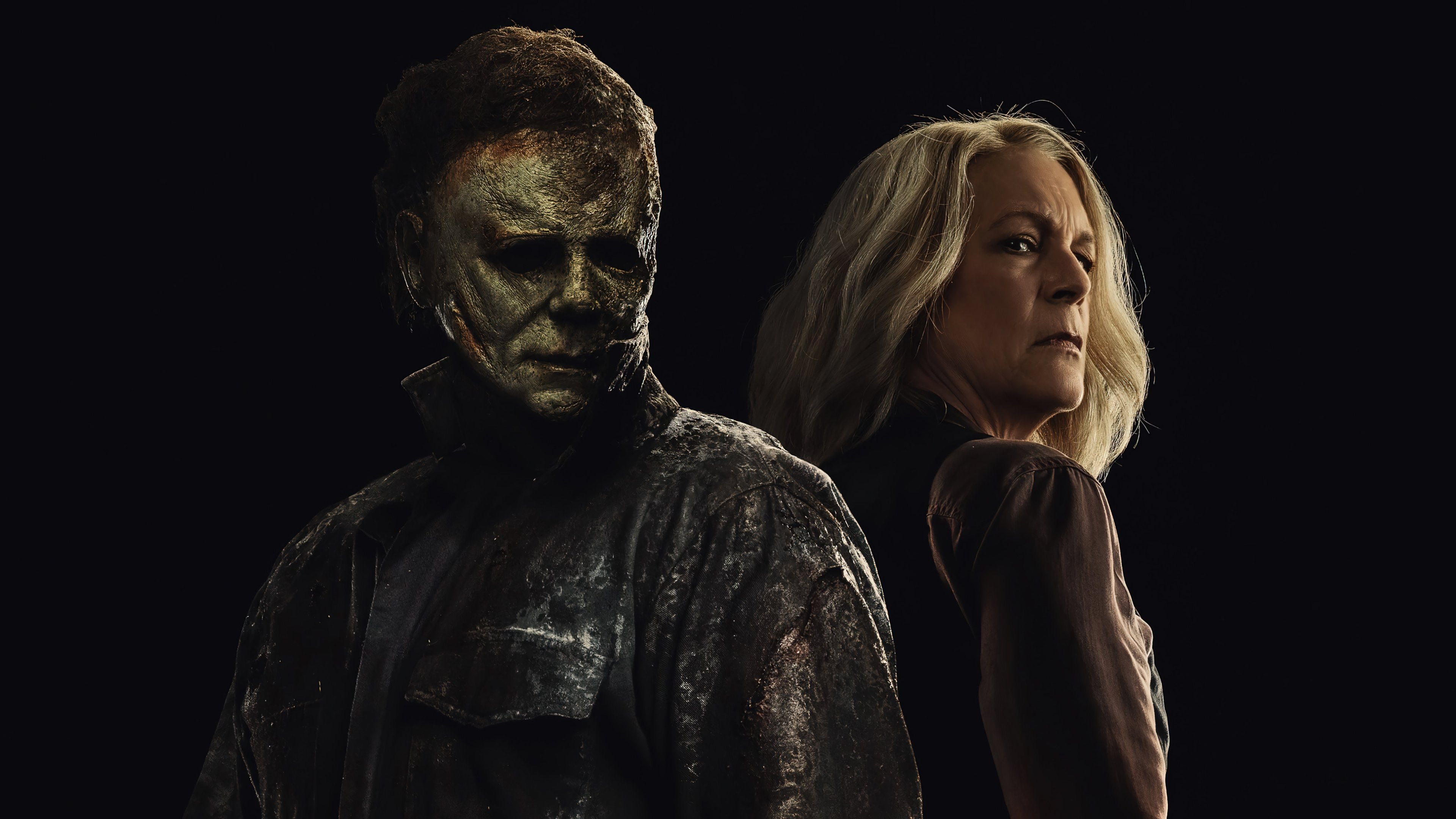
How Many Timelines Are There for Halloween?
There are five Halloween timelines, because the series has been continued, restarted and branched often enough that no single story covers all 13 films. The first is the original series, which runs from Halloween (1978), directed by John Carpenter, through Halloween II (1981), Halloween 4, Halloween 5 and Halloween: The Curse of Michael Myers. The second is Halloween III: Season of the Witch (1982), a standalone with no Michael Myers. The third is Halloween H20 and Halloween: Resurrection, which follow Laurie Strode from one film into the next. The fourth is Rob Zombie's pair of remakes, and the fifth is the 2018 to 2022 trilogy.
Why so many? Different filmmaking teams have picked up the series and continued it their own way, a bit like a television show that gets a new showrunner every few seasons while the lead character never changes his mask. For a viewer, the practical result is that release order is not one storyline, and because several titles repeat across the series, the release year is the only reliable way to tell which version is meant.
| Timeline | Films | How it connects |
|---|---|---|
| Original series | Halloween (1978), Halloween II (1981), Halloween 4 (1988), Halloween 5 (1989), The Curse of Michael Myers (1995) | Each film follows the one before |
| Standalone | Halloween III: Season of the Witch (1982) | No link to Michael Myers |
| H20 line | Halloween H20 (1998), Halloween: Resurrection (2002) | Resurrection picks up Laurie's story after H20 |
| Zombie remakes | Halloween (2007), Halloween II (2009) | A fresh retelling of the 1978 story |
| 2018 trilogy | Halloween (2018), Halloween Kills (2021), Halloween Ends (2022) | A direct sequel to Halloween (1978) |
For a viewing plan, halloween movies in order lays out the release sequence, how many halloween movies gives the count and the full list, and the main halloween movies hub ties the whole series together.
Halloween (1978) and Halloween II (1981): The Night in HaddonfieldSpoilers
The first timeline opens on Halloween night in 1963 and reaches its first climax fifteen years later in Haddonfield, Illinois. In Halloween (1978), directed by John Carpenter, six year old Michael Myers stabs his older sister to death and is locked away. When his doctor, Sam Loomis, goes to move him, Michael steals a car and escapes.
Michael then trails high schooler Laurie Strode around town while Dr. Loomis warns Sheriff Brackett and searches the streets. Michael kills Annie, then Lynda and her boyfriend Bob, and arranges the bodies to frighten Laurie. Laurie fights back, wounding him several times, and gets the children she is minding, Tommy and Lindsey, to safety. Loomis shoots Michael and he falls from a balcony, but the body is gone when Loomis looks down. The closing shots of empty rooms and streets tell the audience he is still out there. The full account sits on the halloween 1978 page.
Halloween II (1981), directed by Rick Rosenthal, picks up moments later on the same night. Michael moves to Haddonfield Memorial Hospital, where Laurie is sedated and watched over by a small night staff, and he kills staff members one by one. Loomis learns from Marion that Laurie is Michael's younger sister, adopted after the family's deaths, which explains why he keeps coming for her. Laurie shoots Michael in both eyes and blinds him, then Loomis ignites leaking gas and the explosion engulfs both men. Michael staggers out burning and collapses, and Laurie is taken to another hospital at dawn. The sibling reveal stays a key part of the series' mythology, and the halloween ii 1981 page covers the hospital night in detail.
Halloween 4, Halloween 5 and The Curse of Michael Myers: The Jamie Lloyd ArcSpoilers
The Jamie Lloyd arc is the original timeline's second act, three films that follow Michael Myers and his niece from 1988 to a cult driven finale six years later. It is also where Michael stops being only a man who keeps getting up and starts to look like a curse.
Halloween 4: The Return of Michael Myers (1988), directed by Dwight H. Little, opens ten years after the first film. Michael has been in a coma and is being moved between hospitals when he overhears that he has a niece. He wakes, kills the ambulance crew and heads for Haddonfield, where Jamie Lloyd, the orphaned daughter of Laurie Strode, lives with the Carruthers family. Her foster sister Rachel minds her on Halloween night while Dr. Loomis races toward town. Michael cuts the town's power and kills most of the local police, an angry mob forms, and he is finally shot and drops into an abandoned mine. The last scene shows Jamie in her clown costume holding bloody scissors, and Loomis understands that the evil has passed to her. The halloween 4 page follows that night scene by scene.
Halloween 5: The Revenge of Michael Myers (1989), directed by Dominique Othenin-Girard, shows that Michael survived the blast in the mine. A hermit nurses him back to health for a year, and then Michael heads for Haddonfield. Jamie is in a children's clinic, unable to speak, and she shares a mental link with him. Michael kills Rachel, and later Loomis and Sheriff Meeker set a trap for him at the old Myers house with Jamie as bait. In the attic Jamie calls Michael her uncle, and he briefly removes his mask and shows emotion before turning violent again. Loomis tranquilizes him and the police lock him in a cell.
Who broke Michael Myers out of jail? A man dressed in black, who attacks the police station, kills the officers and leaves the cell empty. The film never explains who he is, and halloween 5 ends on Jamie finding the empty cell.
Halloween: The Curse of Michael Myers (1995), directed by Joe Chappelle, jumps six years ahead. Michael and Jamie are held captive by a Druid like cult, and Jamie gives birth to a son, Steven, then escapes with him before Michael catches up and kills her. Tommy Doyle, now a withdrawn adult who has spent years trying to understand Michael, finds the baby. The cult is led by Dr. Terence Wynn and tied to an ancient curse known as Thorn, and Michael returns to Haddonfield to kill members of the Strode family in the old Myers house. The finale at Smith's Grove Sanitarium sees Michael turn on the cult while Tommy and Kara Strode get the children out. Loomis stays inside and, in the theatrical cut, his fate is left open. A separate workprint known as the Producer's Cut has a different ending, in which Jamie survives the opening and Loomis takes on the cult's curse. The halloween the curse of michael myers page compares both versions.
Why Does Halloween 3 Have No Michael Myers? The Season of the Witch StandaloneSpoilers
Halloween III: Season of the Witch (1982), directed by Tommy Lee Wallace, has no Michael Myers because the producers wanted the series to become an anthology, with a new unconnected Halloween story each time. Audiences did not follow that plan, and Michael came back in the next sequel, which leaves this film outside every Michael Myers timeline.
It starts with a panicked shop owner, Harry Grimbridge, carried into a Northern California hospital while clutching a Silver Shamrock jack-o'-lantern mask. A man in a suit kills him in the ward and then sets himself on fire. Dr. Daniel Challis (Tom Atkins) and Harry's daughter Ellie trace the mask to Santa Mira, a company town that revolves around the Silver Shamrock Novelties factory, where a jingle on television counts down to a Halloween giveaway.
The owner, Conal Cochran, reveals that each mask carries a chip containing a fragment of Stonehenge. When the commercial airs on Halloween night, the chips will kill whoever is wearing a mask, and Cochran presents this as a revival of ancient Samhain sacrifice. He demonstrates it on the Kupfer family. Daniel breaks free, rescues Ellie and drops a box of medallions onto the staff in the control room, and the factory burns. Then he discovers Ellie is an android and has to destroy her after a car crash. His last act is a phone call begging the networks to drop the ad. Two do, and the line goes dead during the third, so the children's fate is never shown.
Its villain is a company with a marketing plan rather than a masked stalker, which makes it the odd one out and the easiest film in the series to watch on its own. For the cast and production story, see halloween 3 season of the witch.
Halloween H20 and Resurrection: Laurie's Stand and What FollowedSpoilers
Halloween H20: 20 Years Later (1998) and Halloween: Resurrection (2002) form the third timeline, because Resurrection opens directly on the aftermath of Laurie Strode's fight in H20. The two films are two chapters of one short story about Laurie and what remains of Michael afterward.
In H20, directed by Steve Miner, Laurie has faked her death and lives in California as Keri Tate, headmistress of Hillcrest Academy. She drinks too much, has nightmares and is afraid her brother will find her. Michael breaks into the home of Marion Chambers, a former colleague of Dr. Loomis, kills her and steals files on Laurie. Laurie's teenage son John skips the school trip to stay on the empty campus with his girlfriend Molly and friends Charlie and Sarah. Michael reaches the school and kills several of the teenagers and adults, and Laurie finds the bodies. After getting John and Molly to safety, she decides she cannot keep running and goes back with an axe to confront him. Michael survives a fall from a balcony and is loaded into a coroner's van, and Laurie faces him one last time, ending it by cutting off his head as sirens close in. Jamie Lee Curtis agreed to return on the condition that the film not hint at a sequel. The halloween h20 page lists the full cast.
Halloween: Resurrection, directed by Rick Rosenthal, undoes that closure. Laurie is held in a psychiatric facility, convinced the man she beheaded was not really Michael. Michael appears at the facility, confronts her and she does not survive. A year later, producers Freddie Harris and Nora Winston run an internet show that sends six students into the Myers house with cameras on their bodies and on the walls. The producers stage fake scares, but Michael is truly inside and begins killing the students one by one while online viewers believe it is an act. A fan named Deckard realizes the murders are real and tries to warn Sara by message. Freddie fights Michael and sets him on fire in an electrical blaze, and his body is taken to a morgue, where it stirs. An alternate ending on the home release has Sara kill him with an axe. The halloween resurrection page compares the two endings.
Halloween (2007) and Halloween II (2009): Rob Zombie's Remake TimelineSpoilers
Rob Zombie's Halloween (2007) and Halloween II (2009) are the fourth timeline, which retells the story from Michael Myers' childhood and ends with Laurie Strode in a psychiatric ward. The 2007 film leads directly into the 2009 sequel.
Halloween (2007) opens on a ten year old Michael living in a troubled home in Haddonfield. He is bullied at school, mistreated by his mother's boyfriend, keeps to himself and makes masks. On Halloween night he kills the school bully, the boyfriend, his older sister Judith and her boyfriend, but spares his baby sister. At Smith's Grove Sanitarium he is treated by Dr. Samuel Loomis, played by Malcolm McDowell. Michael withdraws and stops speaking, his mother takes her own life, and Loomis eventually gives up on him and writes a book about the case.
Fifteen years later Michael escapes during a transfer, takes a truck driver's coveralls and walks home to Haddonfield, where he recovers his old mask and knife. On Halloween night he stalks teenagers, including friends of Laurie Strode, and kills Laurie's adoptive parents. Laurie turns out to be the baby sister he spared, and Michael takes her to the old family house and shows her a photo of the two of them as children. She stabs him in the neck and flees. Loomis shoots Michael but Michael gets up and kills him, then he and Laurie fall over a railing during the struggle and a gun fires as police sirens close in. The film leaves Laurie's fate open, which leads into the 2009 sequel, and the halloween 2007 rob zombie page covers the unused alternate ending.
Halloween II (2009) finds Laurie living with Sheriff Brackett and his daughter Annie, while Loomis profits from his book. Michael, believed dead, comes back and kills several people, among them Annie, Harley and Mya. Laurie learns her birth name was Angel Myers. Michael takes her to an abandoned shack and police surround it. Loomis goes in to reason with Michael and Michael stabs him to death. Brackett shoots Michael through a window and Michael falls onto farm equipment, then Laurie stabs him with his own knife. She walks outside wearing his torn mask. The last scene shows her in a psychiatric ward, smiling as the ghost of her mother approaches with the white horse. A second ending was filmed in which police fire on Laurie, and the halloween 2 2009 page covers both.
Halloween (2018), Halloween Kills and Halloween Ends: The New Halloween TimelineSpoilers
The new Halloween timeline is the 2018 to 2022 trilogy, directed by David Gordon Green, which is a direct sequel to Halloween (1978) and departs from the sequels in between. Halloween (2018) reached US theaters on October 19, 2018, and Michael Myers has been held for forty years when it begins.
In Halloween (2018), two podcasters visit Smith's Grove and try to provoke a reaction from Michael with his old mask. Laurie Strode lives in a fortified home, drinks heavily and is estranged from her daughter Karen. Karen's daughter, Allyson, is the only family member who stays close to her. When Michael is moved, the transfer bus crashes and he escapes, killing people as he heads back to Haddonfield. He retakes his mask and attacks teenagers on Halloween night, and Dr. Sartain, his psychiatrist, takes Michael in his car before Michael kills him. The three Strode women gather at Laurie's house, trap the wounded Michael in a hidden basement room and set the house on fire. They drive away together, reconciled, and his breathing is heard over the end credits. See halloween 2018 for the full breakdown.
Halloween Kills (2021) starts on the same night. Michael escapes the fire and kills the firefighters sent to put it out, while Laurie is treated in the hospital and Karen hides from her that Michael is still alive. Tommy Doyle, a survivor of the 1978 rampage, rallies townspeople at a local bar and leads an angry crowd through the streets. The crowd mistakes an escaped patient named Lance Tivoli for Michael and chases him to his death. At the old Myers house Karen stabs Michael with a pitchfork and takes his mask, the mob believes he is dead, and he rises and kills most of them, including Tommy and Leigh Brackett. Karen goes alone to the house and is killed. The halloween kills page covers the mob scenes.
Halloween Ends (2022) opens with the 2019 accident in which teenage babysitter Corey Cunningham is involved when the boy he is minding dies. Haddonfield treats him as an outcast. Three years later Laurie is writing a memoir and raising Allyson, now a nurse, and Allyson starts a relationship with Corey. After another assault by bullies, Corey meets a wounded Michael in the sewers and Michael spares him. Corey begins killing people who have wronged him and then takes Michael's mask on a Halloween night rampage. Michael arrives to reclaim the mask and kills Corey, then fights Laurie, and Allyson returns to help. Michael bleeds out, and townspeople follow his body in a procession to a salvage yard, where Laurie destroys it in an industrial shredder. Laurie finishes her memoir and Allyson leaves Haddonfield. Nothing further is set up, which is why the halloween ends page treats it as the close of this timeline.
Halloween Timelines Explained: Which One Should You Follow?Spoilers
In my opinion, the cleanest route through the series is Halloween (1978) followed by the 2018 trilogy, because it gives Laurie Strode one unbroken arc with a clear end. That is a personal pick, and it comes down to what kind of fear you want, since each timeline treats Michael Myers as a different kind of monster.
The 1978 film is the version where the scare is absence: Loomis looks over the balcony and the body is gone, and the camera then lingers on the empty rooms. Halloween II (1981) keeps that logic going by giving Michael a target and a reason, which is the sibling reveal. The Jamie Lloyd arc then pushes him toward the supernatural, with a cult, the Thorn curse and a mysterious man in black who frees him from a cell. The best single moment in that stretch, perhaps, is in Halloween 5, when Michael takes off his mask in front of Jamie and shows something close to emotion, then goes straight back to killing. As such, that timeline is the one for readers who want the lore.
The H20 branch is the most self contained argument for ending the series: Laurie takes the head off the problem and the film closes with sirens. Resurrection spends its first act undoing that, which is a fair reason to treat the two films as separate experiences. Zombie's remakes go the other way and make Michael a human story first, with a childhood and a mother. The 2018 trilogy asks a different question, which is what a town does with its fear, and Halloween Kills answers it with a mob that chases down the wrong man.
Is Halloween 2018 a different timeline? Yes, but it is the only one that sits directly on the original film, so you lose nothing by skipping Halloween II (1981) through Resurrection. Its final chapter also closes firmly: Halloween Ends sets nothing further up and ends with Michael's body in an industrial shredder, while H20 presents its own ending as a conclusion to Laurie's arc, since Jamie Lee Curtis agreed to return on the condition that the film not hint at a sequel. Some guides count four timelines by treating Season of the Witch as a footnote. I count it as its own, because it has its own story and no Michael at all.
On what comes next, TheWrap reported in 2023 that Miramax won the Halloween TV rights and plans a series with Trancas, with no film title or date attached. The current status sits at new halloween movie. To pick your path, start with halloween movies in order, then use halloween movies ranked to decide which branch to watch after the 1978 film.
Facts
- Halloween (1978) was released in US theaters on October 25, 1978. Box Office Mojo, checked 2026-11-03
- Halloween III: Season of the Witch (1982) was released in US theaters on October 22, 1982. The Numbers, checked 2026-11-03
- Halloween 4: The Return of Michael Myers (1988) was released in US theaters on October 21, 1988. Box Office Mojo, checked 2026-11-03
- Halloween H20: 20 Years Later (1998) was released in US theaters on August 5, 1998. TMDB, checked 2026-11-03
- Halloween: Resurrection (2002) was released in US theaters on July 12, 2002. Box Office Mojo, checked 2026-11-03
- Rob Zombie's Halloween (2007) was released in US theaters on August 31, 2007. Box Office Mojo, checked 2026-11-03
- Halloween (2018) was released worldwide by Universal on October 19, 2018, as a sequel to the 1978 film that departs from its sequels. Comcast Corporate, checked 2026-11-03
- Halloween Ends was released in US theaters on October 14, 2022, with a same day release on Peacock. TheWrap, checked 2026-11-03
- TheWrap reported on October 12, 2023 that Miramax won the Halloween TV rights and plans a TV series with Trancas, with no new film title or date given. TheWrap, checked 2026-11-03
FAQs
How many timelines are there for Halloween?
There are five Halloween timelines. They are the original series from Halloween (1978) to The Curse of Michael Myers, the standalone Halloween III: Season of the Witch, Halloween H20 and Halloween: Resurrection, Rob Zombie's Halloween (2007) and Halloween II (2009), and the 2018 to 2022 trilogy.
What is the new Halloween timeline?
The new Halloween timeline is the trilogy of Halloween (2018), Halloween Kills (2021) and Halloween Ends (2022), all directed by David Gordon Green. It follows Halloween (1978) directly and ignores the other sequels, with Laurie Strode, Karen and Allyson at its center.
Is Halloween 2018 a different timeline?
Yes. Halloween (2018) is a direct sequel to Halloween (1978) that departs from its sequels, so Halloween II (1981) through Halloween: Resurrection do not happen in its story. Halloween Kills continues on the same night, and Halloween Ends takes place three years after the 2019 accident.
Who broke Michael Myers out of jail?
In Halloween 5: The Revenge of Michael Myers, a man dressed in black attacks the police station, kills the officers and leaves Michael's cell empty. The film never explains who he is. Michael also escapes on his own in Halloween (1978), when he steals a car during a transfer.
What year was Halloween based on?
The story of the original film runs from 1963 to 1978. Michael Myers kills his older sister on Halloween night in 1963, then escapes fifteen years later, in 1978, the same year Halloween (1978) reached US theaters, on October 25, 1978.
Why does Halloween 3 have no Michael Myers?
Halloween III: Season of the Witch (1982) was meant to start an anthology of unconnected Halloween stories, so it follows Dr. Daniel Challis and the Silver Shamrock masks instead of Michael. That plan was dropped, and Michael returned in the next sequel, Halloween 4: The Return of Michael Myers.