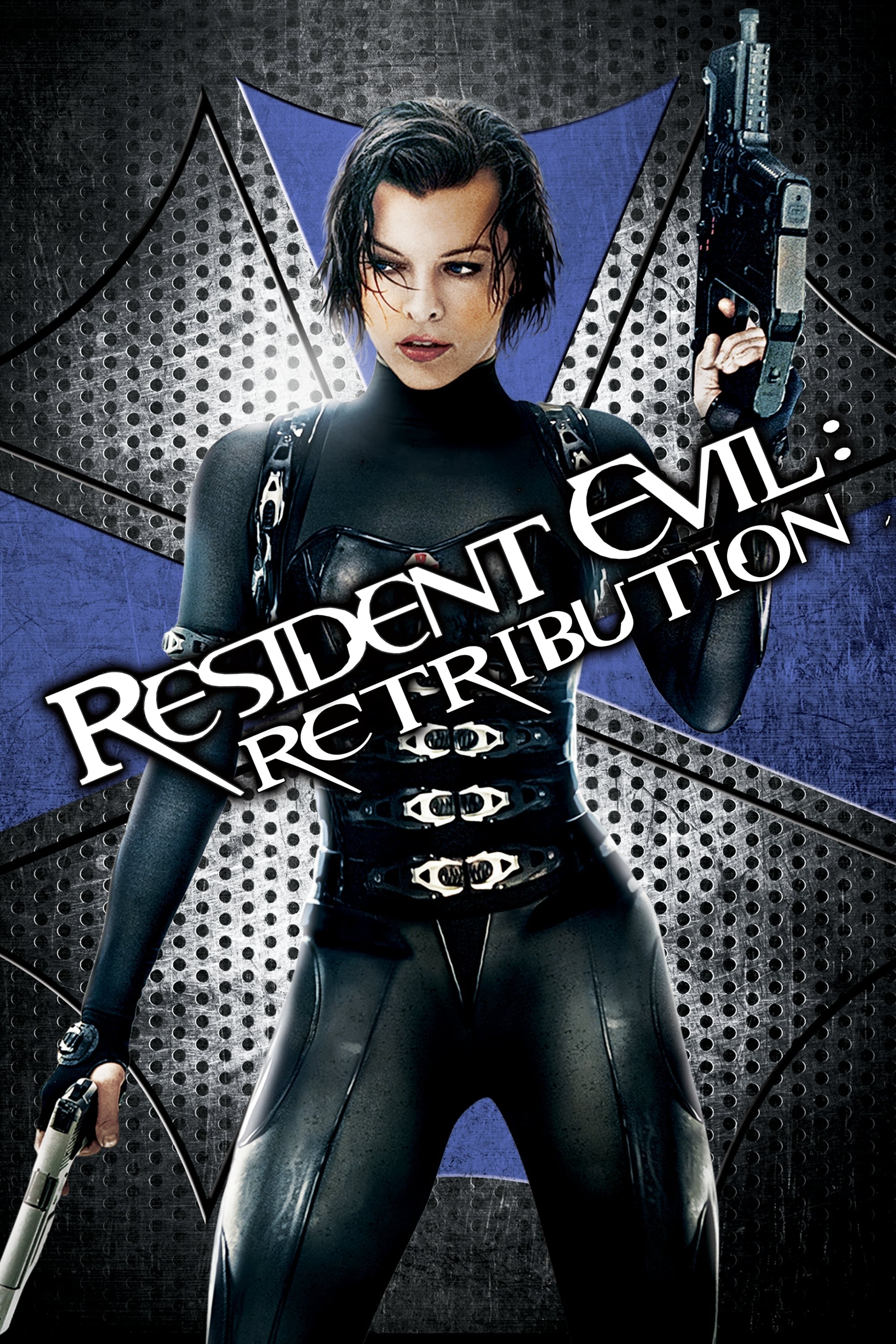
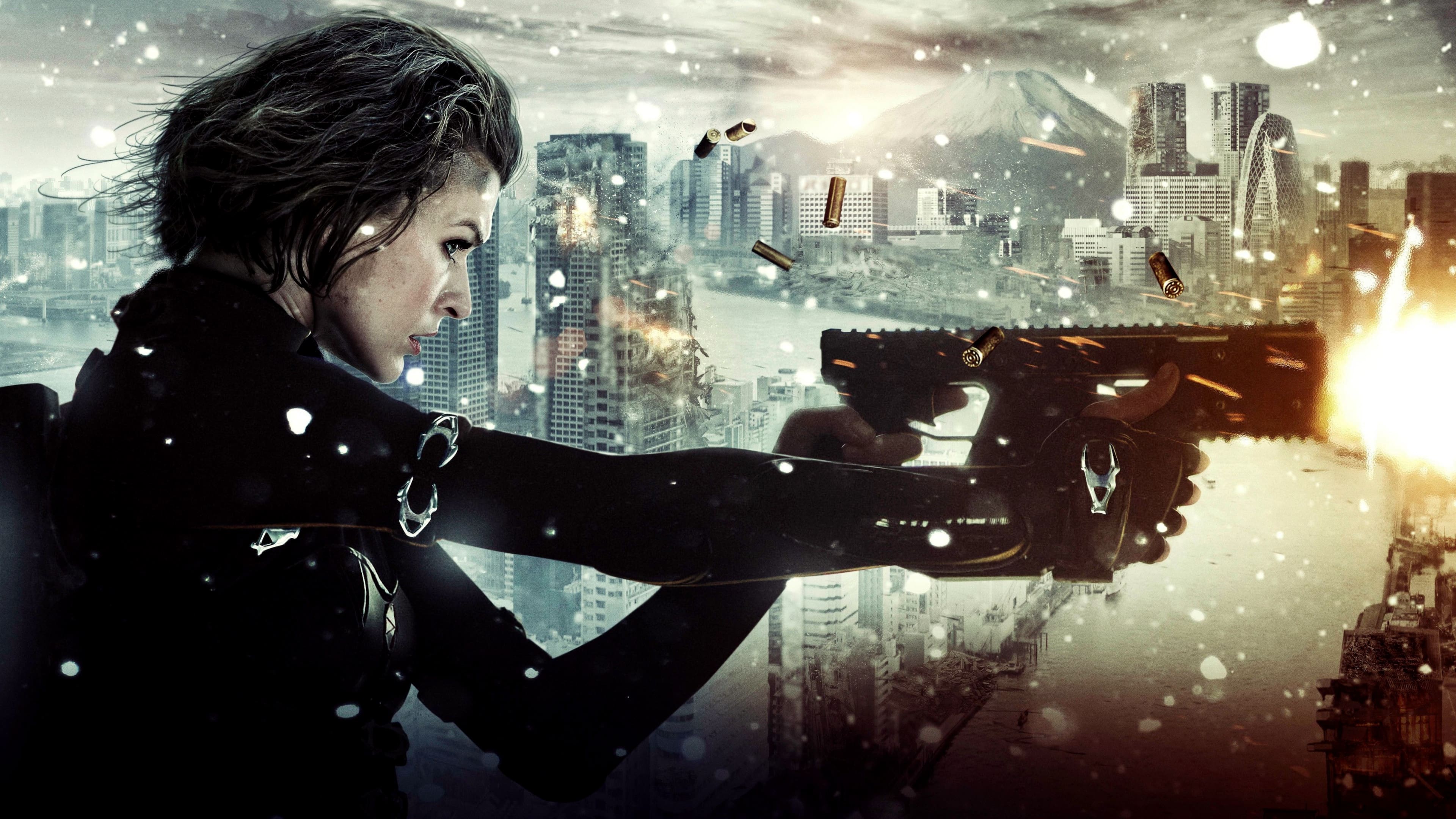
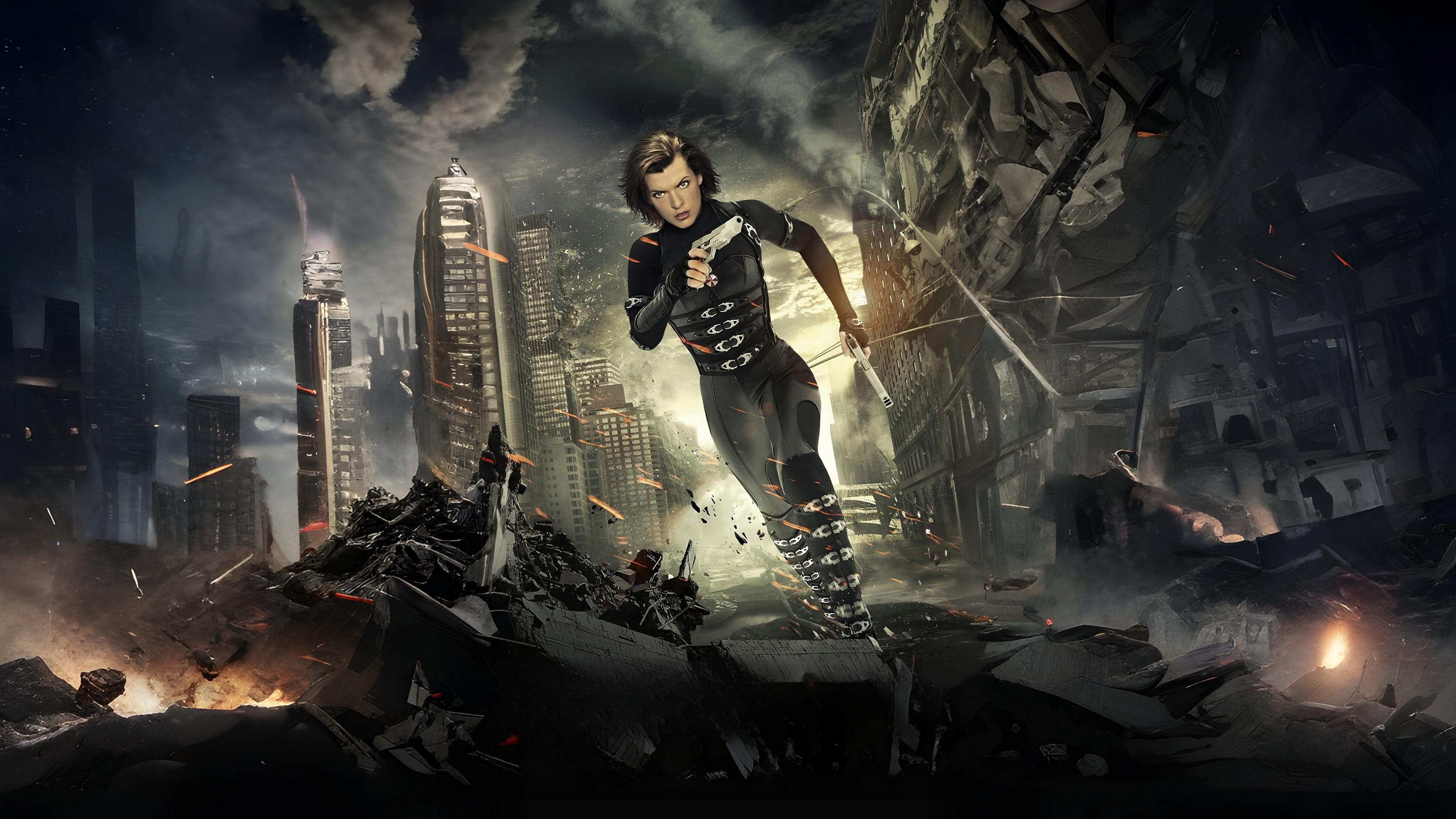
The Resident Evil Retribution ending leaves Alice at the White House with her powers restored and humanity facing a final wave of infected. After the escape, the survivors reach a fortified base where Wesker injects her with a new virus strain. On the roof he tells her that the Red Queen is trying to wipe out humanity, and the soldiers prepare for a huge wave of infected.
In my opinion, the ending works as a handoff more than a conclusion. Wesker, who earlier appeared on a screen to ask for Alice's help, is now an uneasy ally, and the Red Queen takes over as the threat. It could be argued that this is the film admitting the Umbrella story had run out of road, and that the machine is a cleaner enemy than a company. That setup pays off in Resident Evil: The Final Chapter, which opens with Alice waking in the ruined White House after Wesker betrayed her.
So, to answer what happened to everyone: Barry and Luther are dead, Rain was dragged under by zombies, Jill was freed from her mind control device, and Leon was knocked out by Rain. Is this the last movie? No, because the sixth film, also directed by Anderson, followed in 2017. Paradoxically, the clones are the film's most interesting idea, since a base that can rebuild anyone makes every death uncertain, and that is a retcon waiting to happen. Perhaps that is also why the fifth film feels more like a tour of set pieces than a story that moves forward. Readers who want more on how it fits can follow the Resident Evil timeline.