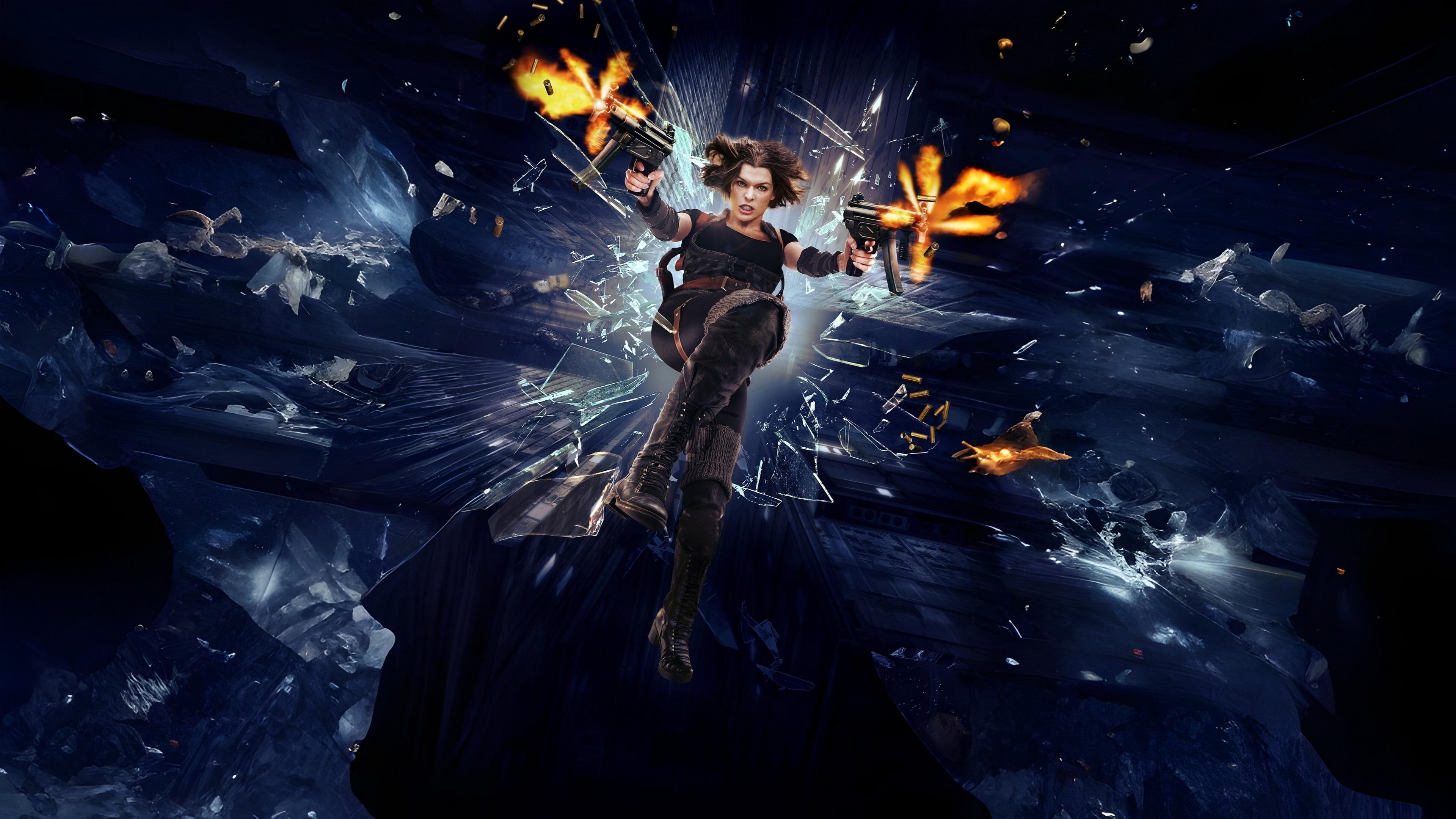
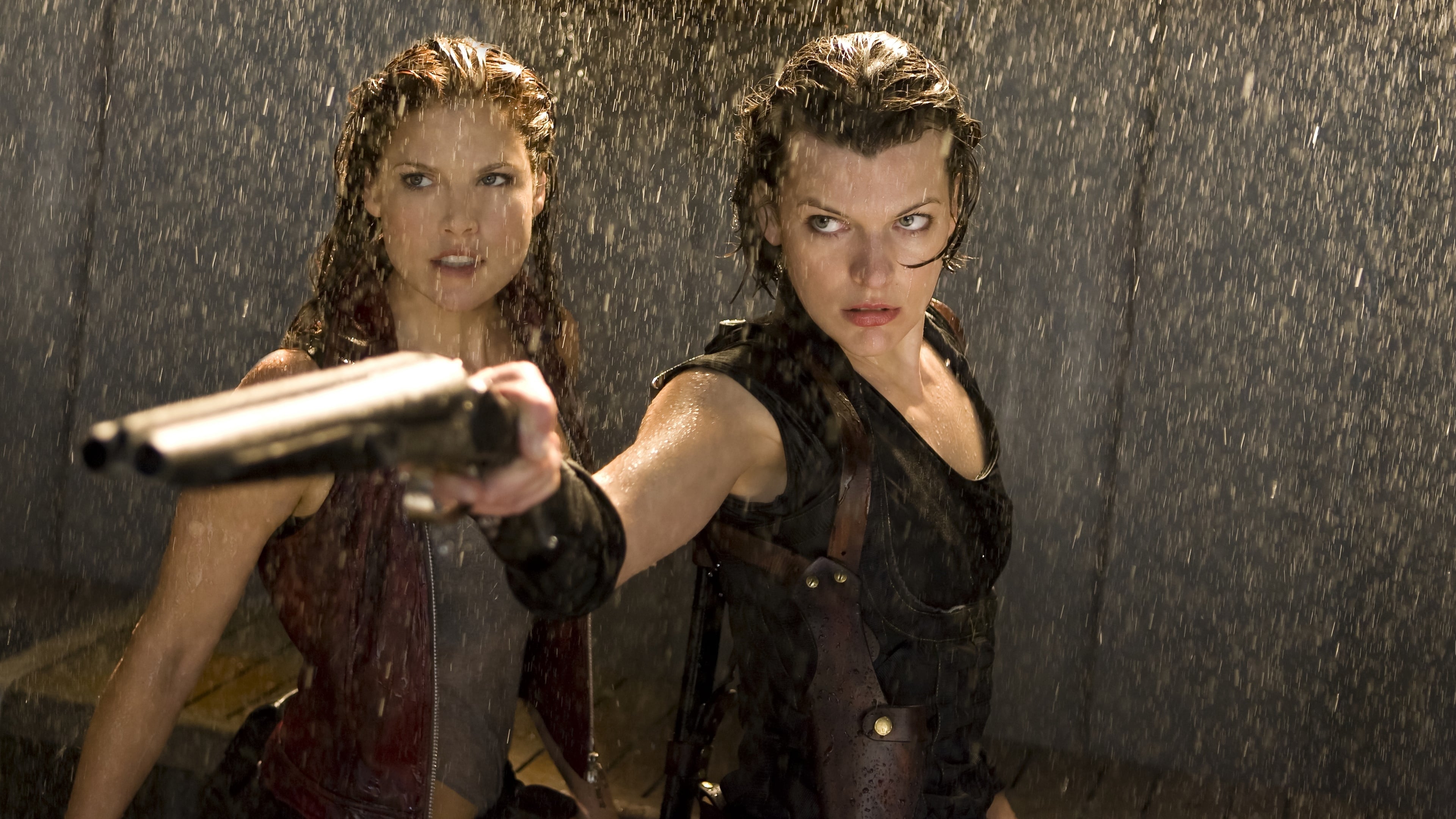
The ending of Resident Evil Afterlife means that Alice wins the fight but loses the war, and the film uses Arcadia to show it. Alice beats Wesker on the ship and he escapes by parachute, leaving the survivors with a vessel that was never the refuge they hoped for. In the last shots an Umbrella squadron approaches Arcadia, led by Jill Valentine under Umbrella's control.
In my opinion, the key choice is letting Wesker live. He is the one villain who stays attached to Alice's fate, and since Shawn Roberts returns as Wesker in Retribution and The Final Chapter, the parachute escape reads as a setup for more. It could be argued that this is the film's smartest move, because it denies the audience a clean victory in a series about an enemy that never really dies.
Why does the trap matter? The whole film is built on a promise. The Arcadia broadcast pulls Alice out of the Alaskan snow, and it also drives the survivors in the Los Angeles prison, who are stuck behind walls with the undead outside. When the refuge turns out to be an Umbrella trap, the film reveals that the corporation controlled the hope itself. Compare that with Extinction, where Alice also follows hints of a safe region in Alaska and the story is a desert road trip: Afterlife takes that same thread and shows the end of it was a cage.
The Jill image is the other half. She was an ally in Apocalypse, played by Sienna Guillory, and here she leads the attack, so the next film opens with Alice facing someone she trusts. Retribution picks that up with Arcadia under attack from Umbrella gunships led by Jill, after which Alice is captured. The Final Chapter later closes the loop by sending Alice back to the Hive, so the Arcadia cliffhanger starts a chain of events that runs through the last two films.
There is a production angle too. Paul W. S. Anderson wrote and directed this film and Retribution and The Final Chapter as well, so the cliffhanger is a promise he could keep himself, unlike the first three films, which had three directors between them. Paradoxically, the ending is stronger than the middle of the film, because it gives the series a personal hook that the prison siege, with its executioner set piece, does not quite match.